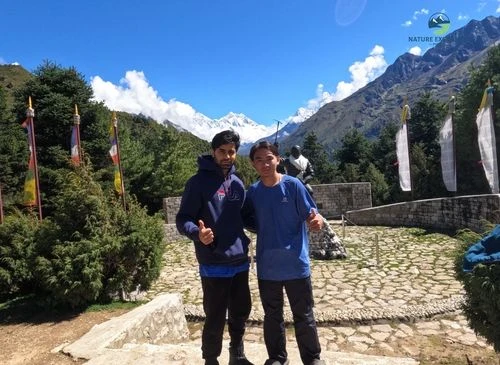
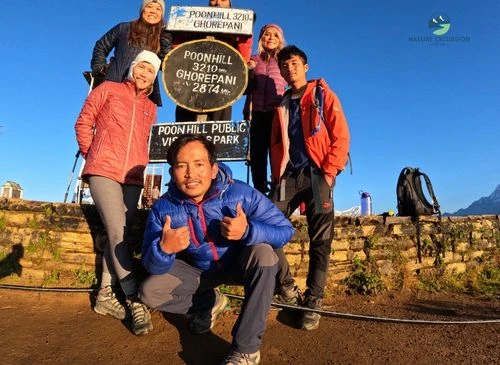
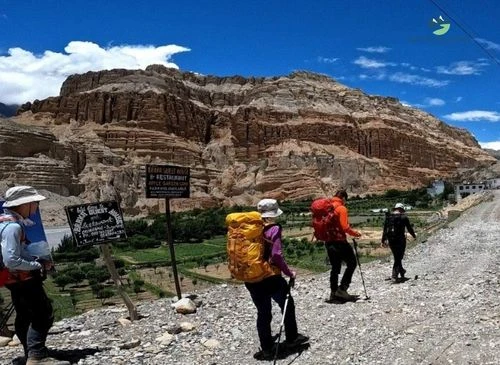
What is the Best Time to Trek in Nepal?
Spring (March to May) and autumn (September to November) are widely considered the best times to trek in Nepal. These seasons offer stable weather, comfortable daytime temperatures, excellent mountain visibility, and the safest trail conditions across most trekking regions.

If you're looking for the single best month for trekking, October stands out. In October, the skies are at their clearest after the monsoon, and temperatures are also pleasant for trekking at both lower and higher elevations.
Outside these peak seasons, you can still trek. You just need to match the route to the season and accept a few trade-offs like colder nights, wetter trails, or fewer views. Upper Mustang Trek in the monsoon and lower-elevation treks in winter are some examples.
Quick Recommendations:
- Best overall month: October
- Best for rhododendron blooms: April
- Best for mountain photography: Late October to November
- Best for budget travelers: June to August or December to February
- Best for beginners: April, October, or November
Why Choosing the Right Trekking Season in Nepal Matters
Choosing the right trekking season in Nepal matters because the weather isn’t the same everywhere. A trail at 800 m may have warm and pleasant weather, while another section of the same trek above 4,500 m can be cold, snowy, and windy. That's why choosing the right trekking season is just as important as choosing the destination itself.
The season affects almost every part of your journey. It affects mountain visibility, daytime and nighttime temperatures, trail conditions, flight reliability, especially on routes such as the Lukla flight, accommodation availability, crowd levels, wildlife sightings, seasonal flowers, photography opportunities, permit planning and logistics, and whatnot.
Many trekkers choose their trek destination first and check the weather later. It's usually better to reverse that process. Decide when you can travel, then choose the trek that performs best during those months.
Not Sure When Is the Best Time to Trek in Nepal?
Talk to our local team for advice on choosing the right trekking season.
Nepal Trekking Seasons at a Glance
Here’s the overview most people are really looking for: seasons, conditions, and crowd level.
| Season | Months | Weather | Daytime temperature | Nighttime temperature | Crowd level |
Spring | March to May | Mild to warm, mostly dry | 10 to 20°C at mid-altitude | -5°C to 5°C at 3,000 m | High |
| Monsoon / Summer | June to August | Wet, humid, cloudy | 15 to 25°C at mid-altitude | 0 to 10°C at 3,000 m | Low |
| Autumn | September to November | Clear, dry, sunny, very stable | 8 to 18°C at mid-altitude | -5°C to -10°C at 3,000 - 4,000 m | Very high |
| Winter | December to February | Cold, crisp, often clear | 5 to 15°C at mid-altitude on sunny days | -10°C or colder at high camps | Low |
Spring Trekking in Nepal (March to May)
Spring is a very good time to trek in Nepal. Spring feels alive in the Himalayas. Days lengthen, snow retreats from mid-altitude trails, and the forests explode with red, pink, and white rhododendron blooms

At the start of spring (March), it can still feel cool, especially in lower areas between about 800 and 2,000 m. As winter fades and spring moves in, areas above 3,000 m also warm up, bringing sunny, clear, and more inviting conditions for trekking. Similarly, Spring is also a good time for climbing in Nepal’s Himalaya.
Pros of Spring Trekking
- Temperatures in upper hills and lower mountain areas are usually around 10 to 20°C during the day.
- Winter snow on high trails melts by April, opening popular passes over 5,000 m such as Thorong La, Larkya La, Kongma La, Kang La, or Cho La.
- Days are warm and pleasant for walking, with nights much milder than in winter.
- Early spring often brings clear skies, which reduces the chance of flights being canceled to mountain airstrips like Lukla.
- There are fewer trekkers than in October and November, so you get more space.
Cons of Spring Trekking
- As the season moves closer to summer, lower altitudes can feel quite hot and sweaty during the day in May.
- Afternoon clouds and occasional pre-monsoon showers are common.
- Mountain views can become hazy later in the season.
Recommended Treks in Spring
Some of the best options include:
Autumn Trekking in Nepal (September to November)
Autumn is when the country truly lives up to its reputation as one of the world's best trekking destinations. After the monsoon, dust and pollution are washed out of the air, leaving clear skies, moderate daytime temperatures, and stunning views of the Himalayan ranges.
Depending on how strong the monsoon is, the season usually becomes good for trekking from around mid-September.

Once the weather calms and the rain slows, most days offer blue skies and sunshine that last through the day, unlike spring, when clouds tend to build up in the afternoon. Thus, it’s no surprise that autumn is considered the best season for trekking in Nepal. October is especially popular because it combines stable weather with Nepal's biggest festivals, Dashain and Tihar, creating a lively atmosphere both on and off the trails.
Furthermore, trails are generally dry and well-maintained after the monsoon. Rivers and waterfalls remain full, and forests look fresh. And since this is peak trekking season, teahouses become full very soon, so early booking is required.
Pros of Autumn Trekking
- Daytime temperatures are generally warm, while nights gradually turn colder as winter approaches.
- Best mountain visibility of the year.
- Dry trails and stable weather.
- Excellent conditions for both short and long treks.
- Great season for cultural experiences and photography.
Cons of Autumn Trekking
- Crowded trails on popular trekking routes.
- Higher demand for flights, guides, and accommodation.
- Colder nights at higher elevations later in the season.
Recommended Treks in Autumn
Autumn is suitable for almost every trekking route in Nepal. Some of the best options include:
Monsoon / Summer Trekking in Nepal (June to August)
Summer in Nepal coincides with the monsoon season, which usually begins in mid-June and lasts until early September. During this time, much of the country receives regular rainfall, making trekking more challenging on many popular routes. Thus, mention trekking in Nepal during the monsoon, and many people immediately dismiss the idea.
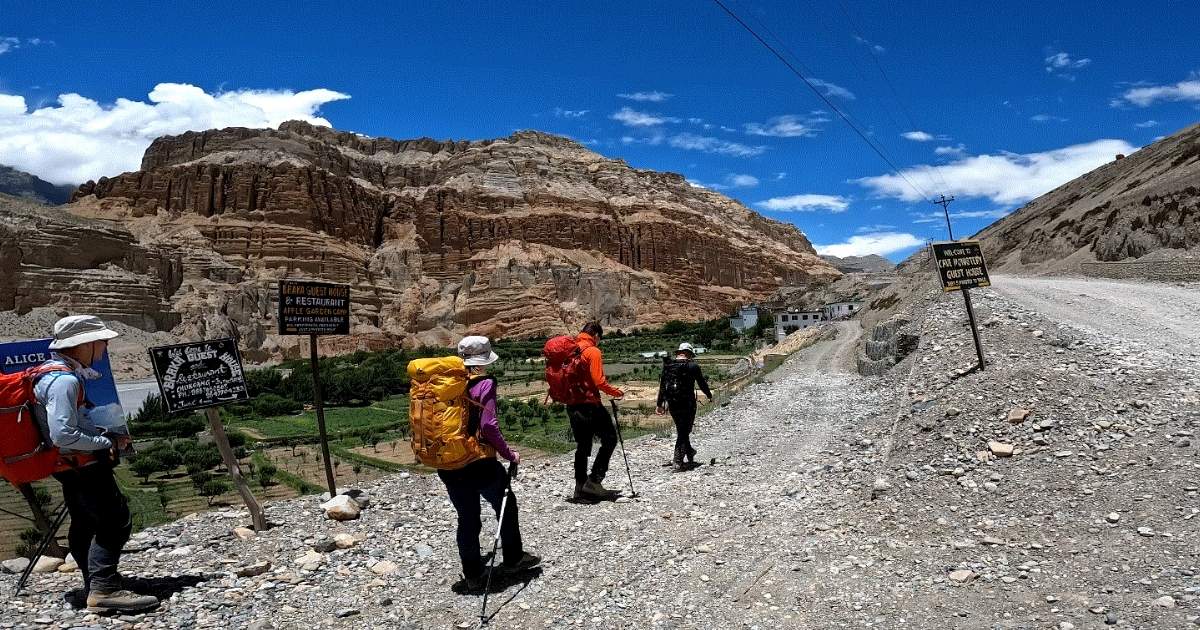
While it's true that heavy rainfall affects much of the country, this season isn't as limiting as it sounds. In fact, some of Nepal's most unique trekking destinations experience very little rain because they lie in the Himalayan rain shadow. If you're willing to choose the right region, monsoon can offer a quieter and surprisingly rewarding trekking experience.
Pros of Summer or Monsoon Trekking
- Quiet trails with fewer trekkers.
- Beautiful green landscapes and flowing waterfalls.
- Lower travel costs in some areas.
- Great trekking conditions in rain-shadow regions.
- Easier accommodation availability.
- A good season for travelers who prefer solitude.
Cons of Summer or Monsoon Trekking
- Frequent rainfall and high humidity.
- Muddy and slippery trails.
- Poor mountain visibility in many regions.
- Higher chances of flight delays and road disruptions.
- Leeches are common on lower forested trails.
Recommended Treks in Summer / Monsoon
If you are trekking in Nepal between June and August, the following routes are the best options:
If you don't mind occasional rain and cloudy conditions, shorter treks such as Mardi Himal and Poon Hill are also possible during this season.
Winter Trekking in Nepal (December to February)
Winter in Nepal surprises many first-time visitors. People often imagine Nepal completely buried under snow, but that's only true at higher elevations. Most lower-altitude trails remain dry and easy to walk during winter. However, high mountain passes can become snow-covered or temporarily closed after heavy snowfall. Winter isn't suitable for high-altitude treks in Nepal.

Daytime temperatures often sit around 5 to 15°C, and nights can fall below zero. Mornings may start foggy, but afternoons are usually clear, and higher areas can see fresh snow, which makes the scenery very photogenic. If you don't mind cold mornings and nights, winter can be one of the most enjoyable times to explore Nepal.
Pros of Winter Trekking
- Clear skies and excellent mountain views.
- Quiet trekking trails with fewer visitors.
- Beautiful snow-covered landscapes at higher elevations.
- Better availability of accommodation.
- Great conditions for sunrise and landscape photography.
- Domestic flights may offer lower prices during the off-season.
- Peaceful atmosphere in mountain villages and monasteries.
Cons of Winter Trekking
- Cold temperatures, especially at higher elevations.
- High mountain passes may be closed or unsafe after snowfall.
- Shorter daylight hours.
- Higher sections of the trail will be icy or slippery.
Recommended Treks in Winter
Winter is best suited for lower and mid-altitude treks. Some good options include:
- Poon Hill Trek
- Mardi Himal Trek
- Annapurna Base Camp Trek (weather permitting)
- Langtang Valley Trek (for trekkers prepared for cold conditions)
- Everest Base Camp Trek (less crowded but significantly colder)
Seasonal Comparison
If you're still deciding, here's a simple way to narrow it down:
- Choose spring (March - May) for blooming rhododendrons, pleasant temperatures, and balanced trekking conditions.
- Choose autumn (September - November) for the clearest mountain views, stable weather, and Nepal's classic trekking experience.
- Choose monsoon (June - August) if you want quieter trails and plan to explore rain-shadow regions like Upper Mustang.
- Choose winter (December - February) if you enjoy peaceful trails, don't mind colder temperatures, and prefer trekking without the crowds.
Duration:10 DaysStart fromUSD 900USD 785based on 4 reviews
Best Time to Go Trekking in Nepal by Month
If you're planning your trip around a specific month rather than a season, this section is for you. Nepal's trekking conditions change gradually throughout the year, and even two consecutive months can offer noticeably different experiences.
Here's a month-by-month breakdown of Nepal trekking weather, temperatures, and the best treks to consider.
Month | Weather | Avg. Day Temperature (Lower Elevations) | Best for |
| January | Coldest month. Clear air at low and mid altitudes, frequent snow higher up | 8–15°C | Lower-elevation treks like Poon Hill, short Annapurna foothill routes, and day hikes from Pokhara. |
| February | Still cold but days grow slightly longer. Some melt at mid altitudes | 10–17°C | Quiet trails, budget travel, and lower treks where snow is manageable, like Poon Hill, and short Mardi Himal variants. |
| March | Transition into spring. Cool mornings, mild afternoons | 15–22°C | Early-season Everest Base Camp and Annapurna Circuit (if you’re comfortable with some ice), Langtang Valley. |
| April | Warm days, occasional showers. Rhododendrons at their peak | 18–25°C | Rhododendron treks like Poon Hill, Mardi Himal, and classic routes like EBC and ABC, with comfortable temperatures. |
| May | Hottest trekking month, hazier visibility, early monsoon build-up | 20–28°C | Those who prefer warmth over perfect views, finishing spring treks before rain becomes dominant. |
| June | Start of monsoon. Increasing rain and afternoon cloud | 22–30°C | Upper Mustang and other rain-shadow routes, plus short lower treks if you’re flexible on views. |
| July | Peak monsoon. Heavy rainfall, leeches, muddy trails | 22–30°C | Upper Mustang and Dolpo |
| August | Still monsoon, though some years start easing late in the month | 22–29°C | Upper Mustang, Dolpo, cultural travel, and city-based stays in Kathmandu or Pokhara between showers. |
| September | Transition month. Early weeks can be wet, later weeks much clearer | 20–27°C | Late September onwards is good for the Annapurna, Everest, and Langtang region trek. |
| October | Peak trekking month. Dry, clear, stable | 18–25°C | All treks. This is widely regarded as the single best month. |
| November | Cooler, still very clear. Occasional early winter storms at high passes | 15–22°C | EBC, Annapurna, Manaslu, and all mid-altitude treks have fewer crowds than in October. |
| December | Start of winter. Clear low-altitude views, cold nights | 10–18°C | Lower treks like Poon Hill and short Annapurna routes |
Plan Your Trek Your Way
Choose your travel dates, available days, appropriate season and trekking preferences to create an itinerary that fits your schedule and interests.
Quick Monthly Recommendations
If you're short on time, here's a simple summary:
Goal | Best Months |
Best overall trekking conditions | October, November |
Warmest trekking weather | April, May |
Rhododendron blooms | March, April |
Fewest crowds | January, July, August |
Best budget opportunities | June, July, August, January |
Clearest mountain views | October, November |
Rain-shadow trekking | June, July, August |
Best for first-time trekkers | April, October, November |
Best Time for Popular Treks in Nepal
Although spring and autumn are the good seasons for trekking in Nepal overall, each trail has its own sweet spot. Altitude, weather patterns, and trail conditions all influence when a particular trek is at its best.
Here's a quick comparison to help you decide on choosing a reliable time for best treks in Nepal:
Trek | Best Months | Why These Months? |
Everest Base Camp Trek | March to May, September to November | Stable weather, clear mountain views, comfortable temperatures |
Annapurna Circuit Trek | March to May, October to November | High passes are usually open, with excellent visibility |
Annapurna Base Camp Trek | March to May, October to November | Pleasant temperatures and spectacular scenery |
Langtang Valley Trek | March to May, September to November | Blooming forests in spring, crisp views in autumn |
Manaslu Circuit Trek | March to May, October to November | Reliable weather for crossing Larkya La Pass |
Mardi Himal Trek | March to May, September to November | Clear sunrise views and comfortable hiking conditions |
Poon Hill Trek | October to April | Great for sunrise views and rhododendron blooms |
Upper Mustang Trek | May to October | Lies in the Himalayan rain shadow, making it ideal even during the monsoon |
Cheapest Time to Trek in Nepal
If you're traveling on a budget, winter (December to February) and monsoon (June to August) are usually the cheapest times to trek in Nepal. During these months, teahouses are less crowded, and some accommodations and trekking services may offer lower prices.

You can often save money on accommodation, domestic flights outside peak trekking and festival seasons, and guide and porter services. However, lower prices come with trade-offs. Winter can be very cold at higher elevations, while the monsoon brings rain, muddy trails, and fewer mountain views. If you want a balance between cost and weather, late November and late February are also good options.
Best Time to Trek in Nepal for Beginners
For beginners, April, October, and November are the best months to trek in Nepal. These months offer stable weather, comfortable temperatures, and clear mountain views, making trekking more enjoyable and safer for first-time visitors. Beginner-friendly treks during these seasons include Poon Hill Trek, Mardi Himal Trek, Langtang Valley Trek, and Annapurna Base Camp Trek
Benefits of trekking during these months include:
- Comfortable daytime temperatures
- Clear and stable weather
- Dry and well-maintained trails
- Reliable transportation and teahouse services
- Lower chances of weather-related delays
Best Time for Clear Mountain Views
October and November offer the clearest mountain views in Nepal. After the monsoon season, the air becomes clean and crisp, providing excellent visibility across the Himalayas. These months are ideal for mountain photography, sunrise, sunset views, and high-altitude trekking.
Popular viewpoints such as Poon Hill, Kala Patthar, and Mardi Himal Viewpoint are especially beautiful during this time. November is slightly colder than October but often provides even sharper mountain views.
Best Time for Rhododendron Blooms
Late March and April are the best months to see rhododendron forests in bloom. During spring, Nepal's hills turn colorful with red, pink, and white rhododendron flowers. Spring also offers pleasant weather and beautiful mountain views, making it one of the most popular trekking seasons in Nepal.

Some of the best trekking routes for rhododendron blooms are the Mardi Himal Trek, Ghorepani Poon Hill Trek, Langtang Valley Trek, Everest Base Camp Trek, and Annapurna Base Camp Trek.
When to Avoid Trekking in Nepal
There is no single month when trekking is impossible throughout Nepal. However, some seasons are less suitable for certain routes.
- Avoid July and August for the Everest and Annapurna routes because of heavy rainfall, muddy trails, and limited mountain views.
- January and February if you plan to cross high mountain passes, as snow and ice may make them difficult or unsafe.
- Peak October if you prefer quieter trails, as it is the busiest trekking month in Nepal.
How to Choose the Right Season for Your Travel Style
There is no single "best" time to trek in Nepal. The right season depends on what you want to experience.
If your priority is... | Best Time to Trek |
First Himalayan trek | April, October, or November |
Mountain photography | Late October or November |
Blooming rhododendrons | March or April |
Quiet trails | January or February |
Budget-friendly travel | June to August or December |
Cultural festivals | October (Dashain and Tihar) |
Remote adventures | May to October (Upper Mustang) |
Family trekking holidays | April or October |
Duration:14 DaysStart fromUSD 1500USD 1249based on 4 reviews
Trek Planning Tips for 2026 and 2027
It’s always a good idea to plan ahead to make your trek safer and more enjoyable. Here are a few practical tips for trekking in Nepal in 2025 and 2026:
- Check the latest permit requirements before traveling, as they can vary depending on the trekking region.
- Confirm whether a licensed guide is required for your chosen trek. Many popular trekking routes now require or strongly recommend guided trekking, so it's best to check the latest regulations before booking.
- Book your trek early if you're traveling during peak seasons, especially in April, October, and November, when popular routes can fill up quickly.
- Keep one or two extra days in your itinerary. Domestic flights, particularly those to mountain destinations like Lukla, can be delayed or canceled due to weather conditions.
- Buy travel insurance that covers high-altitude trekking and emergency helicopter evacuation if you're trekking above 3,000 m.
- Pack for changing temperatures. Even during spring and autumn, temperatures above 4,000 m can drop below freezing at night, so warm clothing and proper layering are essential.
Conclusion
Spring (March to May) and autumn (late September to November) are the best seasons for trekking in Nepal, especially if it's your first Himalayan trek. Nonetheless, you should choose your trekking season based on what matters most to you.
Spring is ideal for rhododendron blooms and warmer temperatures, while autumn offers the clearest mountain views and stable weather. If you prefer fewer crowds, you can travel in late November or during the quieter months that suit your chosen route.
With a little planning, you can find the right trek and the right season to make the most of your time in Nepal. Happy Trekking!
Ready to Plan Your Nepal Trek?
Share your preferred travel dates, group size, and trekking goals with us, and we'll help you choose the right route and season for your Nepal adventure.
FAQs
Is October the best month to visit Nepal?
Yes, October is the best month to visit Nepal. During this month, the weather is stable, with mild temperatures and clear skies. Also, trekking trails are dry, mountain views are excellent, and major festivals like Dashain and Tihar often take place during this time. Since it is peak trekking season, popular routes can be crowded.
Can I trek in Nepal during the monsoon season?
You can trek during the monsoon, but conditions vary by region and route. Due to continuous rainfall, lower trails are muddy, leeches are here and there, clouds often block views, and there is a higher risk of landslides and flight delays. Many trekkers choose rain-shadow areas like Mustang or Dolpo, where rainfall is significantly lower, and trails remain more manageable.
What is the weather like during spring trekking in Nepal?
Spring (March to May) offers pleasant temperatures and generally good trekking conditions. Along the lower trekking trail, rhododendrons and wildflowers bloom, which makes the scenery even more beautiful. But one downside to note is that haze and occasional pre-monsoon storms may affect mountain views at the end of this season.
Is autumn better than spring for trekking in Nepal?
It depends. Many trekkers prefer autumn for its clearer skies, drier trails, and more stable weather after the monsoon has washed away dust and haze. On the other hand, other trekkers choose spring for warmer temperatures and blooming forests. So, we can’t say Autumn is better than Spring for trekking in Nepal, as both seasons offer suitable trekking conditions.
Which season offers the clearest mountain views?
Autumn, especially from late September to November, provides the clearest mountain views in Nepal. The monsoon rains leave the air clean, creating excellent visibility. Further, early winter also offers clear views, although temperatures are colder at higher elevations.
What is the best time to trek to Everest Base Camp?
Spring (March to May) and autumn (late September to November) are the best times to trek to Everest Base Camp. Both seasons offer stable weather, good trail conditions, and reliable flights to Lukla. Autumn has clearer skies, while in spring you will enjoy blooming forests and the Everest climbing season atmosphere.
What is the best time to trek to Annapurna Base Camp?
Spring and autumn are the best seasons for Annapurna Base Camp. Spring offers pleasant weather and blooming rhododendron forests, while autumn provides clearer mountain views and dry trails. Winter trekking is also possible, but it can be colder and snowier.
What is the best season for the Langtang Valley Trek?
Spring and autumn are the most popular seasons for the Langtang Valley Trek. Spring brings colorful flowers and comfortable temperatures, while autumn offers clear skies and stunning mountain views. Winter is also suitable for experienced trekkers who are prepared for colder conditions.
Which Nepal treks are suitable during winter?
Lower and mid-altitude treks such as Ghorepani–Poon Hill, Langtang Valley, Helambu, and parts of the Annapurna region are suitable during winter. The weather is clear during the day and not that very cold, but at night the temperature falls below 0.
Which Nepal treks are recommended during the monsoon?
Upper Mustang, Dolpo, and Nar Phu are excellent monsoon trekking destinations because they receive less rainfall. These regions offer unique landscapes and cultural experiences.
How much does trekking cost in different seasons?
Trekking costs vary depending on the route and services included. Prices for flights, accommodation, and guides are higher during spring and autumn because of increased demand. During winter and monsoon, there can be more flexibility, but some lodges and services may have limited availability.
Which trekking season has the fewest crowds?
Winter (December to February) and monsoon (June to early September) are the least crowded trekking seasons in Nepal. The trails are quieter and more peaceful, but trekkers should be prepared for colder weather in winter and wet conditions during the monsoon.
What clothes should I pack for trekking in Nepal?
Pack clothing that can be layered. Bring moisture-wicking base layers, warm mid-layers, a waterproof jacket, trekking pants, a warm hat, gloves, and comfortable hiking socks. For higher-altitude treks, a down jacket and thermal clothing are highly recommended.
Are permits available year-round for trekking in Nepal?
Yes, most trekking permits are available throughout the year. Some restricted areas require restricted permits and must be arranged through registered trekking agencies.
Is trekking in Nepal safe during the rainy season?
Trekking during the rainy season is possible, but extra caution is needed. Heavy rain can cause landslides, slippery trails, swollen rivers, and flight delays. Choosing rain-shadow regions and trekking with a guide can help improve both safety and comfort.
Which season is best for photography in Nepal?
Autumn is often considered the best season for photography because of its clear skies and sharp mountain views. Spring is also popular for its colorful flowers and green landscapes.
What festivals can I experience while trekking in Nepal?
During autumn, you may experience major festivals such as Dashain and Tihar. In spring, festivals like Holi and Shivaratri are celebrated in many parts of Nepal. Local communities also hold cultural festivals throughout the year, depending on the region and season.
How far in advance should I book my Nepal trek?
For popular trekking routes during spring and autumn, it is best to book three to six months in advance. During quieter seasons, one to two months is usually sufficient. Booking early helps secure guides, accommodation, and domestic flights.

.webp)

.webp)