Mountain and Valley Views on the Annapurna Circuit
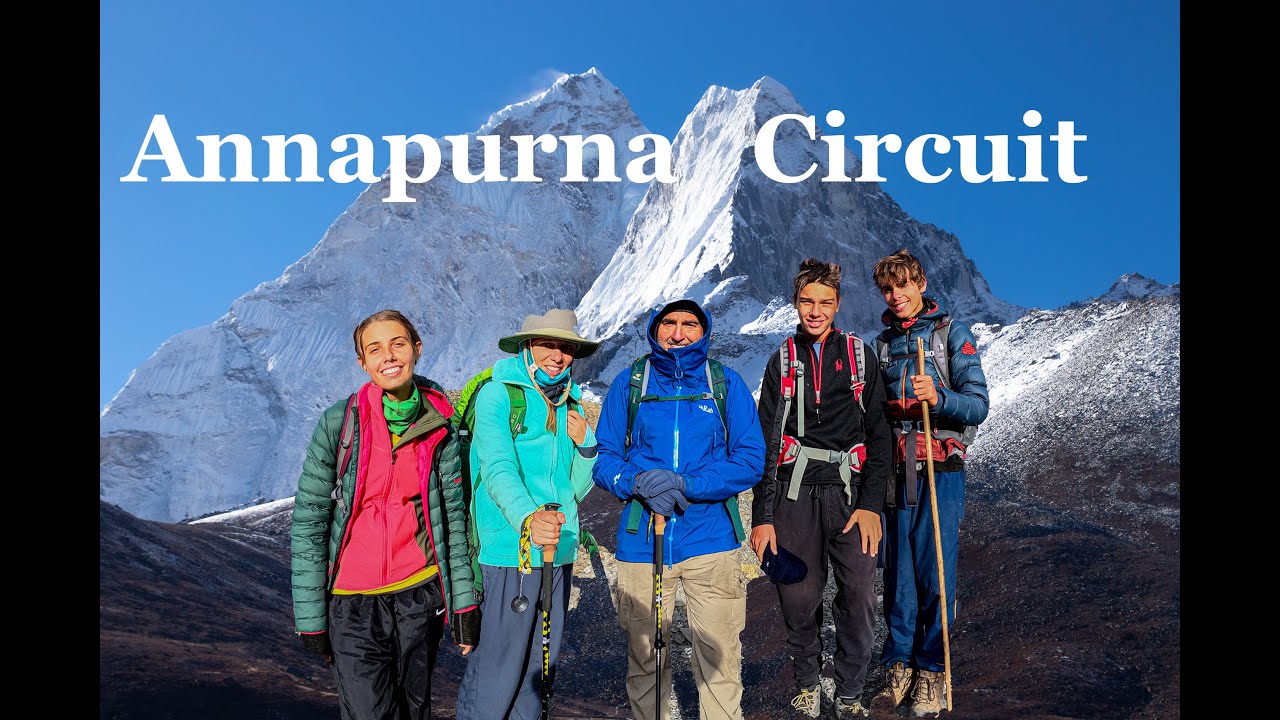
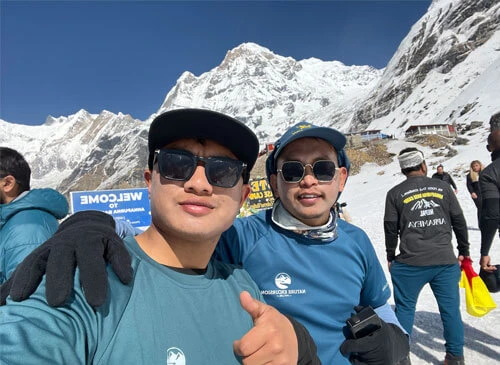
The Annapurna Circuit offers some of the fantastic views of the Himalayas during your trek. As you move from low-level sub-tropical forests to high altitude alpine areas, the views change dramatically. Along your trek, you will see major peaks like Manaslu, Dhaualagiri, Nilgiri, Tilicho Peak, Gangapurna, Hiunchuli, Tukuche, and others. As the landscapes shift along the route, so do the mountains' appearances. Each village offers a unique vantage point, adding visual variety and richness to the trekking experience. For example, Gangapurna’s icefall is visible above Manang, giving it an exceptional view, and Tilicho’s ridgeline is primarily visible from Khangsar Valley.
Cultural encounters also shape the striking views along the Annapurna Circuit Trek. From the ridge far away, you can see Pisang and Manang under glacial terraces, and yak caravans passing by mountain pastures. Braga Monastery has stood on cliffs for hundreds of years, which lends it a sense of timelessness. Crossing Thorong La Pass, the highest elevation of the trek, is like entering a new world. As you descend towards Muktinath, you will see a distinct culture, with Mustang-style houses, shrines, and a historic trade route.
The contrast in views becomes even more pronounced between Muktinath and Tatopani. First, the road passes by Mustang’s stark, grey canyons, past apple orchards in Marpha and Jomsom. Then comes the Kaligandaki Gorge, often referred to as the world’s deepest gorge, between Dhaulagiri and Annapurna. Later during the trek, you will reach iconic Poon Hill, from where the majestic views of Annapurna South, Dhaulagiri, and Nilgiri unfold at dawn in hues of gold and rose, offering one of the trek’s most iconic vistas. Hence, these contrasting landscapes, from deserts to lush valleys, icy passes to warm forests, make the Annapurna Circuit visually dramatic at every turn.
Thorong La Pass & Muktinath Temple
Crossing Thorong La Pass (5416 m) is a serious adventure, and what makes it very dangerous is the combination of wind-scoured slopes, snow-covered trails, and a relentless final ascent that runs up to 1,000 m from Thorong Phedi, along oxygen-deprived terrain. The upper portion of the trail is hazardous due to loose rock that may fall unexpectedly.
In the Spring and early winter, shaded areas often have thin, nearly invisible ice, also known as verglas, which increases the risk of slipping. The steep terrain invites strong winds and sudden whiteouts, reducing visibility to zero and causing confusion, even for experienced pilots. Therefore, you must not attempt to cross Thorong La Pass without a professional local guide. Crossing the highest elevation in the Annapurna Circuit Trek is exhausting and increases anxiety, but reaching it is an accomplishment with the added reward of majestic views.
After crossing the pass, you will begin descending into the barren yet peaceful Lower Mustang, which resembles a lunar landscape. The path leads to Muktinath Temple at 3,760 meters, a revered site for both Hindus and Buddhists. Many Hindus view it as a place for liberation, or moksha. Although not among the 108 Divya Desams in South India, it is considered an essential northern Vishnu shrine. You will see pilgrims washing under 108 icy water spouts, called muktidhara, and walk around the temple with respect. Inside the Jwala Mai Shrine, an eternal flame burns on a spring, fed by underground gas. Buddhists regard this as a sign of the presence of Dakinis and of the unity of the five elements. Muktinath also honors Guru Rinpoche (Padmasambhava), highlighting Nepal’s interfaith harmony.
After descending to Muktinath, one might experience an emotional transformation. The relief of crossing the toughest pass, and the feeling of stillness among the Mustang dry plains unfold. Muktinath is particularly significant during festivals such as Janai Purnima and the Muktikshetra Mela. Typically, the temple is quiet, but at the best times it comes alive with sacred music, local processions, and ritual offerings. For you and other trekkers, these moments not only offer a cultural glimpse but also a chance to connect more deeply with the spiritual traditions of the local people.
Is This Trip Right For You?
If you are a trekker who can handle daily ascents of 400-800 m, climb frequent stone staircases, walk long distances across rough glacial valleys, and cross suspension bridges, the Annapurna Circuit Trek is right for you. The challenge of the Annapurna Circuit Trek isn’t just about walking long distances each day; you need to respect your body’s fatigue and allow ample time to acclimatize. Furthermore, you must have strong knees and good cardio, especially when crossing the Thorong La Pass.
Furthermore, the ACT is for you if you can adapt to high altitudes and harsh conditions. At high-altitude stops such as Manang and Yak Kharka, the nights are freezing, making it hard to sleep. Here, the oxygen level drops significantly, making breathing more difficult. Similarly, you must be comfortable with limited heating and be able to share washing spaces with others. The meals are quite basic due to limited ingredients and are only based on local supplies.
The weather in the Himalayas can change quickly. You might start your day under clear skies in Chame, then encounter strong winds near Pisang or sudden snowfall as you near Thorong High Camp. Physical strength is important for managing temperature fluctuations, dusty trails, and prolonged sun exposure at high altitude. As the trail becomes more remote, simple teahouses serve as your rest stops. Here, you will adapt to varying room temperatures, occasional power outages, and limited Wi-Fi.
In conclusion, the ACT trek is for you if you’ve completed shorter treks and are looking to challenge yourself further. The ACT offers demanding yet achievable progression through longer elevation gains, higher sleep elevations, and sustained multi-day hikes. The Annapurna Circuit hike is an excellent next step if you are seeking a more rigorous Himalayan experience.
Annapurna Circuit Trek Difficulty & Altitude Sickness
The Annapurna Circuit trek is often labeled as moderately challenging. However, this can lead you to underestimate its altitude profile. In reality, the risk of altitude sickness usually begins at 2,800-3,200m, far earlier than your expectations. Upon arriving in Pisang and Manang, the risk of altitude sickness increases slightly as the trail gains elevation steadily. This shows that acclimatization is a core safety requirement of the route, not just a formality.
You need a clear acclimatization plan for safe trekking. The plan should include scheduled rest days in Manang, the practice of climbing high and sleeping low, and a slow, gradual pace. You should also closely monitor how your body responds to changes in altitude. These steps are especially crucial while crossing Thorong La Pass safely.
You must not skip or shorten acclimatization breaks, as this common mistake increases the risk of altitude sickness. You should be aware of and prepared to recognize early signs of Acute Mountain Sickness (AMS), including headaches, loss of appetite, nausea, and fatigue. Ensure contingency plans are in place, such as descending to lower altitudes or seeking medical assistance at aid posts in Manang or Thorong Phedi.
Annapurna Circuit Trek Preparation
A high-altitude trek such as the Annapurna Circuit requires proper preparation, not merely simple exercises. You don’t need to train like a professional athlete; however, maintaining a consistent fitness routine that improves cardiovascular endurance and joint strength is beneficial. Since you will be trekking consecutive days from 2,500 m to 5,416 m, you need to be physically strong and have respectable stamina. To prepare realistically for the terrain, incorporate a simulation method.
You can carry a backpack weighing approximately 5 kg while trekking on local hills, uneven trails, or staircases to simulate the long uphill sections between Chame and Manang, or between Yak Kharka and Thorong Phedi. You must build the habit of walking for 4-5 hours at a stretch once a week, just like in the ACT trails. Improving your stamina is essential. It helps you learn to manage your pace. This skill is crucial when crossing difficult, exposed areas. Keeping a steady rhythm can reduce fatigue and lessen the stress of high altitudes.
The preparation for Circuit trek is not only physical. You must be ready with your equipment and prepare logistically; both are equally important. You can experience side hikes and learn to use trekking poles, or become accustomed to walking on slippery ice paths with crampons. It is also essential to discuss any medical conditions, including lung conditions or any difficulty breathing, with your doctor. Preparing for travel insurance that covers helicopter rescue operations is also vital for you.
The “Manang Morning Freeze Zone”: Why Early Hours Around Braka Stay Colder Than Higher Altitudes
In the early mornings in Braka, a village located just south of Manang at 3,450 m, you will often find it colder than at the higher nearby stops. This location is known as the “Manang Morning Freeze Zone” due to its unique topography. Braka lies in a broad bowl-shaped section of the upper Marsyangdi Valley where cold nocturnal air tends to settle overnight. The surrounding slopes cool rapidly after sunset, and chilled, dense air flows downslope as Katabatic winds. This cold air accumulates around Braka and Manang due to limited air drainage. Hence, it produces colder early-morning temperatures than areas at higher elevations.
The valley's flat terrain allows cold air to settle overnight, especially under clear skies in the Himalayas. With low humidity and few plants, the ground loses heat quickly. This causes temperatures in the valley bottom to drop substantially below those at higher elevations along the trekking trails. The upper trails typically experience warmer morning temperatures because they are more exposed to wind and lack features that trap cold air. This is why you might find frozen water taps and frost on roofs in Braka, while nearby higher camps remain frost-free.
Another key reason Braka has a freezing zone is delayed sunlight exposure resulting from the valley’s topography. Higher ridgelines above the valley, such as Gangapurna Sunlight, or ice lakes, receive direct sunlight much earlier than the Braka Valley floor. Depending on the season and slope orientation, the shadow cast by surrounding rock walls can delay sunlight by up to an hour. As a result, warming in the Braka Valley begins significantly later, thereby extending morning freezing conditions.
Ancient Mani Walls & Grave Sites Hidden Off the Main Path Near Ghyaru and Ngawal
Along the upper trail between Ghyaru and Ngawal, residents and some seasoned guides report that clusters of Mani walls, hundreds of years old, remain hidden from most trekkers. These low stone structures are inscribed with the mantra "Om Mani Padme Hum". They lie slightly downhill along now-abandoned herder trails that once linked seasonal yak pastures, according to residents. Some stones exhibit deep carvings and reddish stains from iron oxides due to prolonged exposure to various elements.
In this part of the valley, the wind has smoothed the stones over many years. Their inscriptions shine clearly in the afternoon light. The locals near Ngawal have identified a few ancient burial sites in terraced fields. These mounds are different from the sky-burial platforms found in the Upper Mustang region. They are found at lower elevations and are constructed of dry stone. Local historians and early studies suggest that these structures were built before Tibetan Buddhism became widespread in the area, likely before the 8th or 9th century CE.
Visiting the hidden places in Manang offers a glimpse into its spiritual history and beautiful views. These sites show how communities, trade routes, and beliefs changed over time, especially as the main trail moved closer to villages. Locals still consider these sites sacred, even if they aren’t well-maintained. We should explore them quietly and avoid touching or climbing on the stones. For travelers interested in both culture and scenery, these lesser-known spots make the walk between Ghyaru and Ngawal more meaningful.
Weather Variation of the Annapurna Circuit Trek
The Annapurna Circuit takes you to some of Nepal’s most diverse climatic zones. From subtropical river valleys to the dry rain shadow of Mustang to the icy glaciers of Thorong La Pass at over 5,400m. So let’s take a look at Annapurna Circuit Trek weather variations, in reference to different altitudes and different seasons.
Low Altitudes (Besisahar to Chame)
- Winter (Dec–Feb): 41°F to 23°F (5°C to -5°C)
- Spring (Mar–May): 68°F to 41°F (20°C to 5°C)
- Autumn (Sept–Nov): 64°F to 37°F (18°C to 3°C)
Mid Altitudes (Upper Pisang to Manang)
- Winter (Dec–Feb): 23°F to 5°F (-5°C to -15°C)
- Spring (Mar–May): 50°F to 32°F (10°C to 0°C)
- Autumn (Sept–Nov): 50°F to 28°F (10°C to -2°C)
High Altitudes (Yak Kharka to Thorong La Pass)
- Winter (Dec–Feb): 14°F to -4°F (-10°C to -20°C)
- Spring (Mar–May): 23°F to 14°F (-5°C to -10°C)
- Autumn (Sept–Nov): 23°F to 5°F (-5°C to -15°C)
Best Season for the Annapurna Circuit Trek
Undoubtedly, the best time to do the Annapurna Circuit Trek is Spring (March to May) and Autumn (September to November). These seasons have the safest weather and the best chance of crossing Thorong La Pass (5,416 m) without problems.
Spring (March to May):
Spring has mild temperatures and stable weather, which is great for high-altitude trekking. Snow starts to melt, making the trails safer and easier to walk. Lower hills are covered with red and pink rhododendron flowers, Nepal’s national flower. Mornings are usually clear, so you get great views of Annapurna and Dhaulagiri. The trail feels lively, with fresh greenery and wildlife becoming active again.
Autumn (September to November):
Autumn is the most popular trekking season in Nepal. After the monsoon ends, the air becomes very clear, giving the sharpest mountain views of the year. The weather is dry and stable, which is important for crossing high passes like Thorong La. Days are sunny and comfortable for walking, while mornings and nights are cool and fresh. This season offers the best balance of safety, views, and trail conditions.
Meals and Accommodation during the Annapurna Circuit trek
The meal options are pretty decent along the Annapurna Circuit trail. Western, Nepali, Indian, and Tibetan dishes are available on the menu. Dal bhat is the trekker's meal; however, there are also options such as burgers, noodles, pasta, and sandwiches. Other dishes, like momo, curries, roti, soups, porridge, thukpa, and thukpa, are also available. For dessert, you can usually get rice pudding or apple pie. The breakfast menu includes cheese, honey, Tibetan bread or chapati, oatmeal, cornflakes, eggs, pancakes, muesli, French toast with jam, and other items.
Along the Annapurna Circuit, we will stay in teahouses, which are simple mountain lodges that provide the essentials: a roof, a bed, and a hot meal. These are not hotels, and expecting hotel-like comfort can lead to disappointment. Rooms are typically small and shared between two people, though single rooms are occasionally available.
Facilities vary with altitude and season; lower-elevation teahouses may offer private bathrooms or slightly better amenities, whereas higher up, at places like Yak Kharka or Thorong Phedi, you’ll find only the bare minimum. Blankets are provided, but they’re often not enough on freezing nights, especially at altitude, so bringing a proper sleeping bag is strongly advised. Washrooms may be shared, and heating is generally limited to the dining room, where most you gather in the evenings to warm up and socialize before heading to their cold rooms for the night.
Is a Last-minute booking possible for the Annapurna Circuit Trek?
If you're considering a last-minute booking for the Annapurna Circuit trek, we’re here to help you make that happen. However, there are a few essential details to keep in mind:
- Basic Information Required: To confirm your trip, we will request essential details about you, including your experience level and health status, to ensure you're fit for the trek.
- Payment: You'll need to pay the full package cost upfront. This policy ensures we can secure your spot and make the necessary arrangements promptly.
- Arrival in Kathmandu: You must arrive in Kathmandu at least one day before the trek starts. This provides sufficient time to prepare, attend a briefing, and finalize any last-minute details.
- No Refund Policy: Please note that there are no refunds for last-minute bookings. This policy is in place due to the nature of the arrangements and commitments made on your behalf.
Things you should know about our Annapurna Circuit trek 14-day package
Airport Pickup/Drop: Our team will be at the airport upon arrival to meet you and escort you to the hotel. Likewise, on your departure day, they'll drop you off at the airport as per your flight time. This is a complimentary service; you do not have to pay, but tips are encouraged.
Charging: There is no issue with charging in Kathmandu and Pokhara. Along the trail, you will get charging services in all the villages. It may be a paid service, so carry some Nepali cash. For backup, carry spare batteries or a power bank.
Communication/Internet: Internet access is adequate along the Annapurna Circuit Trail. Many villages offer paid Wi-Fi access, and you can also use a tourist-oriented Nepali SIM card. The network is decent, too, in most parts of the trail.
Luggage: You will use a duffel bag during the trek. You can store any items in the storage room we provide. During trekking, each trekker has a 10 kg weight limit for a duffel bag and a 5 kg weight limit for a daypack.
Tip: In addition to other industries, tipping culture is prevalent in Nepal's travel and tourism sector. Our Annapurna circuit trek cost does not include tips for guides, porters, and drivers. You can tip them as you wish. Usually, each trekker tips 10% of the trip cost to the mountain guide & porter, USD 5 to the tour guide, and USD 2 to the driver.
Travel Insurance: We need travel insurance for the Annapurna Circuit trek for safety purposes. It is a remote trek with potential risks of altitude sickness, injuries, adverse weather, and other hazards. In an emergency, we may have to use air evacuation, and travel insurance is the only way to ensure a prompt response from the rescue team. Ensure your travel insurance covers emergency air evacuation.
ATMs: There are no ATMs on the Annapurna Circuit trail. Withdraw enough money to use for personal expenses during the trek in Kathmandu. You cannot use foreign currency or ATM cards along the trail.
How safe is the Annapurna Circuit Trek with us?
You will be trekking with an expert and reliable team. Our guides are trained to lead groups in the Himalayas and have numerous years of experience. Likewise, our trekking leaders have extensive training in Wilderness First Aid, Mountain Climbing, Wilderness Survival, and other areas.
Furthermore, our team makes regular trips here and has strong relationships with locals, which makes our trek even safer. They are highly knowledgeable, strong, and have excellent navigation skills, which make them ideal trekking partners. Likewise, our porters will carry heavy luggage so you can trek safely and freely.