Can Senior Citizens Successfully Complete the Trek?
Yes, absolutely. It is possible for senior citizens to do the Everest Base Camp Trek. To be real, age alone does not decide whether you can reach Base Camp. What matters more is how fit you are, how well you prepare, and how smartly the trek is planned. While the trek is at high altitude and takes many days, seniors do much better when the plan includes a slower pace, shorter walking days, and enough time to rest and adjust to the altitude.
Often, a fit older person does better than a young one who is not ready, mainly because they prepare seriously and don’t rush. Seniors who reach EBC are usually in their 60s or 70s. Many in this age group complete it each year using longer plans with slower walks and extra rest days. Even though it’s rare, a few trekkers in their 80s have also reached Everest Base Camp with good lifelong fitness habits, medical approval, and experienced guides. In October 2025, 82-year-old Dave McClung from Kansas became the oldest known person to complete the trek, hiking with his son over eight days. Other seniors in their late 60s or 70s from various countries have succeeded with extended plans that incorporate slow climbs and appropriate height adjustments. These cases prove that with effort, guides, and proper training, older people can reach the base of Everest.
How Senior Citizens Can Prepare for the Trek
Proper preparation is the key to a safe and enjoyable Everest Base Camp experience for senior citizens. Training should ideally begin 5 to 6 months before the trek, focusing on light aerobic activities such as walking, jogging, or cycling to build cardiovascular endurance. Strengthening the legs through exercises like squats and lunges helps improve balance and stability on uneven trails. Regular hikes, especially on gentle inclines, are also highly beneficial.
Mental preparation is just as important as physical readiness. Yoga and stretching improve flexibility and joint mobility, while meditation helps maintain calm and focus throughout the journey. Seniors should consult their doctor before the trek, especially if they are taking medications or managing existing health conditions. Even those in good health are encouraged to undergo a full medical checkup. With consistent preparation, a positive mindset, and proper guidance, senior citizens can confidently take on the Everest Base Camp Trek and enjoy it to the fullest.
How do Senior Citizens Cope With Altitude?
Senior citizens can acclimate to altitude by preparing well in advance. They must ascend gradually and carefully listen to their bodies. With appropriate pacing, medical guidance, and lifestyle adjustments, most healthy older adults can safely adapt to higher elevations and enjoy trekking or travel in the mountains. Let's look more at how senior citizens can cope with altitude:
- Gradual ascend and acclimatization: Your body needs adequate rest, so acclimatization is essential. Additionally, you should walk slowly to avoid physical strain. Be prepared for some difficult situations, both mentally and physically. Do not ascend more than 500 to 700 m in a day while you are trekking at high altitude.
- Stay hydrated: Staying hydrated can help you avoid altitude sickness. You need to walk for a few hours a day and will sweat, so drink plenty of water to stay hydrated. Garlic soup is a game-changer, so have it even if you are okay with avoiding altitude sickness.
- Listen to your body: It is necessary to listen to your body; if you feel any signs of altitude sickness, like fatigue more than on other days, headache, nausea, vomiting, etc., then tell your friend or guide so that they can help you minimize altitude sickness. If necessary, you should descend to avoid this.
- Consult with the Doctor: You should consult your doctor even if you are not taking any medications, and it is advisable to carry a few medicines you may need during the trek, such as for digestive issues, headaches, and altitude sickness.
Senior-Friendly Places during the Trek
The Everest Base Camp journey offers a life-changing experience, with its beauty, historical significance, and unique cultural experiences. Many appealing places along the Everest trek may leave you speechless; let’s briefly discuss them.
Namche Bazaar
Namche Bazaar is the gateway to Everest Base Camp and is a vibrant, well-known tourist hub during this trek. It is a lively, bustling city at an altitude of 3,440 m and a main stop for trekkers. This town offers excellent facilities, including shops, pubs, restaurants, and a Saturday market. You can find an Irish Pub and other pubs there, and fancy coffee shops. It is an ideal place to acclimatize, and it also has a hospital for acute mountain sickness (altitude sickness).
Everest View Hotel and Khumjung Village
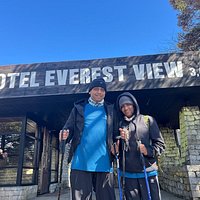
Everest View Hotel is located at an elevation of 3,880 m and offers mesmerizing views of the Ama Dablam, Lhotse, and Everest mountain ranges. You can grab a cup of hot coffee, hot chocolate, or any hot drink and enjoy the beautiful views with every sip. You can also hike to Khumjung Village, known for its ancient monastery that houses a Yeti scalp. It is undoubtedly a great place to experience Sherpa culture and adjust to higher altitudes.
Nagarjuna Hill
Nagarjuna Hill is the day hike during the acclimatization day at Dingboche. It is located at an elevation of 5,100 m above sea level, offering captivating views of Mount Ama Dablam, the first glimpse of Mount Makalu, Lobuche Peak, Taboche Peak, and many other snowy peaks. Some trekkers go halfway up there, while others reach the top of this hill to enjoy the scenery.
Kala Patthar
Kala Patthar, at 5,545 m, is the most famous and final trekking point on this route, reached after about 3 hours from Gorak Shep. You can also visit Everest Base Camp, return to Gorak Shep, and hike up to Kala Patthar. This place is famous for sunrises and sunsets, with golden-colored Mount Everest, which you can see from the nearest point. You can get the closest view of Everest and many more snowy mountains without climbing them.
Why Should Senior Citizens Choose a Licensed Trekking Agency for the Everest Trek?
It’s essential for everyone, especially senior citizens, to choose a licensed trekking agency when trekking in Nepal. A good agency will offer support and care throughout your journey, treating you like family. Your safety is their priority. They will assign experienced guides who understand your needs and provide help as needed. They also provide porters to carry heavy bags, so you can hike without the extra weight.
If you book early during peak season, you will find accommodations that are friendly for seniors. You won’t need to worry about permits either; the agency will handle all the necessary paperwork for you. Licensed trekking agencies also ensure that you have emergency support and insurance coverage. If you experience altitude sickness or other health issues, they can quickly arrange for evacuation or medical help through trusted partners. This level of care helps senior trekkers enjoy the beautiful views of the Himalayas without concerns about safety or logistics.
Why Senior Citizens Need Comprehensive Travel Insurance for the Trek?
Travel insurance is essential for senior citizens when trekking to Everest Base Camp. Ensure your travel insurance covers high-altitude trekking. Your travel insurance should cover the following things:
- Ensure your insurance covers the altitude up to Everest Base Camp at 5,600 m.
- If you suffer an injury or altitude sickness, insurance helps cover the cost of an emergency helicopter evacuation, which can be expensive to pay for yourself.
- Ensure your insurance covers your medical expenses when needed.
- Insurance helps if your trip is postponed or canceled.
Weather Variation During Everest Base Camp Trek for Senior Citizens
Low Altitudes (Lukla to Namche Bazaar):
- Winter (Dec-Feb): 24°F to 19°F
- Summer (Mar-May): 45°F to 34°F
- Autumn (Sept-Nov): 50°F to 40°F
- Spring (Mar–May): 45°F to 35°F
Mid Altitudes (Dingboche to Lobuche):
- Winter (Dec-Feb): 5°F to 24°F
- Summer (Mar-May): 40°F to 33°F
- Autumn (Sept-Nov): 50°F to 32°F
- Spring (Mar–May): 40°F to 28°F
High Altitudes (Gorak Shep to Everest Base Camp):
- Winter (Dec-Feb): -5°F to 15°F
- Summer (Mar-May): 15°F to 25°F
- Autumn (Sept-Nov): 15°F to 5°F
- Spring (Mar–May): 25°F to 15°F
Best Season for Trek
The Everest Base Camp (EBC) trek is a great adventure for seniors when they prepare properly. A slower-paced itinerary, extra days to adjust to the altitude, and guidance from professionals can help. The best times to go are Spring (March to May) and Autumn (September to November). During these seasons, the weather is stable, visibility is clear, and the trails are safer than in the monsoon or winter.
Spring (March to May): Spring offers milder daytime temperatures at lower altitudes, longer daylight hours, and blooming rhododendrons. It's a great season for seniors because of the warmer conditions, clear visibility of Himalayan views, and a lively atmosphere among climbers, though trails can be moderately busy.
Autumn (September to November): Autumn offers stable weather, clear skies for great mountain views, and dry trails after the monsoon, with daytime temperatures of 5-15°C and colder nights. It's often recommended for seniors due to its reliability, fewer weather disruptions, and cultural festivals, though it can be crowded in peak months like October.
What are Some of the Tips for the Everest Base Camp Trek for Senior citizens?
There are certain things that you need to keep in mind while you are going for the Everest Base Camp Trek for 18 days. We are providing you with tips to help you minimize difficulties throughout your trek. The few points that senior citizens need to know before trekking are as follows:
- Make sure you prepare mentally and physically at least 4 to 6 months before your trek.
- Charging electronic devices (phones, cameras) in remote areas above Namche costs around Rs 500 per mobile and Rs 1000 or more for larger devices. Due to reliance on solar power, availability may be limited.
- Carrying a power bank is highly recommended, as charging devices can be challenging, especially in adverse weather.
- Bring extra Nepali cash, as ATMs are only available in Namche Bazaar and can be unreliable. Nepali cash is needed for additional food, personal expenses, or services not included in the budget package.
- Wi-Fi is available throughout the trek, but higher-elevation areas may charge a fee for internet access.
- Laundry services are available at teahouses, with an additional charge for washing clothes.
- For the Lukla flight, the luggage limit is 10 kg for checked baggage and 5 kg for hand carry. Extra charges apply for overweight luggage.
- Tipping guides and porters is customary to show appreciation for their hard work, reflects mountain culture, and supports local workers.




.webp)
.webp)