Annapurna Circuit Budget Trek Weather Variations
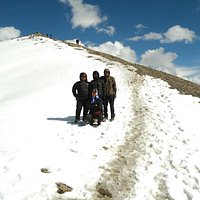
The Annapurna Circuit Budget allows you to experience a range of climates in Nepal. You'll go from subtropical river valleys to the dry Mustang region and icy glaciers at Thorong La Pass, which is over 5,400 meters high. Let’s explore how the weather varies along the trek depending on altitude and season.
Low Altitudes (Besisahar to Chame)
- Winter (Dec–Feb): 41°F to 23°F (5°C to -5°C)
- Spring (Mar–May): 68°F to 41°F (20°C to 5°C)
- Summer (Jun-Aug): 77°F to 59°F (25°C to 15°C)
- Autumn (Sept–Nov): 64°F to 37°F (18°C to 3°C)
Mid Altitudes (Upper Pisang to Manang)
- Winter (Dec–Feb): 23°F to 5°F (-5°C to -15°C)
- Spring (Mar–May): 50°F to 32°F (10°C to 0°C)
- Summer (Jun-Aug): 59°F to 41°F (15°C to 5°C)
- Autumn (Sept–Nov): 50°F to 28°F (10°C to -2°C)
High Altitudes (Yak Kharka to Thorong La Pass)
- Winter (Dec–Feb): 14°F to -4°F (-10°C to -20°C)
- Spring (Mar–May): 23°F to 14°F (-5°C to -10°C)
- Summer (Jun-Aug): 32°F to 23°F (0°C to -5°C)
- Autumn (Sept–Nov): 23°F to 5°F (-5°C to -15°C)
Best Season for Annapurna Circuit Budget Trek
Spring (March–May):
Spring is one of the most epic times for trekking in Nepal, including the Annapurna Circuit Trek. The temperature becomes pleasant, ranging from 0 to 14 degrees Celsius. The lower parts of the Annapurna Circuit will be warmer, but the elevation gains will make it gradually colder. The environment’s moderate climate and humidity during this time make the surroundings clean and green, and it is also the perfect time to encounter rhododendron blooms and vibrant green hills.
Autumn (September–November)
Trekking to the Annapurna Circuit during this time is a fantastic choice. Autumn, specifically September, October, and November, is the best time for trekkers to trek in Nepal, offering fantastic, clear skies and favorable weather. Trekking the Annapurna Circuit during this period will be memorable and remarkable for the dramatic landscape, clear blue skies, towering waterfalls, and exceptional views of snow-capped mountains, along with the warm hospitality and cultures of the local communities.
Accommodation and Meals During the Annapurna Circuit Budget Trek
During the Annapurna Circuit Budget trek, you will stay in local teahouses that offer a simple yet cozy atmosphere. These lodges are small, family-run stone-and-wood buildings. Your room will typically have two single wooden beds with mattresses, pillows, and blankets. The walls are often thin, so you can hear sounds from other rooms. Since there is no heating in the bedrooms, we suggest using a warm sleeping bag to stay comfortable on cold mountain nights.
The heart of every lodge is the communal dining hall. We gather here in the evening to stay warm around a central wood or yak-dung stove. This is the only heated part of the building where you can meet other trekkers and share stories. Most budget teahouses have shared bathrooms located outside the room or at the end of the hall. You will mostly find squat toilets, though some lower villages have Western-style seats.
During the budget trek, you will focus on hearty, high-energy meals to keep you moving on the trail. The most popular meal is Dal Bhat, which includes steamed rice, lentil soup, vegetable curry, and pickles. This dish is perfect for a budget because it often comes with free refills of rice and lentils. Keep in mind you will have the option to eat as much Dal Bhat as you want during lunch or dinner time, so that you won’t feel hungry all the time. For breakfast, you can choose from eggs, porridge, pancakes, or Tibetan bread. These meals give you the fuel you need for the long climbs ahead.
The meal menus also include a variety; however, we have to be careful not to overspend on expensive cuisines. You can find fried noodles, pasta, momos, and even basic pizza in many villages. As we go higher in altitude, the menu prices increase because porters or mules must carry all the supplies up the mountain. We suggest you drink plenty of garlic soup to help with acclimatization. To save money, bring your own snacks, like chocolate and nuts, from Kathmandu or Pokhara.
Budget Breakdown for the Trek
When you book the Annapurna Circuit Budget Trek with us, our package covers the most vital costs of your journey. We handle your ground transportation from Kathmandu to the trailhead and the return from Muktinath to Pokhara. Your safety is our top priority, so we include all required permits, such as the Annapurna Conservation Area Permit (ACAP) and, if required, the Trekkers Information Management System (TIMS) card. We also provide a native, licensed guide and a porter to carry your heavy gear. Your package price includes ten days of trekking meals and nine nights of lodging in local teahouses.
While we cover your main needs, you should budget for personal extras along the trail. Teahouses often charge small fees for services that are hard to maintain at high altitudes. You can expect to pay between USD 2 and USD 5 for a hot shower or to charge your camera batteries. If you want to use Wi-Fi to message home, it usually costs about USD 3 per session. We provide water purification tablets, but if you choose to buy bottled water or soft drinks, these can cost between USD 2 and USD 5 each as you climb higher toward Thorong La Pass.
Your final budget should also account for costs before and after the mountain portion of your trip. We include a farewell dinner and a night in Pokhara, but you will need to cover your stay and meals in Kathmandu. You should also set aside funds for your Nepal entry visa and travel insurance, which must include emergency helicopter rescue. Finally, although it is not mandatory, it is customary in Nepal to tip your guide and porter at the end of the trek to show your thanks for their hard work. We suggest a total tip of about 10% to 15% of your trek cost to be shared among the staff.
Luxury vs Budget Annapurna Circuit Trek: What’s the Real Difference?
The Annapurna Circuit is a legendary route that transitions from lush sub-tropical forests to the high-altitude desert of the Tibetan plateau. While the path remains the same, the way you experience it depends on your choice between a budget or a luxury approach. A budget trek focuses on the raw mountain experience. You will stay in traditional teahouses with basic wooden rooms and shared bathrooms. A luxury trek prioritizes comfort and recovery.
| Feature | Budget Trek | Luxury Trek |
| Accommodation | Basic teahouses (shared bathrooms) | Premium lodges / Boutique hotels |
| Transport | Local public buses and shared jeeps | Private 4WD Jeeps and domestic flights |
| Meals | Standard teahouse menu (Dal Bhat, Pasta) | Choice of dishes and upgraded protein |
| Support Staff | 1 Porter for 2 trekkers | 1 Porter per trekker + Senior Guide |
| Shower/WiFi | Extra fee (USD 3 to USD 5) | Included in package |
| Package Price | USD 900 to USD 1,200 | USD 2,500 to USD 4,000 |
Where to Spend Less and Where Not to Cut Costs on the Annapurna Circuit Budget Trek
To keep your costs low on the Annapurna Circuit, you should focus on your daily habits and how you move between villages. Most trekkers overspend on bottled water and snacks. You can save a lot of money by using water purification tablets or a filter instead of buying plastic bottles. Buying snacks like chocolate or nuts in Kathmandu or Pokhara is much cheaper than buying them at high altitudes. You can also save by walking certain sections of the lower trail rather than hiring private jeeps, as public transport is always more affordable for those on a tight budget.
While saving is great, you should never cut costs on safety or basic health. We recommend avoiding skipping a quality sleeping bag or warm layers. Renting cheap, thin gear might save a few dollars, but it can lead to illness or a failed trek if temperatures drop at night. You should also pay the full price for a registered guide or porter. Local experts understand the weather and trail changes better than any app. Their help is vital if you get altitude sickness or if the path becomes blocked by snow.
Your food choices are another area where balance is key. It is tempting to order Western meals like pizza or pasta, but these are often expensive and less fresh. We suggest eating Dal Bhat, which is the local staple. It is usually the most affordable meal on the menu and comes with free refills to keep you full for the hike. However, do not try to save money by skipping meals or eating less than you need. Your body requires a significant number of calories to handle the thin air and long walking days. Spending a bit more on a hot, nutritious dinner is a smart investment in your success.