Do you need a guide for the Manaslu Circuit Trek? Can I trek alone?
Yes, hiring a guide is mandatory for the Manaslu Circuit Trek because it passes through a restricted area in Nepal. For all restricted-area treks in Nepal, the government requires that a registered guide accompany all trekkers. Furthermore, they must travel in a group of at least two people, excluding the guide, to obtain a permit for a restricted area. If you’re debating whether to trek solo or hire a guide, the topic becomes crucial. You can’t solo trek the Manaslu circuit trek, and you also can’t get permits yourself; in fact, you need an authorized local trekking agency to issue your permit. This rule is in place in Nepal to support responsible tourism and ensure trekkers' safety in remote trekking conditions.
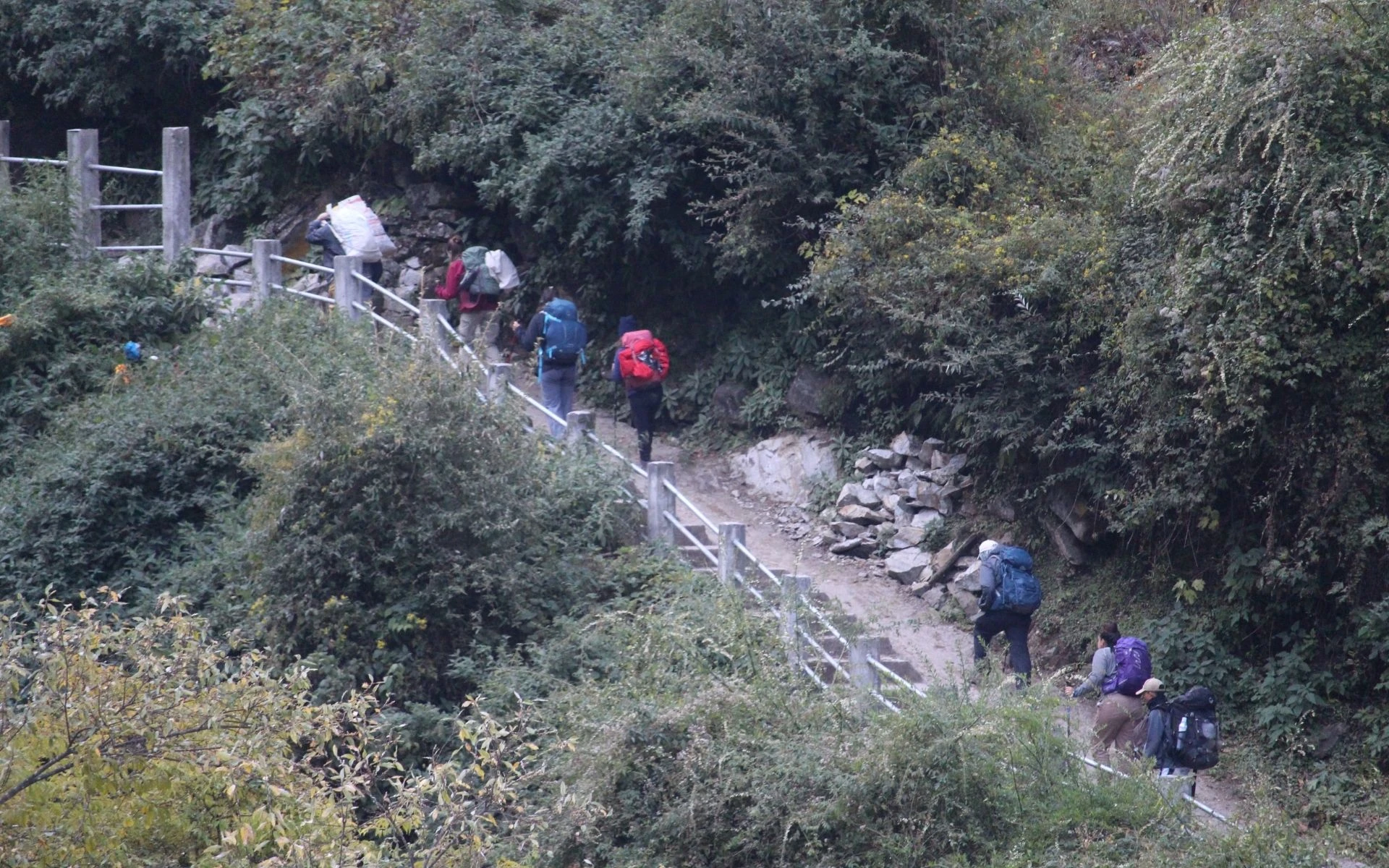
Beyond the rules and legalities, having a guide for such an arduous trek enhances your experience. The Manaslu Circuit trail is comparatively less developed than the Everest or Annapurna regions. Due to limited infrastructure and fewer signposts, it is easier to get lost in this remote region. Hence, a knowledgeable guide not only ensures your safety but also helps you navigate from one teahouse to another. You can face many challenges in these conditions, such as changing weather, rugged terrain, and a language barrier. Travelling with a local guide helps minimize these challenges and supports the local economy.
Manaslu Circuit Trek Weather Variation
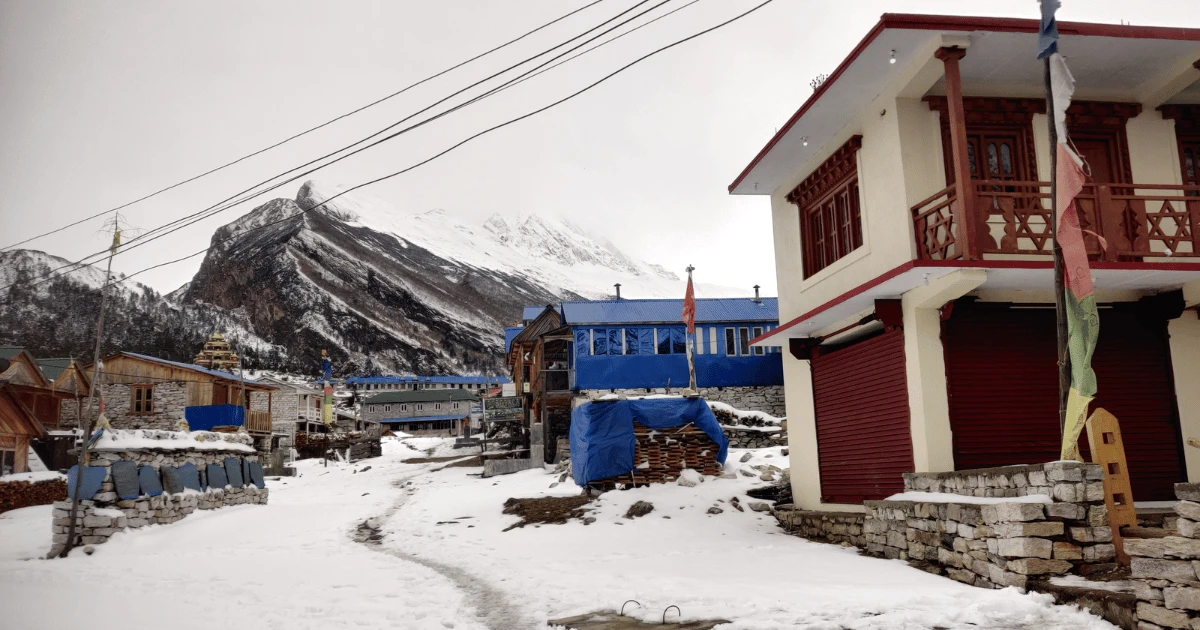
The weather on the Manaslu Circuit Trek varies significantly with season and altitude. The lower areas have mild temperatures year-round, while the high-altitude region near Larkya La Pass is extremely cold and dynamic. Also, the best trekking season has mild, predictable weather, whereas during the monsoon and winter, weather and temperatures fluctuate, posing a substantial challenge for trekkers.
Low Altitudes (Soti Khola / Machhakhola to Namrung
- Winter (Dec–Feb): 32°F to 50°F (0°C to ~10°C)
- Summer(Mar–May): 59°F to 77°F (15°C to 25°C)
- Autumn (Sept–Nov): 50°F to 77°F (10°C to 25°C)
Mid Altitudes (Namrung / Lho to Samdo)
- Winter (Dec–Feb): 14°F to 41°F (–10°C to 5°C)
- Summer (Mar–May): 41°F to 59°F (5°C to 15°C)
- Autumn (Sept–Nov): 41°F to ~59°F (5°C to 15°C)
High Altitudes (Dharamsala to Larkya La & Surroundings)
- Winter (Dec–Feb): –4°F to ~23°F (–20°C to –5°C)
- Summer (Mar–May): 14°F to ~32°F (–10°C to 0°C)
- Autumn (Sept–Nov): 14°F to 41°F (–10°C to 5°C)
Which Season Is Ideal for the Manaslu Circuit Trek
Like most of the Nepal Himalayas, the best seasons for the Manaslu Circuit Trek are Autumn and Spring.
Autumn (September to November):
Autumn is the best time to trek the Manaslu Circuit. The weather is stable, and the mountain views are very clear. Early September may still have some clouds or light rain, but by mid-September, the skies clear, and the landscape is green and lush. October is the most popular month. During this month, the air is crisp, visibility is excellent, and daytime temperatures are moderate. November is still dry and clear, but nights get much colder, especially in high settlements like Samdo and Dharamsala.
Spring (March to May):
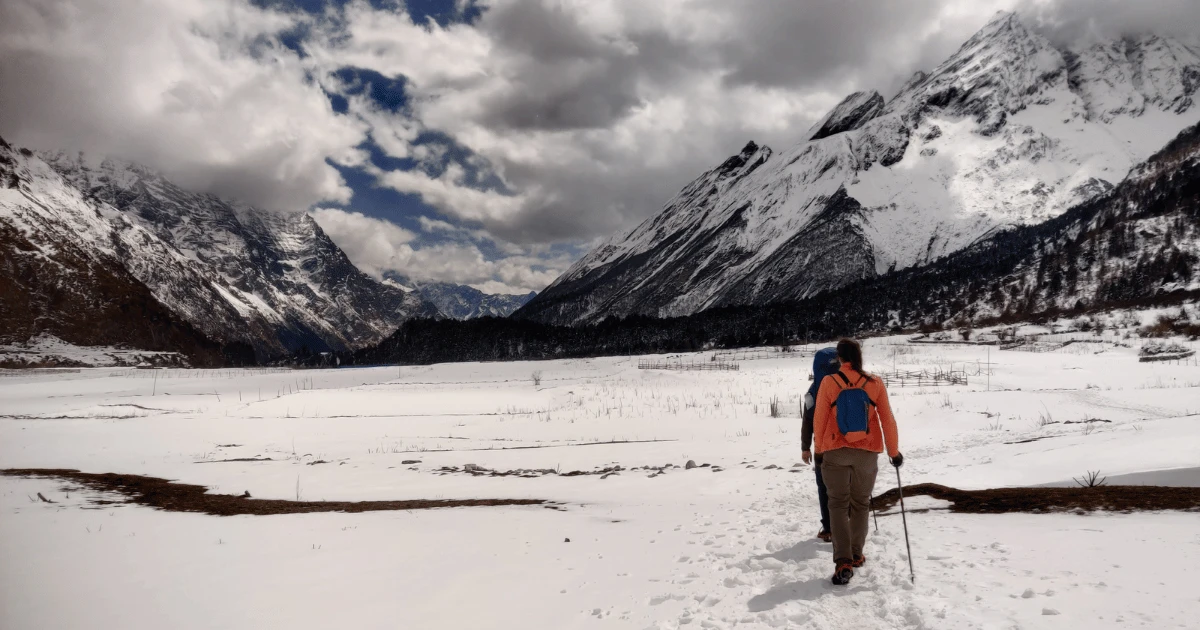
Spring is the second-best season for trekking. Snow starts melting in March, and the trails open up. It can still be cold, but the trails are quieter than in autumn. In April, the lower trail sections near Deng and Lho are full of blooming rhododendron forests. By May, temperatures are warmer, making the high passes more comfortable, though visibility can sometimes be a little hazy from dust.
Behind the Monasteries: Secret Viewpoints Only Locals Use
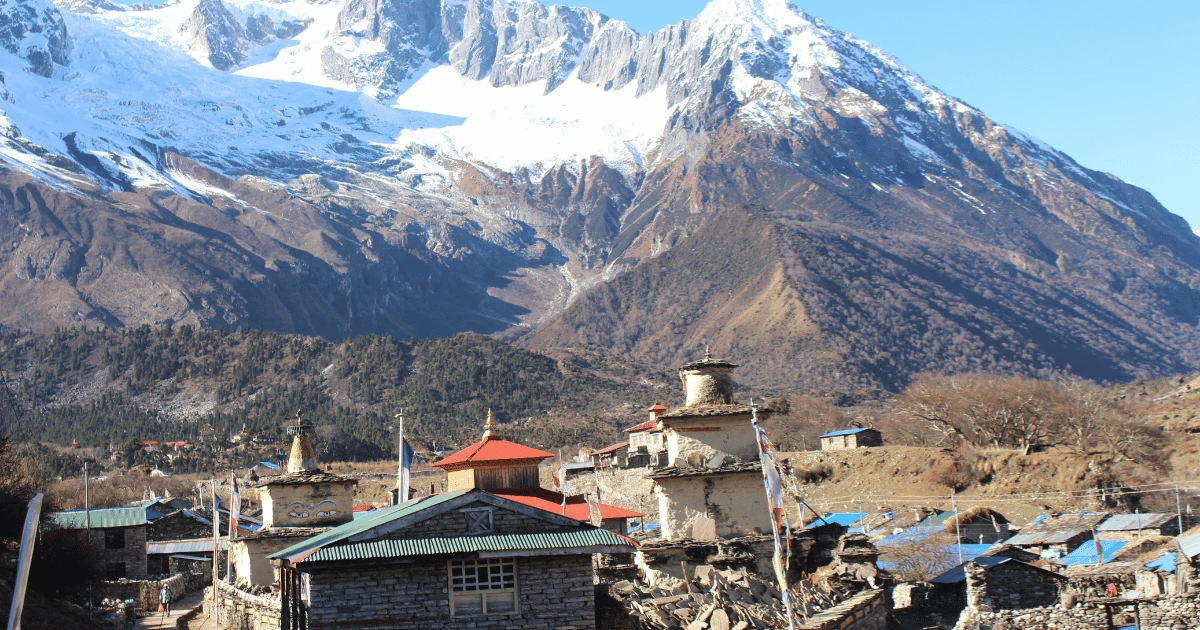
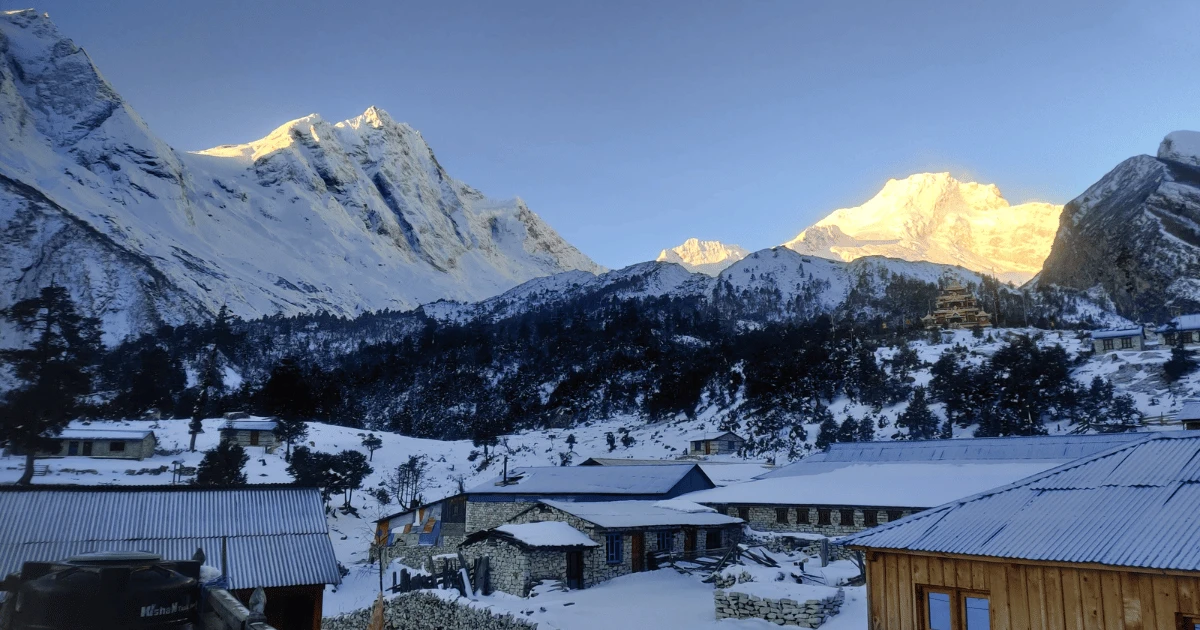
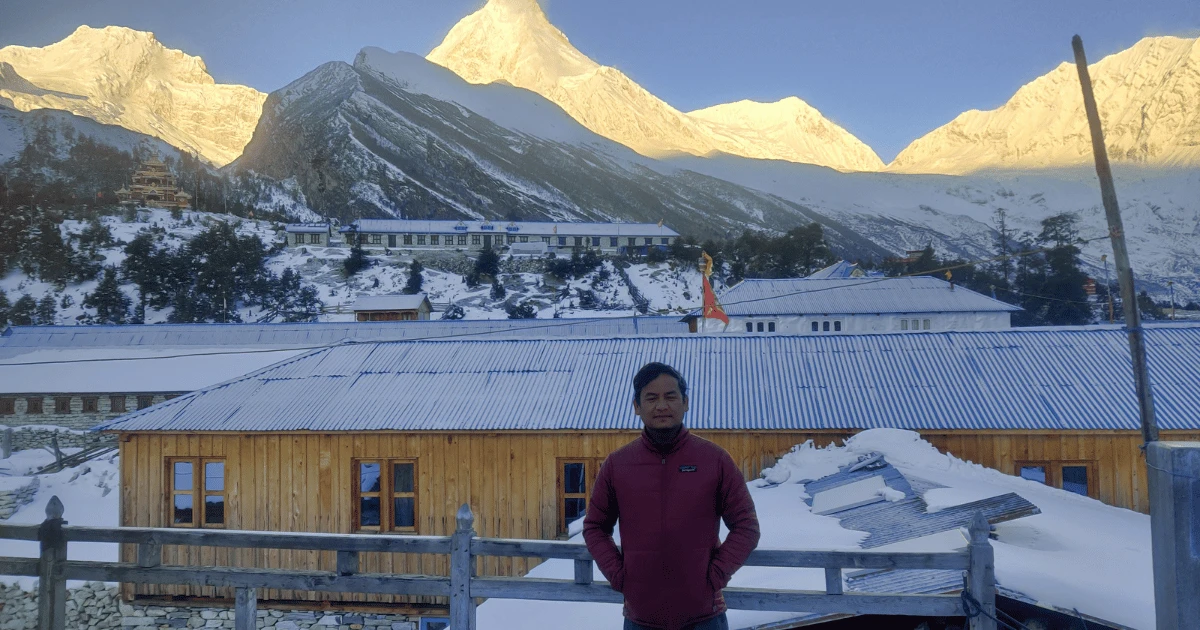
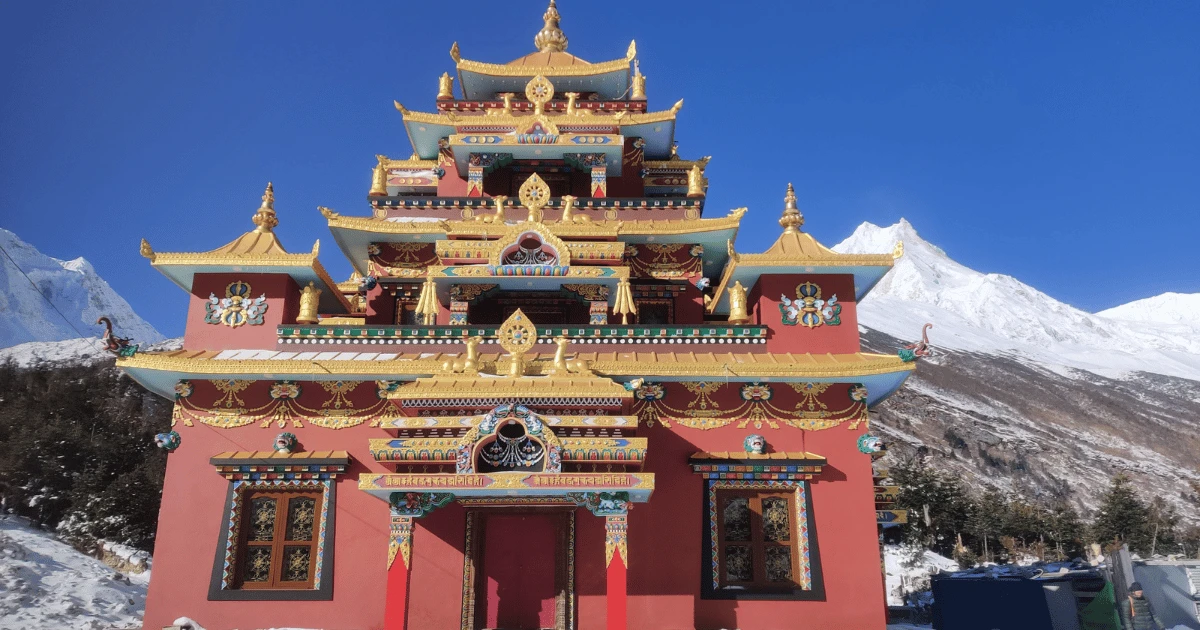
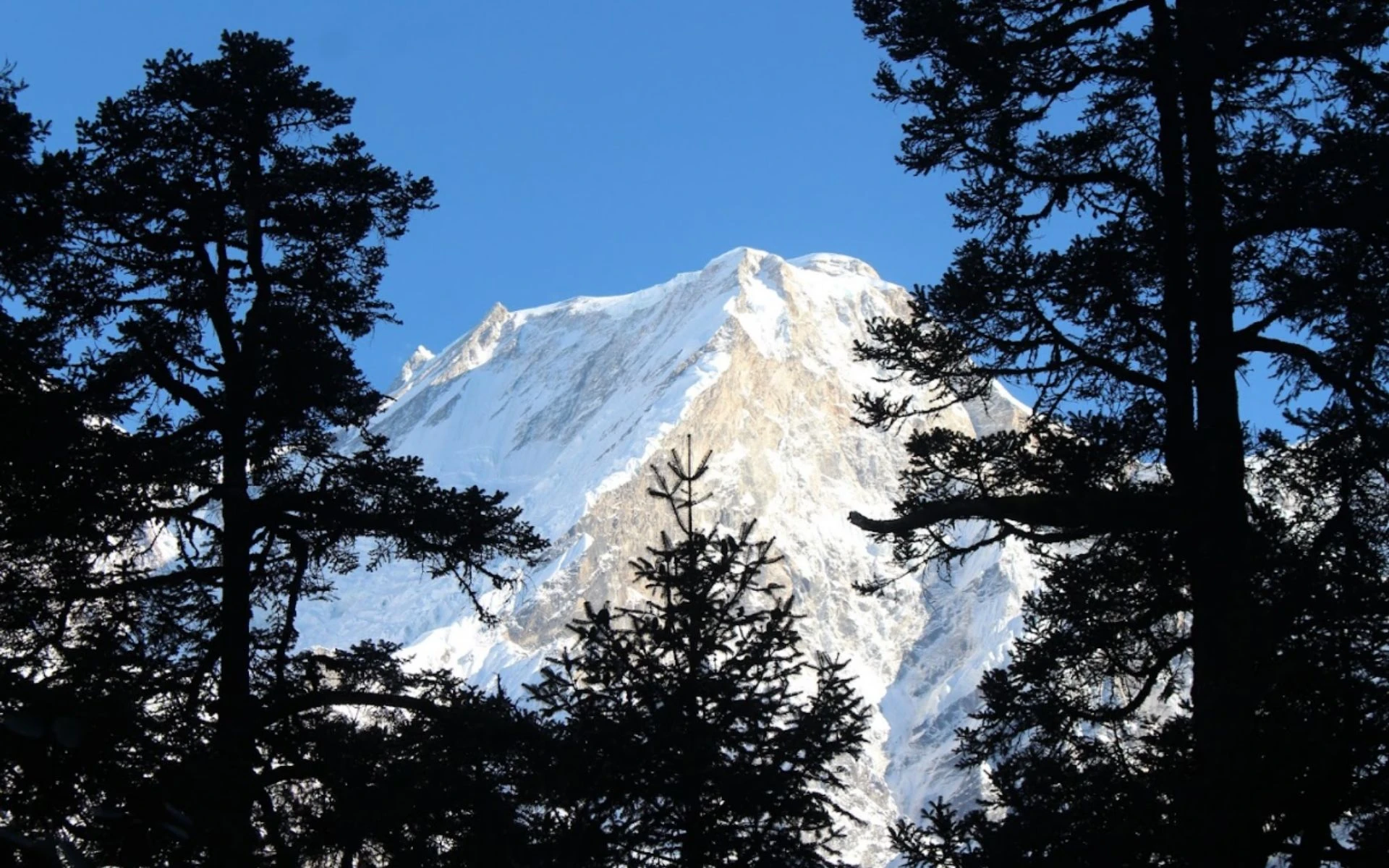
Just behind the more frequently traversed trails near the Lo Ribung and Samagaun Monasteries are hidden ridgelines that locals often visit. From these ridgelines, you will be able to see one of the majestic and uninterrupted views of Mount Manaslu. These hidden spots are just above the main monastery areas. You can reach them by narrow trails that go through forests or fields. Unlike the crowded viewpoints along the main route, these ridgelines are unknown primarily to hikers. Early morning views are extremely beautiful. The opinions of golden light shining on the snow of Manaslu, Birendra Lake in the distance, and prayer on the Samdo ridge are serene.
This is where the peaceful feeling of the monasteries blends perfectly with the stunning beauty of the Himalayas, away from the crowds. These viewpoints are ideal places for local herders, schoolchildren, and monks to stop, soak in the moment of quiet, and drink tea. Locals here don’t take selfies or use their social media; instead, they talk and tell each other stories. You can see a fantastic view of the surrounding Manaslu region, speak with locals, and even share your story. This viewpoint is quite rare for newcomers, so having an experienced guide also helps you locate these hidden gems.
Buddhist Festival Timings That Can Transform the Manaslu Circuit Trek Experience
The Manaslu Circuit trek is really a mix of natural beauty and cultural immersion. Most trekkers on the Manaslu Circuit are not aware of the rare Buddhist festivals held in Samdo and Lho villages. If they plan their itinerary accordingly, they can witness and even participate in these festivals. In the fall, Samdo village, near the Tibetan border, hosts the Mani Rimdu ceremony. This ceremony is equally popular in Tengboche village and is held at the Tengboche Monastery in the Everest region. During this festival, monks perform cultural dances in masks. A few rituals are asking for blessings from God and protection from the upcoming winter.
Similarly, Lho village is also popular for the Saga Dawa festival held in Ribung Monastery. This day commemorates the birth, enlightenment, and death of Lord Gautam Buddha, which paved the way for Buddhism and his teachings worldwide. The ceremony is held at a site where several locals offer butter lamps, chant Buddhist prayers, sing, dance, and perform local rituals. The Saga Dawa festival is held during May or June.
The Dumji Festival is a lively celebration in Tibetan Buddhist villages such as Samdo and Lho. It usually takes place in June and celebrates the birth of Guru Rinpoche, the master who brought Buddhism to Tibet. Unlike other more serious ceremonies, Dumji combines religious rituals with fun social activities. It features communal feasts, traditional dancing, and purification rites. For trekkers who are in the right village at the right time, Dumji offers a unique glimpse into how these highland communities celebrate joy, identity, and resilience under challenging conditions.
Manaslu Circuit Trek Difficulty & Altitude Sickness
The Manaslu Circuit Trek is a demanding yet rewarding trek that circumnavigates Mount Manaslu. The trek typically takes up to 14 days to complete, spanning approximately 175 km and involving challenging terrain, weather conditions, acclimatization needs, and the pace of each individual trekker. We also pass through the Manaslu Conservation Area, where you will get to see cultural villages, diverse ecosystems, and majestic mountain views. This trek can also be adapted for those considering a manaslu trek for families, with careful planning and proper support to make it safe and enjoyable.
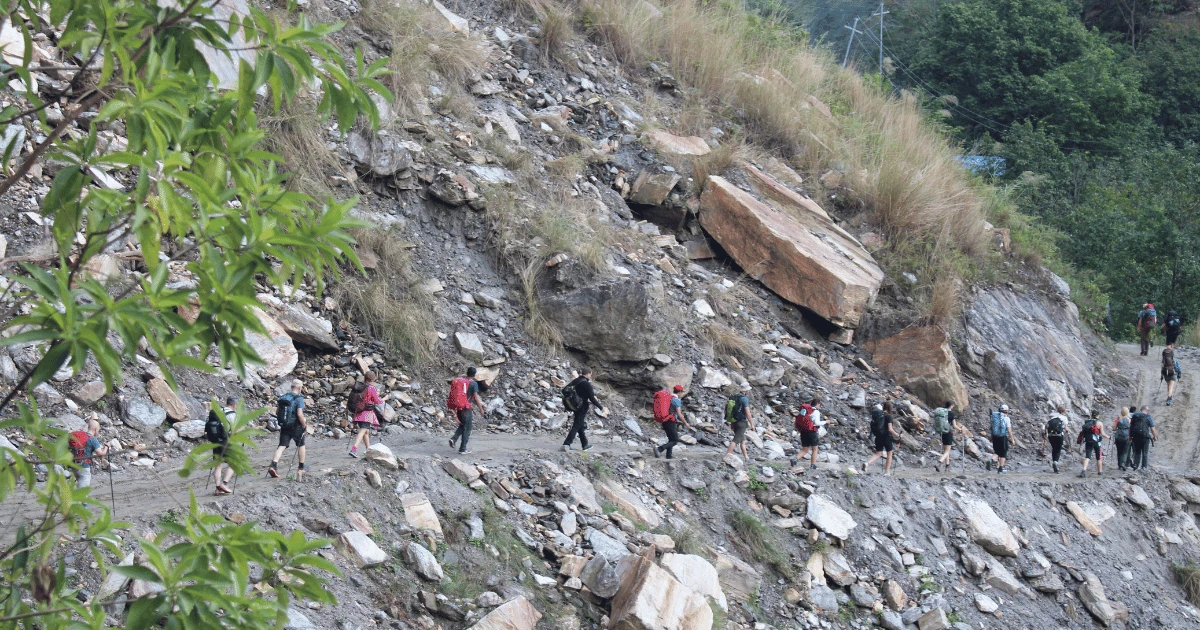
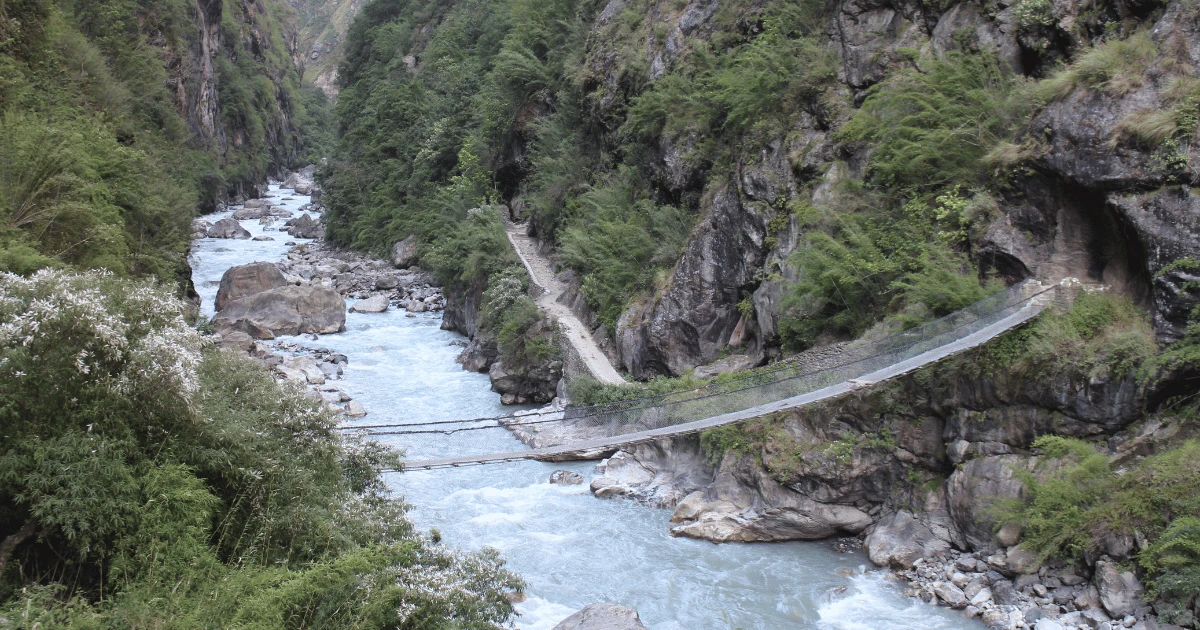
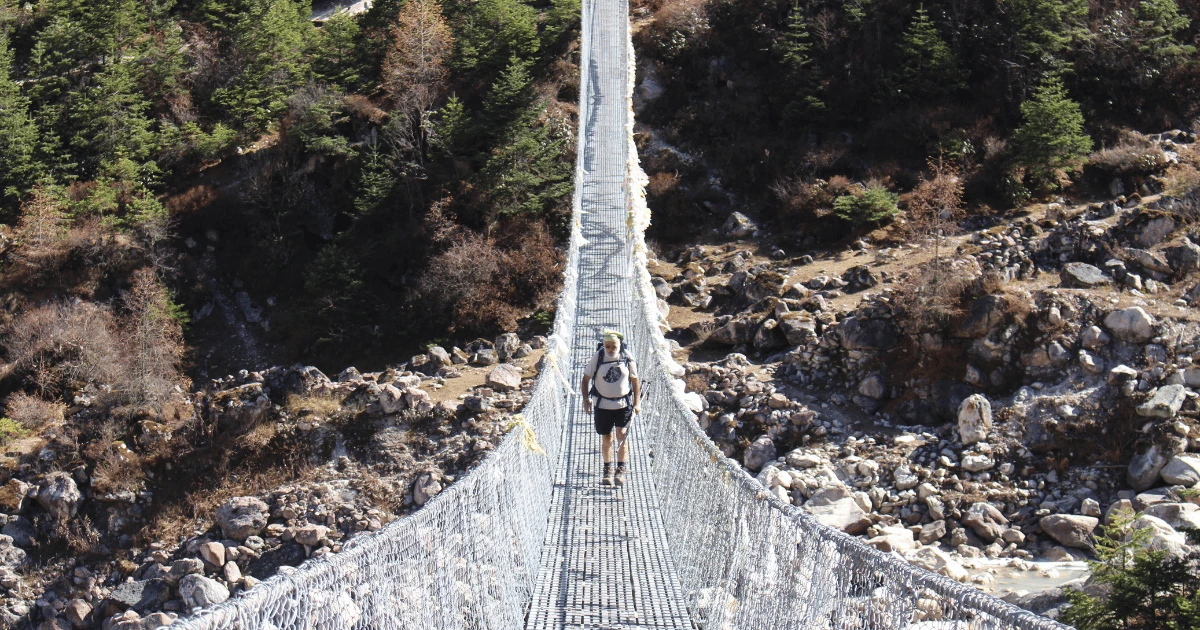
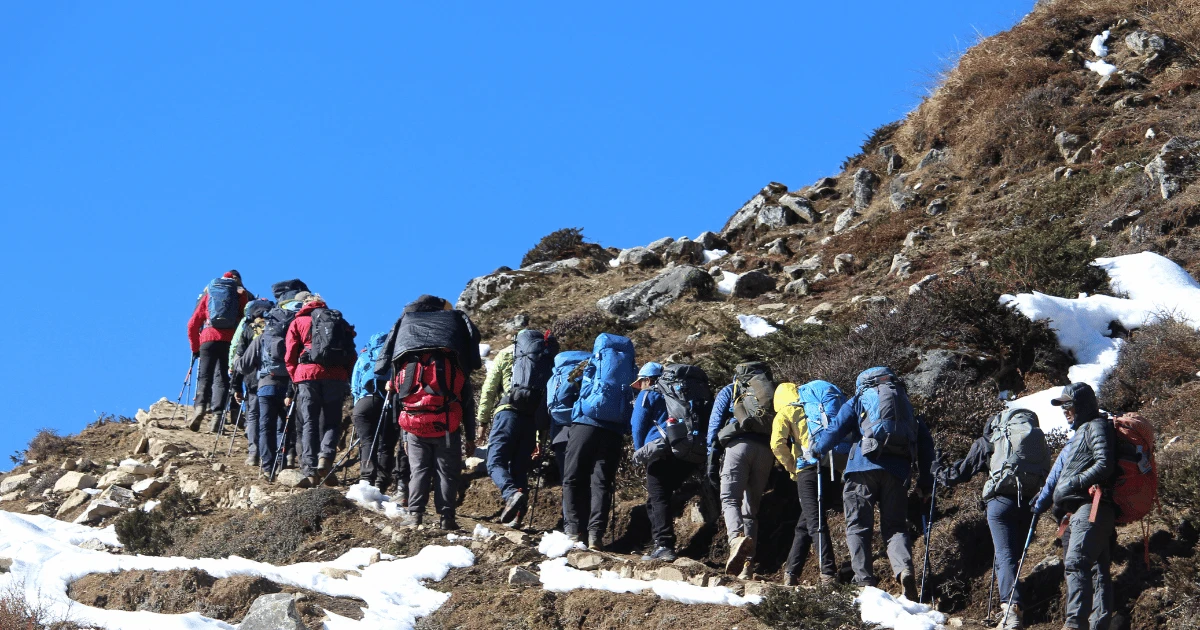
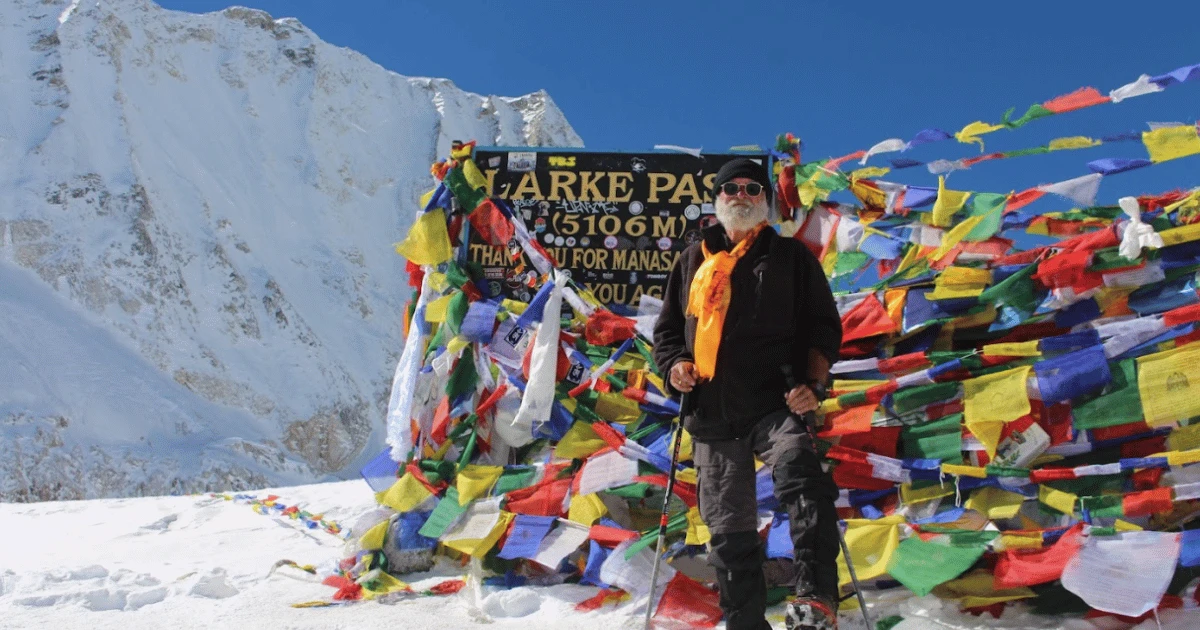
The Manaslu Circuit Trek difficulty is high, with physically demanding terrain including steep ascents and descents, narrow trails along cliffs, and areas prone to landslides. Trekkers will face long days of walking on rocky paths. It is essential to have experience with high-altitude trekking and to be in good shape, as the route can be challenging even for experienced hikers. Due to the constant elevation gain, altitude sickness is a significant risk on the Manaslu Circuit Trek. You will begin to feel the symptoms of altitude sickness above 2,500 m, and you will have to reach Larkya La Pass, which is twice as high.
To minimize the risk of altitude sickness, you should have a well-structured itinerary that includes gradual altitude gain and acclimatization days. This is where experienced guides are crucial, as they can monitor for symptoms and adjust the pace accordingly. They also encourage daily hydration, which is equally essential for reducing the risk of altitude sickness.
Manaslu Circuit Trek Preparation
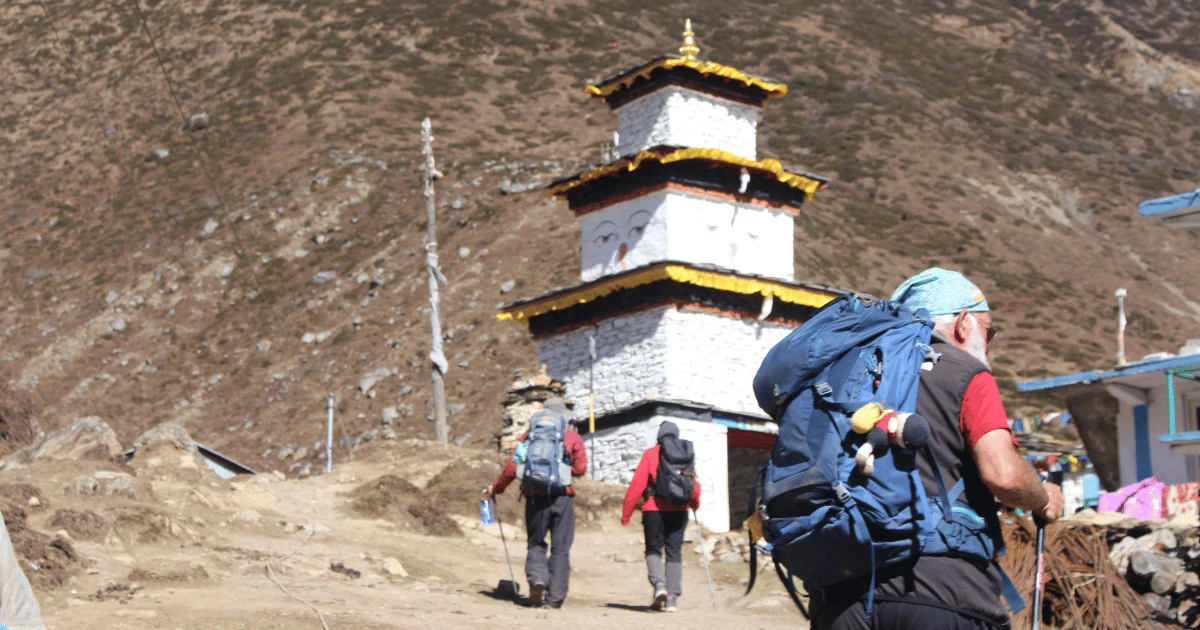
The Manaslu Circuit Trek is quite challenging, so you must focus on your physical, mental, and logistical readiness. You should begin training 3-4 months before your trekking period. It is essential to be physically fit, so make sure you are working on your cardio endurance, stamina, and leg strength. You can engage in everyday activities, such as cycling, uphill hiking, and walking, while carrying a backpack weighing up to 5 kg. This will simulate trail conditions and improve your fitness and endurance, making it easier to traverse rocky ridges and snowy terrain.
You need to be mentally sound as well to complete the Manaslu Circuit trek easily. You can strengthen your mental resilience through mindfulness, visualization, and meditation. Furthermore, you need to accept that not every day will be smooth, and keep your expectations in check.
Furthermore, since the trek to the Manaslu Circuit ascends above 5000 m, it is equally important to prepare for high-altitude conditions. Because altitude sickness is common on such treks, acclimatization is crucial. For such a high-altitude trek, you must implement a “climb high, sleep low” strategy and plan additional acclimatization days. You need to monitor symptoms and exercise caution when gaining altitude rapidly. Hydration and diet also play a key role at altitude. You have to drink 3–4 liters of water daily and increase your intake of complex carbohydrates, warm soups, and electrolyte-rich foods. Make sure you avoid alcohol, excessive caffeine, and heavy, fatty meals, which can impact your digestion and acclimatization.
As with physical and mental preparation, logistical preparation is equally important. For such a high-altitude trek, you must ensure your gear is suitable for cold, dynamic weather and the rugged terrain. Take layered clothing, high-traction boots, and a reliable sleeping bag appropriate for icy conditions with you. Furthermore, for such remote trails, essential items such as a headlamp, trekking poles, and water purification tablets are necessary. The Manaslu Circuit trek lies in a restricted area; therefore, we require essential permits, including the Annapurna Conservation Area Permit, the Manaslu Conservation Area Permit, and the Restricted Area Permit. This is the reason logistical preparation is equally crucial for such a high-altitude trek.
Accommodation Types along the Manaslu Circuit Trek
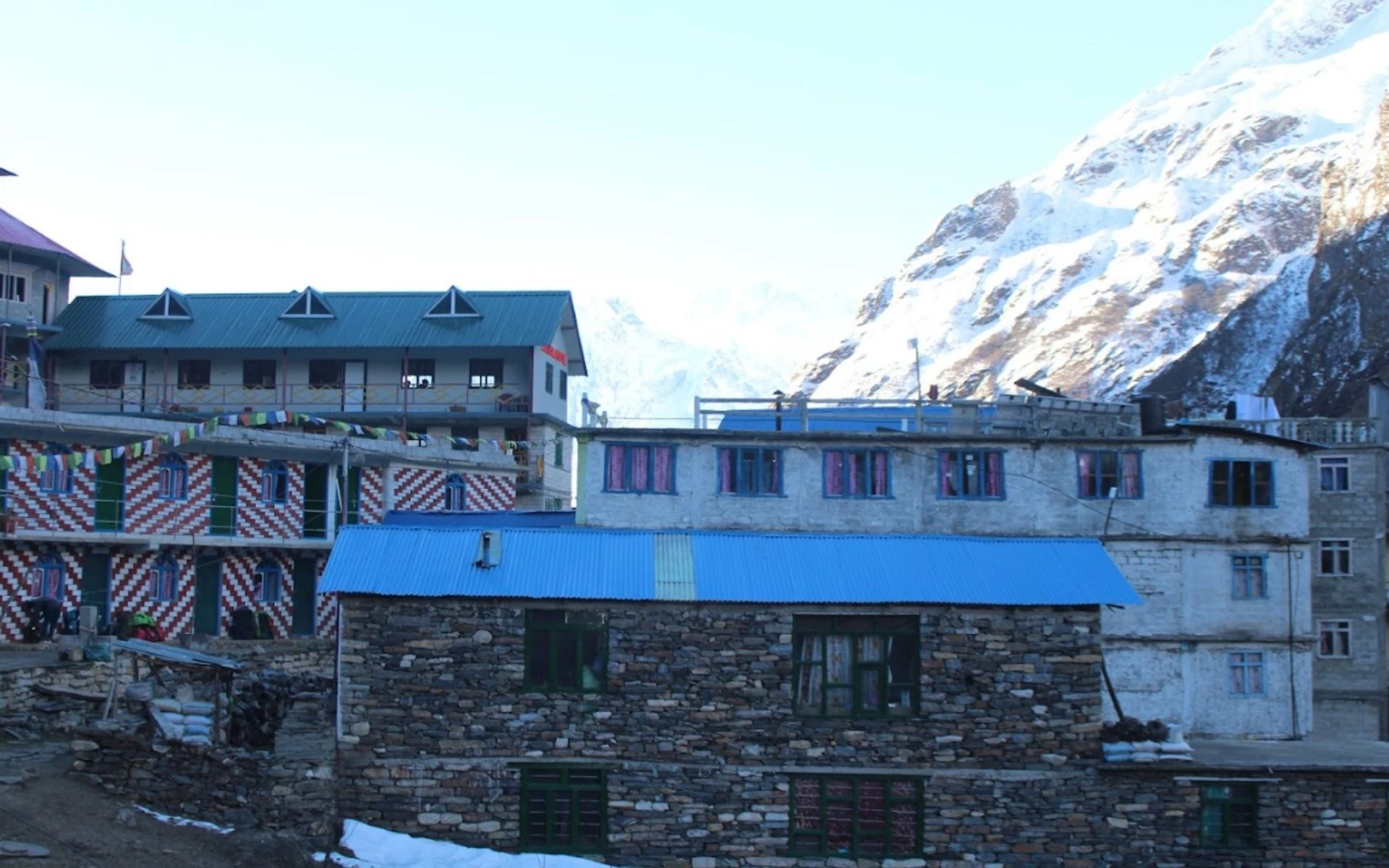
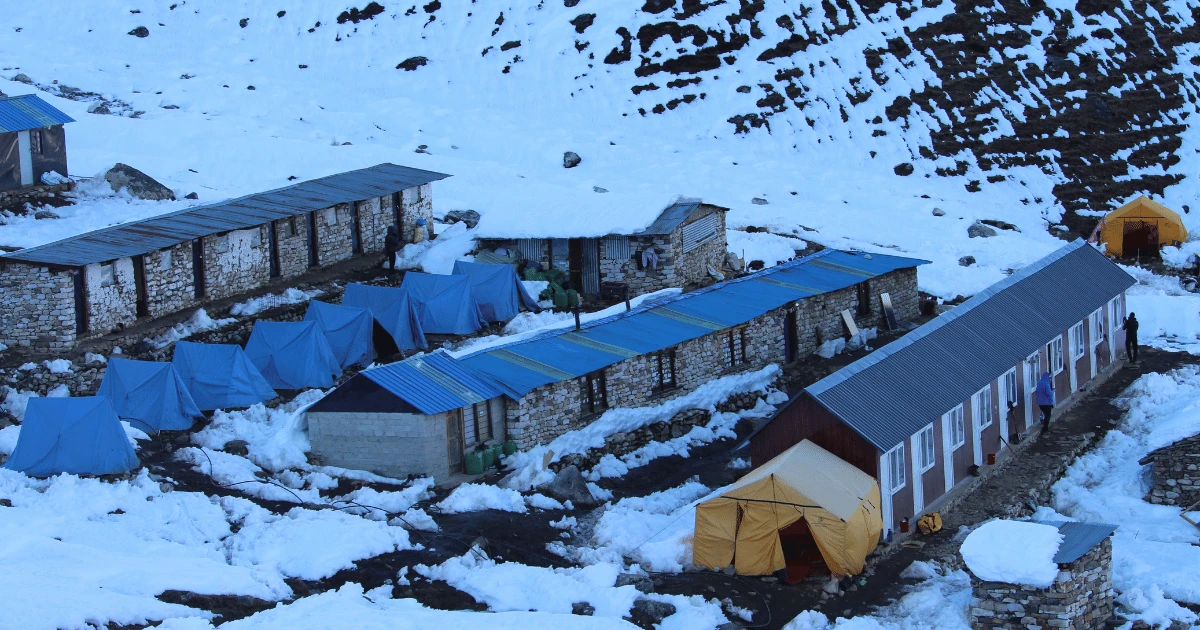
The Manaslu Circuit Trek offers a variety of accommodation options, depending on elevation, remoteness of the village, and the time of year. Most places are teahouses, but you can also find a few higher-end lodges and traditional homestays in some areas. Below is a list of the main types of accommodations, their typical locations, and the facilities typically available.
Teahouses
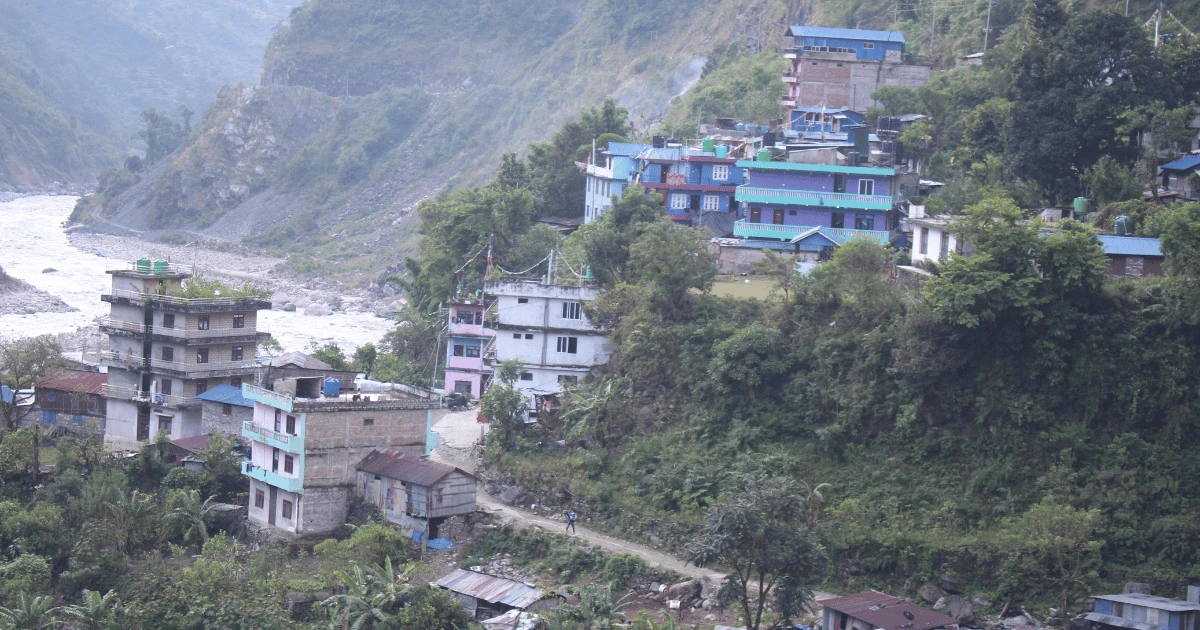
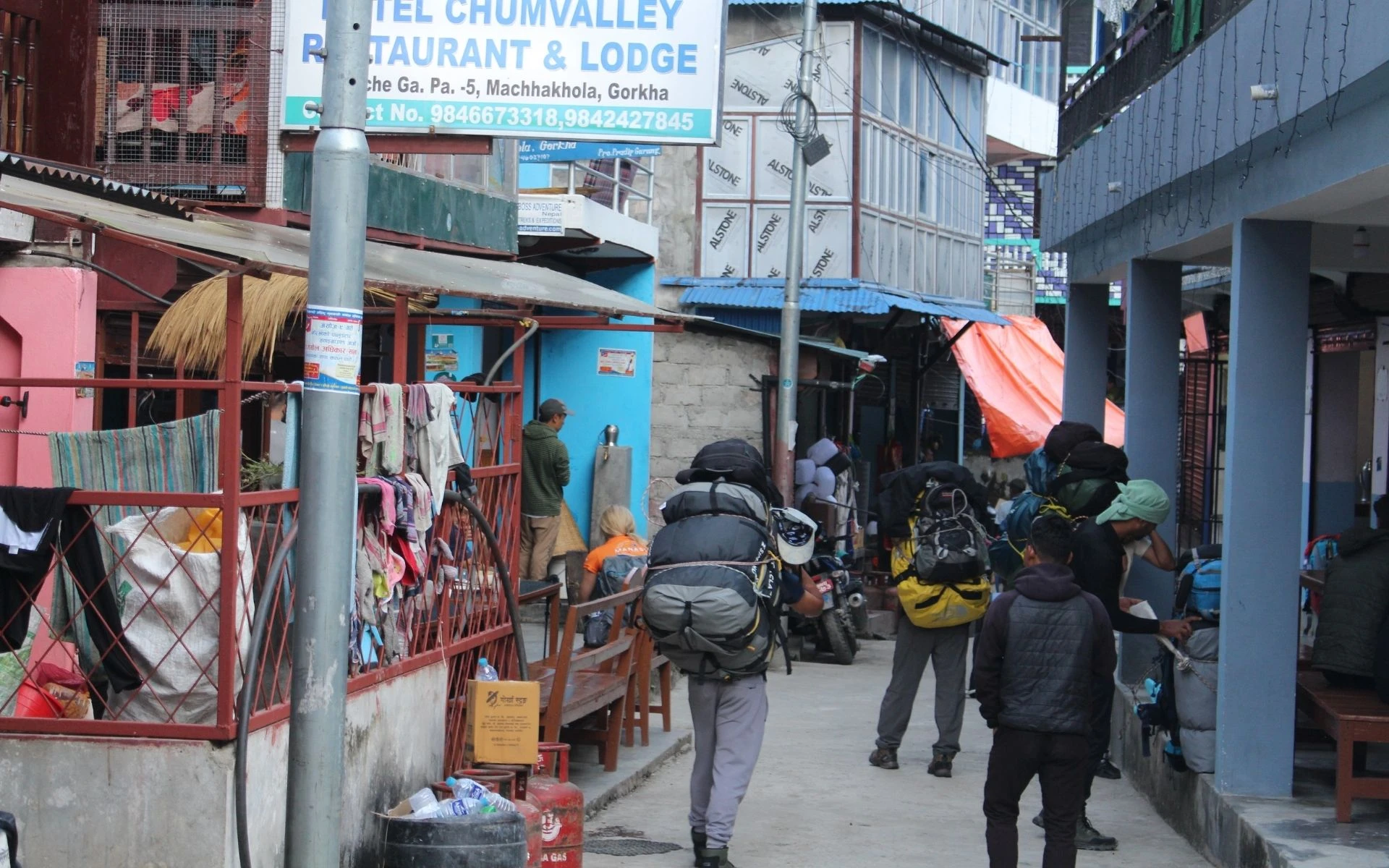
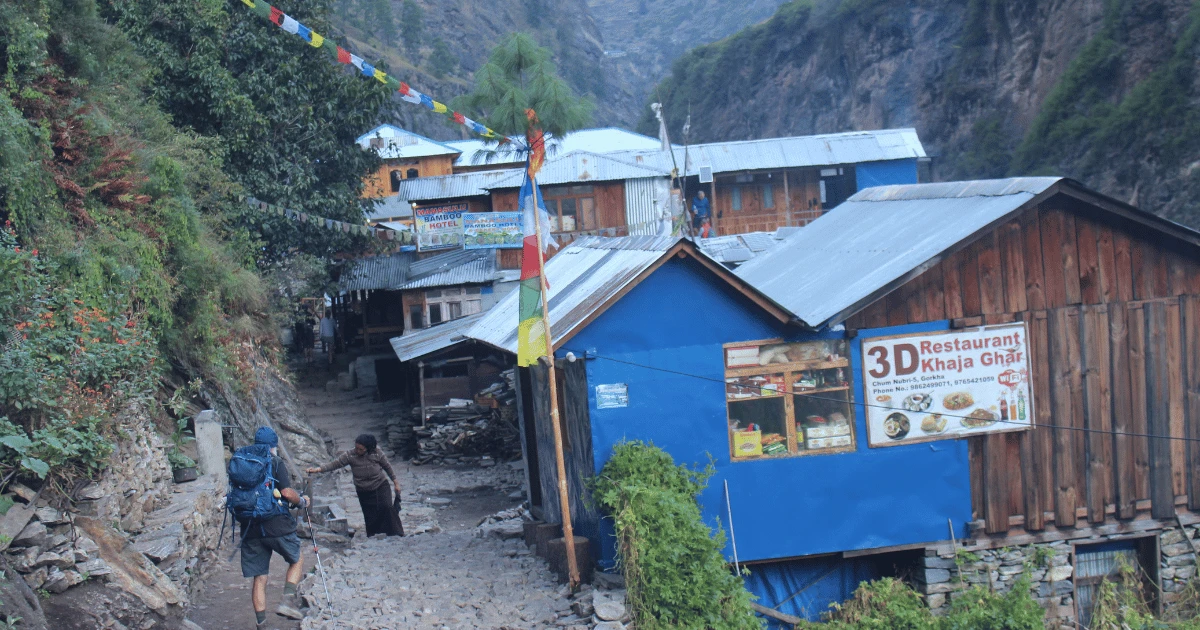
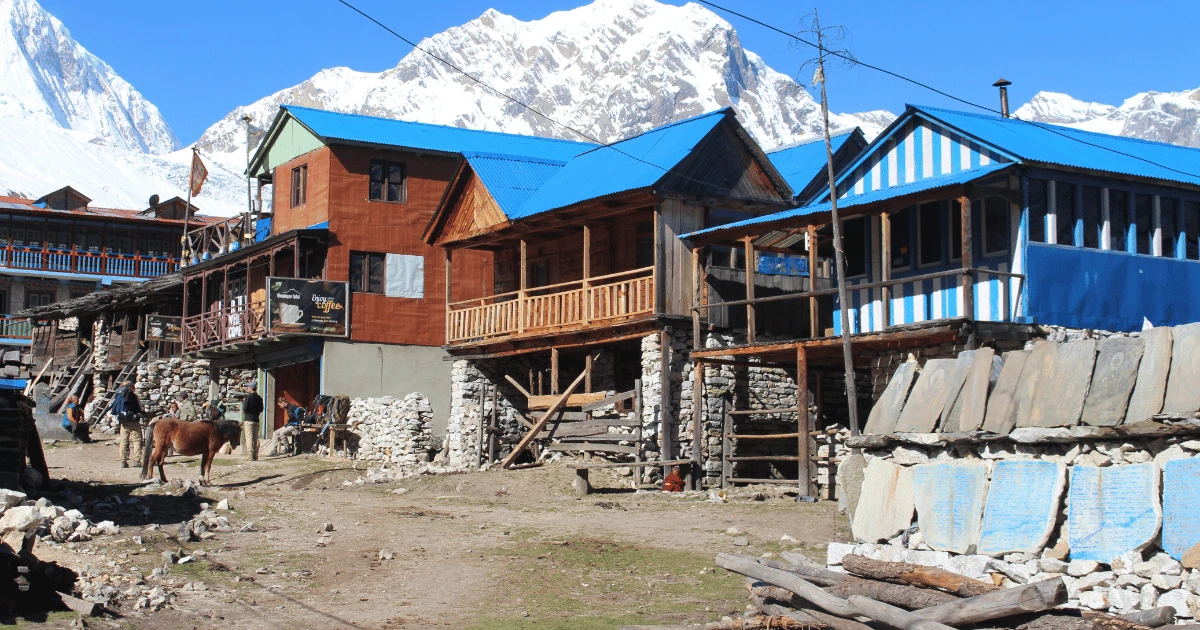
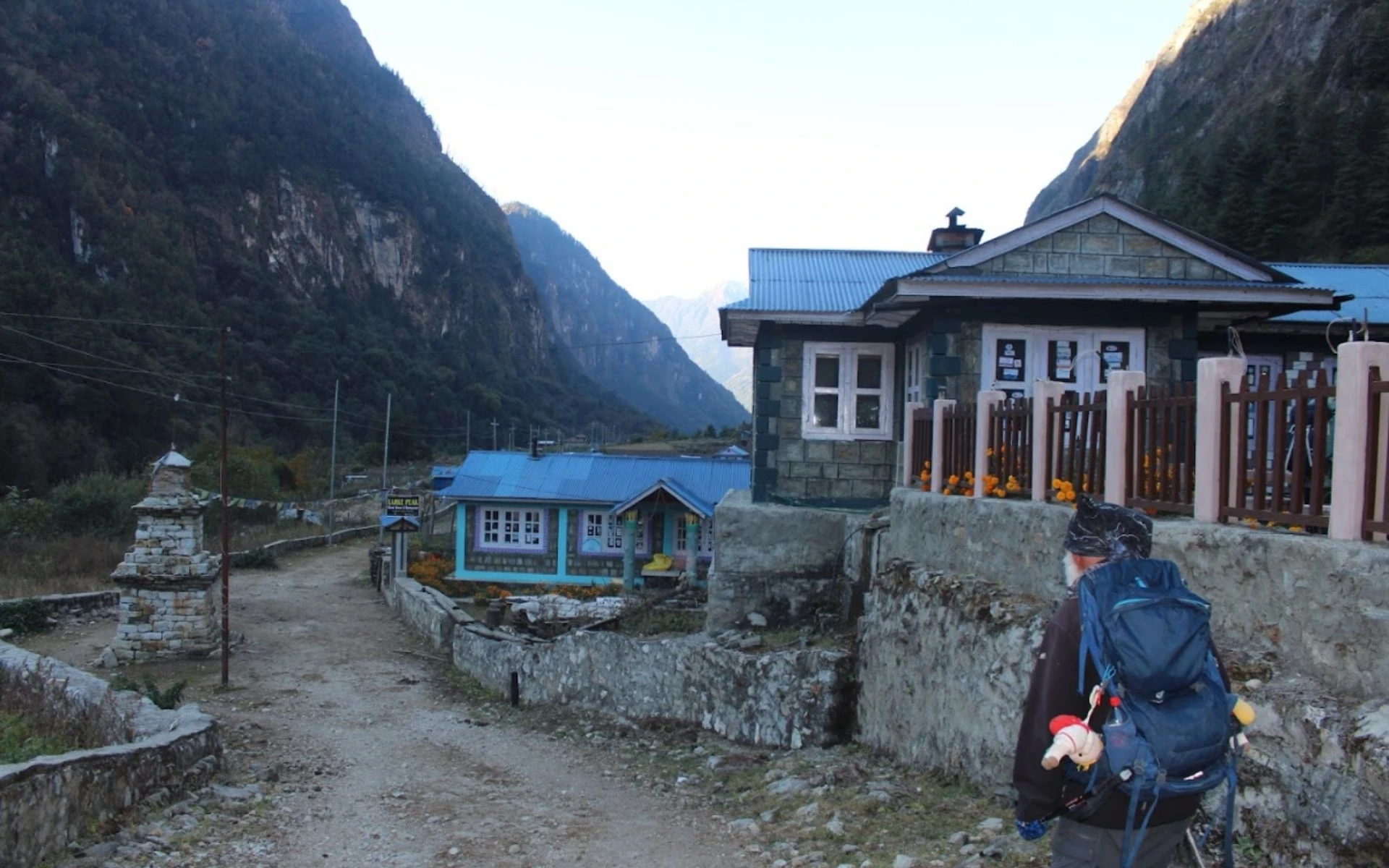
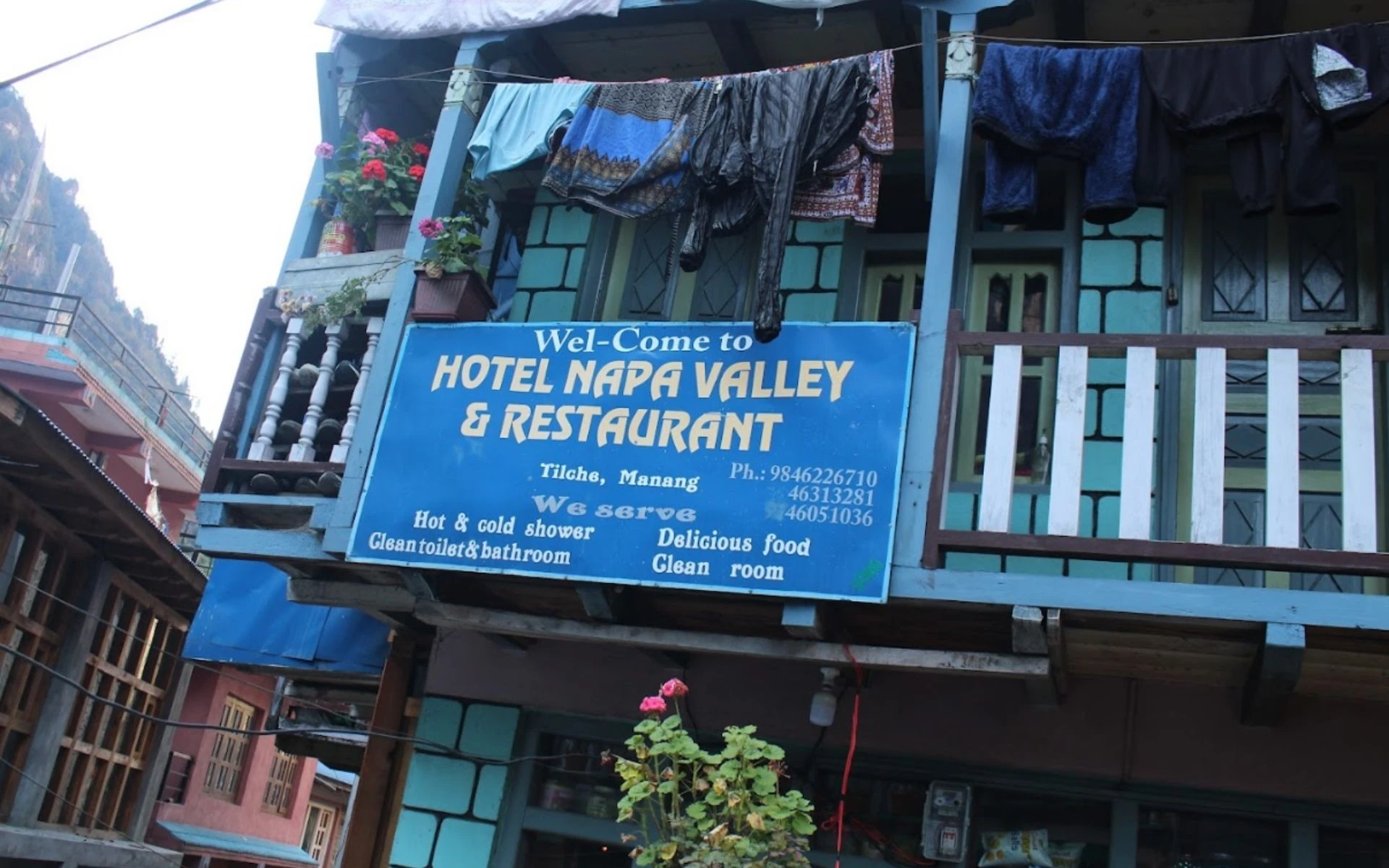
Teahouses are a common form of accommodation on the Manaslu Circuit trek. You will find these teahouses in villages such as Jagat, Deng, Namrung, and Lho. These simple lodges are locally owned and provide basic accommodations and meals. A typical teahouse room has two single beds with a separate bathroom. At high altitude, they provide a mattress and a bed sheet, but carrying your own sleeping bag is advisable. They charge extra for additional facilities such as charging, hot water, and hot showers.
Lodges
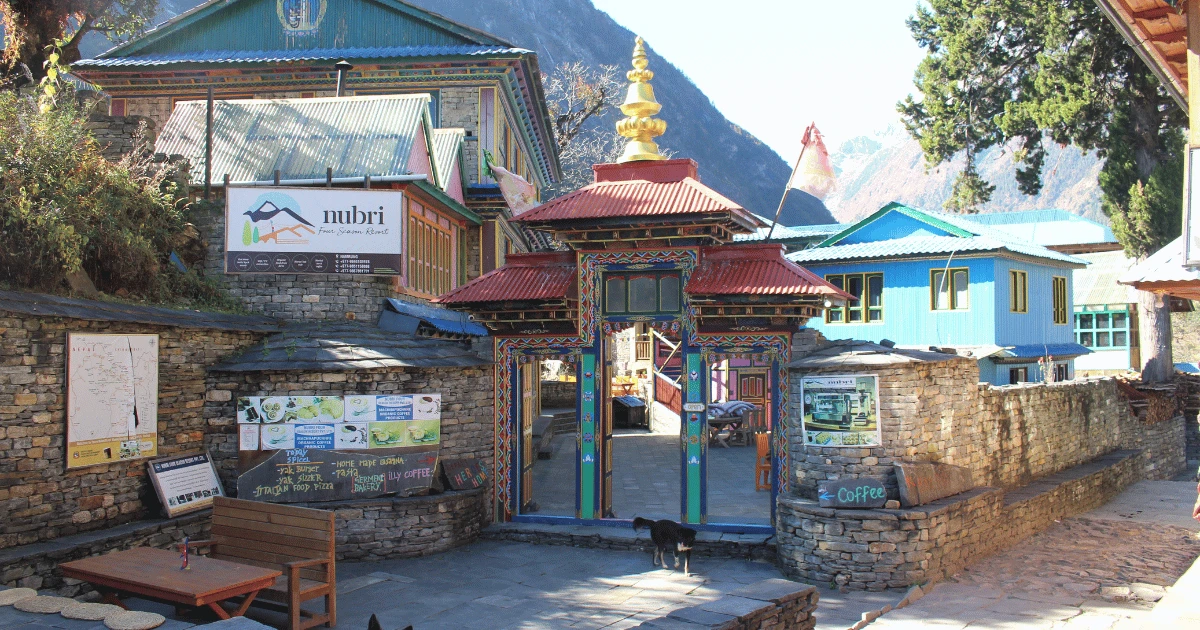
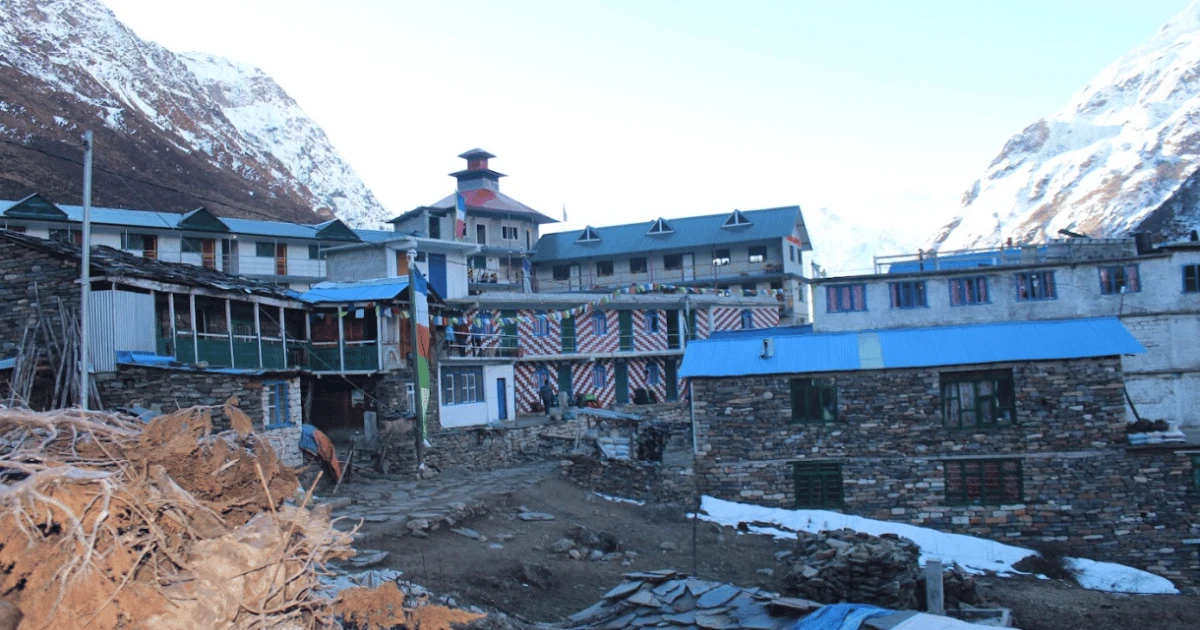
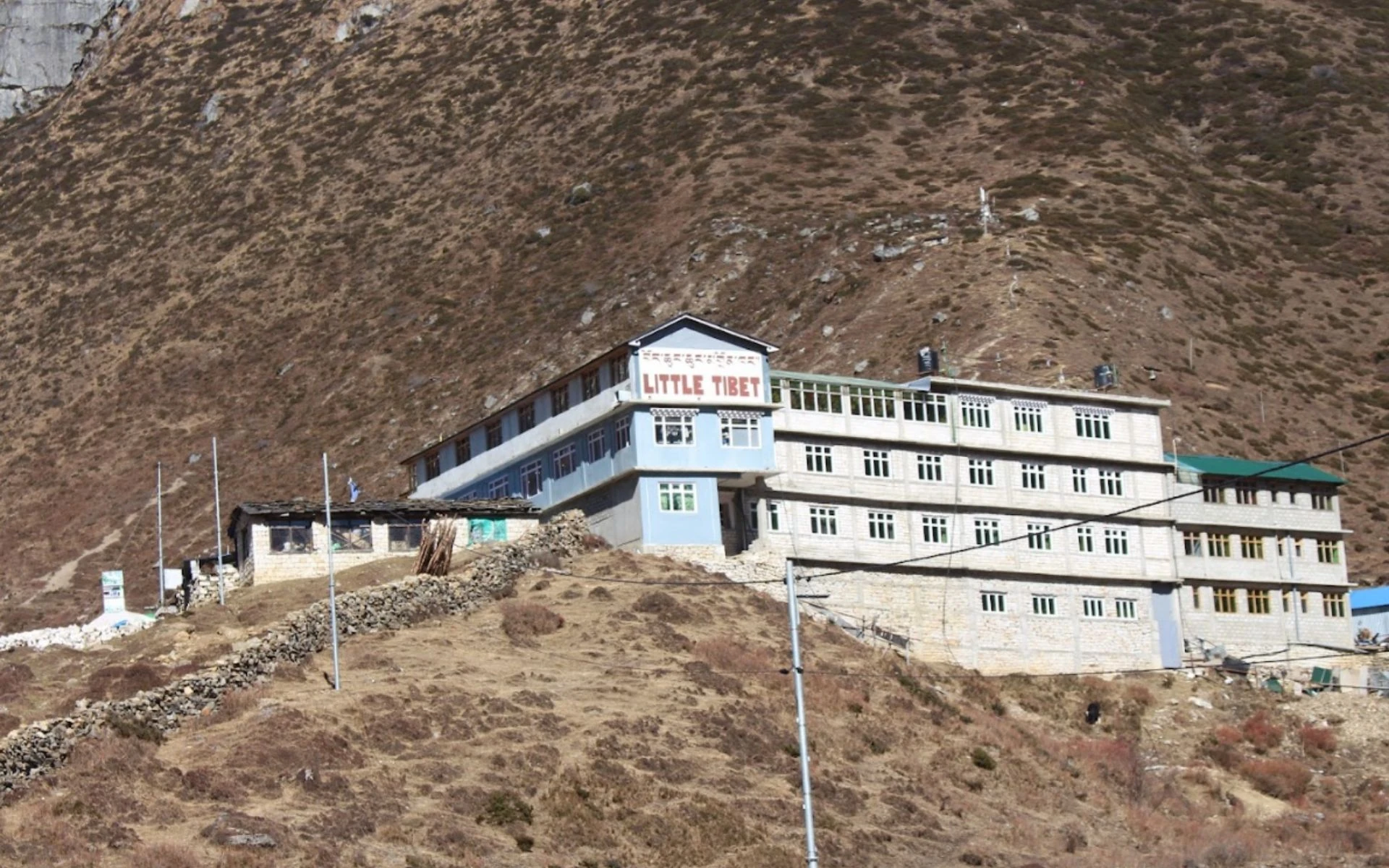
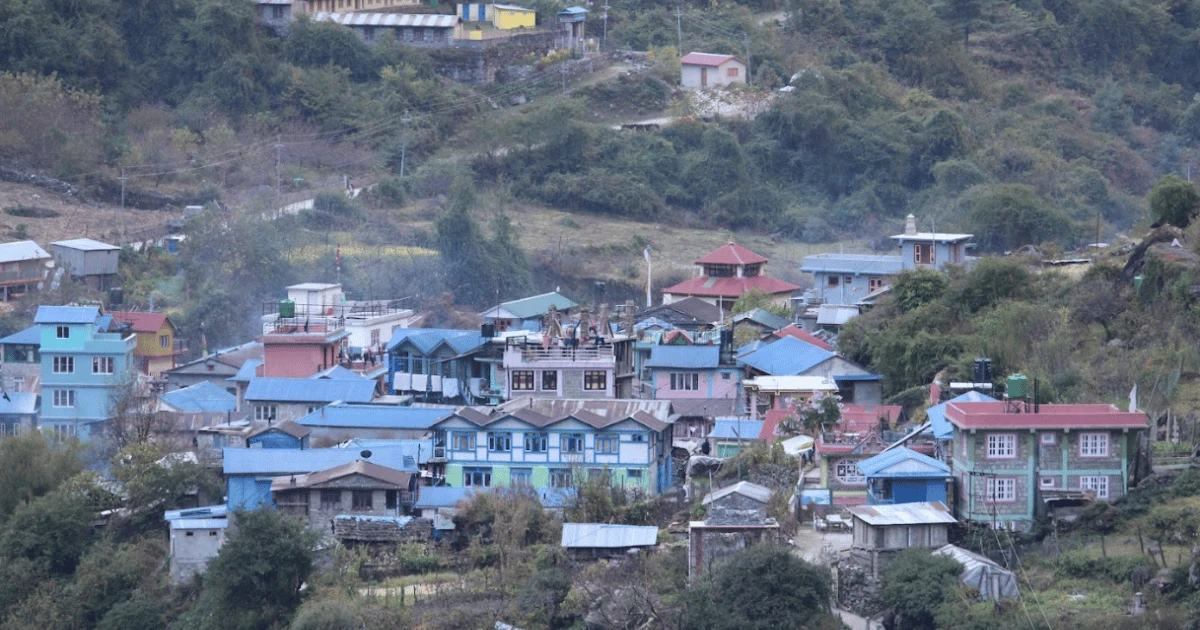
Lodges offer greater comfort than basic teahouses and are primarily found in larger villages such as Samagaon, Samdo, and, occasionally, Namrung. They offer private rooms with thicker mattresses, attached bathrooms, and Western toilets. Many lodges in Samagaon accommodate trekkers staying multiple nights, with hot showers and larger menus that include Western dishes. Some lodges in Samdo help trekkers heading to Larke La Pass by offering early breakfasts and basic medical supplies. However, these lodges fill up quickly during peak seasons (October–November and March–April), so it’s best to book in advance or arrive early.
Homestays
Homestays are a bit similar to teahouses, but here local families stay with you. They rent basic rooms in their homes and are most common in rural villages such as Lapubesi or Khorla Besi. They often lack proper beds; you may have to sleep on the floor, which can be uncomfortable, and share a bathroom. However, they are friendly, and you will feel the warm hospitality. You will have local food produced in their garden. If you have time, you can even learn to cook and farm with the local families.
Best Season for Manaslu Circuit Trek
Food Options during the Manaslu Circuit Trek
During the Manaslu circuit trek, you can expect to find a variety of meals ranging from traditional Nepali cuisine to international dishes. Food availability depends on the season and the location of the tea house or lodge where you are staying.
For breakfast, you will get a range of options, including porridge, muesli, pancakes, and eggs cooked to your preference. Bread and jam are also available. For lunch and dinner, options such as dal bhat, momo, noodles, thukpa, Tibetan bread, curries, roti, and thenduk are available.
You can also buy additional snacks and beverages as per your wish from the tea shops along the trail. Boiled drinking water is available at all tea houses for refilling water bottles. You can use a water purification tablet to double-purify the water.
How safe is the Manaslu Trek with Us?
To ensure the safety of our clients during the Manaslu Circuit trek, we provide a certified, experienced guide for the journey. Our team of guides is highly trained and has extensive knowledge of the trekking routes, local culture, and surrounding areas. They are also skilled in handling emergencies and providing first aid. We have completed multiple trips in the Manaslu region, and our team is friendly with the locals, which increases safety and security.
We also provide our guests with comprehensive safety equipment, such as oxygen cylinders, first-aid kits, and emergency communication devices, to ensure they are prepared for unforeseen circumstances. We guarantee that our guides and porters are well-equipped and well-prepared for the trek.
Our team also conducts regular health checks on our guests to ensure that they are acclimatizing well and are in good physical condition to continue the trek. We advise you to follow our guides' guidelines and inform them of any physical discomfort or medical conditions that may require attention.
Is a last-minute booking for the Manaslu Circuit Trek possible?
To book the Manaslu Circuit trek at short notice, please contact us at the number provided or via email. The Manaslu Circuit is a restricted area, and we must obtain a special permit for this trek. We will accept a last-minute booking only if we can obtain all required permits and reservations, so we can guarantee a fixed departure. To book the Manaslu Circuit trek at short notice, we require full payment for the package. This amount is nonrefundable if the trip is canceled by the guest for any reason.

.webp)
.webp)





.webp)
.webp)


