What Makes This Short Trek Feel Like a Complete Himalayan Adventure?
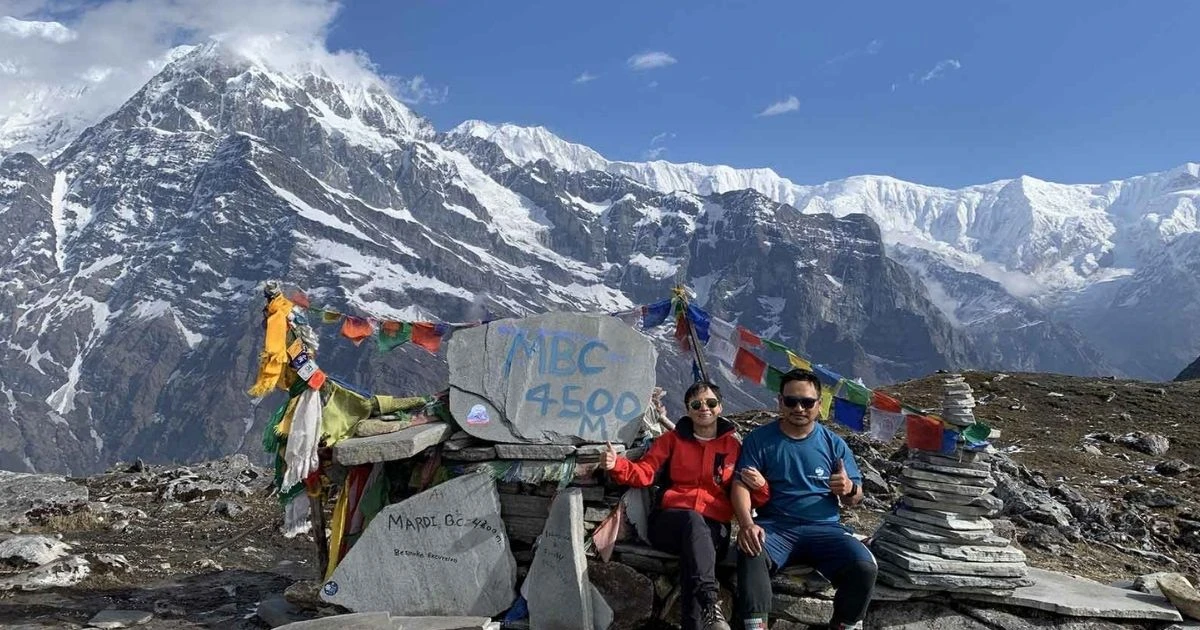
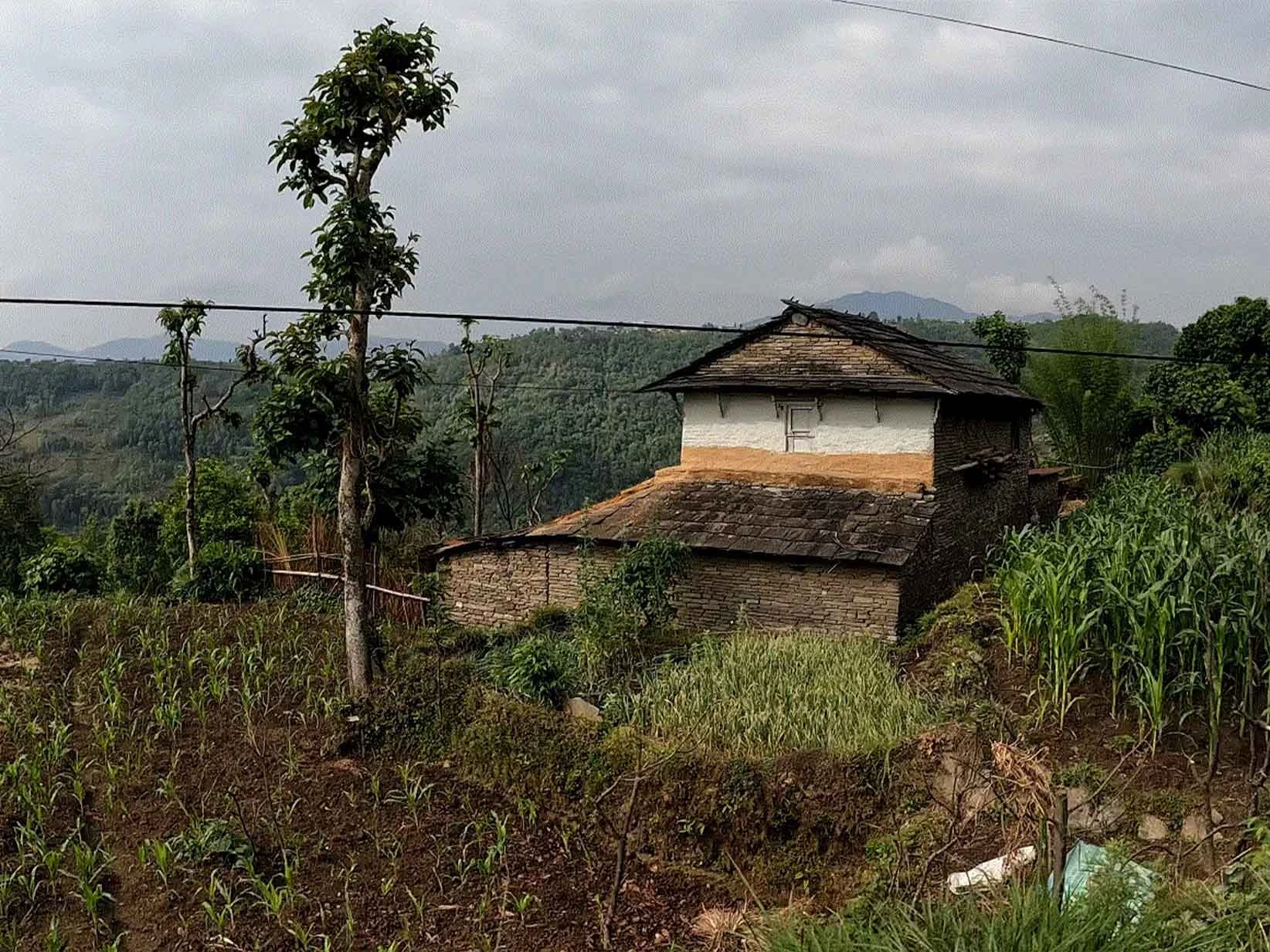
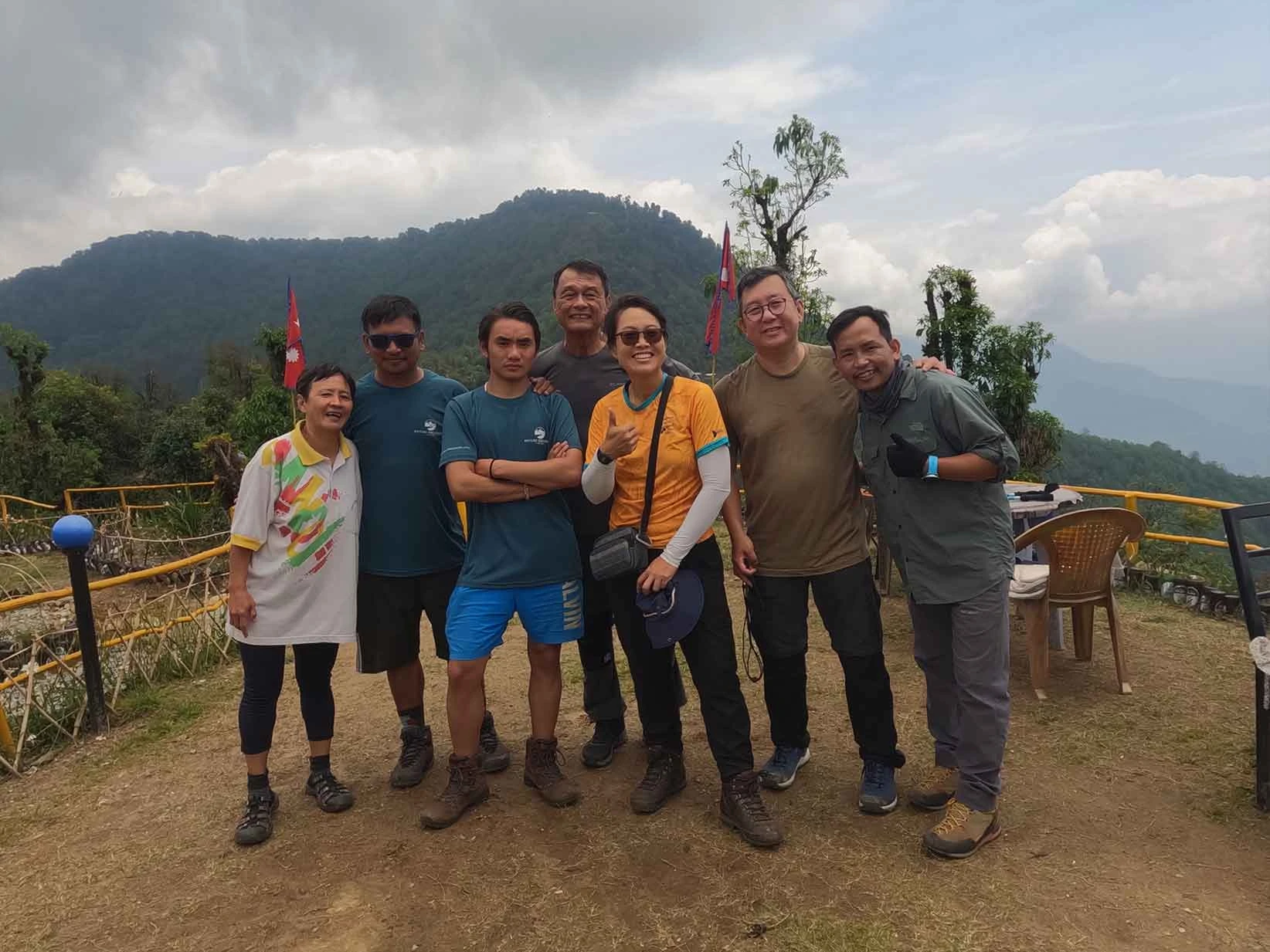
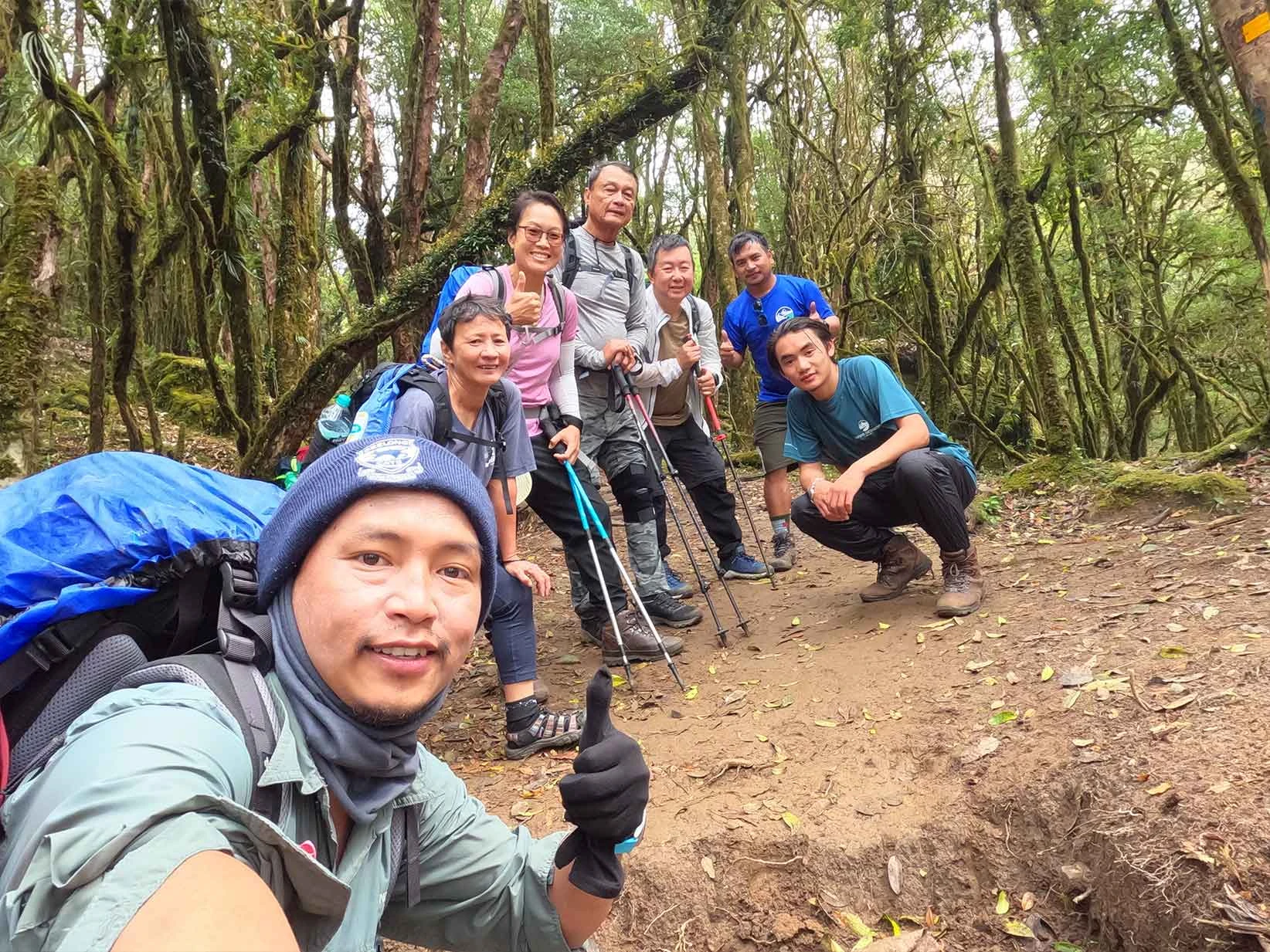
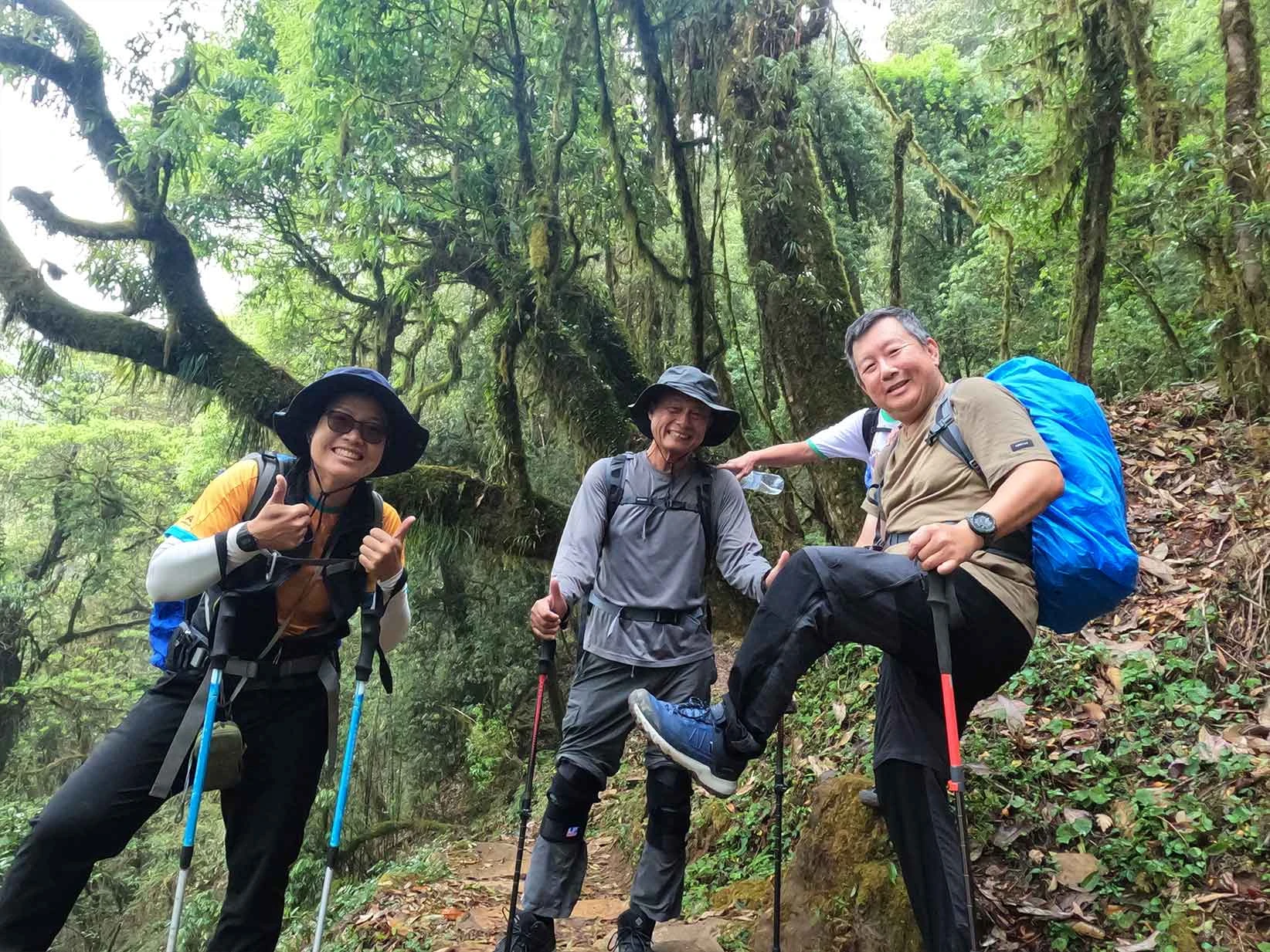
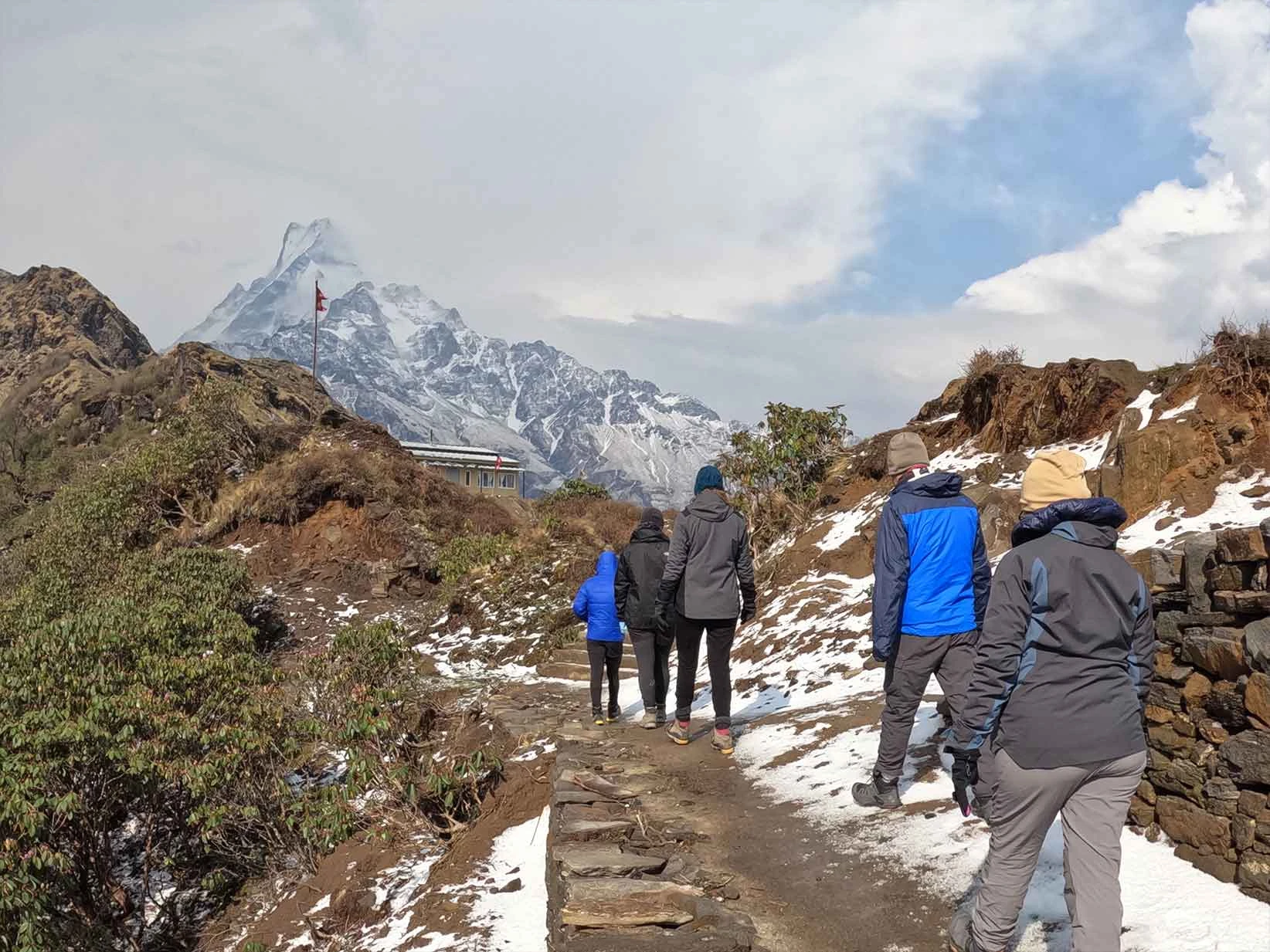
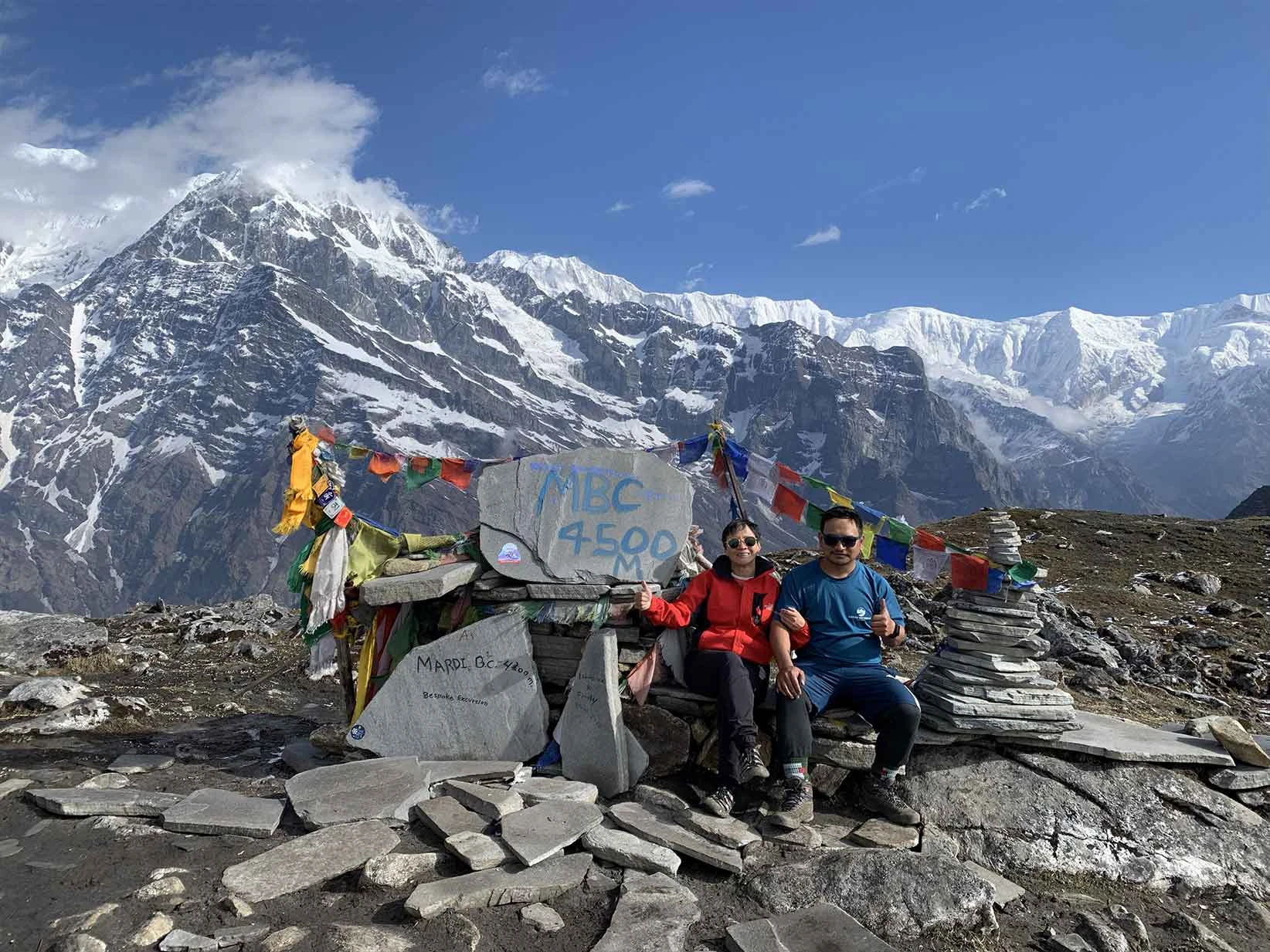
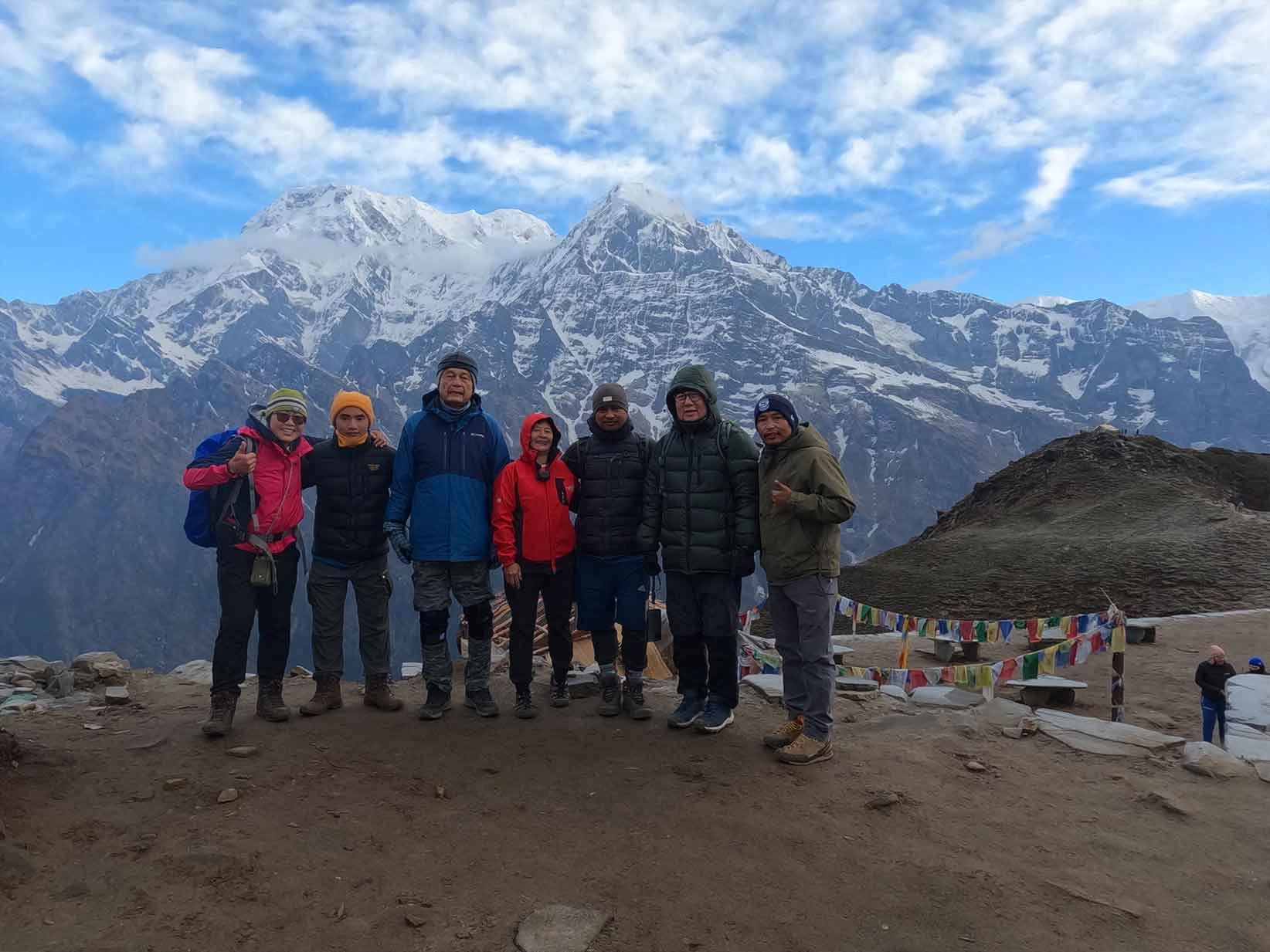
This short Mardi Himal trek in Nepal feels like a complete Himalayan adventure mainly because of the wide range of Himalayan experiences it gives in just five days. Throughout the journey, you walk through terraced farmland, traditional villages, rhododendron and pine forests, quiet mountain trails, and open high-altitude ridges. The scenery changes as you climb. Lower sections of the trail are green and settled, while the upper trail around High Camp and Mardi Himal Base Camp feels more remote and alpine.
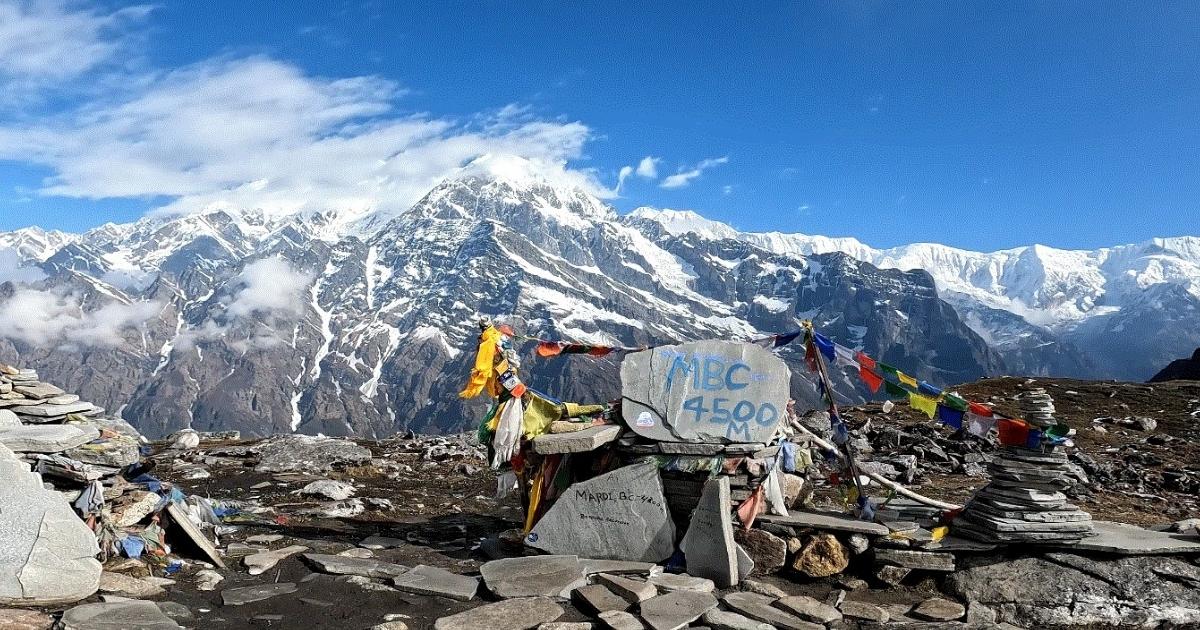
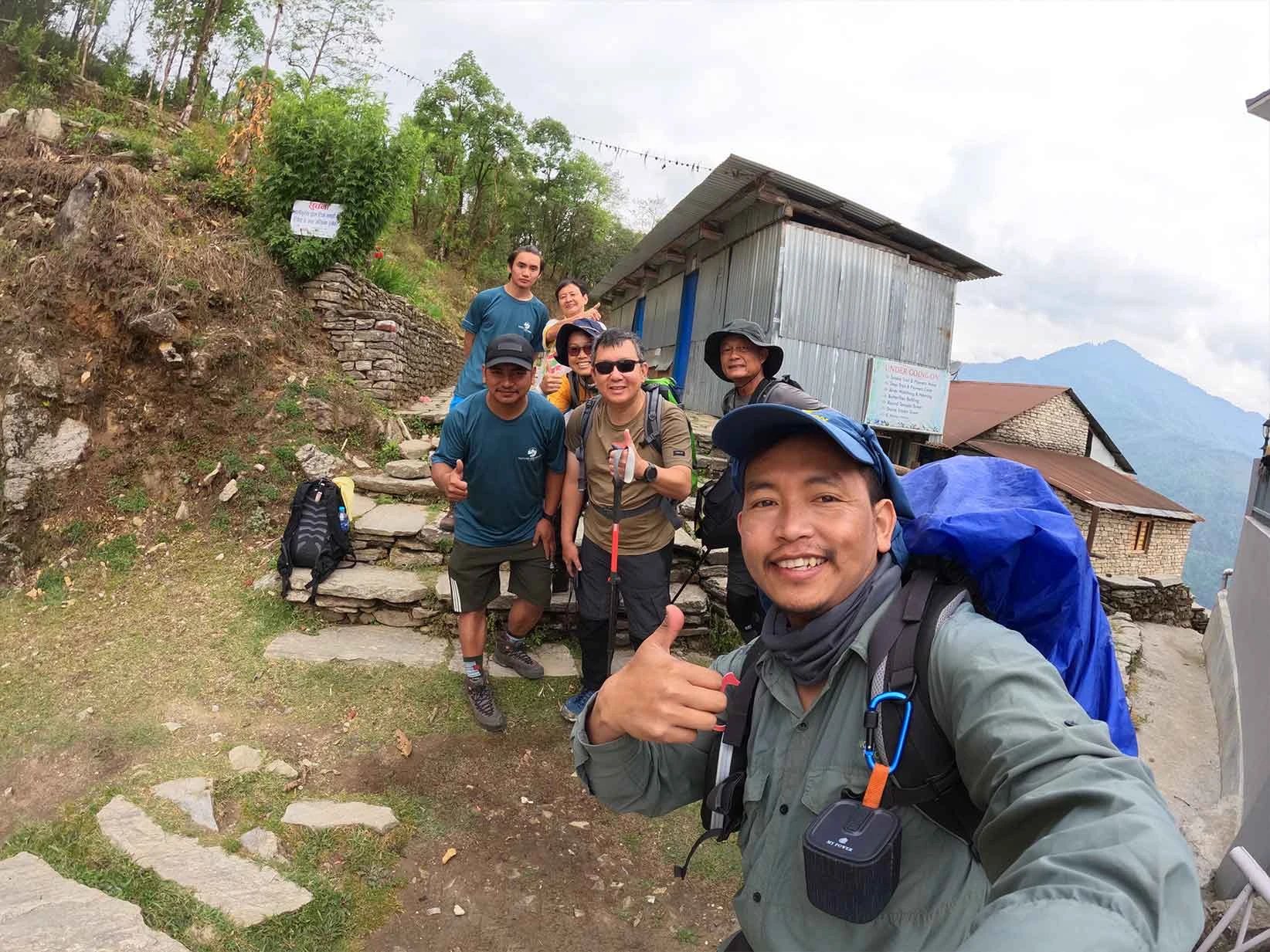
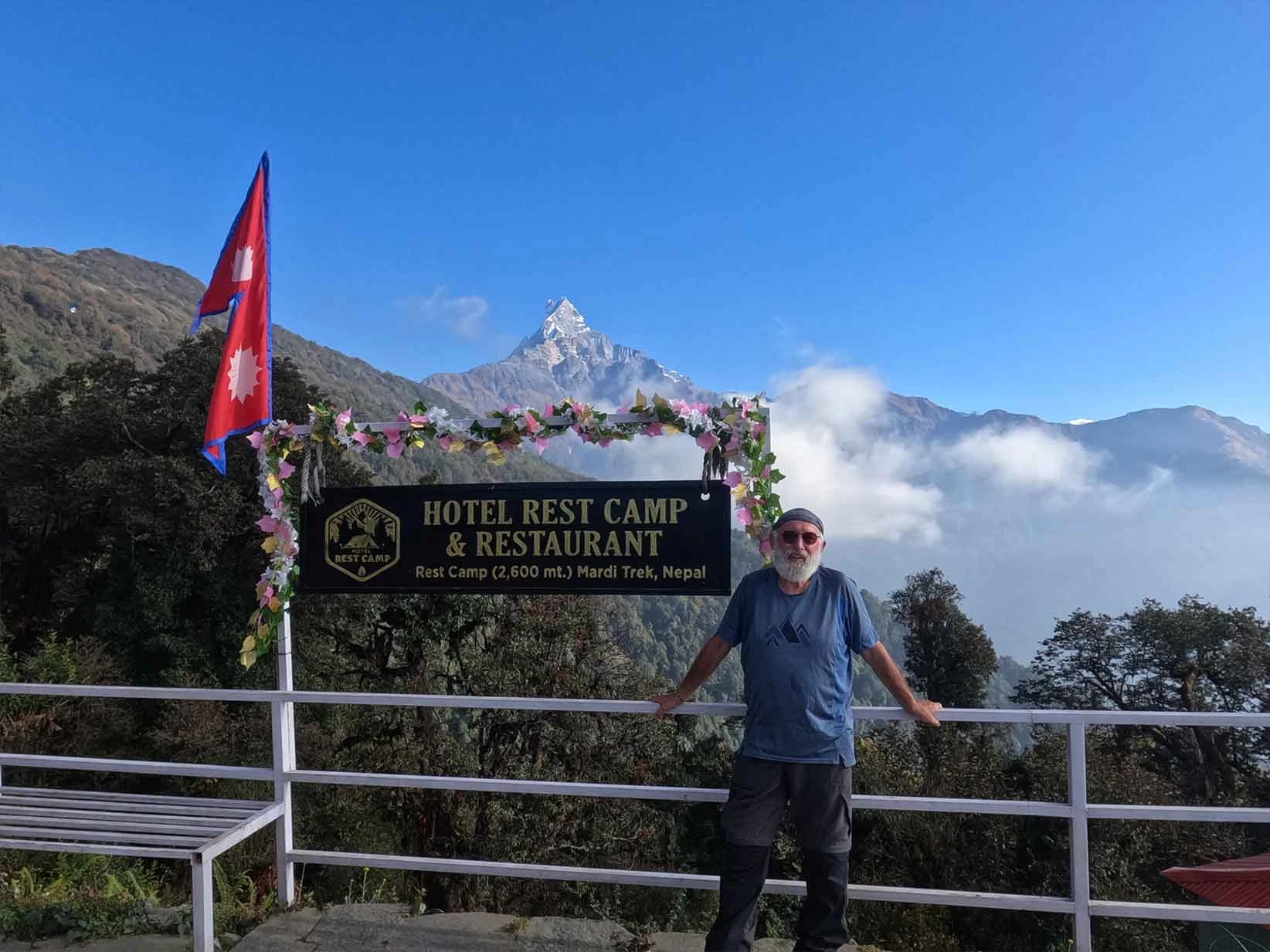
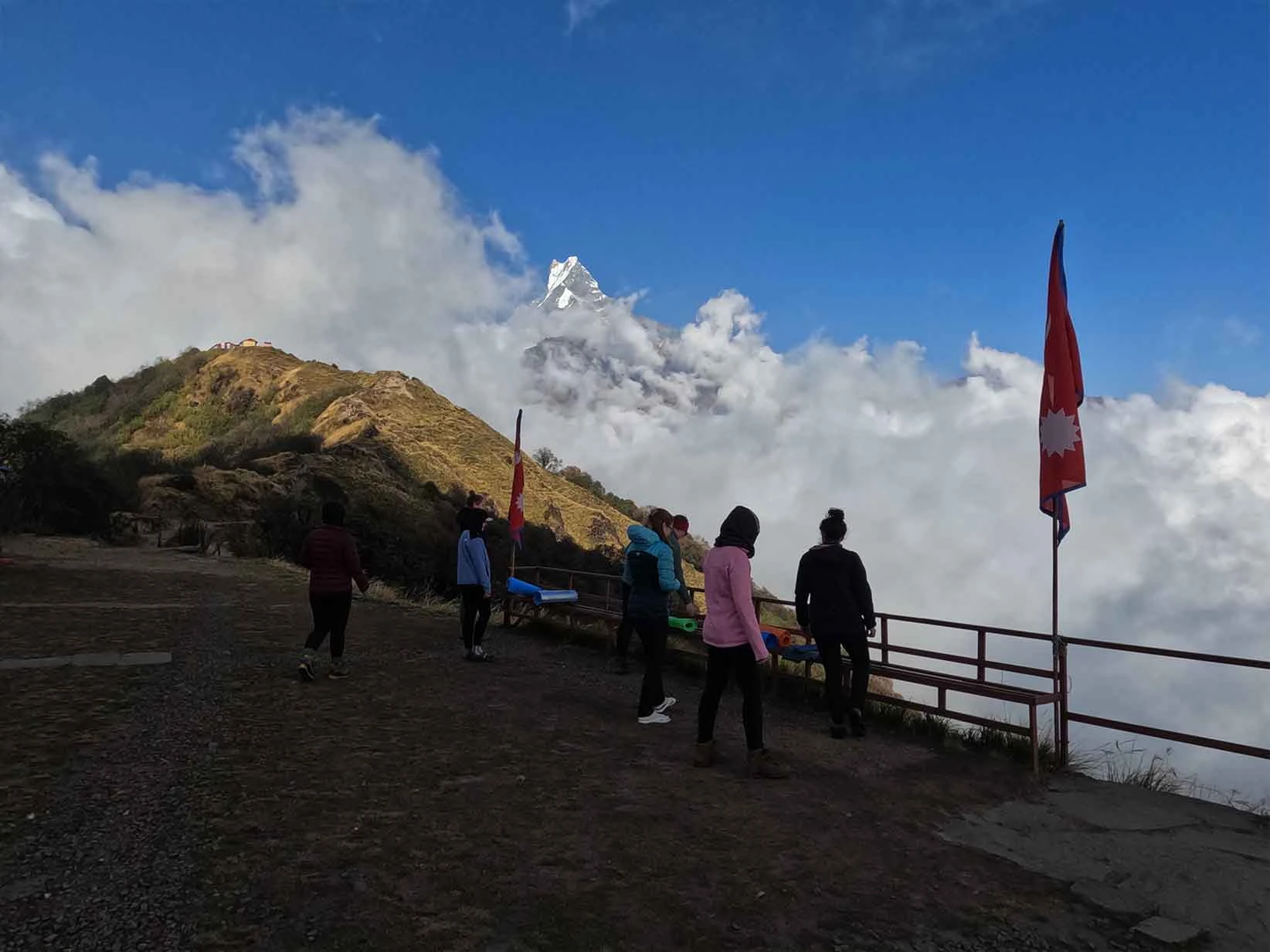
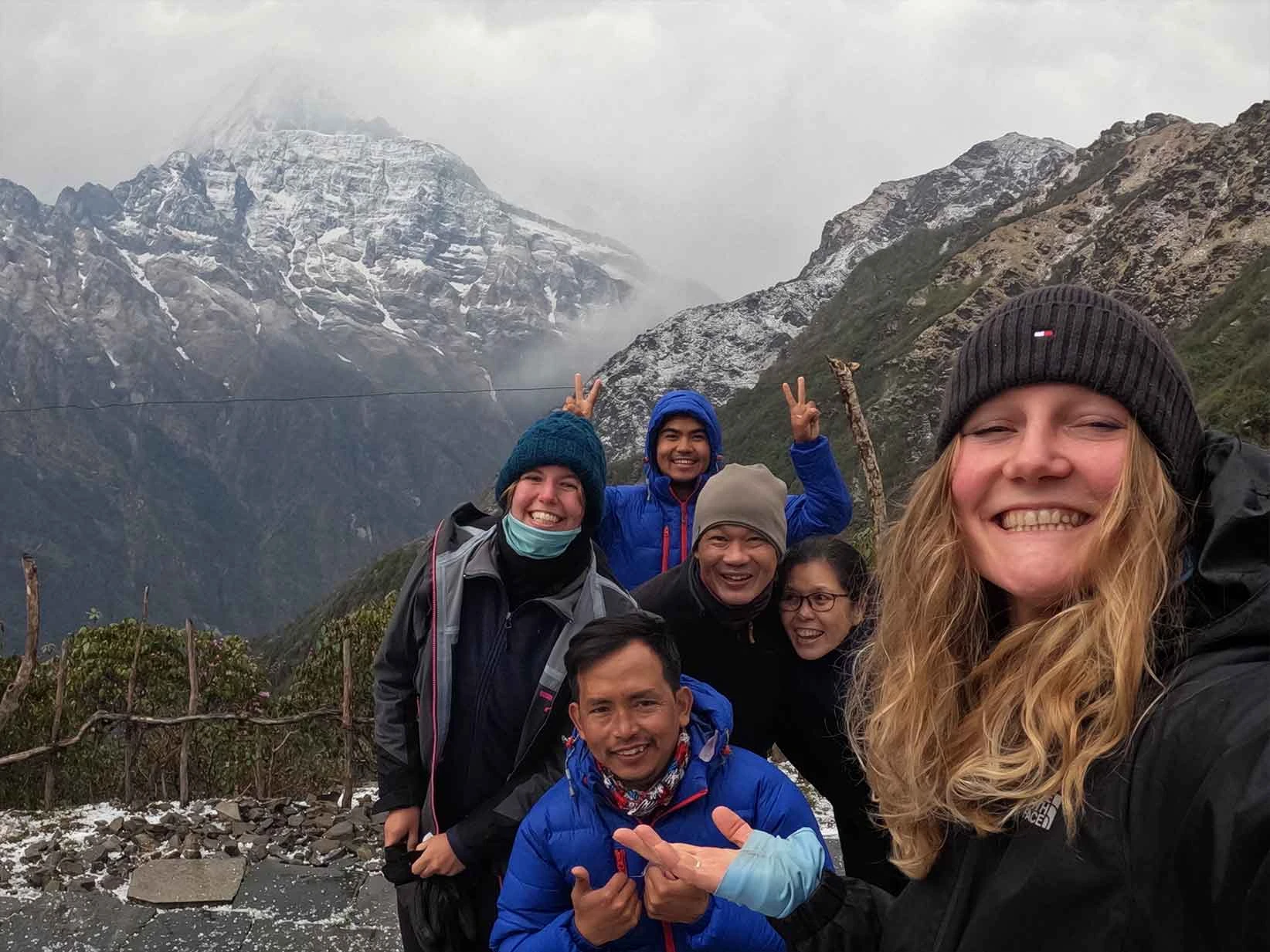
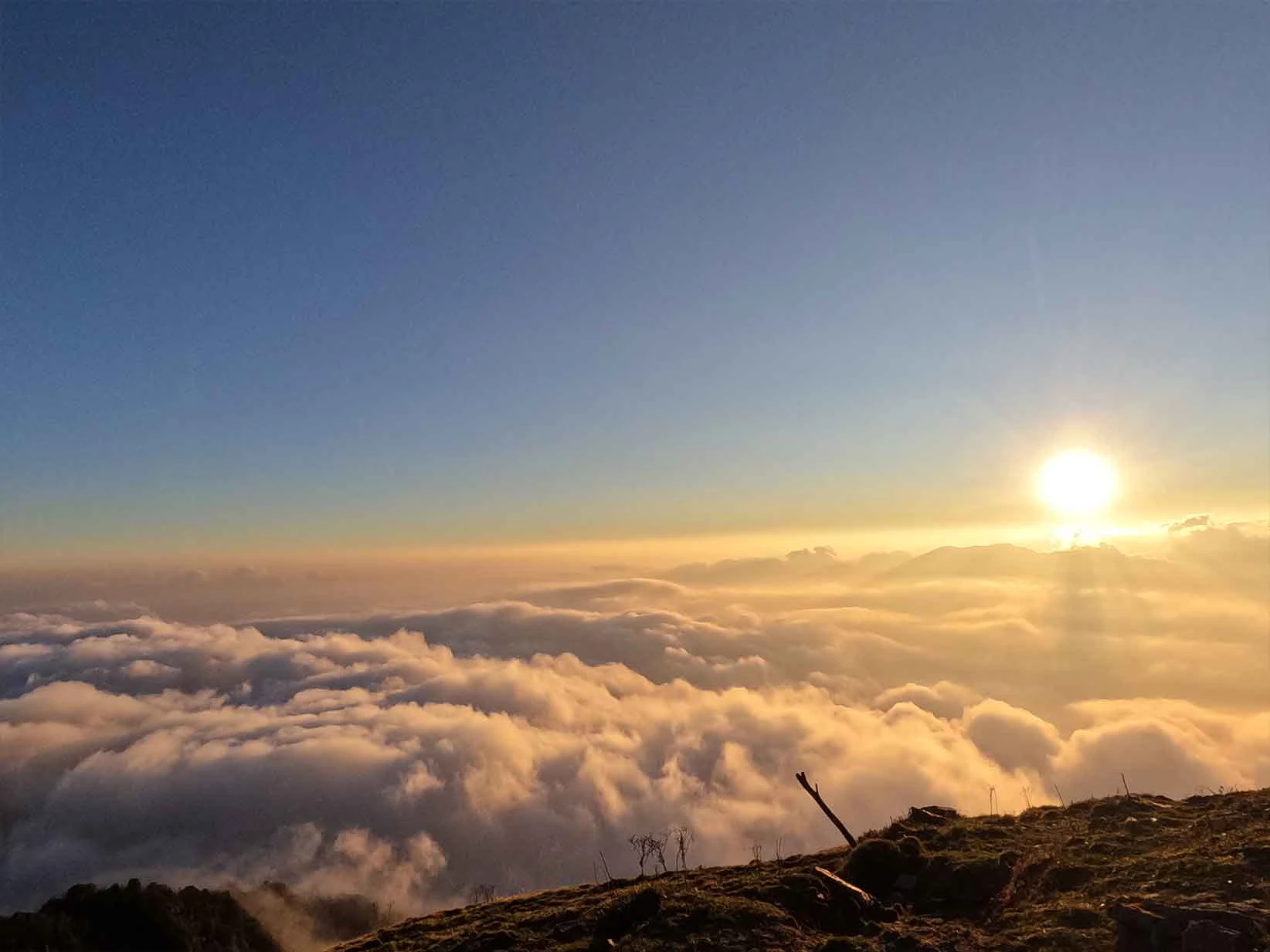
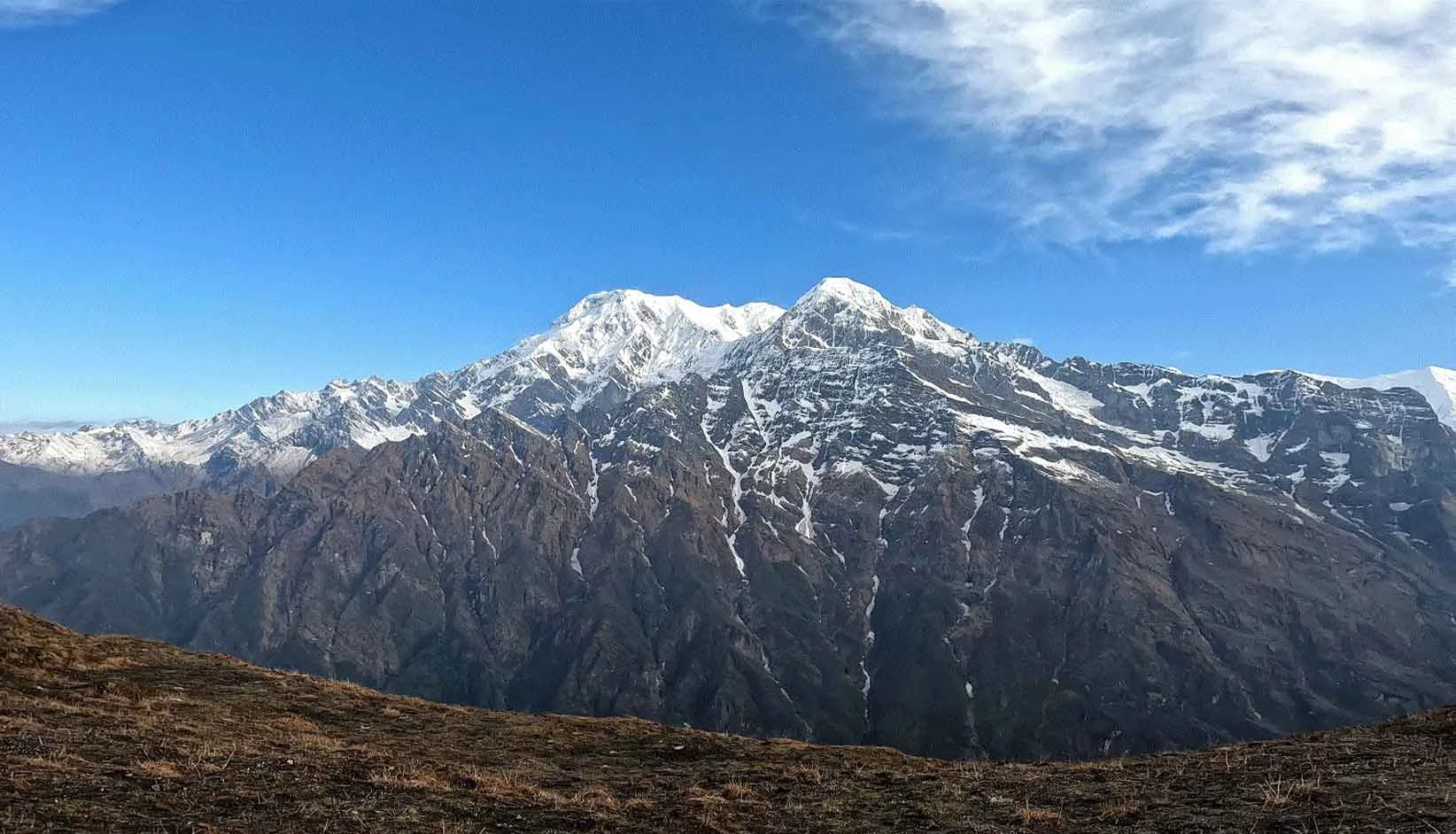
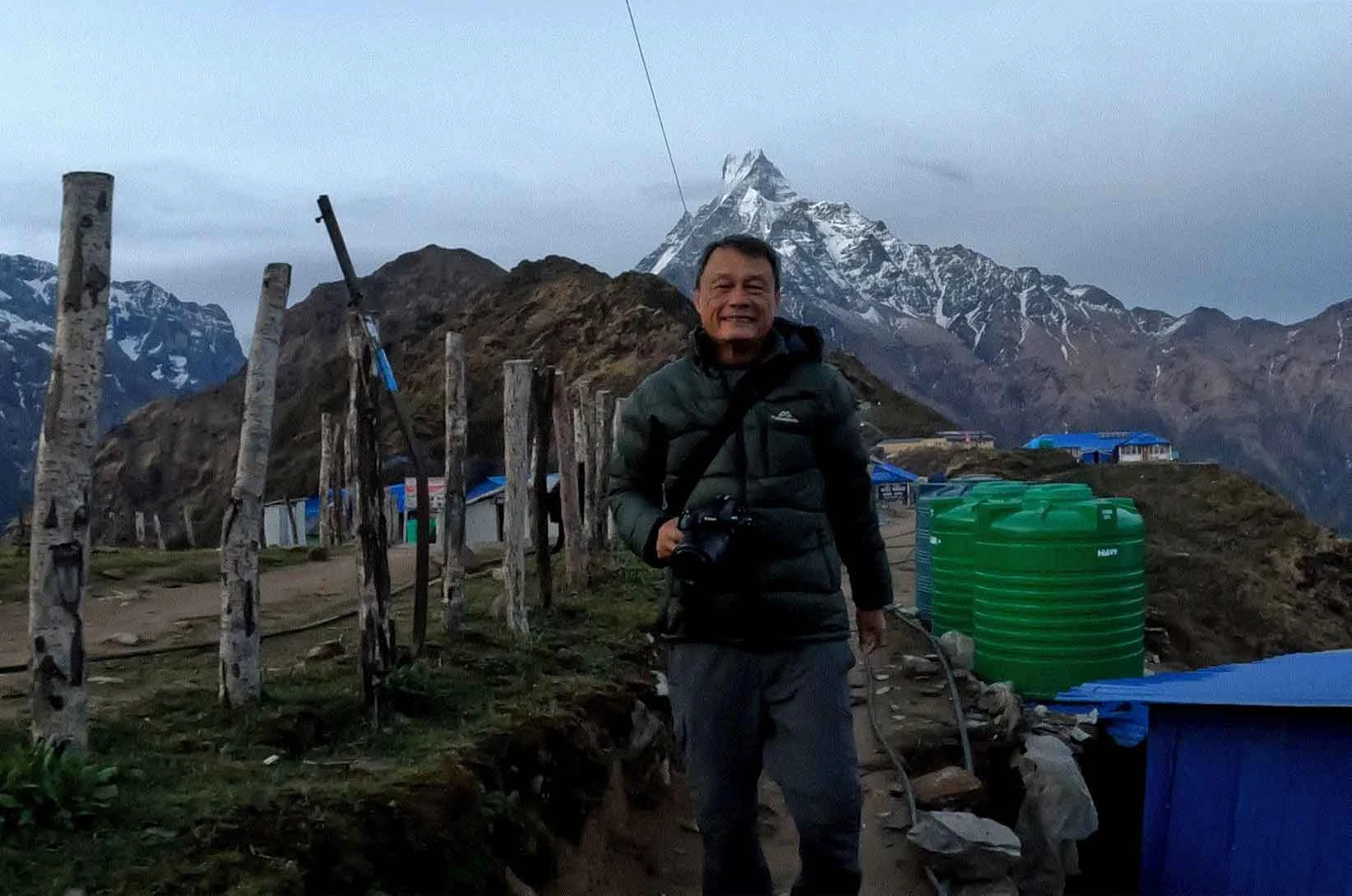
Along the way, you get close views of Machhapuchhre, Annapurna South, Hiunchuli, and Mardi Himal. Besides this, you stay in local tea houses, pass through Gurung community villages, learn about local communities' culture, communicate with local people, and see their daily lifestyle. Above all, you experience sunrise and sunset in the high Himalayas from High Camp and Mardi Himal Base Camp, which is truly surreal.
How Does the Short Mardi Himal Trek Itinerary Differ from the Classic Route?
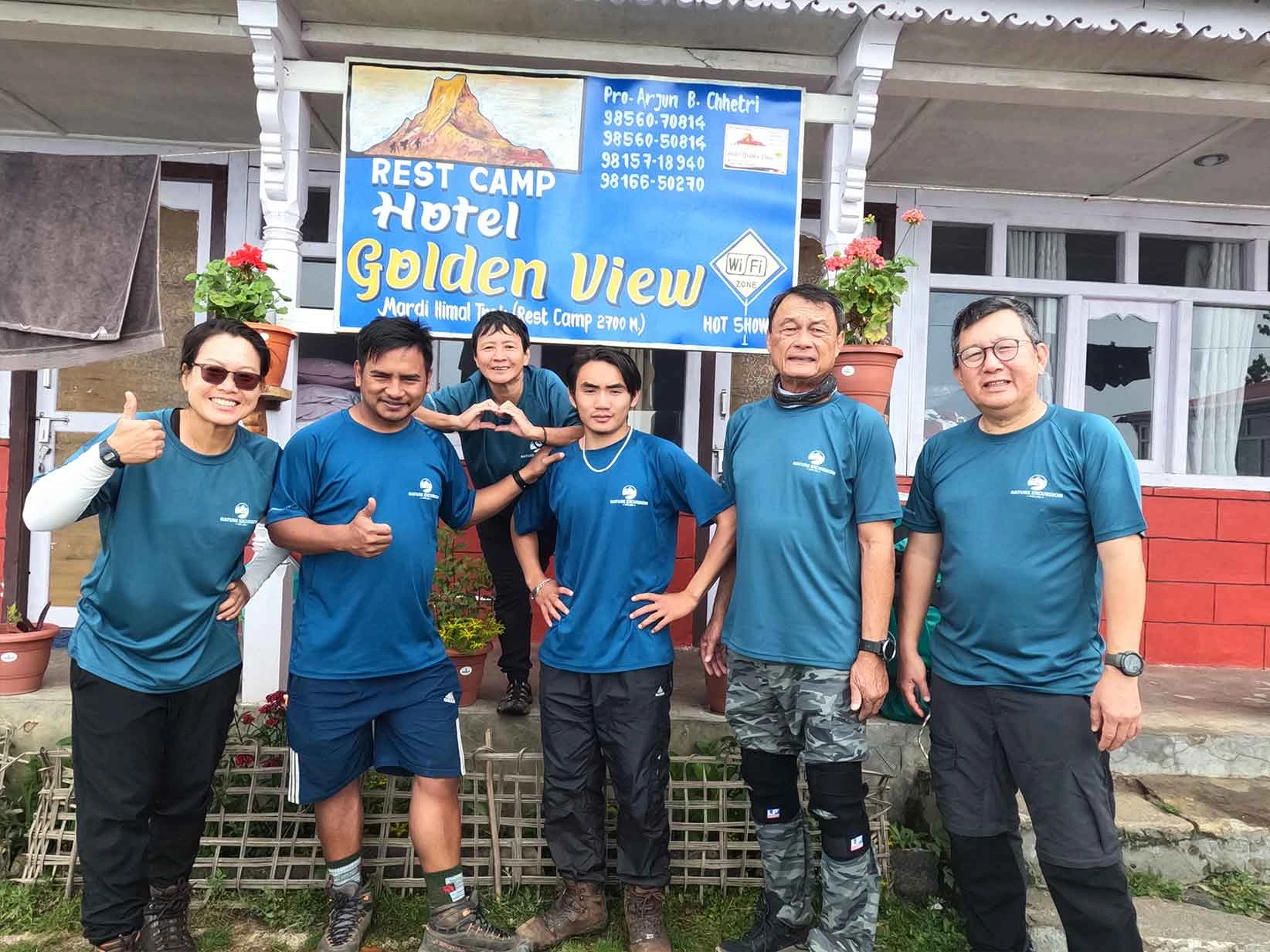
The Short Mardi Himal Trek follows the same main mountain corridor as the longer Mardi Himal Trek route but completes it in fewer days. At Nature Excursion, the itinerary of the short route moves from Pokhara to Dhampus Phedi, Pitam Deurali, Rest Camp, High Camp, Mardi Himal Base Camp, Low Camp, and Siding before returning to Pokhara. The longer route itinerary moves from Kathmandu to Pokhara, Dhampus, Pitam Deurali, Low Camp, High Camp, Mardi Himal Base Camp, Low Camp, Landruk, and back to Kathmandu from Pokhara.
This way, a classic or longer Mardi Himal itinerary normally spreads the climb and descent over more days. This allows more time for shorter walking stages, rest, weather delays, and gradual adjustment to the increasing altitude. Also, some treks may start from Kathmandu instead of Pokhara. The short route is better for travelers with limited time, but it requires a steadier pace and may feel a bit difficult. Likewise, a longer route is best for people who prefer slower walking, extra flexibility, or more time to adjust to the altitude.
Needless to say, the two routes share the same main attractions, which include:
- Forest trails and rhododendron-covered hills.
- High ridge walking beneath Machhapuchhre.
- Views of Mardi Himal, Annapurna South, and Hiunchuli.
- Teahouse accommodation.
- A hike toward Mardi Himal Base Camp.
How Difficult Is the Short Mardi Himal Trek?
The Short Mardi Himal Trek is a moderate trek with several steep uphill and downhill sections. The trekking trail includes uneven ground, stone steps, forest paths, and a more exposed upper section near High Camp and Mardi Himal Base Camp. Fortunately, the trail is well marked and established, and there are teahouses along the route.
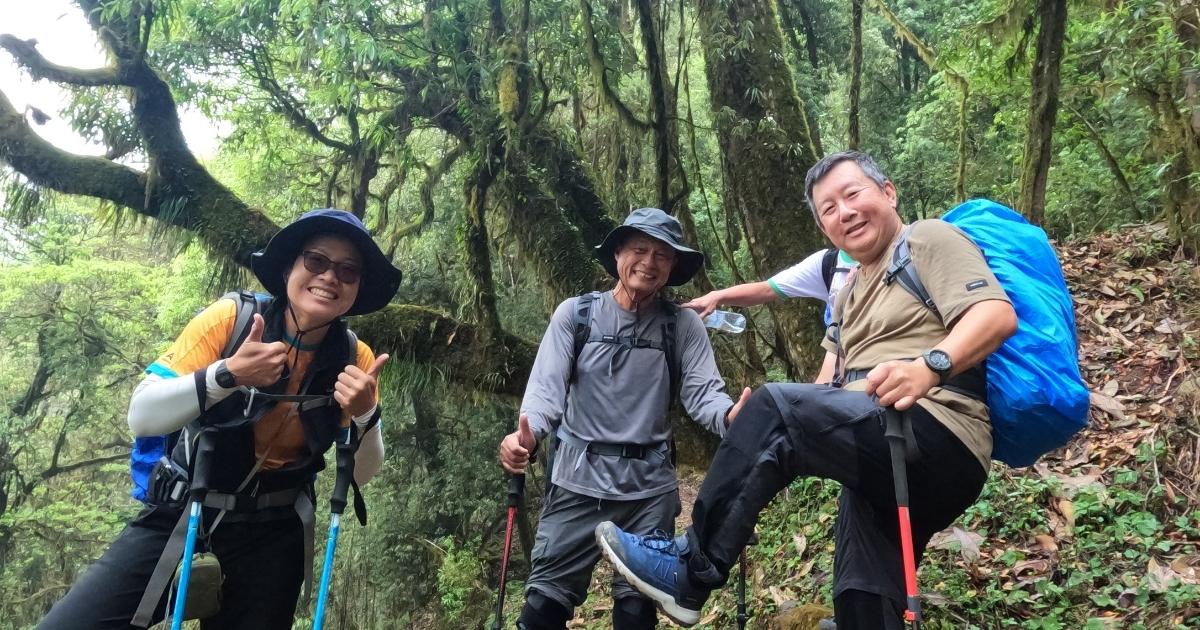
Even so, the 5 days schedule makes the trek more demanding than a longer version of the route. By preparing properly before the trek, maintaining a comfortable walking pace, wearing proper footwear and warm clothing, and trekking with an experienced guide, even a beginner can complete this trek. Weather and trail conditions may also affect the trekking experience, especially in the upper section.
Is There a High Risk of Altitude Sickness on the Mardi Himal Trek?
Altitude sickness is a real concern, although the risk varies from person to person. The upper part of the trek reaches high elevation quickly, and the short itinerary gives the body less time to adjust than a longer route. The risk is greatest around High Camp and during the hike toward Mardi Himal Base Camp.
Common early symptoms include headache, unusual tiredness, dizziness, nausea, loss of appetite, and difficulty sleeping. Headache combined with another symptom should not be ignored. The CDC advises gradual ascent, limiting sleeping-altitude gains above 3,000 m, and adding acclimatization time when needed.
Tell your guide immediately if you feel unwell. Do not continue higher if symptoms are getting worse. Serious symptoms such as confusion, difficulty walking, breathlessness at rest, or a persistent cough require immediate descent and medical assistance. So, don't ignore any sign. But the risk of altitude sickness isn't as high as the risk of altitude sickness in the Annapurna Circuit.
What Level of Fitness Do I Need for the Short Trek to Mardi Himal Trek?
You need a moderate level of fitness rather than athletic training for the Short Mardi Himal Trek. You should be able to walk uphill and downhill for several hours on uneven terrain on consecutive days while carrying a light daypack.
To prepare for the trek, walk regularly, using stairs, hiking on hills, and gradually increasing the length of your walks before the trek. Include some practice walks with the shoes and daypack you plan to use. Fitness helps, but it does not prevent altitude sickness. Thus, maintaining pace, hydration, rest, and honest communication with your guide remain important.
Is the Short Mardi Himal Trek Right for You?
The Short Mardi Himal Trek is a good choice if you want a compact Himalayan journey from Pokhara and are comfortable walking uphill and downhill for several hours on consecutive days. It suits prepared beginners, couples, solo travelers, photographers, and active families.
It may not be the best choice if you want a relaxed holiday, have limited hiking experience without time to prepare, or prefer a route with extra acclimatization and shorter walking days. In those cases, a longer Mardi Himal itinerary may be more comfortable.
Can Families with Children Do the Short Mardi Himal Trek?
Yes, active families can do the Short Mardi Himal Trek, but the five-day route should not be treated as an easy family walk. The trail includes steep sections, uneven ground, long walking days, cold weather, and a high-altitude hike toward Mardi Himal Base Camp.
Similarly, children should be able to walk for several hours and that they follow instructions on narrow or tiring sections of trail from their senior. Parents should consider a longer itinerary, a private guide, a flexible walking pace, and the option to stop below the highest point if a child becomes tired or develops altitude symptoms.
Can I Do the Mardi Himal Short Trek Without a Guide?
Yes, you can do the short Mardi Himal trek without a guide as it is not in a restricted area. However, a guide is still very useful for choosing the right route and daily stages, adjusting plans for weather or trail conditions, arranging teahouse stays, especially in busy seasons, and communicating with local villagers and responding to altitude issues, injuries, or other problems on the trail.
Is Short Trek to Mardi Himal Safe for Solo Female Hikers Staying in Teahouses?
Yes, the Short Trek to Mardi Himal can be safe for solo female hikers staying in teahouses, especially when they travel with a licensed guide and through a registered trekking agency. Teahouses offer basic rooms and shared social areas, but they are simple mountain lodges, not city hotels, so privacy and security standards are more limited.
For a safer and more comfortable experience, it’s recommended to:
- Trek with a licensed guide and share the daily route with someone at home.
- Stay in established teahouses recommended by the guide.
- Keep passport, money, phone, and other valuables secure.
- Avoid hiking alone after dark or leaving the main trail without informing the trek guide.
- Confirm the room arrangement before settling in for the night.
- Carry travel insurance that covers trekking at the planned altitude.
- Tell the guide immediately about illness, harassment, unsafe behavior, or uncomfortable accommodation.
Mardi Himal Weather Variation
The Short Mardi Himal Trek moves through several climate zones, from the warm hills near Pokhara and Dhampus to the cold, exposed ridge above High Camp. As the elevation increases, temperatures drop, winds become stronger, and the weather can change quickly.
The figures below are approximate daytime and nighttime ranges, not fixed forecasts. Actual conditions vary with the month, cloud cover, wind, snow, and the exact overnight location.
Lower Trail (Dhampus to Pitam Deurali):
- Winter: 4°C to 14°C (39°F to 57°F)
- Spring: 10°C to 25°C (50°F to 77°F)
- Summer and monsoon:14°C to 29°C (57°F to 84°F)
- Autumn: 8°C to 24°C (46°F to 75°F)
Middle Trail (Rest Camp and Low Camp)
- Winter: -4°C to 8°C (25°F to 46°F)
- Spring: 2°C to 18°C (36°F to 64°F)
- Summer and monsoon: 8°C to 21°C (46°F to 70°F)
- Autumn: 4°C to 16°C (39°F to 61°F)
Upper Trail (High Camp and Mardi Himal Base Camp)
- Winter: -10°C to 6°C (14°F to 43°F)
- Spring: -5°C to 12°C (23°F to 54°F)
- Summer and monsoon:4°C to 16°C (39°F to 61°F)
- Autumn: -3°C to 12°C (27°F to 54°F)
What is the best time to do the Short Mardi Himal Trek?
The best seasons for the Short Mardi Trek are spring, from March to May, and autumn, from September to November. These periods provide a good balance of clearer skies, manageable temperatures, and better trail conditions.
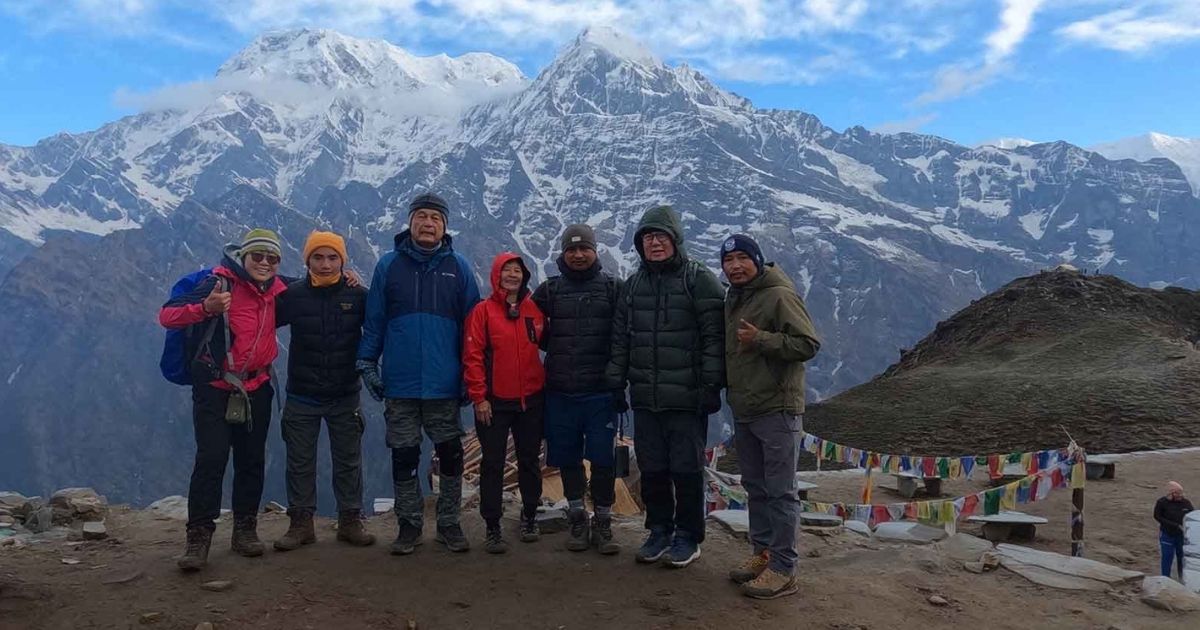
For the most stable weather and sharp mountain visibility, October and November are usually the strongest months. March and April are also excellent, especially for trekkers who want to see rhododendron flowers in the forest. Early September and late May can also be possible, but weather becomes less predictable. The short itinerary is more sensitive to rain, snow, fog, and trail conditions because it has limited flexibility, so it’s essential to check the forecast and confirm upper-trail conditions before starting.
Spring: March to May
Spring is a beautiful season for the short trek to Mardi Himal. The lower and middle sections become colorful with blooming rhododendrons, the days gradually become warmer, and mornings often offer clear mountain views.
March can still offer cold nights and snow on the upper trail. April usually offers a good combination of comfortable walking temperatures, dry paths, and clear views. In May, the lower areas become warmer, but afternoon clouds and pre-monsoon showers may become more common.
Autumn: September to November
Autumn is usually the most reliable season for the trek. The monsoon rains gradually clear in September, leaving greener landscapes and improving visibility. October and November bring dry trails, crisp mornings, and clear views of Machhapuchhre, Annapurna South, Hiunchuli, and Mardi Himal. Nights become colder as winter approaches, especially at High Camp. Carry warm layers even during the autumn season.
Furthermore, many trekkers choose the autumn season because of its festive advantage. This is when Nepal’s biggest festivals, Dashain and Tihar, are celebrated across the country, including in the villages along the Mardi Himal trek. Thus, trekkers have a chance to experience traditional music, dance, and hospitality.
Winter: December to February
Winter trekking is possible, but the upper trail can be cold, windy, and affected by snow or ice. The Base Camp section may become difficult or temporarily inaccessible after heavy snowfall. Teahouse facilities may also be more limited than during the main trekking seasons.
Choose winter only if you are prepared for freezing nights, shorter daylight hours, and possible itinerary changes. Your guide should check current trail conditions before the High Camp to Base Camp hike.
Monsoon: June to August
The monsoon brings frequent rain, cloud, and poor visibility. Lower forest trails may become muddy, slippery, and affected by leeches, while the upper ridge can remain covered by fog. Mountain views are less reliable during this period.
The trek can still be arranged during the monsoon, but it is not the best season if clear Annapurna views are your main priority. Build flexibility into the itinerary and carry reliable rain protection.
How Cold Does It Get During the Trek?
Temperatures vary considerably with elevation, time of day, wind, cloud, and season. Lower sections around Dhampus, Pothana, and the forest camps can feel mild during the day, especially in spring and autumn. Mornings and evenings become colder as you climb toward Rest Camp, High Camp, and Mardi Himal Base Camp.
At the upper camps, nights can fall to around freezing or below freezing, particularly in winter and early spring. Wind can make the ridge feel colder than the actual air temperature. Pack thermal layers, a warm fleece or down jacket, gloves, a hat, warm socks, and a suitable sleeping bag. Temperature ranges should be treated as estimates rather than guarantees because mountain weather can change quickly.
Short Mardi Himal Trek vs Poon Hill Trek
Both the Short Mardi Himal Trek and Poon Hill Trek are popular short treks from Pokhara, but they offer different experiences. Poon Hill is easier and lower, while the Short Mardi Himal Trek is a bit more difficult and reaches a much higher mountain environment. Poon Hill rises to about 3,210 m, whereas the Mardi Himal route reaches around 4,500 m at Base Camp.
Feature | Short Mardi Himal Trek | Poon Hill Trek |
Best for | Travelers wanting close mountain views and a higher Himalayan experience | First-time trekkers, families, and travelers wanting an easier short trek |
Typical duration | 5 days | Usually 3-5 trekking days, depending on the route |
Highest point | Mardi Himal Base Camp, around 4,500 m | Poon Hill, around 3,210 m |
Difficulty | Moderate, with steeper upper sections and greater altitude | Easy to moderate, with many stone steps but lower altitude |
Main views | Close views of Machhapuchhre, Mardi Himal, Annapurna South, and Hiunchuli | Wide sunrise views of the Annapurna and Dhaulagiri ranges |
Trail experience | Forests, open ridges, high mountain terrain, and quieter sections | Gurung villages, rhododendron forests, terraced hills, and established settlements |
Altitude concern | Higher, so pacing and altitude awareness are important | Lower, with less altitude-related concern for most trekkers |
Overall feeling | A more remote and adventurous ridge trek | A comfortable cultural trek with a famous sunrise viewpoint |
Choose the Short Mardi Himal Trek if you want a quieter route, close-up views of Machhapuchhre, and the feeling of reaching a high mountain base camp. It is a strong choice for travelers with limited time who are prepared for steep walking and higher altitude.

Choose Poon Hill if this is your first trek, you are traveling with children, or you prefer a lower and generally easier route with more frequent villages and tea houses. Poon Hill may also be the better option if your main goal is a short sunrise hike with broad views rather than a high-ridge adventure.
Neither trek is universally better. Mardi Himal is better for close mountain scenery and adventure; Poon Hill is better for easier walking, family travel, and a classic Himalayan sunrise experience. The short Mardi Himal route is moderately difficult rather than technically difficult, but its higher elevation makes preparation more important than on Poon Hill.