.webp)
.webp)
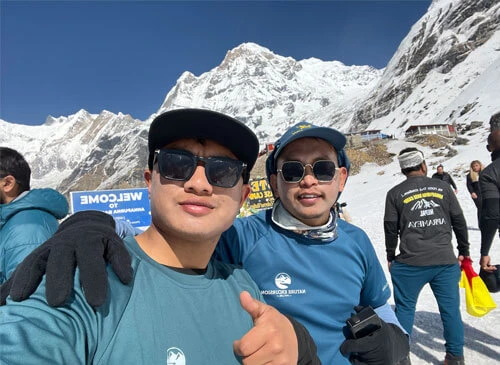
The Annapurna Base Camp is a classic trek in Nepal. It is widely known for its diverse terrain, beautiful landscapes, adventure, and the heartwarming hospitality of the locals. This package offers a short version of the famous Annapurna Base Camp trek, 13 days.We have curated this short ABC trek for travelers who are tight on time and looking for a quick trek to the lap of the tenth-highest mountain in the world, Mount Annapurna (8,091 m/26,545 ft).
The adventure begins in the vibrant city of Pokhara, often referred to as the 'Gateway to the Annapurnas.' From Pokhara, trekkers embark on a scenic drive to Jhinu Danda via Nayapul, the starting point of the trek. The trail winds through terraced fields, picturesque villages, and dense rhododendron forests, offering a glimpse into the daily lives of the local Gurung and Magar communities.
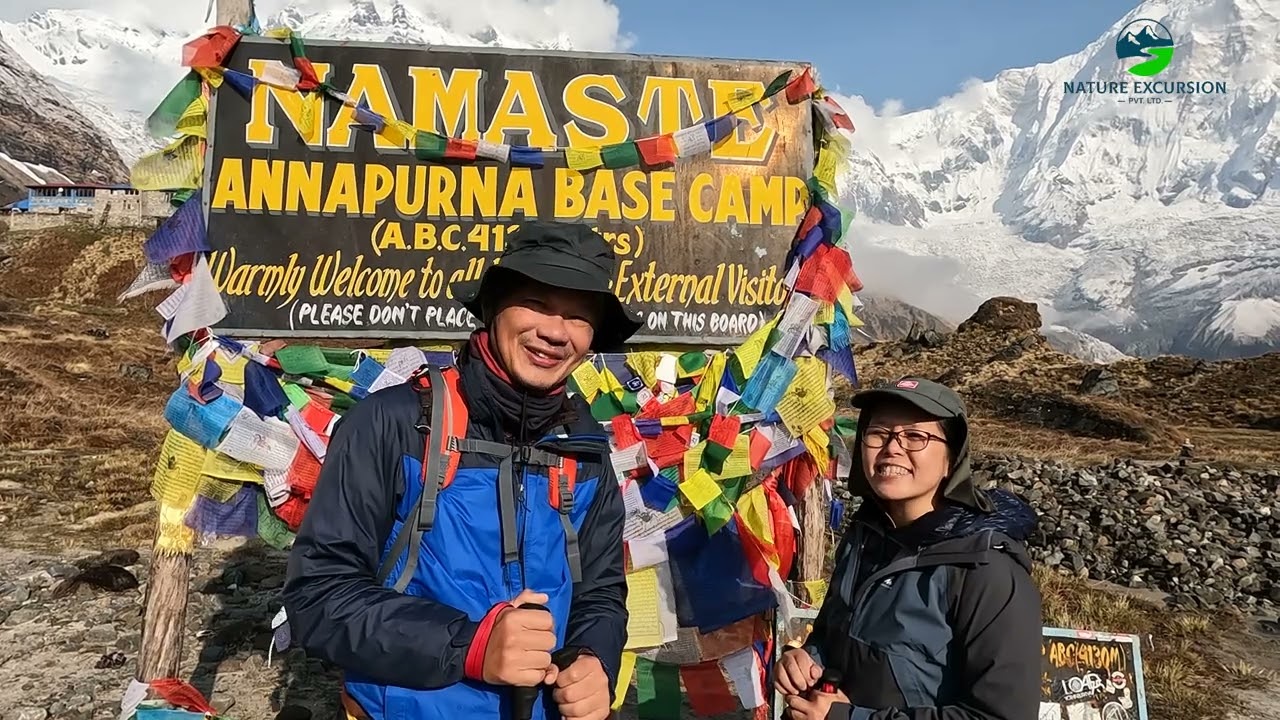
As you ascend, the landscape changes from lush green hills to magnificent vistas of snow-capped peaks, including Annapurna I (8,091 m/26,545 ft), Dhaulagiri (8,167 m/26,795 ft), Hiunchuli (6,441 m/21,132 ft), Nilgiri (7,061 m/23,166 ft), Machapuchare (8,167 m/26,795 ft), Gangapurna (7,455 m/24,459 ft), etc. The climax of the trek is Annapurna Base Camp at 4,130 meters (13,550 ft). Here, trekkers are rewarded with unparalleled views of the majestic Himalayas.
The Annapurna Base Camp short trek 7 days is not just about the physical challenge; it's a cultural immersion, too. Along the trail, trekkers have opportunities to interact with friendly locals, taste traditional Nepali cuisine, and visit ancient temples and monasteries. Whether you are a seasoned trekker or a novice adventurer, the Annapurna Base Camp short trek promises an unforgettable journey through one of Nepal's most stunning regions.
What to expect during the Annapurna Base Camp short trek in Nepal?
The Annapurna Base Camp short trek provides a diverse and enriching experience. While this trek is less difficult than some other treks in the region, it's essential to be properly prepared for the journey. You will trek a minimum of 6 hours a day, so ensure you have good health and fitness with regular cardio and strength training.
The terrain of the Annapurna Base Camp short trek route varies from subtropical forests and terraced fields at lower elevations to alpine meadows and glacial moraines at higher altitudes. The trail includes both uphill and downhill sections, with some steep and rocky parts. You can use trekking poles for better stability. Likewise, the weather can change at any time, so pack all kinds of clothes.
Likewise, the Annapurna Base Camp short trek offers some of the most spectacular views in the Himalayas. As you ascend through lush forests and terraced fields, you'll be treated to panoramic vistas of snow-capped peaks. The highlight of the trek is reaching Annapurna Base Camp itself, where you're rewarded with breathtaking 360-degree views of towering peaks that seem to pierce the sky.
Last-minute Annapurna Base Camp short trek booking
If you're looking to book the Annapurna Base Camp short trek at the last minute, we've got you covered. Here's how you can secure your spot:
- Online booking: You can initiate the booking process by sending us your request through our website. Once you've decided on your trekking dates and details, make the full payment via our secure online payment system.
- In-person booking (if you're already in Kathmandu): If you're already in Kathmandu, don't hesitate to contact us or visit our office directly to book your Annapurna Base Camp short trek. Our team will be happy to assist you in finalizing your trip details.
*Note: Please note that last-minute bookings require full payment upfront. Once the booking is confirmed, it becomes non-refundable.
Annapurna Base Camp short trek cost
Do the Annapurna Base Camp short trek at just Rs. 650 per person. Join a group to get more discounts and benefits. Likewise, if you have the budget, you can also do a luxury Annapurna Base Camp short trek. Carefully read our cost includes and excludes section on site and prepare for additional expenses as per that.
If you have any questions, feel free to talk to us.
Benefits of Annapurna Base Camp short trekking with us
Join us to get the most affordable Annapurna Base Camp short trek cost. Our Annapurna Base Camp short trek itinerary is well-designed and does not ascend more than 500 meters a day, making sure you are getting ample time to acclimatize. You will trek with a local guide during the Annapurna Base Camp short trekking. He will make the journey hassle-free for you and quite informative.
Given our long history of leading individuals and groups in the Himalayas, we assure you a safe and memorable Annapurna Base Camp short trek!
Below are some of the benefits you will get by trekking with Nature Excursion:
- free farewell dinner
- free airport pickup and drop-off
- flexible itinerary
- budget-friendly trekking packages
- duffel bag and company t-shirt (you have to return the duffel bag at the end of the trek and keep the t-shirt with yourself)
- fix departure
- 24/7 support
- no hidden costs
- native guides & porters
Alternative trekking packages and customize the Annapurna Base Camp short trek itinerary
Our Annapurna Base Camp short trek itinerary is very flexible. You can customize the package according to your requirements. You can extend the trek to other beautiful destinations in the Annapurna region or include extra activities like yoga, paragliding, helicopter flights, etc. We have lots of options that you can play around with.
Likewise, these are some other famous treks in Nepal: the Everest base camp trek, Langtang Valley trek, Upper Mustang trek, Gokyo Lake trek, Manaslu circuit trek, Annapurna circuit trek, and Ghorepani Ghandruk trek. Also, check out our tour and climbing packages.

.webp)




-(1).webp)