Ganesh Himal and Ruby Valley Trek – 9 Days

Quick Facts
  • Trip Duration9 Days
  • Destination Nepal
  • Difficulty Level Moderate
  • Maximum Altitude 3,850 m (Pangsang La Pass)
  • Activity Trekking, Cultural & Nature Exploration
  • Starts/Ends Kathmandu / Kathmandu
  • Group Size 1 - 16
  • Transportation Local Bus (Kathmandu-Syabrubesi-Dhading Besi-Kathmandu)
  • Best Season Spring (Mar – May) and Autumn (September – November)
  • Accommodation Hotel + Homestay
  • Avg. hours of walk/day 4-7 hours
  • Comfort Basic
  • Interest option Wildlife, nature, culture, photography, adventure, etc

Ganesh Himal and Ruby Valley Trail Psychology

How You Feel During the Trek

Curiosity → Comfort → Discovery → Connection → Gratitude → Reflection

  • Curiosity: The journey starts with a drive from Kathmandu into the hills of central Nepal. As you leave the city behind and enter the villages, you naturally become curious about the region’s beauty.
  • Comfort: During the first few days, you walk through the Tamang and Gurung villages, where friendly locals and local hospitality create a sense of comfort.
  • Discovery: As you travel deeper into the Ganesh Himal region, you will discover forests, open mountain grasslands, the Ruby Valley, and new local cultures each day.
  • Connection: Reaching viewpoints such as Pangsang La Pass and spending time in mountain communities connect you with nature and Himalayan life.
  • Gratitude: Standing before the beautiful views of Ganesh Himal, Langtang, and Manaslu while realizing how few travelers visit this region fills many trekkers with gratitude.
  • Reflection: As you descend toward the road and return to everyday life, the memories of mountain villages and landscapes stay with you long after the journey ends.

Emotions You May Feel

  • Peaceful
  • Curious
  • Grateful
  • Connected

How Your Mind Changes

  • Start: You feel excited to explore an unfamiliar region.
  • Middle: You become more connected with nature and local communities.
  • Higher viewpoints: You feel inspired by the Himalayan panoramas.
  • Final days: You appreciate the simplicity and authenticity of mountain life.
  • Coming back: You feel refreshed, mentally lighter, and grateful for the experience.

Connection & Solitude Ratio

  • Connection Level: 70% – Regular interactions with Tamang and Gurung villages, homestays, and local communities throughout the Ruby Valley.
  • Solitude Level: 30% – Uncrowded forest trails and mountain viewpoints where you can enjoy nature with few other trekkers.

Why You'll Love This Trip

  • You will sleep inside the actual stone-and-timber homes of Tamang and Gurung families.
  • Walk through an abandoned, high-altitude 1.4-km ruby and zinc mining tunnel if you wish.
  • Witness two high-altitude glacial lakes: Kalo Kunda (Black Lake) and Seto Kunda (White Lake).
  • Eat 100% organic meals pulled straight from village gardens.
  • Soothe your leg muscles in mineral-rich geothermal hot springs (Tatopani) near Chalish Gaon.
  • Cross suspension bridges above the Budhi Gandaki and Ankhu Khola.
  • Watch for Himalayan wildlife such as Himalayan thar, musk deer, langurs, Himalayan monal, and numerous colorful mountain birds.
  • Capture Ganesh Himal (7,422 m), Langtang Lirung (7,227 m), Manaslu (8,163 m), Boudha Himal (6,672 m), and the Annapurna range views.

Ganesh Himal and Ruby Valley Trek Overview

“The best journeys are the ones that lead you beyond the mountains and into the heart of the people who call them home.”

The Ganesh Himal and Ruby Valley Trek is one of the least-explored trekking adventures in Nepal. It’s located northwest of Kathmandu between the Langtang and Manaslu regions. This trek takes you around Ganesh Himal, a mountain range named after the Hindu god Lord Ganesh because one of its peaks resembles an elephant’s head. The trail reaches its highest point at Pangsang Pass (3,850 m), where trekkers can witness Ganesh Himal, Langtang Himal, Manaslu, and several other Himalayan peaks without climbing to extreme altitudes.

The trek route roams around the Ruby Valley Rural Municipality, a remote area known for its natural hot springs, waterfalls, and Tamang settlements. Spring brings forests full of blooming rhododendrons, while autumn offers cloudless mountain views under stable weather.

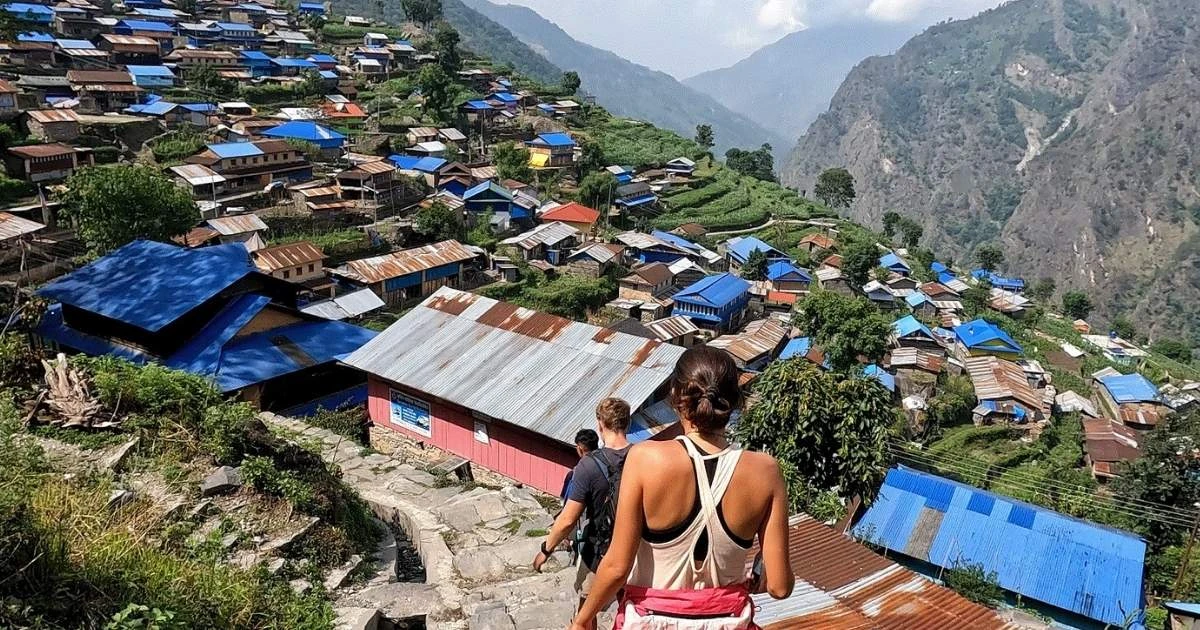
Beyond its natural beauty, the trek introduces travelers to the daily lives of Tamang, Gurung, Brahmin, Chhetri, and Dalit communities. Villages such as Gatlang, Somdang, Tipling, Borang, and Chalis Gaon welcome visitors with warm hospitality and centuries-old cultural practices. Trekkers can also visit the sacred Parvati Kunda, relax in the natural hot springs at Tatopani, and witness traditional farming and weaving that are an important part of local life in this Ruby community.

Although the region once became known for deposits of ruby and other gemstones discovered near Somdang, its true treasure lies in its geography, mountain culture, and locals honesty. This trek is one of the excellent choices to escape from a busy schedule of life and explore the scenery of nature. You don’t need to worry whether you are an experienced trekker or a first-time trekker; the Ruby Valley trip is suitable for all and promises memories youll remember for a lifetime.

Flow of Journey

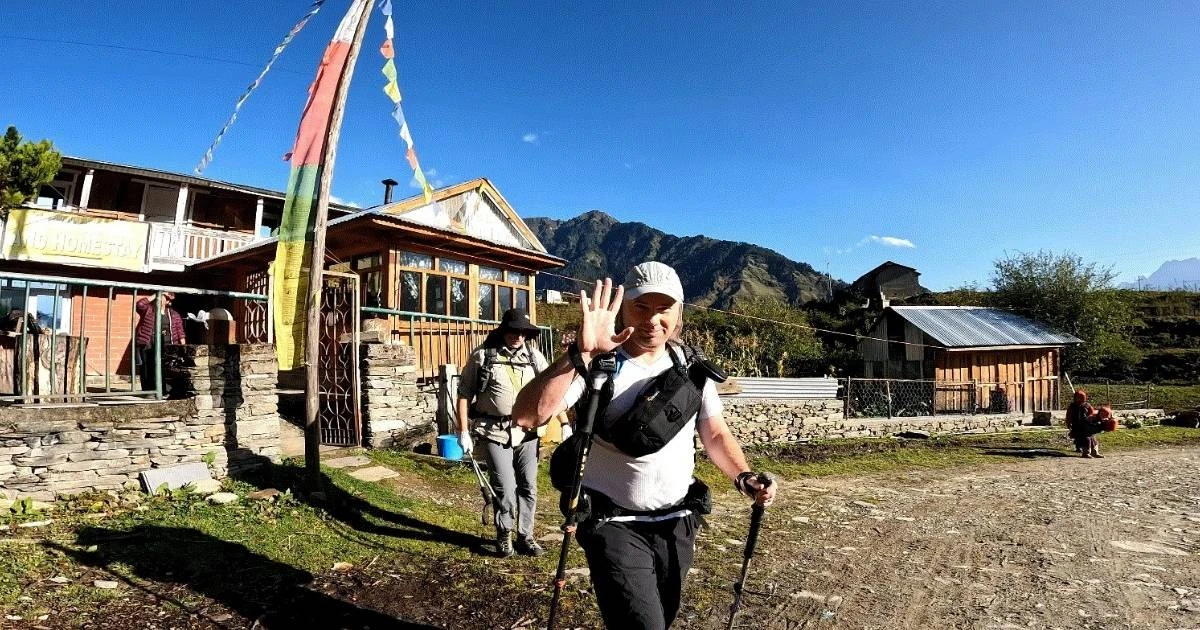
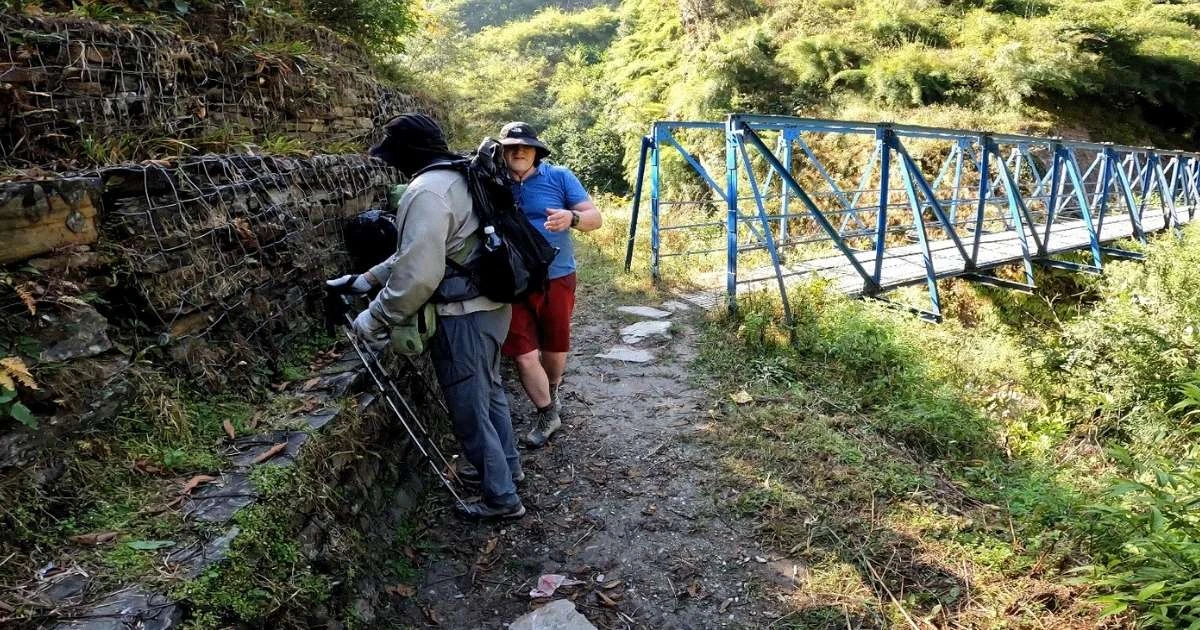
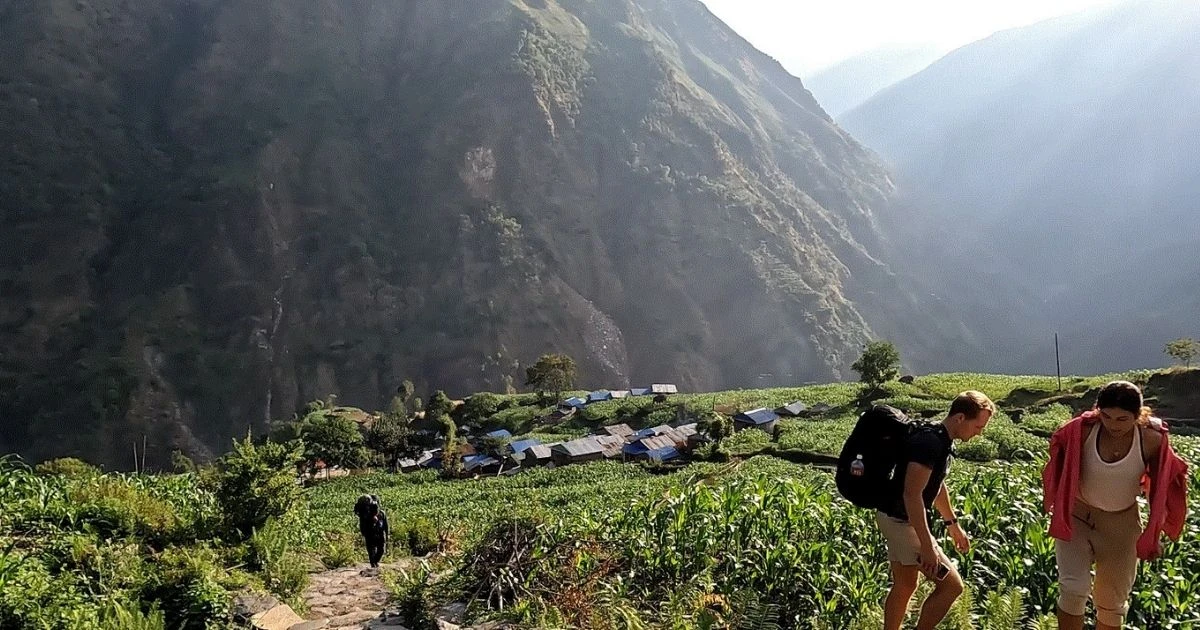
The Ganesh Himal and Ruby Valley journey starts with a scenic drive from Kathmandu to Syabrubesi. During the first few trekking days, the journey traverses forests of pine, oak, and rhododendron and reaches Tamang settlements such as Gatlang and Somdang. On the way, you cross suspension bridges, walk on old stone paths, and enjoy beautiful views of Ganesh Himal and the Langtang range. 

The trek reaches its highest point at Pangsang La Pass (3,850 m). From the pass, the route descends into the Ruby Valley, where you visit villages such as Tipling and Chalish Gaon. The warmer climate, traditional homestays, and natural hot springs beside the Ankhu Khola provide a relaxing end to the trek. After exploring the valley, you drive through Dhading Besi and return to Kathmandu with lasting memories of the least-visited Himalayan regions in Nepal.

Itinerary

Day1
  • Drive Distance:5.8 km (Tribhuvan International Airport to Thamel)
  • Drive Duration:20-30 minutes
  • Sleep Elevation:1,400 m
  • Overnight Place:Kathmandu
  • Day's Difficulty:Gentle (no physical demand)

After stepping off the plane, you will enter the main terminal building to process your Visa on Arrival (unless you secured one beforehand). If you already have a visa, simply show it to the immigration officer and proceed downstairs to collect your trekking duffel and backpack. As you exit the terminal doors into the outdoor arrival area, you will be met by a group of people holding signboards. Look for your name and our trekking agency's logo. 

Once you meet us, we will travel by tourist vehicle to the hotel. You will check in and meet your lead trekking guide in the hotel lobby. They will conduct a briefing covering your daily itinerary, trail safety, and weather conditions. Your guide will also review your packing list. If you are missing any essential items, you can easily buy them in the Thamel area.

Included activities:

  • Airport pickup and hotel transfer
  • Trek briefing and gear check
  • Purchase missing items
  • Free time to explore Thamel areas
Day2
  • Meals:Lunch, Dinner
  • Accommodation:Teahouse
  • Drive Distance:122 km
  • Drive Duration:7-9 hours
  • Sleep Elevation:1,503 m
  • Overnight Place:Syabrubesi
  • Day's Difficulty:Moderate (long mountain drive)

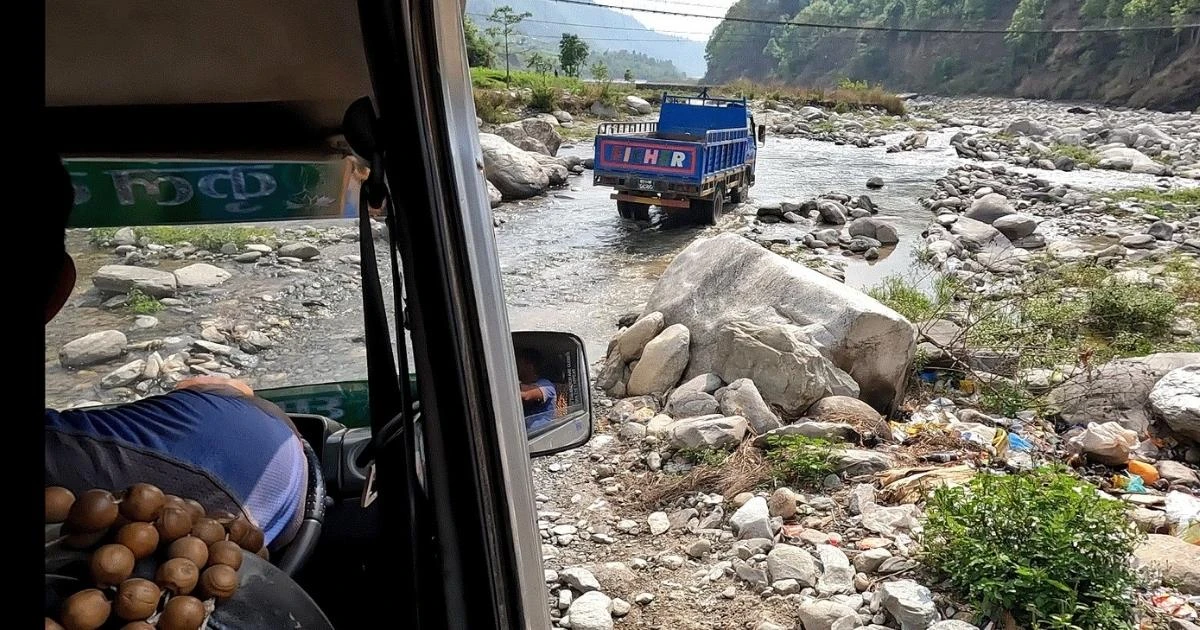
The day starts early, around 6:00 AM or 7:00 AM, to avoid the heavy traffic at the Kakani exit of the Kathmandu Valley. As we leave the city, the road enters the subtropical valley of the Trishuli River. Around midday, vehicles pull over in Trishuli Bazaar or Battar for a fresh lunch of local Dal Bhat.

After lunch, the real mountain driving begins. As we climb past 1,400 m, the tropical air cools down, replaced by cool mountain breezes and thick forests of oak, pine, and giant hemlocks. Before reaching our final destination, the vehicle will stop at the town of Dhunche, the administrative headquarters of the Rasuwa District. 

This is an official army checkpoint at the entrance to Langtang National Park. Our trekking guide will take your passports to the ranger counter to physically register and stamp your Langtang National Park Entry Permit. After all check-ins, we will drive for another 1-1.5 hours until we arrive at Syabrubesi.

Included activities:

  • Scenic drive from Kathmandu to Syabrubesi
  • Lunch at Trishuli Bazaar area
  • Pass through Dhunche 
  • Check into a local lodge
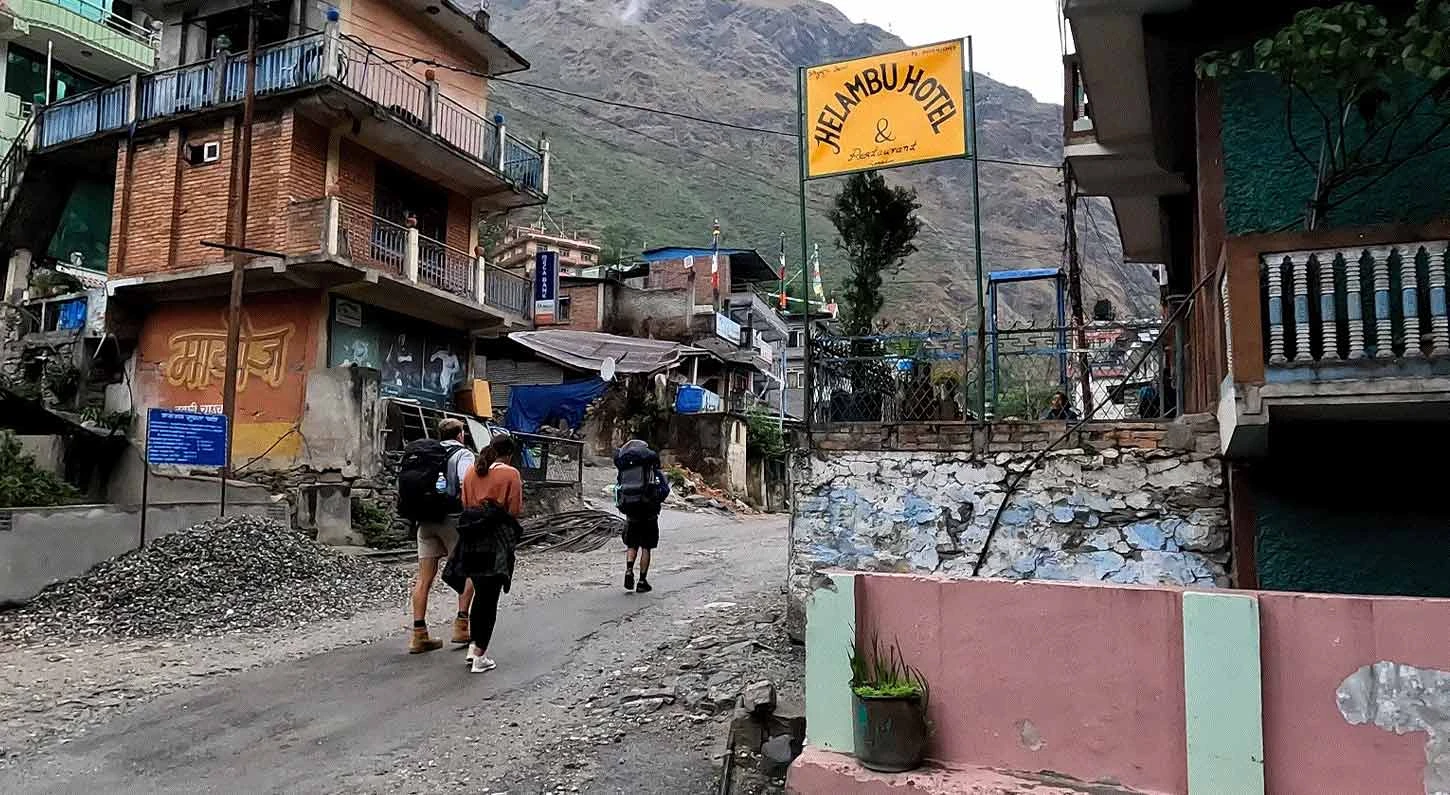
Syabrubesi
way to syabrubesi
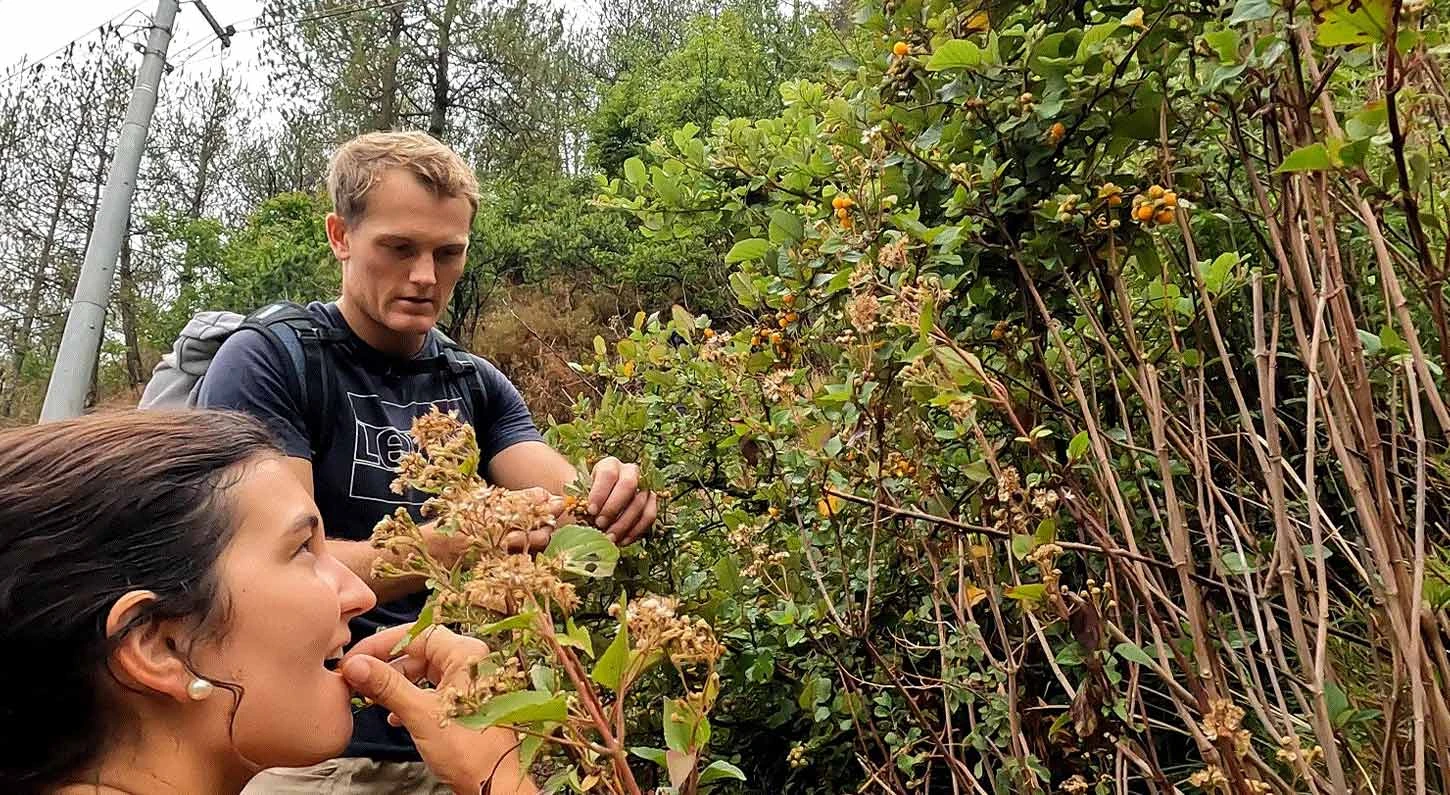
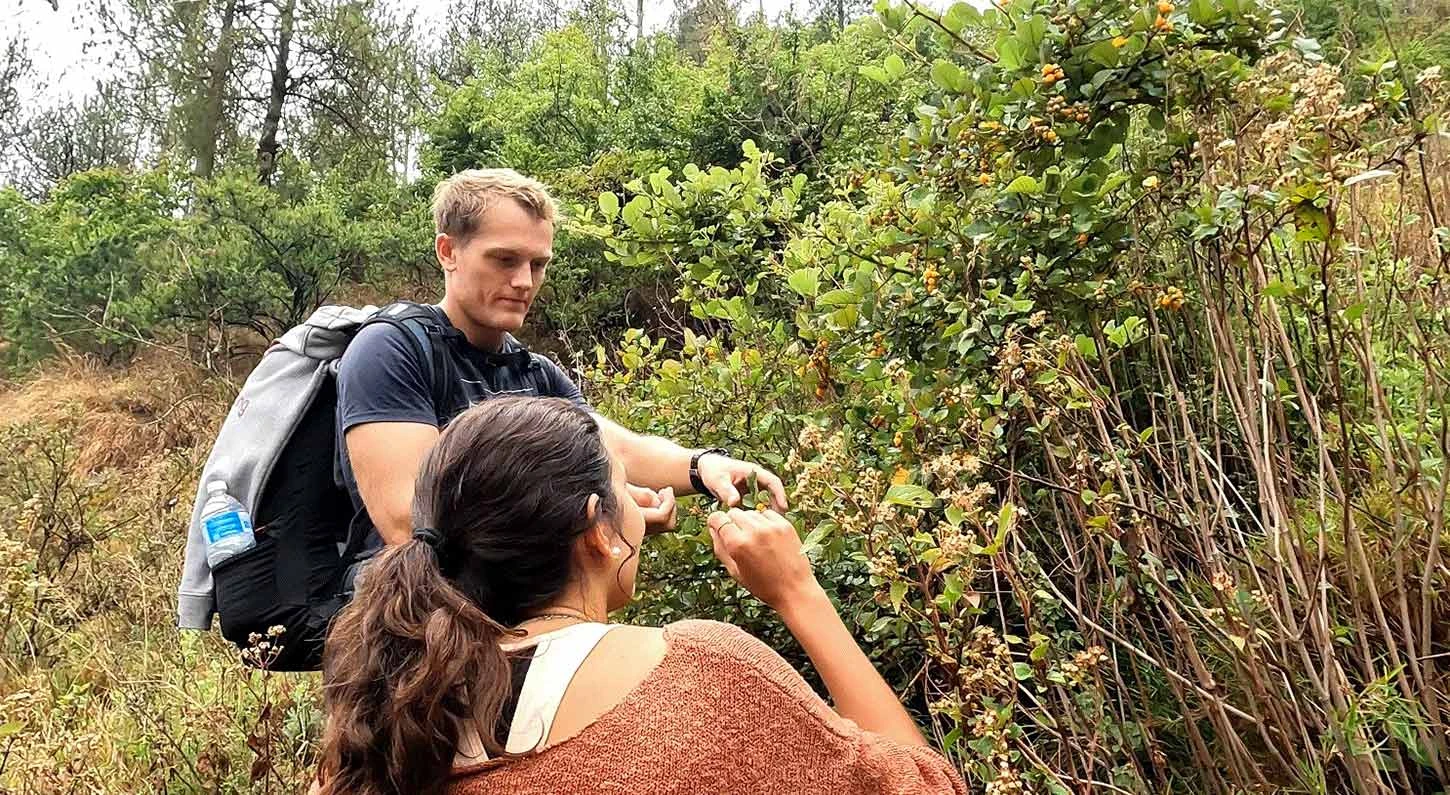
Eating berries
Eating local berries
Day3
  • Meals:Breakfast, Lunch, Dinner
  • Accommodation:Teahouse
  • Trek Distance:12 km
  • Trek Duration:5-6 hours
  • Sleep Elevation:2,238 m
  • Overnight Place:Gatlang
  • Day's Difficulty:Moderate to Challenging

Our morning starts with a steep climb. For the first 2 to 3 hours, we will face a zig-zag climb up stone steps and reach Rongga Bhanjyang (2,190m). This ridge is a natural rest stop. On a clear morning, we can look back to see beautiful views of the Ganesh Himal range, Gosainkunda peaks, and the Langtang Valley.

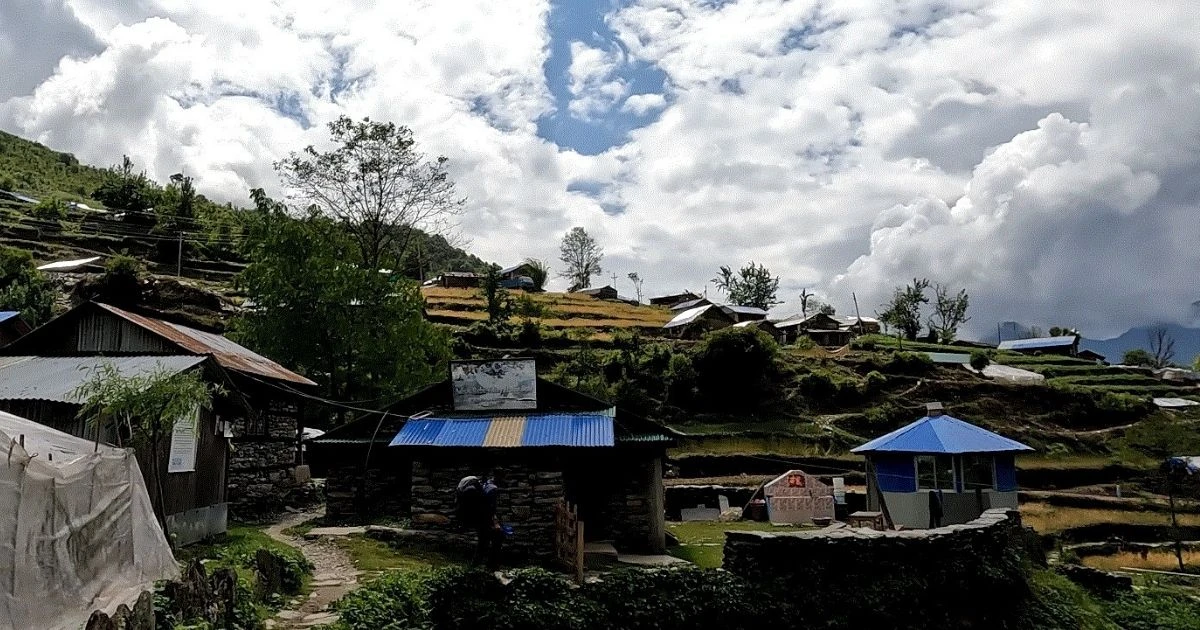
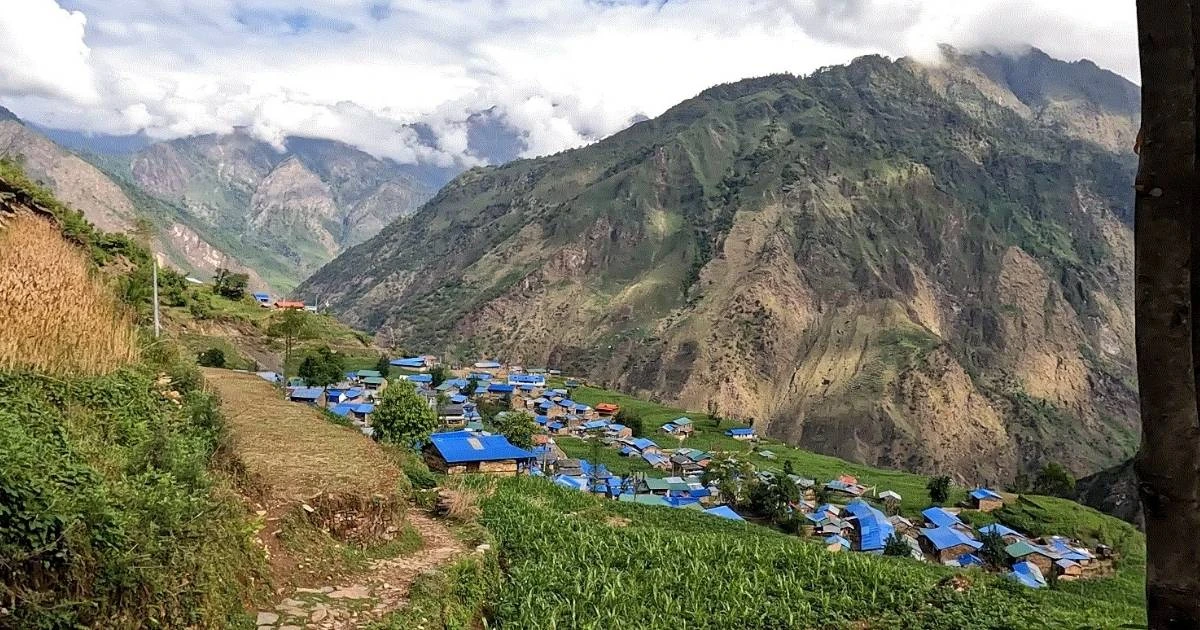
After the ridge, we will pass the village of Goljung, where most of the locals belong to the Tamang community. We will see our first mani walls (stone structures carved with Buddhist mantras) and prayer flags fluttering in the breeze here. Our crew will stop here at a tiny local home for a lunch of boiled mountain potatoes served with local chili paste, or a hot plate of Dal Bhat. After lunch, we will continue with a 1.5-hour hillside walk to reach the village of Gatlang. It is famous for its black wooden shingle roofs and Tamang culture.

Included activities:

  • Cross the Bhote Koshi River and climb to Rongga Bhanjyang
  • Pass the Tamang village of Goljung
  • Witness Ganesh Himal and Langtang Himal
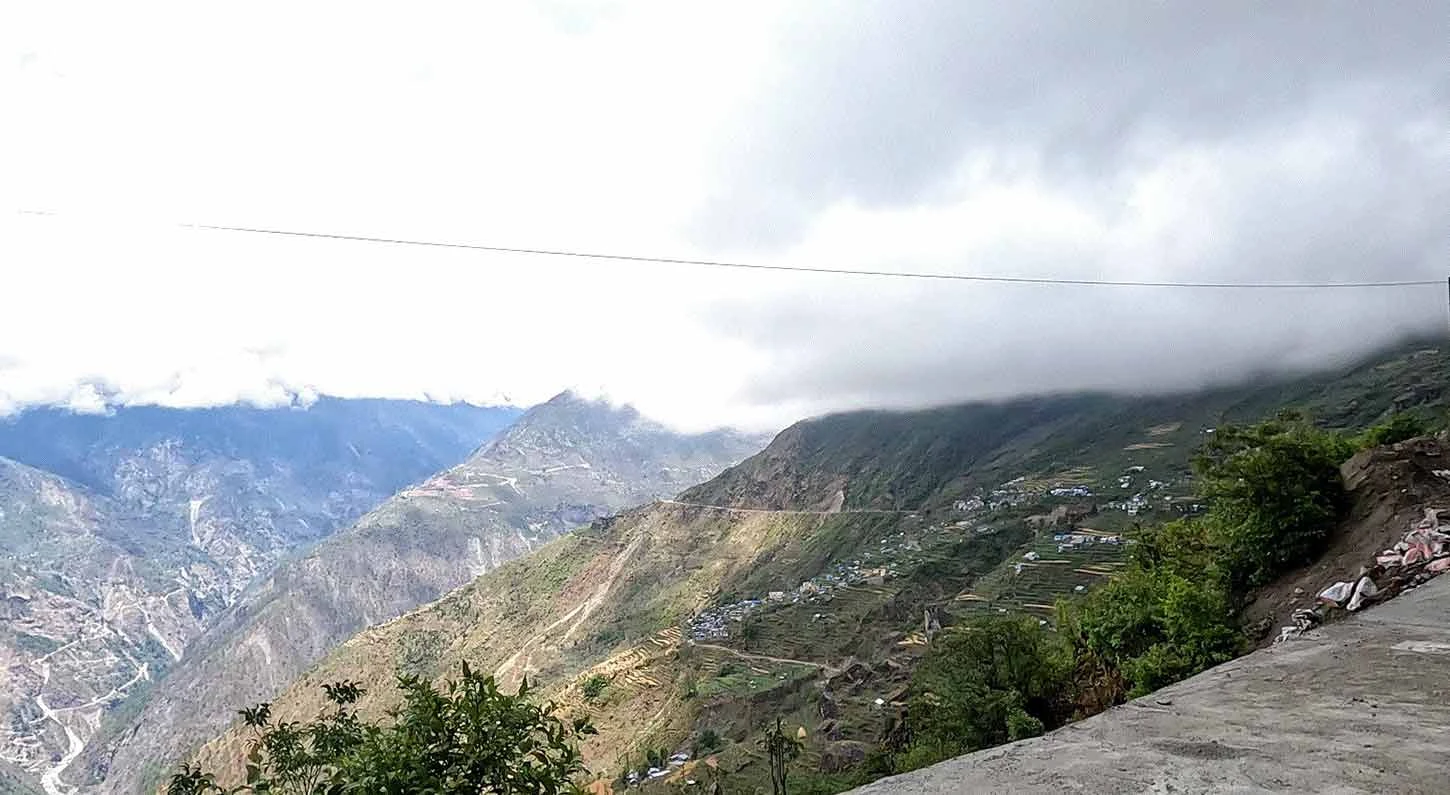
between syabrubesi and ktm
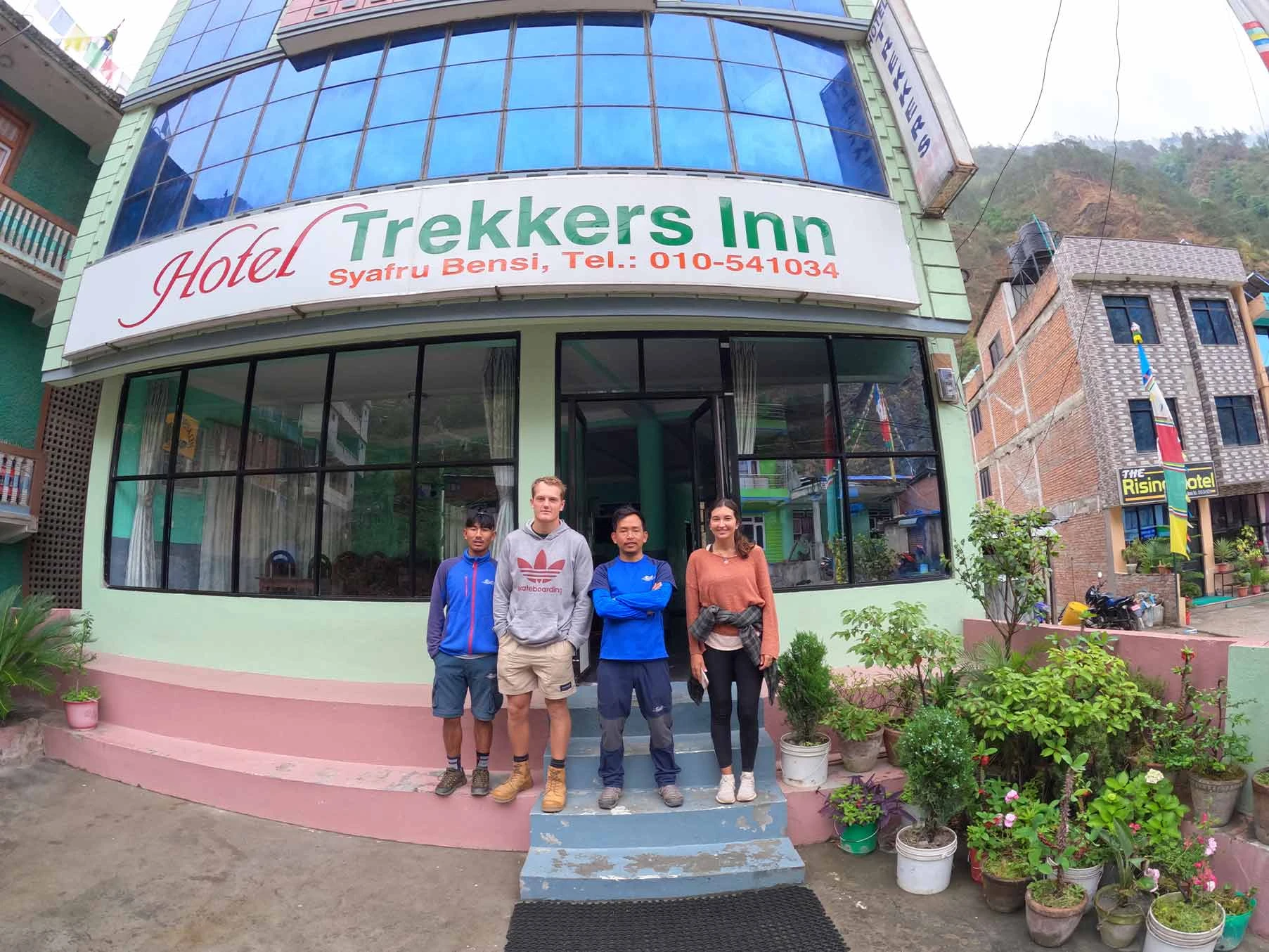
hotel at syabrubesi
scene in between syabrubesi to ktm
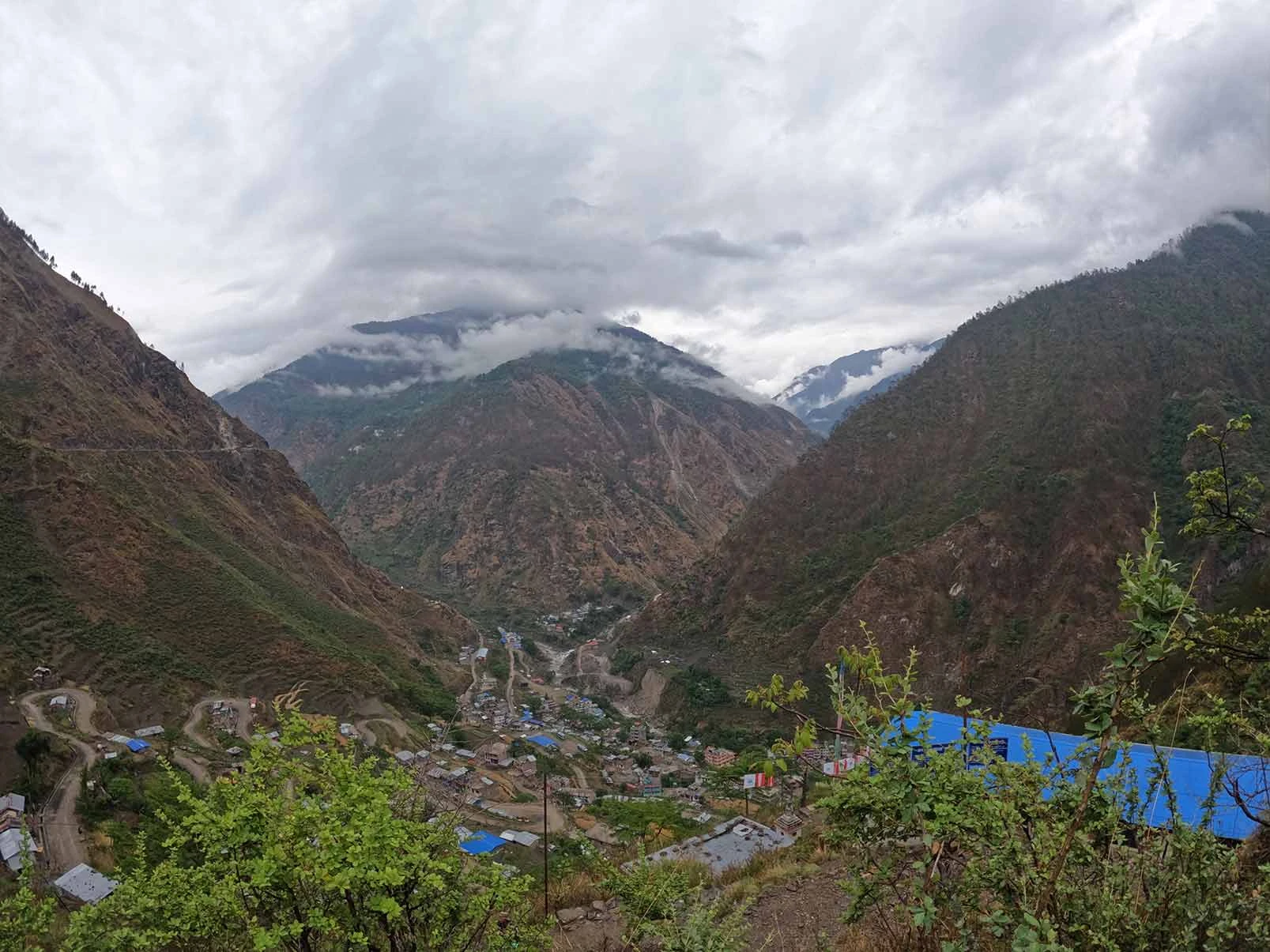
Syabrubesi Village
Day4
  • Meals:Breakfast, Lunch, Dinner
  • Accommodation:Homestay
  • Trek Distance:11-13 km
  • Trek Duration:5-6 hours
  • Sleep Elevation:3,270 m
  • Overnight Place:Somdang
  • Day's Difficulty:Moderate to Challenging

The trail leaves the stone houses behind and enters a forest of giant pine, silver fir, oak, and rhododendron trees until it reaches Yuri Kharka. It is an open alpine meadow used by local herders to graze their yaks and sheep during the summer months. From here, the trail gains elevation to the flank of Khurpu Danda Pass (3,500 m), where you can enjoy gorgeous views of the Langtang Range to the east and Ganesh Himal to the north.

From the high, windy ridge, we will descend toward the Somdang River (Mailung Khola), cross a suspension bridge, and enter the village of Somdang. The village was once a center for mineral exploration, and you can still see the remains of old mining infrastructure. It is also the gateway to the Chumar and Ruyil ruby and zinc mines.

Included activities:

  • Trek through forests to Yuri Kharka
  • Reach Khurpu Danda Pass
  • Cross the Somdang River suspension bridge
Parvati Kunda
Langtang Ranges
old mining factory
Walking on rocks
Day5
  • Meals:Breakfast, Lunch, Dinner
  • Accommodation:Homestay
  • Trek Distance:14-16 km
  • Trek Duration:7-8 hours
  • Sleep Elevation:2,087 m
  • Overnight Place:Tipling
  • Day's Difficulty:Challenging

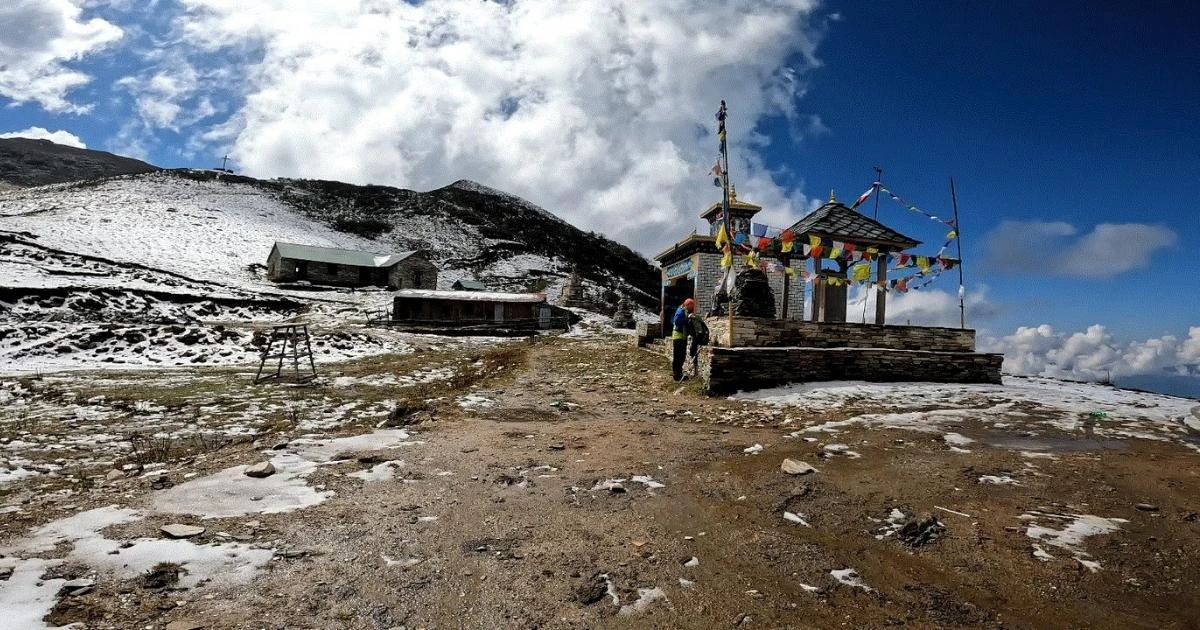
Our day starts with a chilly morning departure out of the Somdang gorge. After 3 to 4 hours of climbing, we will reach the stone chorten at the top of Pangsang La Pass (3,850 m). Before reaching the summit, make sure to put on your windproof jacket, gloves, and a warm beanie to protect yourself from the strong winds.

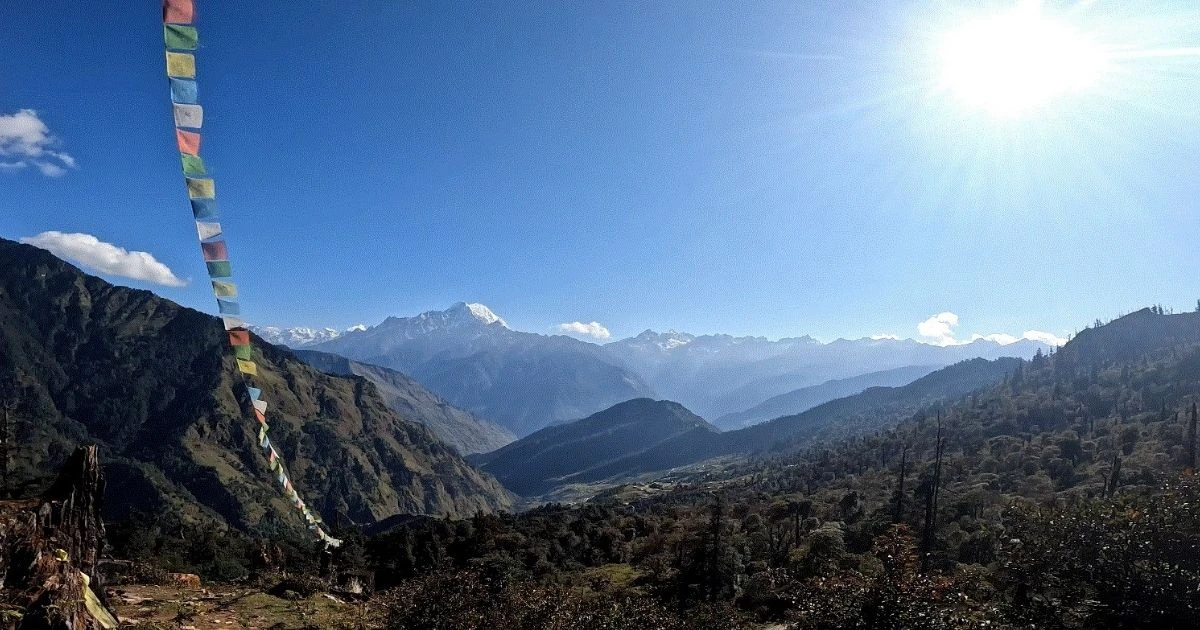
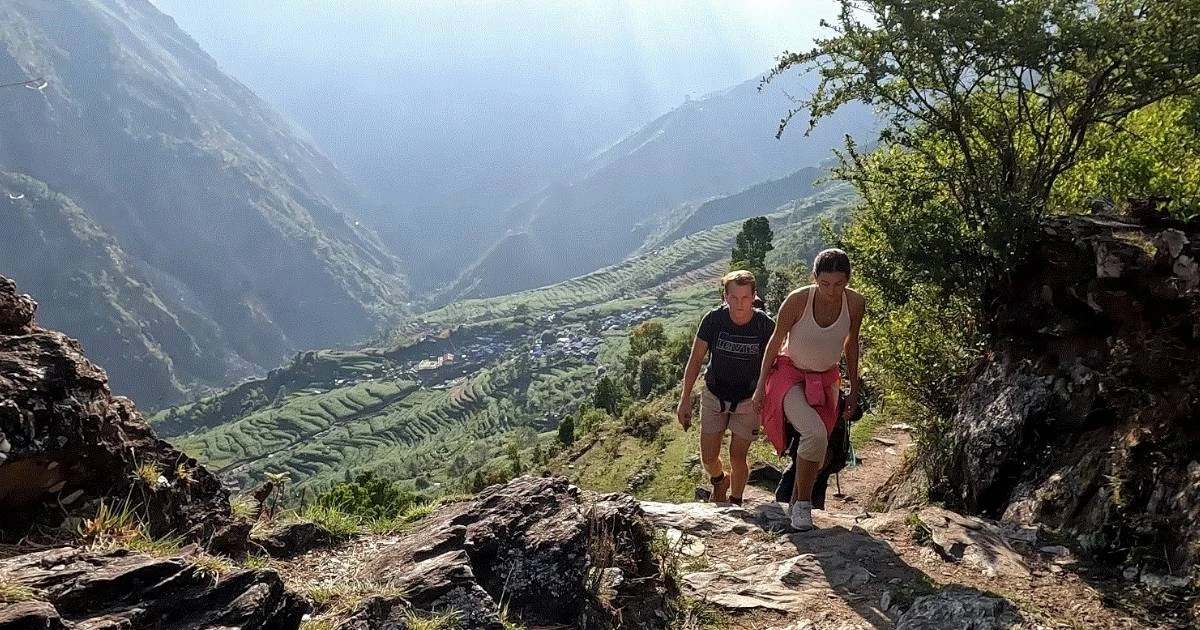
From the pass, we can see the Ganesh Himal Range (I, II, III, and IV) straight ahead, Mount Manaslu to the left, the Langtang Range to the right, and the beautiful green Dhading Valley below.

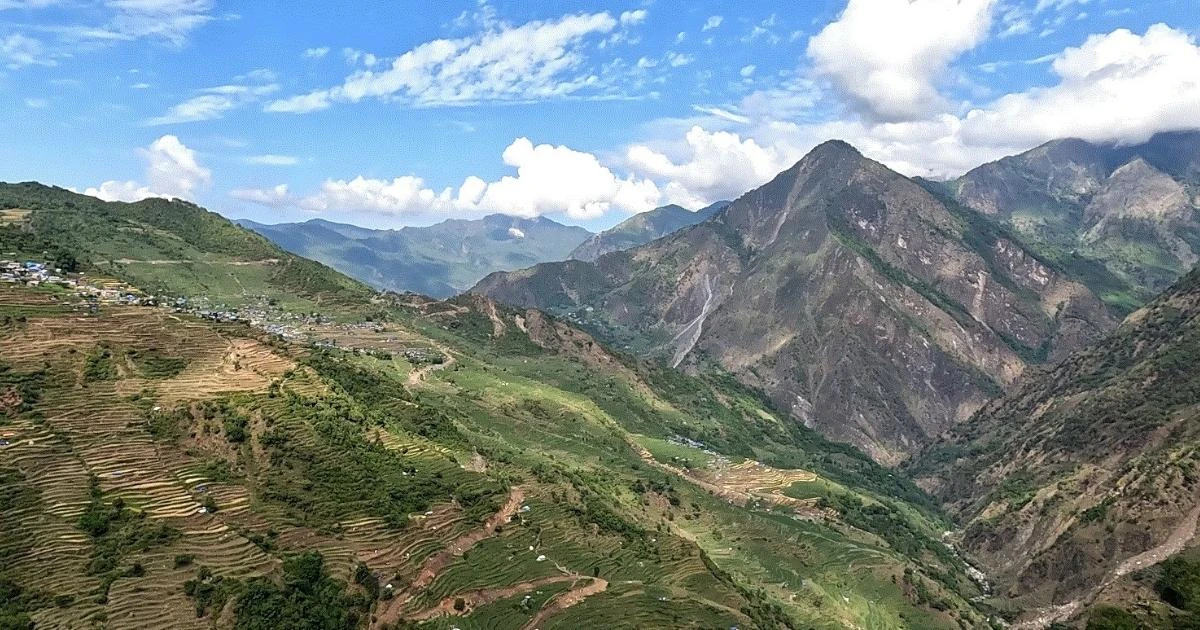
After taking time for photos and a packed lunch at the pass, we will start a long descent into the Ruby Valley. As we descend, the weather becomes warmer. The trail passes stone-walled pastures where local people graze their sheep before reaching the Tipling village, which is inhabited by Tamang and Christian communities. While staying here, don't miss the chance to try the village's famous boiled potatoes served with local achar. It's a simple yet delicious specialty that Tipling is well known for.

Included activities:

  • Climb to Pangsang La Pass (3,850 m)
  • Capture Ganesh Himal, Manaslu, and Langtang
  • Descend into the Ruby Valley
Homestay at Tipling
Pangsang Top
Shertung Village
tipling
Day6
  • Meals:Breakfast, Lunch, Dinner
  • Accommodation:Homestay
  • Trek Distance:8-10 km
  • Trek Duration:4-5 hours
  • Sleep Elevation:1,674 m
  • Overnight Place:Chalish Gaun
  • Day's Difficulty:Moderate

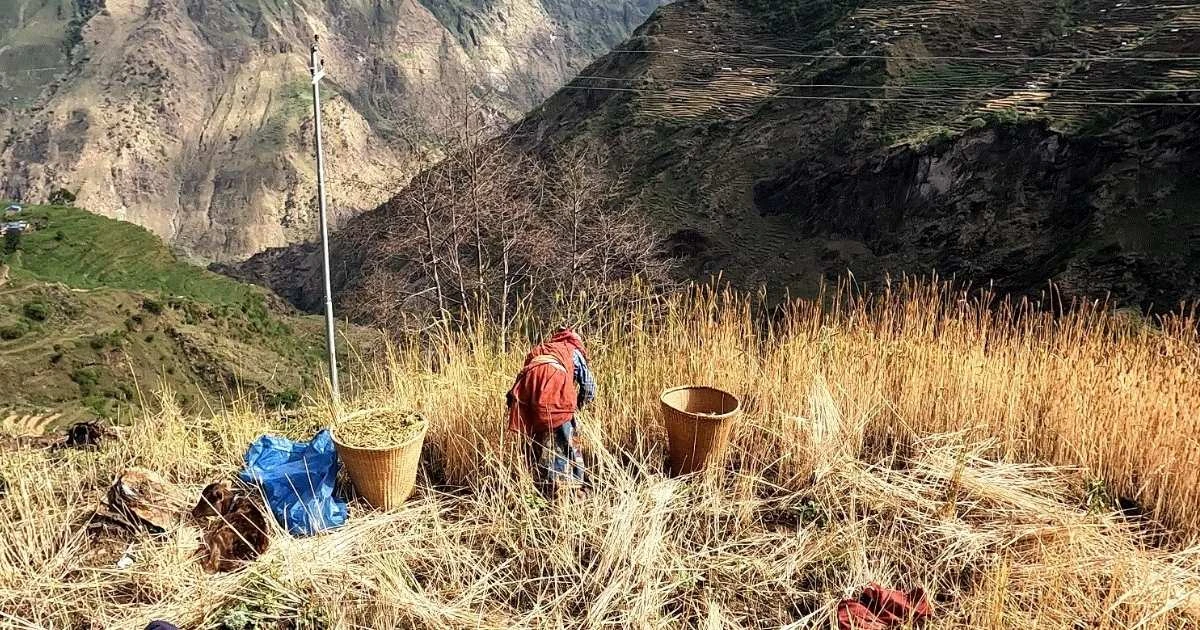
We will start our morning navigating past the local schools, churches, and millet fields of Lower Tipling. Along the way, we will see local people taking care of their animals and fields. They will welcome you with friendly smiles and greetings like "Namaste" or "Fyafulla" (the traditional Tamang greeting).

Since we are dropping down the hill, the air becomes warmer and more humid. At the bottom of the gorge, we will cross a long, swaying steel suspension bridge over the Adha Khola River. Take a moment to enjoy the cool mist from the river. Once across the river, we will hike for 45 minutes before we arrive at Chalish Gaun (also spelled Chalise). It is a Gurung village known for its warm hospitality and culture.

Included activities:

  • Walk across Lower Tipling and the local farmland
  • Cross the suspension bridge over the Adha Khola River
  • Climb to the Gurung village of Chalish Gaun
  • Overnight stay in Chalish Gaun
between Tipling and Chalish Gaon
Harvesting Barley
Lower Tipling
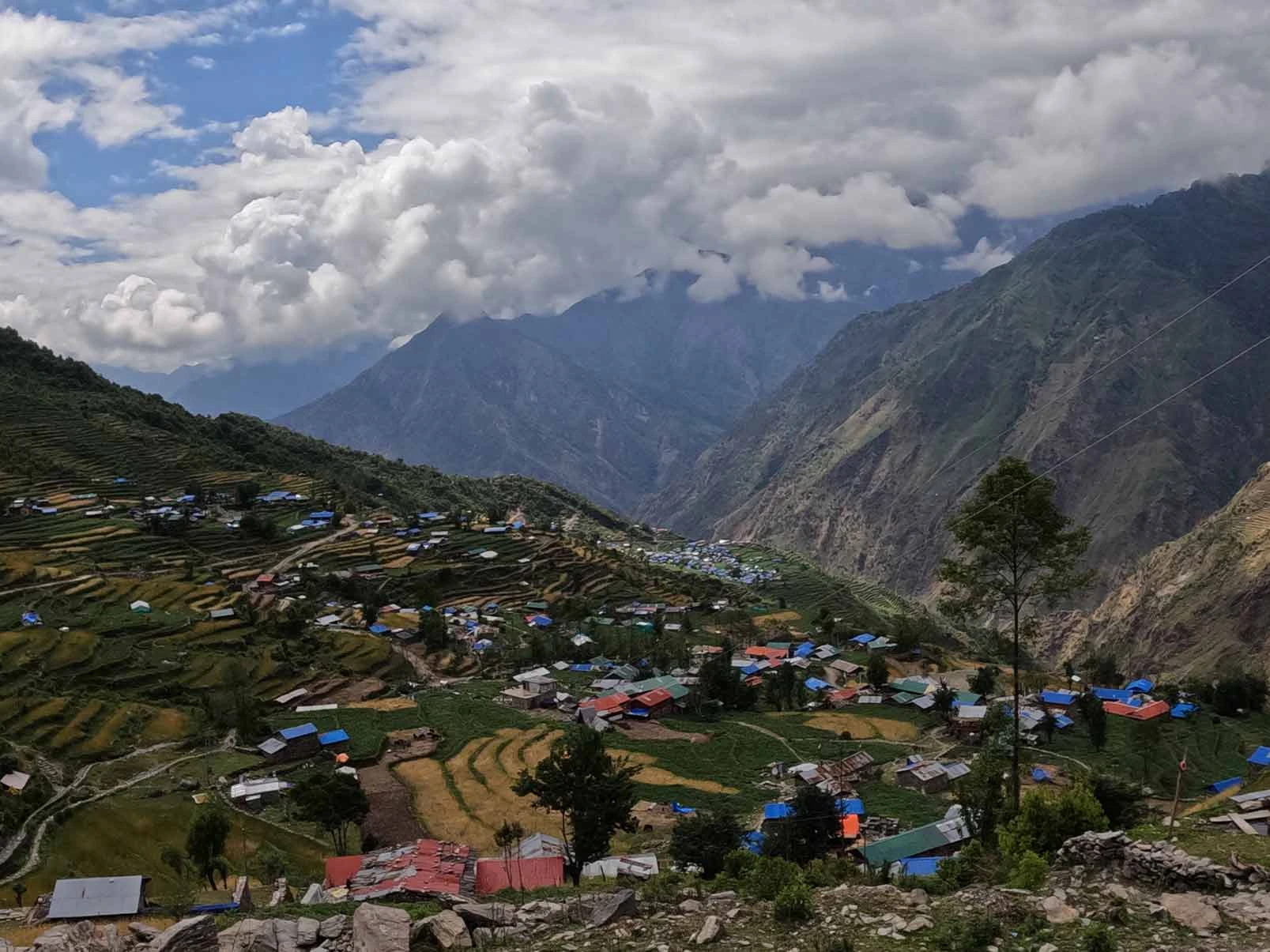
View of Chalish Gaon and Sertung from Tipling
Day7
  • Meals:Breakfast, Lunch, Dinner
  • Accommodation:Homestay
  • Trek Distance:3-5 km (round trip)
  • Trek Duration:2-3 hours
  • Sleep Elevation:1,674 m
  • Overnight Place:Chalish Gaun
  • Day's Difficulty:Easy

After a fresh breakfast and milk tea, our guide will lead you on a casual walking tour of the village. Depending on the month, you can watch locals harvesting millet, corn, or organic mustard greens using traditional wooden plows pulled by oxen. Around late morning, we will head out for the main event.

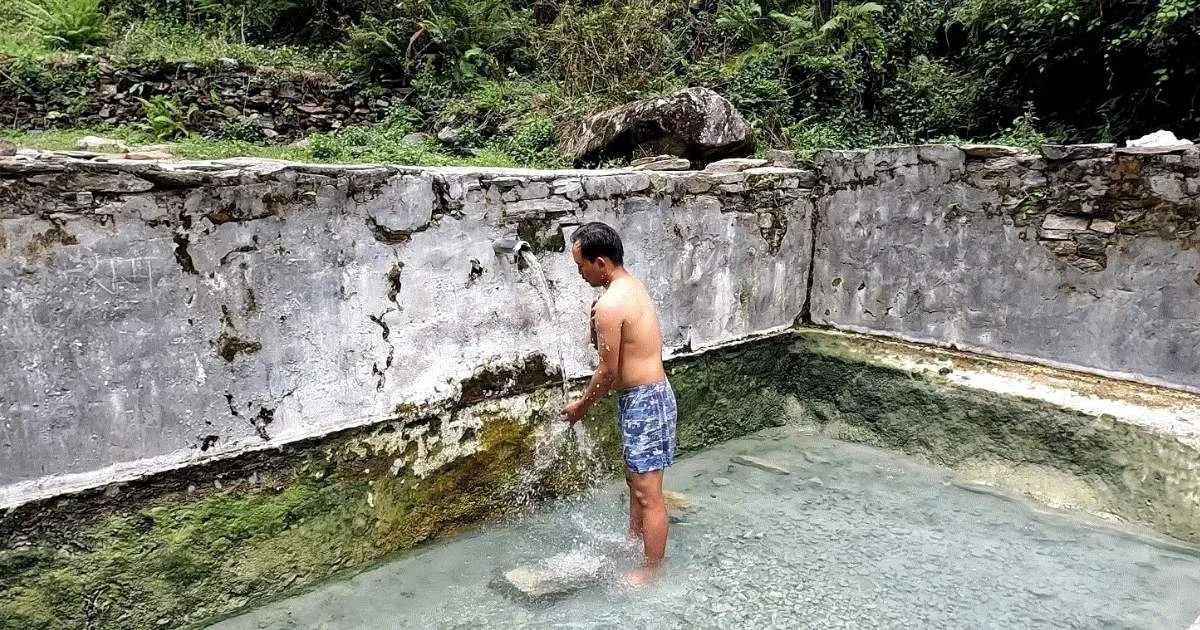
We will follow a downhill trail for about 30 to 40 minutes toward the banks of the Ankhu Khola River. Situated against the canyon rock face are the natural geothermal pools of Tatopani ("Hot Water" in Nepali). Mineral-rich, naturally heated sulfur water bubbles directly out of the earth into stone basins. Slipping into these warm waters provides a therapeutic release, instantly melting away the muscular fatigue built up from crossing the Pangsang La Pass.

Included activities:

  • Explore Chalish Gaun with our guide
  • Visit the Tatopani hot spring
  • Relax beside the Ankhu Khola River
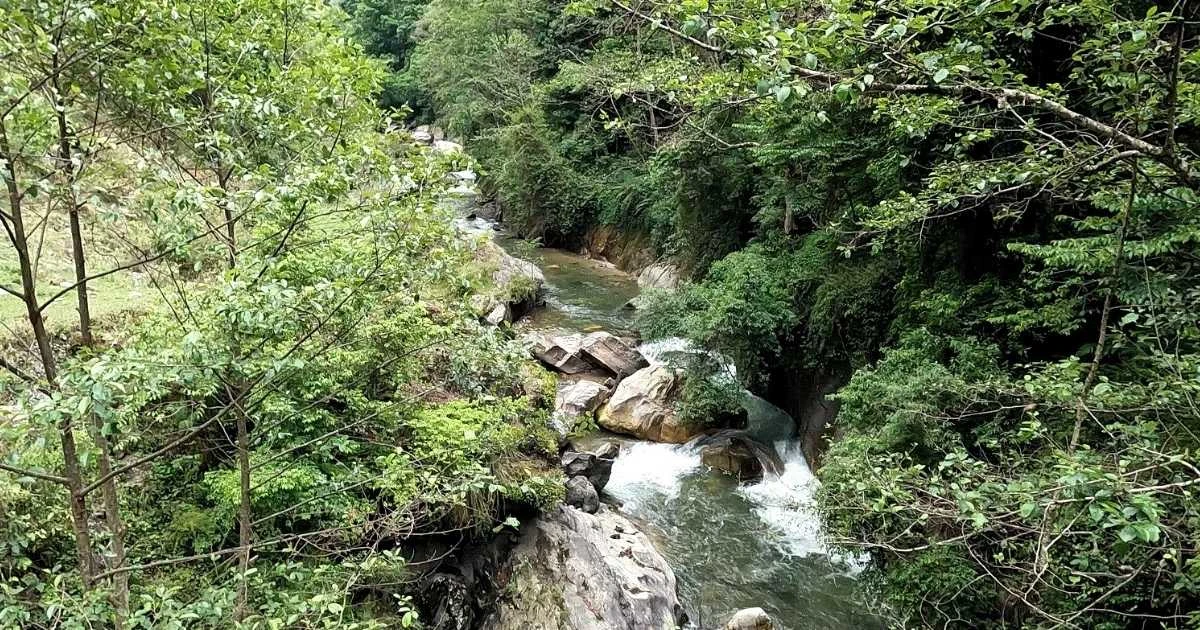
Barbare River
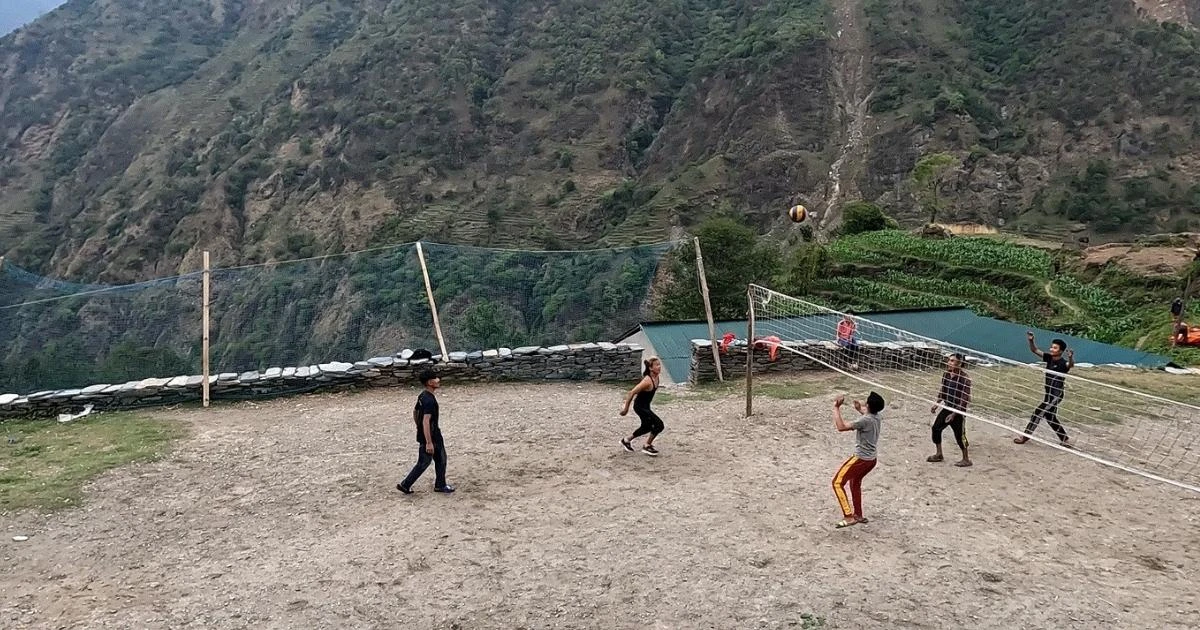
Boys Playing Volleyball
Natural Hot Spring
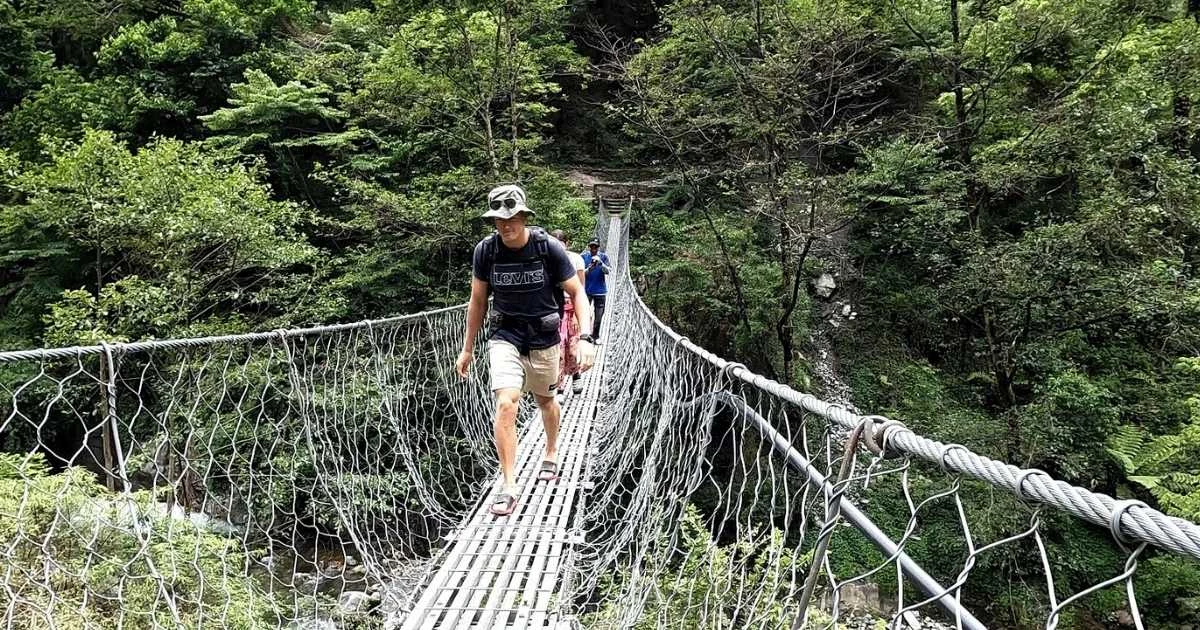
Suspension Bridge
Day8
  • Meals:Breakfast, Lunch, Dinner
  • Accommodation:Hotel
  • Trek Distance:6-8 km
  • Drive Distance:40-50 km
  • Trek Duration:2-3 hours
  • Drive Duration:6-7 hours
  • Sleep Elevation:550 m
  • Overnight Place:Dhading Besi
  • Day's Difficulty:Moderate

Our morning starts with a final home-cooked breakfast at Chalish Gaun homestay. We enjoy each moment of the last day on this amazing adventure. After breakfast, we walk around the pretty but unexplored Borang village before making our way toward Lishne Khola.

We drive over beautiful roads along the Ankhu Khola and past Kimdang Phedi as we make our way toward Dhading Besi. It is the administrative headquarters of the Dhading District. The town offers a welcome return to modern comforts with 24/7 electricity, hot showers, Wi-Fi, and restaurants.

Included activities:

  • Trek from Borang Village to the roadhead
  • Scenic drive from Ankhu Khola to Dhading Besi
  • Beautiful views of villages and terraced hills
  • Overnight stay in Dhading Besi
Borang Village
Chalish Village
Walking from Chalish
While driving to Dhading Besi
Day9
  • Meals:Breakfast, Dinner
  • Drive Distance:88.2 km
  • Drive Duration:3-4 hours
  • Sleep Elevation:1,400 m
  • Overnight Place:Kathmandu
  • Day's Difficulty:Easy

We will drive back to Kathmandu from Dhading Besi on this day. We will be on the highway, where the Trishuli River flows on one side of the highway, and there are rugged landscapes and forests on the other. Once we reach Kathmandu, our guide will drop you off at your hotel.

You can explore a few good places in Kathmandu today. We will meet for the evening's goodbye meal for the last time. Our team will drop you off in a private vehicle at Tribhuvan International Airport on your departure date.

Included activities:

  • Drive from Dhading Besi to Kathmandu
  • Hotel transfer and free time
  • Farewell dinner with the trekking team
Download Pdf

Cost Details

Includes

  • All airport transfers, both international and domestic, in a tourist vehicle
  • Kathmandu–Syabrubesi transportation by local bus
  • Borang–Dhading–Kathmandu transportation by shared local jeep
  • Twin-sharing accommodation during the Ruby Valley trek for 6 nights
  • All standard meals during the trek, including breakfast, lunch, and dinner, with seasonal fresh fruit every evening
  • Water purification tablets for safe drinking water
  • Experienced, first-aid-trained, government-licensed, English-speaking Nature Excursion trekking guide
  • Trekker’s Information Management System (TIMS) card and Langtang National Park permit
  • Porters during the trek for carrying luggage (1 porter for every 2 clients)
  • Meals, accommodation, wages, insurance, and medication for all staff
  • Duffel bag, down jacket, and sleeping bag provided by Nature Excursion on request (to be returned after the trek is completed)
  • Nature Excursion T-shirt and trip completion certificate
  • Basic medical kit carried by the guide, including an oximeter to check your pulse and oxygen level
  • Rescue operation arrangements in case of emergency evacuation (all incurred costs must be covered by your travel insurance)
  • All administrative expenses and government taxes
  • Farewell dinner on your final night in Nepal

Excludes

  • International flights and airport departure taxes
  • Nepal entry visa fee at Tribhuvan International Airport (TIA): approximately 15 days (25–30 USD), 30 days (40–50 USD), and 90 days (100–110 USD)
  • Meals and accommodation in Kathmandu
  • Extra-night accommodation in Dhading due to early arrival, late departure, or early return from the trek
  • Personal expenses such as shopping, hot and cold drinks (tea/coffee, Coke/Fanta/Sprite/juice), alcoholic drinks (beer/wine/vodka), hot showers, laundry, massage, Wi-Fi, battery recharge, extra porter, etc.
  • Personal clothing and gear
  • Travel insurance, which must cover high-altitude emergency rescue and evacuation
  • Additional costs due to delays caused by circumstances beyond our control, such as landslides, itinerary modifications for safety reasons, weather conditions, illness, changes in government policies, or strikes
  • Any costs and expenses not listed in the “Cost Includes” section
  • Tips for guides and porters (expected)

Clients Reviews

  • Very helpful

    One of the best group to travel with. All the guides and porters were very helpful and friendly. Emanuel was the best guide and was always there whenever you needed anything.
    Praveen, Ashish and not to forget Enil’s energy was unmatched. They were amazing people who made Nepal feel like home and made sure we don’t feel like legit tourists

    Sangathya V
    Sangathya VIndiaMay 01, 2026
    TripAdvisor

Useful Information

What You’ll Like About the Ganesh Himal and Ruby Valley Trek

The Ganesh Himal and Ruby Valley Trek route offers an adventure that popular trekking routes cannot easily match. If you are looking for a travel experience away from busy tourist destinations, this trail replaces crowded paths with peaceful mountain surroundings and pure natural beauty. Let's explore what makes this trek so special and why many trekkers like it.

Spectacular Views of Ganesh Himal Range

For the first few days, the trail takes you through deep valleys and forest areas. When you finally top out at Pangsang La Pass (3,850 m), the view suddenly opens up. You can see the huge wall of snow and ice right in front of your face.

From this viewpoint, you can admire open views of the four peaks of Ganesh Himal I (7,422 m), II, III, and IV. When the weather is favorable, the scenery expands from the peak of Manaslu (8,163 m) in the west to the mountains of Langtang Lirung in the east.

Complete Isolation and Crowd-Free Trails

On popular routes like Everest Base Camp or the Annapurna Circuit, you are often part of a long queue of hikers. In the Ruby Valley, the trail belongs entirely to you. You can hike for six to eight hours a day without passing another foreign tourist.
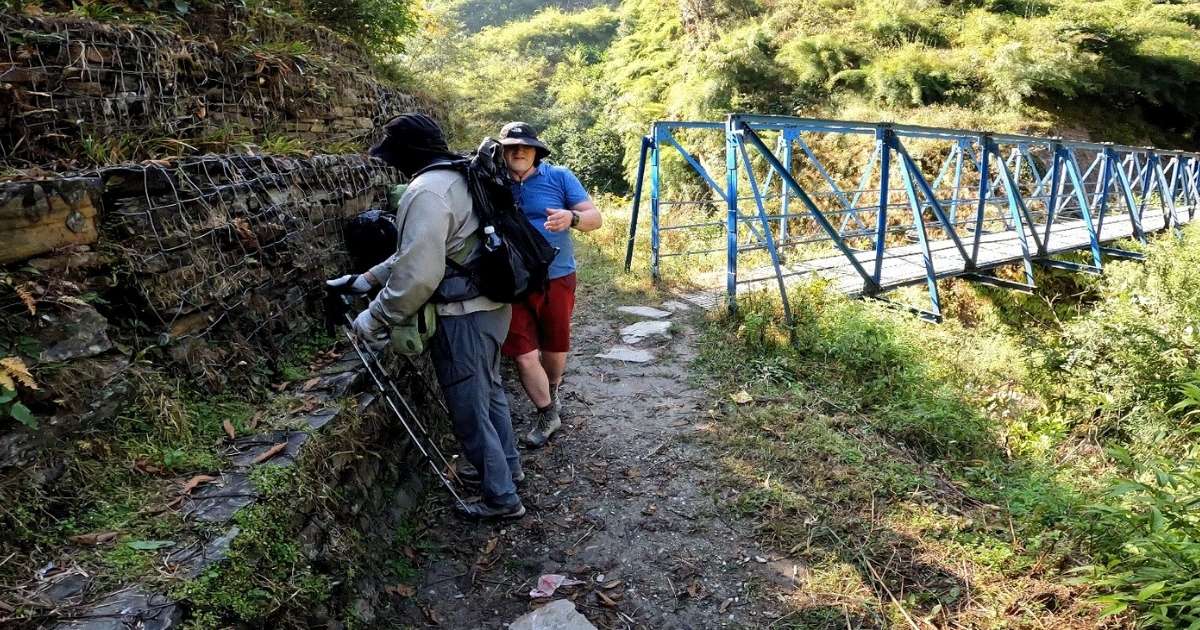
between Tipling and Chalish Gaon

When you reach vantage points like the Pangsang La Pass, you do not have to compete for a photo spot. You can sit in one place and capture the view of the Himalayas without any distractions. Because foot traffic is very low, the trails are organic. There are no concrete steps, painted arrows, or souvenir stalls on the paths. It feels like true exploration.

Warm Hospitality in Traditional Himalayan Homestays

On many popular trekking routes, teahouses are similar to small mountain hotels that offer modern facilities. In contrast, the Ruby Valley Trek uses community-run homestays, where local families welcome trekkers into their homes and offer a more intimate cultural experience.

You do not sleep in a separate guesthouse. You sleep in rooms inside the stone and timber homes of the Tamang, Gurung, or Ghale people. Evenings are spent around the central wood-fired kitchen hearth. You will watch your hosts prepare meals, sip local millet wine, and communicate through gestures, smiles, and your guide’s translation.

Visit the Historic Ruby Mining Sites in Chumar and Ruyil

The valley gets its beautiful name from the red gemstones found deep beneath the ground. Located near Borang, Tipling, and the Somdang River, the old mining villages of Chumar and Ruyil feel like stepping into an alpine gold rush.
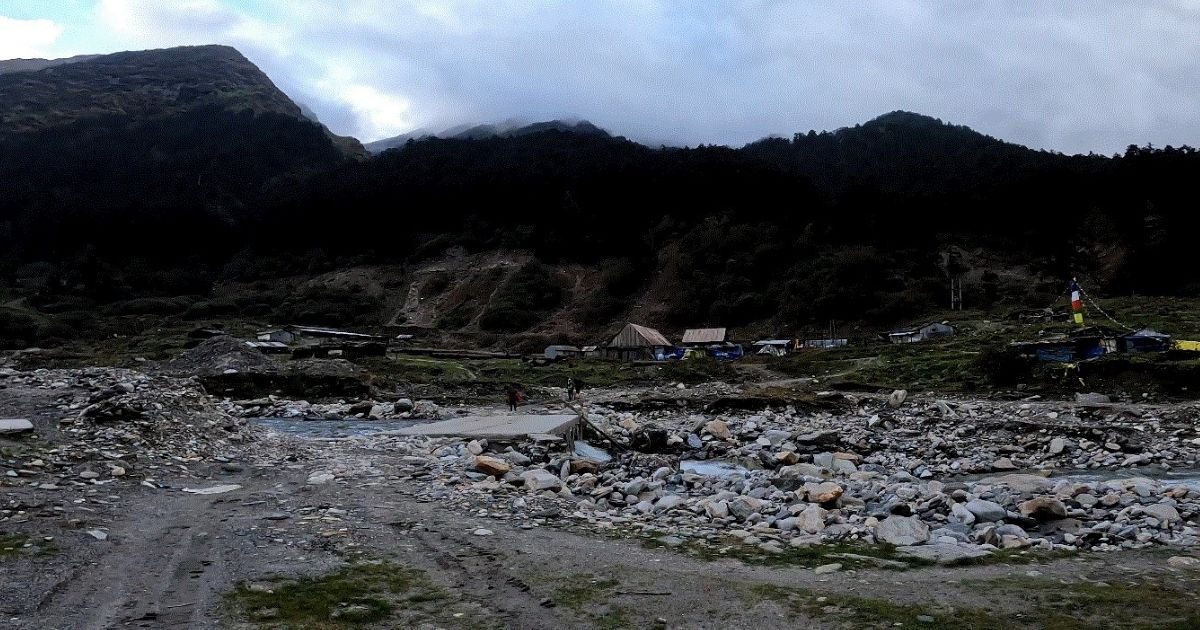
old mining factory

As you trek north upriver from the Somdang border, you will see a non-functional mining compound. It is a 1.4 km tunnel bored through the mountain. Although large-scale mining projects supported by the government have stopped due to technical challenges, the land still contains valuable minerals such as zinc, copper, tin, quartz crystals, and red ruby deposits.

Explore the Sacred Lakes of Ganesh Himal

High in the mountain area near Ganesh Himal Base Camp, you will find three beautiful high-altitude lakes: Kalo Kunda, Seto Kunda, and Ganesh Kunda. These mountain lakes are the source of the Ankhu Khola River and hold spiritual importance for local people. Although these lakes are not included in the standard itinerary, the trek can be customized to include a visit for those who wish to explore them and are comfortable with the additional challenge.

The names Kalo Kunda and Seto Kunda mean Black Lake and White Lake Kalo Kunda has deep, dark water that appears almost black, while Seto Kunda has a soft, milky-white color. Local Gurung and Tamang communities believe these lakes have a spiritual connection. According to local stories, the lakes can bring good fortune to respectful visitors and may bring challenges to those who harm the clean mountain environment.

Why the Ganesh Himal "Elephant Peak" Has Spiritual Significance?

The Ganesh Himal range gets its name from Ganesh IV (7,104 m), which is known as Pabil. When viewed from the south from viewpoints such as Pangsang Pass, the mountain ridgeline forms a shape that resembles an elephant's head and trunk. This natural rock formation has given the mountain religious meaning for generations. Local Tamang, Gurung, and Ghale communities, along with Hindu and Buddhist pilgrims, see the peak as a sacred symbol rather than just another Himalayan mountain.

In Hindu belief, Lord Ganesha is the god of wisdom, good fortune, and new beginnings. He is also known as the remover of obstacles. Because of its elephant-like shape, many people believe Ganesh Himal represents his presence in the Himalayas. Local people offer prayers before beginning long journeys or difficult work in the mountains. 

How Difficult is the Ganesh Himal and Ruby Valley Trek?

The Ganesh Himal and Ruby Valley Trek is considered a moderately difficult trek, suitable for beginners with a basic level of fitness. Because the highest point of the trek is Pangsang La Pass (3,850 m), which is lower than many famous high-altitude treks like Everest Base Camp and the Manaslu Circuit, the risk of serious altitude-related problems is lower.
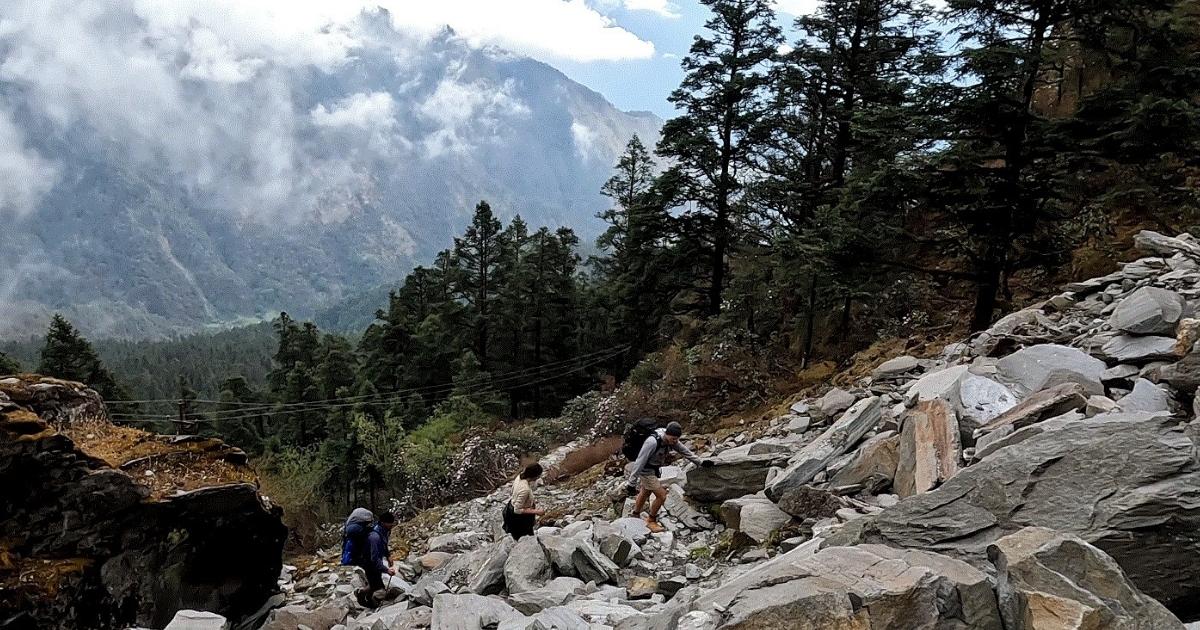
Walking on rocks

However, the trail is still remote and has simple village homestays. Good physical preparation and adequate time to adjust to the altitude are very important.

How Can You Lower the Risk of Getting Altitude Sickness on Ruby Valley Ganesh Himal Trek?

You can lower the risk of getting altitude sickness by

  • Limiting your net sleeping elevation gain to no more than 300 to 500 m per night above 2,500 m. 
  • Including an acclimatization or rest day for every 1,000 m of elevation gained. 
  • Keeping walking speed slow, deliberate, and relaxed also helps. 
  • Hiking an extra 150 to 300 m higher than your campsite or homestay during your afternoon rest periods.
  • Spending 30 to 45 minutes resting at that higher elevation before descending back down to sleep.
  • Eating high-carbohydrate meals (like Dal Bhat or porridge) even if you lose your appetite.
  • Strictly avoiding alcohol, sleeping pills, and smoking.

Is the Ganesh Himal and Ruby Valley Trek Suitable for Beginners?

Yes, the Ruby Valley Trek is a suitable entry point for first-time trekkers. The table below highlights the main reasons why.

Why It Is Great for BeginnersChallenges for Beginners
Stays well below the critical 4,000 m mark, where severe altitude sickness spikes.Rapid trail drops to river valleys before climbing back up to villages.
Average distances can be broken up easily between neighboring villages.No luxury lodges; you must be mentally ready for cold bucket showers and basic toilets

What Fitness Level Is Required for the Ganesh Himal and Ruby Valley Trek?

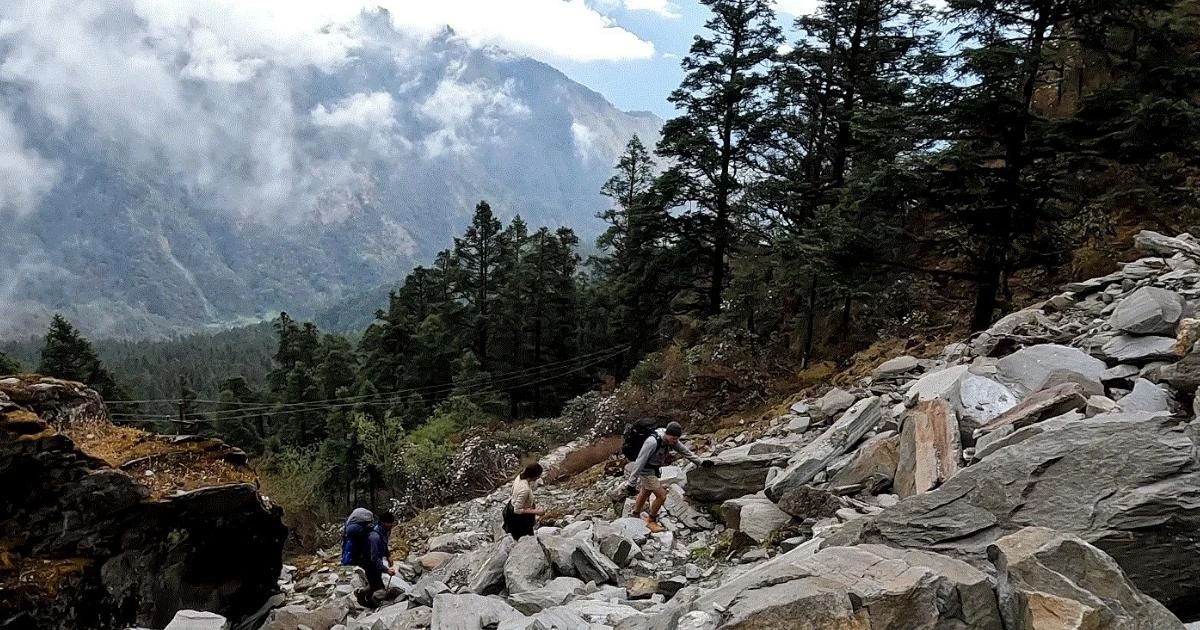
A moderate level of fitness is required for the Ganesh Himal and Ruby Valley Trek. You should be comfortable walking for 4 to 7 hours each day over varied terrain. The trail includes gradual ascents and descents, forest paths, and traditional stone staircases, so a reasonable level of endurance and stamina is essential.

To prepare for this trek, focus on building strong legs and cardiovascular fitness. Doing activities such as brisk walking, hiking, jogging, cycling, or swimming for 4 to 6 weeks before your trip can significantly improve your endurance. Regular exercise helps your body adapt to consecutive days of trekking and reduces fatigue on longer hiking days.

During the trek, most participants carry only a light daypack weighing around 5 to 8 kg, containing essentials such as water, snacks, extra clothing, and personal items. The heavier duffel bags are typically carried by porters, allowing you to focus on enjoying the trail without excessive strain.

One of the advantages of the Ganesh Himal and Ruby Valley Trek is that it does not require any technical climbing skills. The route follows well-established trekking trails and does not involve ropes, glacier crossings, or ice climbing.

Ruby Valley and Ganesh Himal Weather Variations

Understanding the weather is important when planning the Ganesh Himal and Ruby Valley Trek, as temperatures and trail conditions change with altitude and season. The trek starts in warm subtropical valleys before ascending to alpine areas around Pangsang Pass. Below is an overview of weather conditions throughout the trek:

Low Altitudes (Syabrubesi, Gatlang):

  • Winter (Dec–Feb): 32°F to 61°F (0°C to 16°C)
  • Spring (Mar–May): 45°F to 73°F (7°C to 23°C)
  • Summer/Monsoon (Jun–Aug): 57°F to 79°F (14°C to 26°C)
  • Autumn (Sept–Nov): 43°F to 70°F (6°C to 21°C)

Mid Altitudes (Somdang, Tipling, Chalish Gaon)

  • Winter (Dec–Feb): 23°F to 50°F (-5°C to 10°C)
  • Spring (Mar–May): 36°F to 64°F (2°C to 18°C)
  • Summer/Monsoon (Jun–Aug): 48°F to 66°F (9°C to 19°C)
  • Autumn (Sept–Nov): 34°F to 61°F (1°C to 16°C)

High Altitudes (Pangsang Pass)

  • Winter (Dec–Feb): 10°F to 39°F (-12°C to 4°C)
  • Spring (Mar–May): 25°F to 52°F (-4°C to 11°C)
  • Summer/Monsoon (Jun–Aug): 36°F to 57°F (2°C to 14°C)
  • Autumn (Sept–Nov): 21°F to 48°F (-6°C to 9°C)

What is the Ideal Time to do the Ruby Valley and Ganesh Himal Treks?

The ideal time to do the Ruby Valley and Ganesh Himal Trek is during the autumn (September to November) and spring (March to May) seasons. Choosing between these two different peak seasons depends on what you want out of the trail:

SeasonDaytime TempNighttime TempHighlightsRecommendation
Autumn (Sept-Nov)12°C to 20°C0°C to 10°CDashain & Tihar festivals, peak photographyHighly Recommended (Best overall)
Spring (Mar-May)15°C to 22°C2°C to 12°CBlooming rhododendron forests, green valleysHighly Recommended (Best for nature lovers)
Winter (Dec-Feb)5°C to 12°C-10°C to 0°CEmpty trails, clear morning viewsChallenging (High-altitude viewpoints may be blocked by snow)
Monsoon (Jun-Aug)18°C to 25°C12°C to 18°CWaterfalls at full flow; active farming lifeNot Recommended (Leeches and heavy rain)

What Permits do I Need for the Ganesh Himal Trek?

To trek the Ganesh Himal and Ruby Valley region, you need two permits: the Langtang National Park Permit and the TIMS Card. If your itinerary starts in Syabrubesi and passes Langtang National Park, you will need the park permit. However, if your route does not enter Langtang National Park, you may not need this permit. The TIMS Card is still required for most trekking itineraries.

Langtang National Park Entry Permit

  • Purpose: Funds environmental conservation and park trail maintenance.
  • Cost: NPR 3,000 (approx. USD 20-22) for foreign nationals; NPR 1,500 for SAARC nationals.

TIMS Card (Trekkers Information Management System)

  • Purpose: Tracks hiker safety, checkpoint check-ins, and logs emergency contact data.
  • Cost: NPR 2,000 (approx. USD 10-12)

Accommodation & Food Along the Ruby Valley Trek Route

During the Ruby Valley and Ganesh Himal Trek, most nights are spent in community homestays or small family-run lodges owned by Tamang, Gurung, and Ghale families. Guest rooms have twin beds with foam mattresses, pillows, blankets, and shared bathrooms. Toilets are commonly located outside the main house and are shared by guests. Most villages receive electricity from solar panels or small micro-hydro systems, so phone charging is available in many places for a small extra fee. 
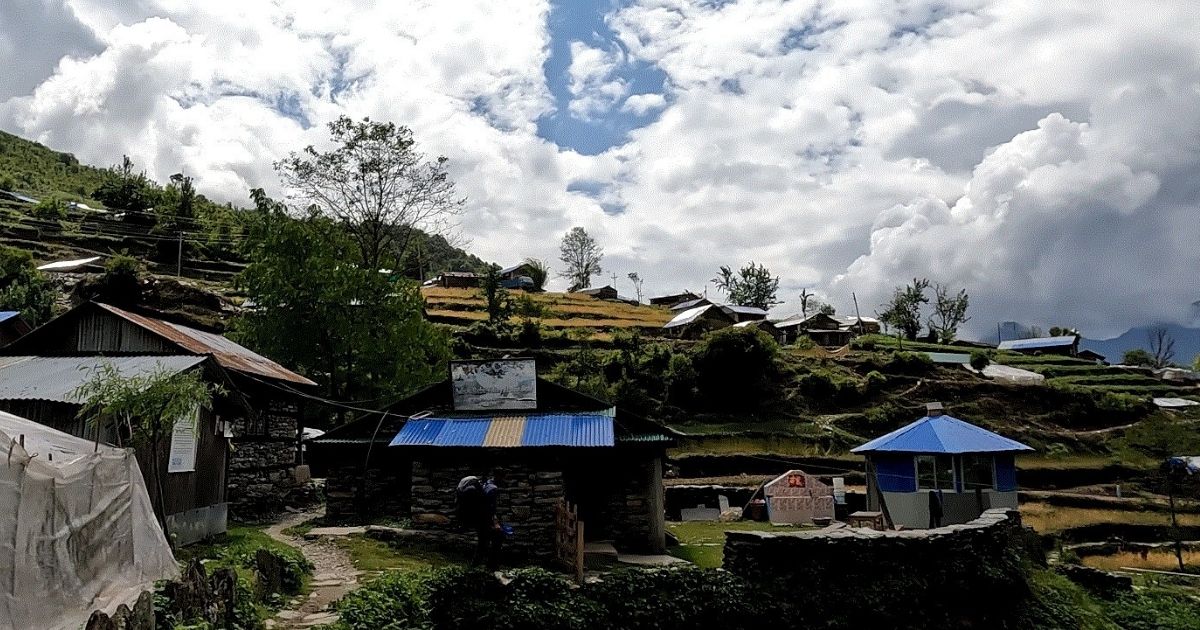
Homestay at Tipling

Meals are freshly prepared with vegetables, grains, and herbs grown in fields. Dal Bhat is the main lunch and dinner choice because it provides enough energy for long days. You can also enjoy local dishes such as Dhido, mountain potatoes, seasonal vegetable curry, and Tama in some villages.

Safe drinking water is important throughout the trek. Most trekkers refill reusable bottles with boiled water or treat natural water sources with purification tablets or portable filters instead of buying plastic bottles. Sweet milk tea is served in almost every village, while local drinks such as Chang or Raksi may be available during cultural gatherings or evening meals.

Why Ganesh Himal and Ruby Valley Trek is Perfect for Travelers Looking Beyond Everest & Annapurna

This trek is perfect for travelers looking beyond the famous trails for several reasons:

  • You can walk for hours without meeting large trekking groups, which creates a serene Himalayan experience.
  • Community homestays let you experience daily life with Tamang, Gurung, and Ghale families rather than staying in large commercial lodges.
  • Your homestay owner welcomes you as guests in their home.
  • Forests, rivers like Ankhu Khola, waterfalls, and mountains replace busy trekking routes, vehicle noise, and helicopter traffic.
  • Most meals are prepared with vegetables, grains, and potatoes grown in nearby farms rather than ingredients transported from towns.
  • The route passes the Ruby Valley and areas linked with old ruby mining
  • Money spent on homestays, guides, and local services benefits village families and strengthens community-based tourism.

What Are the Important Things to Remember for Your Ruby Valley and Ganesh Himal Trek?

The most important things to remember for your Ganesh Himal and Ruby Valley Trek are:

  • There are zero ATMs past Kathmandu or Dhading Besi, so make sure you withdraw enough Nepalese Rupees (NPR).
  • The wood-fired stove is considered sacred in Tamang and Gurung households, so never throw trash, plastic, or waste into the kitchen fire.
  • Always request permission before photographing local people, children, or religious shrines.
  • Always take off your trekking boots before entering a homestay, bedroom, or any religious temple.
  • Do not expect to find Western snack bars, chocolate, or Pringles along the trail.
  • There are no pharmacies or advanced medical clinics in these remote villages, so prioritize your health and avoid rushing to complete the journey.
  • Bring a high-capacity power bank (20,000mAh+) and store it inside your sleeping bag at night, as extreme cold drains batteries rapidly.

Why Should You Choose Nature Excursion for the Ganesh Himal and Ruby Valley Treks?

Choosing Nature Excursion for your Ganesh Himal and Ruby Valley trek guarantees a smooth and hassle-free adventure led by experienced local professionals who take care of every logistics. Here are some reasons to choose us for this trip:

  • Well-designed itinerary with balanced walking hours, side trips, and the best viewpoints.
  • Our guides are from Ruby Valley, so they know every detail of the region, including its culture, history, and wildlife of the region.
  • We select accommodation every night in selected homestays and family-run lodges.
  • Complete trek management, including permits, transportation, accommodation, meals, and guide services.
  • Strong focus on safety with trustworthy trip planning, route support, and experienced trekking staff.
  • Transparent pricing with no hidden charges and attractive group discounts.
  • Flexible itinerary options that can be customized to match your schedule, fitness level, and travel preferences.
  • Excellent local reputation with 17 years of experience operating trekking, climbing, and cultural tours across Nepal.

Ganesh Himal and Ruby Valley Trek – 9 Days FAQs

  • Q1. Why is Ruby Valley called Ruby Valley?

    Ruby Valley is named for the Ganesh Himal mountain that lies here, which is believed to contain deposits of gems, including rubies.

  • Q2. Can I trek to Ganesh Himal and Ruby Valley alone without a guide?

    Yes, you can trek alone on the Ganesh Himal and Ruby Valley Trek. However, hiring a guide is highly recommended because this is a rarely visited trekking region with limited trail markings and fewer trekkers, which increases the chances of losing the trail.

  • Q3. What is the distance between Kathmandu and Dhading Besi?

    The distance between Kathmandu and Dhading Besi is 88.2 km. You can get to Dhading Besi by public vehicle or private vehicle via Prithvi Highway and Malekhu-Dhading Besi Highway, also locally known as the Kalu Pandey Road.

  • Q4. Is Ruby Valley and Ganesh Himal trekking possible for overweight people?

    Yes, overweight people can enjoy trekking. Success depends more on your fitness and stamina than your body mass index (BMI). With proper preparation, slow speed, and regular breaks, many heavy people complete high-altitude treks safely.

  • Q5. Is it possible for kids and elderly people to go on a Ruby Valley Ganesh Himal trek?

    Yes, children and older adults can complete a trek. Age alone is not a barrier, as long as the itinerary is planned to match their fitness level, walking pace, and overall health.

  • Q6. Where can I get a Ganesh Himal / Ruby Valley Permit?

    You can get the required permits at the Nepal Tourism Board (NTB) Office in Kathmandu, National Park Checkpoint (Dhunche), and Park Registration Counter (Syabrubesi).

  • Q7. Is there malaria risk in Ruby Valley?

    No, there is very low risk. The trek takes place between 1,420 m and 3,850 m where anopheles mosquitoes cannot breed or survive at these elevations due to the cold temperatures.

  • Q8. Do you need to bring a tent in Ganesh Himal and Ruby Valley Trek?

    No, most villages on the Ruby Valley Trek have homestays run by local Tamang and Gurung families. You only need a tent if you plan to camp or hike beyond the main trekking route.

  • Q9. Can you legally buy raw rubies on this trail?

    No, purchasing raw gemstones directly from locals is illegal. The Department of Mines and Geology strictly regulates all mineral extraction in the Chumar and Ruyil fields, meaning unauthorized transport results in immediate confiscation and heavy fines.

  • Q10. Is altitude sickness common at Pangsang La Pass?

    No, altitude sickness is uncommon at Pangsang La Pass (3,850 m). Because the pass is situated at 3,850 m, it falls below the high-risk 4,000-m threshold.

  • Q11. Is it safe to drink water from the tap?

    No, it is not recommended to drink tap or stream water during the trek. Always purify water using chlorine dioxide tablets, a portable UV purifier, or a water filter before drinking. You can also buy boiled or filtered drinking water at most teahouses/homestays.

  • Q12. Which pass is harder: Singla or Pangsang?

    Singla Pass is harder than Pangsang Pass. Singla is situated at a higher elevation (4,045 m – 4,250 m) and has a more difficult final ascent. Pangsang Pass is lower (3,842 m) and is a less demanding climb, although its remote approach and forested terrain still present challenges.

  • Q13. How difficult is crossing Pangsang Pass?

    Crossing Pangsang Pass is moderate in difficulty. The trek does not need technical climbing but does involve steep ascents and descents. While suitable for fit beginners, the altitude and long 5-7 hour daily walking days demand good physical stamina and acclimatization.

You may also like

Similar Packages