Tsum Valley Trek – 13 Days

Quick Facts
  • Trip Duration13 Days
  • Destination Nepal
  • Difficulty Level Moderate
  • Maximum Altitude 4,200 m (Ganesh Himal Base Camp)
  • Activity Trekking, Pilgrimage, and Cultural Exploration
  • Starts/Ends Kathmandu / Kathmandu
  • Group Size 1 - 16
  • Transportation Local bus
  • Best Season Spring (March – May) and Autumn (September – November)
  • Accommodation Teahouses and local homestays
  • Avg. hours of walk/day 5 – 7 hours
  • Comfort Basic
  • Interest option Trekking + Cultural Activity

Tsum Valley Trail Psychology

Wonder → Commitment → Grit → Acceptance → Fulfillment → Thankful

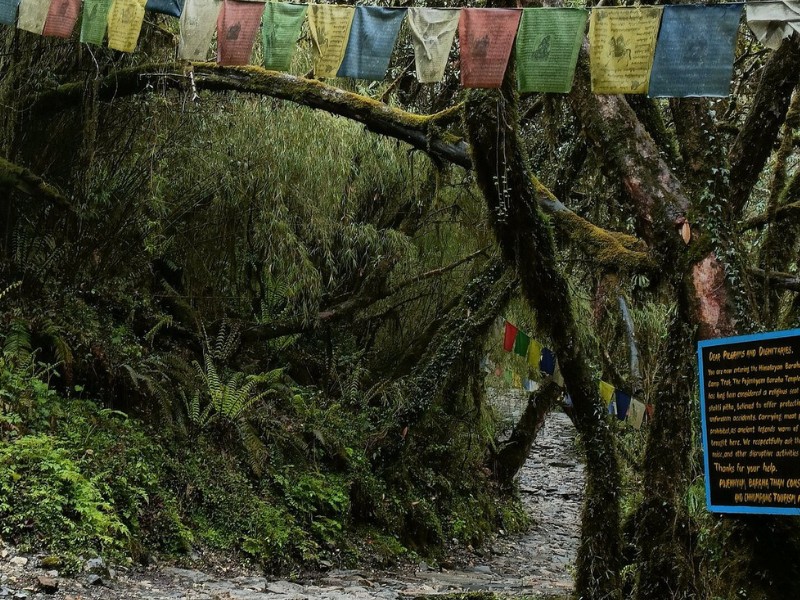
  • WonderThe trail breaks away from the busy Manaslu circuit at Ekle Bhatti and enters a deep, heavily forested gorge. Walking into this hidden valley brings an immediate sense of wonder.
  • Commitment: When you reach the sacred caves and old monasteries of Mu Gompa and Rachen Gompa, your mind shifts to a state of deep devotion
  • Grit: As you hike toward the higher, remote settlements near the Tibetan border, the mountain air gets thin and cold, and the route tests your physical grit and patience.
  • Acceptance: When you stay with local families in the stone villages, your body accepts a simple life at high altitude.
  • Fulfillment: As you stand at Mu Gompa at 3,700 m, you feel a deep sense of emotional fulfillment.
  • Thankful: As you walk back down the Budhi Gandaki River, your legs are heavy, but your mind is full of thankfulness.

Emotions you may feel

  • Inspired
  • Humbled
  • Resilient
  • Grounded

How your mind changes

  • Start: You feel a sense of mystery as you enter the secret valley.
  • Middle: You feel a deep connection to the ancient Buddhist culture.
  • Near the high points: You feel strong, quiet, and deeply focused.
  • At the highest monasteries: You feel a profound sense of inner peace.
  • Coming back: You feel mentally refreshed and deeply satisfied.
  • Confidence level: This trek builds internal strength. It makes most travelers feel much more grounded and confident by the time they return.

Connection & solitude ratio

  • Connection level: 70% (Soti Khola to Lokpa, interacting with the warm Tsumba people)
  • Solitude level: 30% (The upper reaches beyond the Nile to Mu Gompa)

Why You'll Love This Trip

  • Experience a scenic drive from Kathmandu to Jagat and return from Machha Khola.
  • Trek off the beaten path inside a restricted zone. You only need a licensed guide to enter.
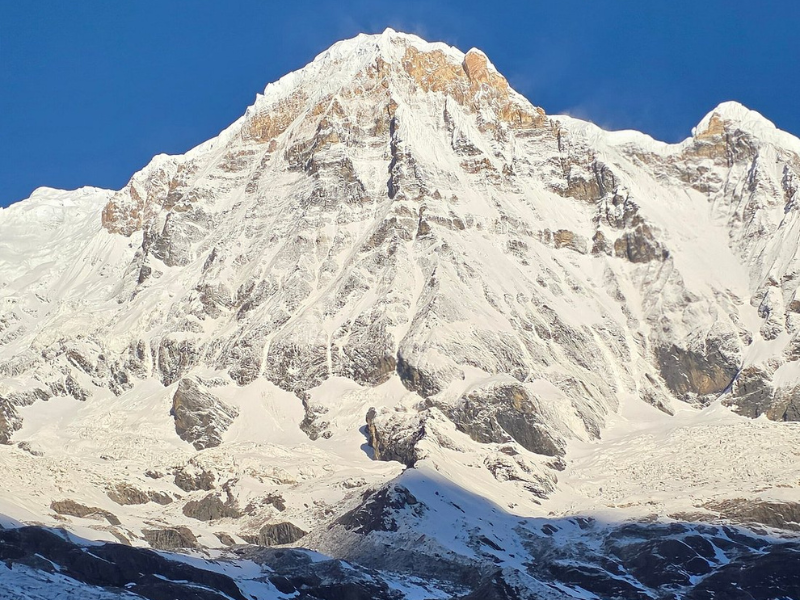
  • See incredible views of Mount Manaslu, Himal Chuli, Ganesh Himal, and Himlung Himal.
  • Walk through the Tsumba Valley and experience their ancient culture.
  • Visit the ancient monasteries of Mu Gompa and Gompa Lungden.
  • Reach 4,200 m at Ganesh Himal Base Camp for a majestic Himalayan panorama.
  • Sleep in local settlements like Chumling, Chhokangparo, and Nile.
  • Explore Milarepa’s Cave, a sacred site where a famous Buddhist saint once meditated.

Tsum Valley Trek Overview

“The best view comes after the hardest climb.”

The Tsum Valley Trek is a rich cultural and spiritual adventure into one of Nepal's most sacred and remote Himalayan regions, also known as the Valley of Happiness. The Tsum Valley Trek cannot be forgotten, as this mysterious valley, located in the Gorkha district and bordering Tibet, is known for its Buddhist cultural heritage, ancient monasteries, and spectacular mountainous landscape.

The valley's cultural character is best absorbed on a rest-and-exploration day, enjoying the splendid views of Ganesh Himal, Himalchuli, and Buddha Himal. The Tsum Valley Trek is rewarding, with a side trip to the Ganesh Himal Base Area at approximately 4,200 m above sea level. After experiencing the beauty of this holy land, trekkers then retrace their route. The Tsum Valley is not just a trekking destination but a living museum of Himalayan culture and spirituality. Remote settlements cling to terraced slopes, prayer flags flutter over mani walls, and chortens punctuate the landscape.

Each village preserves centuries-old customs, unique dialects, and uninterrupted Buddhist practices. Trekkers will notice a slower rhythm of life here: locals tending yak herds, monks chanting in stone gompas, and traditional medicinal plants used by village healers. This immersive atmosphere creates opportunities for meaningful cultural exchange, sharing tea with families, observing ritual ceremonies, and learning about local myths and sacred sites, which deepen the journey beyond scenery alone and leave a lasting impression of the Valley of Happiness.

Flow of Journey

Your Tsum Valley Trek starts with a long, rugged drive from Kathmandu to Jagat along the rushing Budhi Gandaki River. You then begin the foot trek through Philim and branch off the main Manaslu route into the isolated Tsum Valley at Lokpa. The trek continues steadily through dense forests and across unique cliffside wall bridges to reach Chumling. Next, the terrain opens into a wide alpine valley as you pass through Chhokangparo and Nile. You walk past ancient stone chortens, mani walls, and the historic Rachen Gompa nunnery. Finally, you arrive at the windswept plateau of Mu Gompa at 3,700 m. You also spend an active rest day hiking up to 4,200 m near the dry Tibetan border.

You turn back south from the high plateau and retrace your steps to Chhokangparo. But the journey takes a remote turn as you descend to Dumje and climb up to the isolated Gompa Lungden nunnery. This base serves as your launchpad for a grueling hike to Ganesh Himal Base Camp. You stand inside a high glacial bowl, surrounded by massive rock walls and heavy-hanging glaciers.

Afterward, you begin the long descent through dense rhododendron forests to reach Philim. You then complete a short walk back to the permit checkpoint at Jagat. Meanwhile, a local jeep and a highway drive transport you back to Kathmandu to finish the circle. Throughout the trek, you will witness a profound blend of ancient Tibetan Buddhist culture and raw, high-altitude landscapes that few travelers ever encounter.

Itinerary

Day1
  • Meals:Lunch, Dinner
  • Accommodation:Teahouse
  • Drive Distance:180 km
  • Drive Duration:8 to 9 hours
  • Sleep Elevation:1,410 m
  • Overnight Place:Jagat
  • Day's Difficulty:Gentle

The Tsum Valley trek begins today. Our team meets you early in the morning to start the long journey toward the Tsum Valley. We pick up our vehicle at the station and head out of the Kathmandu Valley. The route rolls down winding highway roads beside the Trishuli River. You can spot terraced green fields and traditional villages along the hillsides. But the real excitement begins when the high peaks of Lamjung Himal and Manaslu come into view.

The route changes after we pass through the major hubs of Gorkha Bazar and Arughat. The paved road ends here: the drive becomes bumpy. We follow the rushing waters of the Budhi Gandaki River through Soti Khola and Machha Khola to reach our destination. Massive waterfalls spill down the rocky cliffs right beside the tracks. Finally, our vehicle reaches the stone-paved village of Jagat, where we settle into our teahouse for the night.

Included activities:

  • Drive from Kathmandu to Jagat via Arughat.
  • Scenic journey across the historic Gorkha district.
  • Riverside drive along the Budhi Gandaki.
  • Settle into the teahouse at Jagat.
Day2
  • Meals:Breakfast, Lunch, Dinner
  • Accommodation:Teahouse
  • Trek Distance:16 km
  • Trek Duration:6 to 7 hours
  • Sleep Elevation:2,240 m
  • Overnight Place:Lokpa
  • Day's Difficulty:Moderate

We leave our teahouse early to track a massive waterfall splashing right along the trail. Our path sticks close to the banks of the rushing Budhi Gandaki River. We make steady progress through the quiet settlements of Salleri and Sirdibas. Next, we cross a long suspension bridge and tackle a sharp 30-minute climb up to the thriving village of Philim. We take a long break here to eat lunch and to register our restricted-area permits at the local checkpoint.

The path transitions to a gradual series of ups and downs as we push past Ekle Bhatti. We pause briefly to view an enormous waterfall dropping from the high cliffs on the opposite side of the canyon. Shortly after this viewpoint, we reach the trail junction where the route splits from the main Manaslu Circuit line. We branch off to the right and officially cross the threshold into the hidden Tsum Valley. Our day ends with a strenuous, one-hour climb on a narrow trail that brings us into Lokpa.

Included activities:

  • Registration of restricted-area permits at the Philim checkpoint.
  • Entry into the official Tsum Valley protected route.
  • Trek through the villages of Salleri, Sirdibas, and Ekle Bhatti.
  • Crossing the suspension bridge over the Budhi Gandaki River.
Day3
  • Meals:Breakfast, Lunch, Dinner
  • Accommodation:Teahouse
  • Trek Distance:7 km
  • Trek Duration:4 to 5 hours
  • Sleep Elevation:2,385 m
  • Overnight Place:Chumling
  • Day's Difficulty:Moderate

We tackle a challenging and mostly uphill route today as we enter the hidden valley. Our path moves through a dense forest of rhododendron: pine, oak, and juniper trees fill the landscape. The trail crosses areas heavily affected by past landslide activity, where the terrain remains unstable. We navigate a unique wall bridge built directly into the cliffside, where old tracks were damaged. We follow the rushing Shiyar Khola closely and pay extra attention to our footing on the narrow paths.

The final stretch demands a steep uphill climb right after we cross a long suspension bridge. You need to be very careful on this narrow, rocky ascent as we gain altitude. The hard work pays off as the valley opens up to reveal the beautiful village of Chumling. We notice a distinct shift in the local culture here: traditional Tibetan prayer flags and stone mani walls welcome us. We check into our teahouse and spend the rest of the day resting.

Included activities:

  • Trek through landslide-prone zones and deep pine forests.
  • Crossing the specialized cliffside wall bridge.
  • Walking alongside the remote Shiyar Khola.
  • First introduction to the local Tibetan-Buddhist culture in Chumling.
Day4
  • Meals:Breakfast, Lunch, Dinner
  • Accommodation:Teahouse
  • Trek Distance:11 km
  • Trek Duration:5 to 6 hours
  • Sleep Elevation:3,010 m
  • Overnight Place:Chhokangparo
  • Day's Difficulty:Moderate

We begin our morning with a gradual flat walk alongside lush terraced fields. Our route passes through the small settlement of Tanju and crosses the rushing waters of the Serpu Khola. We continue past the quiet villages of Gho and Dumje before the terrain shifts. The first part of the trail is gentle on your legs, giving you time to enjoy the valley views. But the final two hours require a push on a gradual uphill that turns into a steep climb.

The vegetation changes to alpine trees as we approach our destination. You get clear views of the Ganesh Himal range, Siringi Himal, and Himal Chuli along this section. We finally enter the twin villages of Chhekam and Paro, which join to form Chhokangparo. The settlement sits on a flat stone plain under massive cliffs. We check into our teahouse and spend the late afternoon exploring the stone houses and local culture.

Included activities:

  • Trek through the villages of Tanju, Gho, and Dumje.
  • Crossing the Serpu Khola over a local bridge.
  • Observation of the Ganesh Himal and Siringi Himal ranges.
  • Exploration of the traditional stone-paved village of Chhokangparo.
Day5
  • Meals:Breakfast, Lunch, Dinner
  • Accommodation:Teahouse
  • Trek Distance:9 km
  • Trek Duration:4 to 5 hours
  • Sleep Elevation:3,361 m
  • Overnight Place:Nile
  • Day's Difficulty:Moderate

We walk out into an open valley where the sky feels vast, and the trail eases into a comfortable flat stretch. Our path runs parallel to the Shiyar Khola and guides us through the traditional villages of Lama Gaun, Burji, Phurbe, and Pangdun. The terrain allows you to maintain a steady pace while watching herds of yaks graze in the high pastures. You will spot many ancient chortens, mani walls, and artistic stupas lining the path today. We also make a side trip across the river to visit Rachen Gompa: A historic nunnery established in 1905 that houses thousands of clay statues.

The trail stays gentle as we continue past the village of Chhule and cross a final suspension bridge. We notice the distinct Tibetan architecture with flat-roofed stone houses built tightly together for warmth. This region is rich with Buddhist history: you can feel the isolation of the upper Tsum valley here. Our walk concludes as we enter Nile, which is the last main village on this side of the valley. We settle into our teahouse and rest before tomorrow's hike to the highest monastery in the area.

Included activities:

  • Side excursion and exploration of the historic Rachen Gompa nunnery.
  • Trek through the high-altitude villages of Lama Gaun, Burji, and Chhule.
  • Observation of local yak herds and alpine valley landscapes.
  • Viewing ancient Buddhist stupas and stone chortens along the trail.
Day6
  • Meals:Breakfast, Lunch, Dinner
  • Accommodation:Teahouse
  • Trek Distance:6 km
  • Trek Duration:3 hours
  • Sleep Elevation:3,700 m
  • Overnight Place:Mu Gompa
  • Day's Difficulty:Moderate

We leave our Nile teahouse and hit a gradual flat stretch that eases us into the morning walk. The terrain feels vast and bare as we pass the tree line: only low alpine shrubs and dry grass remain. The path runs alongside the narrowing Shiyar Khola riverbed. You will notice the valley widening significantly before the final section introduces a gradual ascending slope. We maintain a slow, steady pace to handle the thinning air as we approach our high-altitude destination.

Mu Gompa appears ahead on a windswept plateau, serving as the highest and most isolated monastery in the Tsum Valley. This holy site sits very close to the Tibetan border, which influences the surrounding high-desert landscapes and dry Tibetan mountains. We arrive in time for lunch and check into the basic monastic teahouse facility, where travelers are permitted to stay overnight. We spend our afternoon exploring the historic shrine rooms, viewing ancient statues, and sharing dinner near the monks.

Included activities:

  • High-altitude trek from the Nile to the broad plateau of Mu Gompa.
  • Exploration of the 19th-century Gelugpa sect monastery and its artifacts.
  • Observation of the dry, Tibetan-style mountain landscapes near the border.
  • Overnight stay and community dining experience at the holy site.
Day7
  • Meals:Breakfast, Lunch, Dinner
  • Accommodation:Teahouse
  • Trek Distance:14 km
  • Trek Duration:6 hours
  • Sleep Elevation:3,700 m
  • Overnight Place:Mu Gompa
  • Day's Difficulty:Moderate

We allocate today to active acclimatization by embarking on a challenging hike to the high mountain passes near the Tibet border. Our journey leaves Mu Gompa early as we move north along the expanding, windswept river valley. The green pine forests from the lower valley disappear entirely here: only tiny alpine shrubs and parched grasses survive on this dry plateau. Our route follows the faint tracks used by local traders and herders who move their yak flocks up to these high pastures during the brief summer season.

The path gains steady altitude until we stand on a high ridge overlooking the historic border areas. Cold winds sweep across the high-desert landscape, and you can see directly into the barren hills of the Tibetan plateau. This area served as a prominent route for the ancient trans-Himalayan salt trade for centuries. We spend an hour investigating the old stone boundary spots and resting at our maximum altitude of 4,200 m. But the cold mountain air limits our stay, so we retrace our steps down the valley slope to the safety of our teahouse at Mu Gompa.

Included activities:

  • Acclimatization day hike toward the historic Tibet border ridge.
  • Navigating the high-altitude alpine pastures above Mu Gompa.
  • Observation of the stark, dry trans-Himalayan mountain landscapes.
  • Viewing ancient herder settlements and stone trade trails.
Day8
  • Meals:Breakfast, Lunch, Dinner
  • Accommodation:Teahouse
  • Trek Distance:13 km
  • Trek Duration:6 to 7 hours
  • Sleep Elevation:3,010 m
  • Overnight Place:Chhokangparo
  • Day's Difficulty:Moderate

We turn back south today and begin our long descent from the highest point of the valley. The trail drops steadily down from the windswept plains of Mu Gompa into a wide mountain basin. We follow the familiar paths back through the small farming settlements of Nile and Chhule. The terrain begins to change as we descend in elevation. But the walk remains easy on your legs because the path continues with a flat stretch through wide agricultural fields.

We cross a local suspension bridge to visit the historic Rachen Gompa on the opposite side of the riverbank. This is an ancient and active nunnery where only Buddhist nuns live, study, and meditate. You can walk through the quiet courtyard and see the colorful murals before we retrace our steps to the main path. We continue our walk through the small villages of Pangdun and Gho. After a total of six to seven hours of steady walking, we arrive back in the stone houses of Chhokangparo for the night.

Included activities:

  • Long descent from the high Mu Gompa plateau.
  • Special visit and exploration of the Rachen Gompa nunnery.
  • Trek back through the high-altitude villages of Nile, Chhule, and Pangdun.
  • Return to the traditional twin settlements of Chhokangparo.
Day9
  • Meals:Breakfast, Lunch, Dinner
  • Accommodation:Teahouse
  • Trek Distance:12 km
  • Trek Duration:6 hours
  • Sleep Elevation:3,200 m
  • Overnight Place:Gompa Lungden
  • Day's Difficulty:Hard

We follow the trail down through the scenic fields of the upper valley until we reach Dumje. Our route splits from the main track here and heads toward the remote southern ridges of Tsum. We drop sharply down through a rugged canyon to reach the small riverside clearing of Rainjam. We take a quick rest break here to catch our breath and check our gear.

The path changes to a steep uphill climb that tests your stamina for the next two hours. We cross a steady suspension bridge and push upward through a dense forest of pine and dark rhododendron trees. The narrow trail hugs the hillside tightly and requires deliberate footwork over exposed rocky steps. We finally emerge on a high ridge where the historic Gompa Lungden stands under the mass of the Ganesh Himal range.

Included activities:

  • Steep descent through the valley basin to Dumje and Rainjam.
  • Crossing the local suspension bridge over the rushing river.
  • Forest trek through dense stands of rhododendron and pine trees.
  • Arrival and exploration of the historic Gompa Lungden nunnery compound.
Day10
  • Meals:Breakfast, Lunch, Dinner
  • Accommodation:Teahouse
  • Trek Distance:14 km
  • Trek Duration:7 to 8 hours
  • Sleep Elevation:3,200 m
  • Overnight Place:Gompa Lungden
  • Day's Difficulty:Hard

We push toward our highest destination today along a rugged, alpine route. The trail heads straight into thick forests of rhododendron and pine before climbing past the tree line. You must watch your step on the narrow ridges and slippery scree slopes. The climb is tough on your thighs and lungs because the altitude gains quickly. But the physical effort brings you directly to the high glacial bowl of Ganesh Himal Base Camp, also known locally as Toro Gompa. Massive walls of rock and heavy glaciers hang right above our resting spot.

We take time to photograph the sheer faces of Ganesh Himal I, II, and III before we turn around. The descent requires slow, steady movement to protect your knees on the loose rock. The high alpine wind stays cold until we drop back into the shelter of the forest. We retrace our exact steps down the steep valleys and rocky slopes. Our long journey concludes as we hike back into the familiar clearing of Gompa Lungden. We spend a second night at the nunnery teahouse and share a hot dinner with the resident nuns.

Included activities:

  • Challenging high-altitude hike to Ganesh Himal Base Camp.
  • Exploration of the remote alpine terrain at Toro Gompa.
  • Observation of massive hanging glaciers and the Ganesh Himal range.
  • Return trek to Gompa Lungden nunnery for an overnight stay.
Day11
  • Meals:Breakfast, Lunch, Dinner
  • Accommodation:Teahouse
  • Trek Distance:18 km
  • Trek Duration:7 to 8 hours
  • Sleep Elevation:1,590 m
  • Overnight Place:Philim
  • Day's Difficulty:Hard

We begin our long return journey with a steep descent through the dense pine forest until we reach the riverside clearing of Rainjam. We cross the rushing river and follow a flat trail through the green terrace farmlands of Chumling. The path drops sharply down from the village and crosses a long suspension bridge over the Shiyar Khola. We hike deep into the forest canopy toward Lokpa, where we stop for a rest and lunch.

The route continues with a final steep descent for nearly one hour below Lokpa. We reach the main trail junction that separates the Manaslu Circuit and the Tsum Valley. We turn south onto the main trail and follow the path through the narrow gorge of Ekle Bhatti. The valley opens up into broad agricultural terraces as we walk into the large Gurung village of Philim for our overnight stay.

Included activities:

  • Steep descent through the rhododendron forests from Gompa Lungden to Rainjam.
  • High-altitude walking through Chumling and Lokpa.
  • Reaching the main trail junction between the Tsum Valley and Manaslu Circuit.
  • Trek through the narrow Ekle Bhatti gorge to Philim village.
Day12
  • Meals:Breakfast, Lunch, Dinner
  • Accommodation:Teahouse
  • Trek Distance:7 km
  • Trek Duration:3 hours
  • Sleep Elevation:1,410 m
  • Overnight Place:Jagat
  • Day's Difficulty:Easy

We pull away from the wide agricultural terraces of Philim to begin a short and steady descent. The trail drops down through the valley and passes through small hillside farming hamlets. We cross a long suspension bridge spanning the roaring Budhi Gandaki River. The path enters a deep stone gorge where the river cuts through the rock. We follow the rocky route closely as the valley walls close in around us.

The route remains mostly downhill on stone steps. But you must watch your footing on the wet patches near the waterfalls. We cross the river a final time over another bridge before reaching the stone-paved streets of Jagat. This village serves as a major checkpoint where our restricted area permits are verified by local authorities. We check into our teahouse for the afternoon and rest our legs before the final days of the journey.

Included activities:

  • Descent through the lower Budhi Gandaki river gorge.
  • Crossing multiple suspension bridges over the main river.
  • Walking through the stone-paved village streets of Jagat.
  • Permit verification at the official government checkpoint.
Day13
  • Meals:Breakfast, Lunch, Dinner
  • Drive Distance:175 km
  • Drive Duration:8 to 9 hours
  • Sleep Elevation:1,400 m
  • Overnight Place:Kathmandu
  • Day's Difficulty:Easy

We board our local jeep early in the morning to start the rugged drive from Jagat. The initial road section follows the deep tracks carved into the sides of the Budhi Gandaki gorge. You will experience bumpy and rough terrain as the vehicle navigates dirt roads and sharp bends. But the road conditions improve significantly once we reach the lower market towns of Soti Khola and Arughat. We pass through green subtropical valleys and local roadside bazaars where farmers bring their crops for trade.

The vehicle meets the smooth asphalt of the Prithvi Highway at Malekhu. We drive parallel to the rushing Trishuli River, where you can watch rafters navigate the river rapids. The traffic slows down as we approach the rim of the Kathmandu Valley and climb the final ridge.

Included activities:

  • Rugged off-road drive from Jagat to Arughat in a local jeep.
  • Scenic highway drive along the Prithvi Highway and the Trishuli River.
  • Transfer to your hotel location inside Kathmandu city.

Download our Tsum Valley itinerary today to get insight into one of the remote restricted trekking areas in Nepal.

Download Pdf

Cost Details

Includes

  • Free airport pickup and drop-off services during the arrival and departure dates
  • Transportation costs from Kathmandu to Jagat and from Jagat to Kathmandu on a local bus
  • All meals during the Tsum Valley trek in the Himalaya 
  • All accommodations during the trek in the Himalaya 
  • Government-licensed, English-speaking, experienced Nature Excursions native guide with his meals, salary, transportation, insurance, and all necessary equipment. An assistant guides a group of 6 or more trekkers
  • Strong Sherpa/porter to help your luggage; 1 porter for two trekkers (luggage weight limit is 10 kg per trekker)
  • Trekking Information Management System (TIMS) card fees
  • Manaslu Conservation Area Permit (MCAP) fees
  • Tsum Valley Restricted Area Permit fee
  • All government, local taxes, and official expenses
  • Down jacket and sleeping bag as per your request (have to be returned after the trek completion)
  • Snacks (cookies) and seasonal fresh fruit every day
  • Purification tablets for safe drinking water
  • The first-aid kit box carried by the guide
  • Company t-shirt
  •  Farewell dinner in Kathmandu at the Nepali restaurant (complimentary)

Excludes

  • International flight fare
  • Nepal entry visa fees at Tribhuvan International Airport (TIA): 15 days: $ 25, 30 days: $40–50; and 90 days: $100–110.
  • All accommodation and meals in Kathmandu, except the farewell dinner
  • Personal expenses including tea/coffee, hard and soft drinks, shopping, boiled water, hot bag, internet, hot shower, laundry, extra porter, etc.
  • Personal clothing and gear
  • All the costs and expenses that are not listed in the included section
  • Travel insurance, which has to cover emergencies, high-altitude rescue, and evacuation
  • Additional costs due to delays caused by circumstances beyond our control, like landslides, itinerary modifications due to safety concerns, weather conditions, illness, changes in government policies, and strikes
  • Tips for guides and porters

Departure Dates

Select a Departure Month
Start DateEnd DatePriceAvailability 
Start DateFrom: FridaySep 04, 2026End DateTo: WednesdaySep 16, 2026PricePrice Per PersonUS$1088AvailabilityAvailabilityAvailable
Start DateFrom: SaturdaySep 05, 2026End DateTo: ThursdaySep 17, 2026PricePrice Per PersonUS$1088AvailabilityAvailabilityAvailable
Start DateFrom: SundaySep 06, 2026End DateTo: FridaySep 18, 2026PricePrice Per PersonUS$1088AvailabilityAvailabilityAvailable
Start DateFrom: MondaySep 07, 2026End DateTo: SaturdaySep 19, 2026PricePrice Per PersonUS$1088AvailabilityAvailabilityAvailable
Start DateFrom: FridaySep 11, 2026End DateTo: WednesdaySep 23, 2026PricePrice Per PersonUS$1088AvailabilityAvailabilityAvailable
Start DateFrom: SaturdaySep 12, 2026End DateTo: ThursdaySep 24, 2026PricePrice Per PersonUS$1088AvailabilityAvailabilityAvailable
Start DateFrom: SundaySep 13, 2026End DateTo: FridaySep 25, 2026PricePrice Per PersonUS$1088AvailabilityAvailabilityAvailable
Start DateFrom: MondaySep 14, 2026End DateTo: SaturdaySep 26, 2026PricePrice Per PersonUS$1088AvailabilityAvailabilityAvailable
Start DateFrom: WednesdaySep 16, 2026End DateTo: MondaySep 28, 2026PricePrice Per PersonUS$1088AvailabilityAvailabilityAvailable
Start DateFrom: FridaySep 18, 2026End DateTo: WednesdaySep 30, 2026PricePrice Per PersonUS$1088AvailabilityAvailabilityAvailable
Start DateFrom: SaturdaySep 19, 2026End DateTo: ThursdayOct 01, 2026PricePrice Per PersonUS$1088AvailabilityAvailabilityAvailable
Start DateFrom: SundaySep 20, 2026End DateTo: FridayOct 02, 2026PricePrice Per PersonUS$1088AvailabilityAvailabilityAvailable
Start DateFrom: MondaySep 21, 2026End DateTo: SaturdayOct 03, 2026PricePrice Per PersonUS$1088AvailabilityAvailabilityAvailable
Start DateFrom: FridaySep 25, 2026End DateTo: WednesdayOct 07, 2026PricePrice Per PersonUS$1088AvailabilityAvailabilityAvailable
Start DateFrom: SaturdaySep 26, 2026End DateTo: ThursdayOct 08, 2026PricePrice Per PersonUS$1088AvailabilityAvailabilityAvailable
Start DateFrom: SundaySep 27, 2026End DateTo: FridayOct 09, 2026PricePrice Per PersonUS$1088AvailabilityAvailabilityAvailable
Start DateFrom: MondaySep 28, 2026End DateTo: SaturdayOct 10, 2026PricePrice Per PersonUS$1088AvailabilityAvailabilityAvailable

Clients Reviews

  • Very helpful

    One of the best group to travel with. All the guides and porters were very helpful and friendly. Emanuel was the best guide and was always there whenever you needed anything.
    Praveen, Ashish and not to forget Enil’s energy was unmatched. They were amazing people who made Nepal feel like home and made sure we don’t feel like legit tourists

    Sangathya V
    Sangathya VIndiaMay 01, 2026
    TripAdvisor
  • Review of journey

    Good to meet new people with this group and the guidence is so good and so friendly ️
    Emanuel , Praveen , anil, ashish guided well with good patience
    I sugest any solo travellers to go with this group

    R
    Reddy SIndiaApr 21, 2026
    TripAdvisor

Useful Information

The History and Spiritual Significance of Tsum Valley

The name Tsum originates from the Tibetan word Tsombo. This word translates directly as 'vivid' or 'bright'. Historically, this valley remained completely isolated from the modern world due to its rugged terrain. The local inhabitants belong to the Tsumba ethnic group. They share deep ancestral, linguistic, and cultural roots with Tibet. For centuries, this isolation preserved their unique dialect and ancient way of life. Today, the valley stands as a distinct cultural pocket in northern Gorkha.

This region is recognized as one of the hidden valleys of Buddhism, also known as a Beyul. Padmasambhava, the revered eighth-century Buddhist master, blessed this valley as a refuge for spiritual practitioners. The valley follows the strict principles of non-violence, or Shagya. Local law prohibits the slaughter of animals, hunting, and the burning of forests. Ancient monasteries like Mu Gompa and Rachen Gompa sit high on the valley walls. Meanwhile, Milarepa Cave preserves the history of the famous Tibetan yogi who meditated in these cliffs.

Why is Tsum globally recognized as a Sacred Hidden Valley?

Manaslu and Tsum Valley Trek is globally recognized as a Beyul, a sacred, hidden valley blessed by Guru Padmasambhava in the eighth century. Tibetan Buddhist mythology describes these valleys as places of refuge. They protect spiritual practitioners during times of great geopolitical or environmental conflict. The complex geography creates natural walls that cut the valley off from the outer world. But this geographic barrier did more than just secure the borders: it created a sanctuary where ancient Buddhist traditions survived completely undisturbed for centuries.

The spiritual identity of the valley remains deeply tied to its historical declarations of peace. In the year 1920, the local spiritual leaders established a formal code of non-violence called the Shagya. This decree prohibits the killing of any living animals, hunting, and the burning of wild forests. Also, the rules strictly forbid the trade of livestock within the upper and lower valleys. Meanwhile, local communities still renew this ancient pledge every decade to preserve their sacred code.

Spiritual legacy thrives inside the ancient physical structures that line the mountain tracks. The historical Milarepa Cave preserves the meditation site of the great Tibetan yogi who traveled through these cliffs. Likewise, centuries-old institutions like Mu Gompa and Rachen Gompa house large communities of monks and nuns who maintain continuous daily prayers. Prayer walls, large chortens, and mani stones carved with mantras fill the walking trails. These elements combine to make Tsum an active, living monument of ancient Tibetan Buddhism rather than a simple tourist destination.

What Makes Tsum Valley Different from Other Treks in Nepal?

Tsum Valley is a challenging trek that lies isolated near the Tibetan border, and this geographic isolation protected it from the outside world for decades. Most routes in Nepal underwent heavy commercial development, but this valley remained open only to trekkers from 2008. You will find a rare, untouched landscape where ancient traditions dictate daily life. It is a designated sacred valley where killing animals is completely forbidden by local law.

Centuries-Old Gompas & Spiritual Monasteries

The valley serves as a living museum of Tibetan Buddhism, with structures dating back hundreds of years. You will walk past extensive mani walls, which are long stone structures engraved with Buddhist mantras. Monasteries like Mu Gompa and Rachen Gompa hold ancient religious texts, historic statues, and vibrant wall frescoes. These spiritual hubs are located high in the alpine zones and still serve as active training centers for young monks and nuns.

Unique Tsumba Culture and Traditions

The local people in the Manaslu region of Tsum Valley belong to the Tsumba indigenous group, and they practice a lifestyle closely tied to Tibetan heritage. They speak their own distinct dialect and maintain unique social customs, such as polyandry, to keep family land intact. Their entire societal system revolves around the Kyatshing, a traditional code of nonviolence that protects all wildlife in the region. You will interact with communities that live completely free from modern commercial influences.

Stunning Himalayan Mountain Views

The Tsum Valley trekking trail offers a close-up view of massive mountain walls that completely block the northern horizon. The imposing peaks of the Ganesh Himal range stand directly over the trail, and the massive ridges of Sringi Himal dominate the view to the west. You do not just look at these mountains from a distance, but you actually walk right along their rocky bases. The sheer vertical walls create a deep, enclosed valley structure that feels entirely separate from the lower hills of Gorkha.

Sacred Caves Where Yogi Milarepa Meditated

Religious history comes to life at Piren Phu, also known as the Pigeon Cave. The famous Tibetan yogi Milarepa spent months meditating inside these cold rock chambers during the eleventh century. His foot impression remains pressed deep into the cave floor, and this relic draws devout pilgrims from all over the world. The twin caves sit high on a cliffside, and they look out over the lower agricultural fields of the valley.

Remote Himalayan Villages

The human settlements here consist of stone houses built close together to survive the harsh winter cold. Villages like Chhekampar and Nile sit above 3,000 m, and the residents rely purely on traditional farming and yak herding. You will see fields of barley, buckwheat, and potatoes separated by hand-woven stone fences. There are no roads or motor vehicles in these upper reaches, so the trails remain quiet and clean.

How Difficult is the Tsum Valley Trek?

The Tsum Valley Trek is moderate to challenging and demands physical endurance. You will hike for 5 to 7 hours daily over rugged, natural paths, steep switchbacks, and narrow cliff-edge trails. The route begins at low elevations but climbs steadily to its highest point at Mu Gompa at 3,705 m. Above 3,000 m, the air thins significantly, which makes the steep uphill and downhill sections physically taxing. But the trail does not involve any technical climbing or mountaineering skills. Your main hurdles will be cumulative fatigue from consecutive days of walking and the rustic, basic facilities because of the restricted Tsum Valley region.

Fitness requirements and who should attempt this trek

This trek is built for active hikers, fit adventure seekers, and those with a deep interest in authentic Tibetan Buddhist culture. You do not need to be an elite athlete. But you must possess strong cardiovascular endurance and solid leg strength to handle back-to-back long trekking days. Your knees and lower back will be under sustained stress during steep descents and rocky climbs. Because of this, we recommend beginning a targeted training regimen at least 6 to 8 weeks before your departure date. Focus on staircase climbing, brisk walking, and long day hikes with a weighted pack to build your base stamina. 

 Meanwhile, this journey is an excellent fit for first-time trekkers in Nepal, provided they are in good health and mentally prepared for isolation. You will experience weak mobile network connectivity, limited medical facilities, and simple teahouse accommodations. If you struggle with joint issues or severe respiratory conditions, the steady elevation changes will prove very difficult. Success here requires patience, proper hydration, and a slow, consistent pacing strategy rather than speed.

Can you trek Tsum Valley solo in 2026?

Yes, you can trek Tsum Valley solo in 2026 under the revised Department of Immigration rules, but you cannot walk the trail completely alone. You need to be accompanied by the trek guide. As of March 22, 2026, individual foreign travelers are no longer required to find a second trekking partner to secure a Restricted Area Permit (RAP). But a licensed trekking guide remains legally mandatory for all solo trekkers entering this restricted zone.

You must also book your trip through a registered Nepalese trekking agency, which will hire your certified guide and process your permits online. This update eliminates the costly old rule of funding a phantom second permit while maintaining strict safety, emergency rescue backup, and environmental monitoring along the route.

How does the landscape change during the Trip to Tsum Valley? 

The Tsum Valley trekking route first crosses an area at about 600 m in the lower parts of the valley, then reaches 3500-3600 m and higher around Mu Gompa and other places, such as the Ganesh Himal Base Camp. The trek is beautiful, with the Ganesh Himal range rising, several other peaks above and below 7,000 m, and a mix of thick forest, terraces, and high-altitude alpine scenery. 

The Tsum Valley Trekking offers a wide range of natural beauty. The route is dotted with villages, monasteries, and mani walls, and the changing elevations of the trail offer both an overview of the valley floor and the mountainous high ridges. Trekkers must visit these regions with the Tsum Valley Trek Guide so they do not stray off the track and gain a better insight into the valley's peculiarities and culture.

Tsum Valley Trek Weather Variations

The Tsum Valley Trek traverses drastically different ecological zones, from the deep, subtropical river canyons of the Machha Khola to the arid, Tibetan-like landscapes of the upper valley. Since the trail starts at approximately 890 m at Machha Khola and peaks at 3,700 m at Mu Gompa, the weather shifts rapidly. Preparing for these severe variations ensures you remain safe and comfortable as you move from the sheltered forest gorges to the exposed, windswept high-altitude monasteries.

Low Altitudes (Machha Khola / Jagat)

  • Winter (Dec–Feb): 5°C (41°F) to 15°C (59°F)
  • Spring (Mar–May): 12°C (54°F) to 28°C (82°F)
  • Summer (Jun–Aug): 18°C (64°F) to 32°C (90°F)
  • Autumn (Sep–Nov): 8°C (46°F) to 22°C (72°F)

Mid Altitudes (Lokpa / Chumling)

  • Winter (Dec–Feb): -5°C (23°F) to 10°C (50°F)
  • Spring (Mar–May): 5°C (41°F) to 20°C (68°F)
  • Summer (Jun–Aug): 10°C (50°F) to 24°C (75°F)
  • Autumn (Sep–Nov): 0°C (32°F) to 15°C (59°F)

High Altitudes (Chokhangparo / Nile / Mu Gompa)

  • Winter (Dec–Feb): -18°C (0°F) to 2°C (36°F)
  • Spring (Mar–May): -8°C (18°F) to 12°C (54°F)
  • Summer (Jun–Aug): 2°C (36°F) to 18°C (64°F)
  • Autumn (Sep–Nov): -10°C (14°F) to 10°C (50°F)

Best Season for Tsum Valley Trek

Timing your trek determines your safety and comfort in the high mountains. The Tsum Valley lies in a rainshadow, but winter snow and summer monsoons still block the high passes. You must choose between clear autumn skies and blooming spring trails to get the most out of this restricted region.

Autumn

Autumn runs from September to November and offers the year's most stable weather. The heavy summer rains wash the dust from the air, so you get sharp views of Ganesh Himal and Sringi Himal. Days are warm and dry, but temperatures drop rapidly below freezing at night. This is the busiest trekking window, so you need to book your licensed guide and permits well in advance.

Spring

Spring spans from March to May and brings warmer temperatures to the valley floor. Rhododendron forests bloom in shades of red and pink below 3,000 m (9,842 ft). High passes still carry deep snow early in the season, but the tracks clear by April. Melting glaciers feed the rivers, and local farmers begin planting their fields during these months.

What Permits Are Mandated by Nepal Immigration for the Tsum Valley Trek?

You must obtain a restricted area permit before entering the Tsum Valley. Nepal Immigration enforces strict rules for trekkers to obtain the necessary legal documents and permits for restricted-area treks. Following the major regulatory update in March 2026, single travelers can now legally obtain these restricted area permits. You no longer need a group of two trekkers. But you cannot trek independently. You cannot trek without a licensed trekking guide, and must book your trip through a registered Nepalese trekking agency to clear the checkpoints.

Permit TypeValidity PeriodPeak Season Cost (Sep–Nov)Off-Peak Season Cost (Dec–Aug)
Tsum Valley Restricted Area Permit (RAP)First 7 daysUSD 40USD 30
Tsum Valley RAP Additional DaysPer day after day 7USD 7USD 7
Manaslu Conservation Area Permit (MCAP)Entire trekNPR 3,000 (approx. USD 23)NPR 3,000 (approx. USD 23)
Annapurna Conservation Area Permit (ACAP)Only if exiting via DharapaniNPR 3,000 (approx. USD 23)NPR 3,000 (approx. USD 23)

Tsum Valley Trek vs Manaslu Circuit: Which One Should You Choose?

Choosing between the Tsum Valley and the Manaslu Circuit depends on your physical limits and what you want from your journey. Both treks share the initial river-valley trail, but they split at Gampul. The primary difference is the physical challenge versus the level of cultural isolation. The Manaslu Circuit trek is a high-altitude loop that requires crossing a demanding glacial pass. Tsum Valley is a deep, dead-end valley at a lower altitude that offers complete cultural immersion.

FeatureTsum Valley TrekManaslu Circuit Trek
Maximum Altitude3,700 m at Mu Gompa5,106 m at Larkya La Pass
Total DistanceAround 130 kmAround 177 km
Trek Duration12 to 14 days14 to 16 days
Physical DifficultyModerate: No extreme passesHard: Long days over ice and moraine
Cultural FocusHigh: Centered on ancient Buddhist nunneriesModerate: Mix of Gurung and Tibetan villages
Daily CrowdsExtremely low: Often 2 to 10 trekkersModerate: 30 to 60 trekkers in peak season
Permit RequirementsTsum RAP + MCAPManaslu RAP + MCAP + ACAP
LandscapeNarrow pine gorges open into a wide valleySubtropical forests transitioning to glacial fields

Why Choose the Tsum Valley Trek from Nature Excursion?

Nature Excursion stands out for world-class experience at an affordable cost, not only on the Tsum Valley Trek but on any other Himalayan trips and tours you do with us. The Tsum Valley Trek Guide and gear are included in the package cost. Well-experienced, with more than a decade of expertise, we are happy to make customizations as per your preferences, requirements, and area of interest. 

From start to finish, you will not be disappointed with our services. Carrying first-aid kits and Diamox for immediate assistance, the Tsum Valley Trek is one of the best decisions you can make when booking with us. As a government-licensed provider of unmatched authentic trekking experiences, Nature Excursion stands second to none. With us, you are in safe, reliable hands that can help you make your dream come true. 

Tsum Valley Trek – 13 Days FAQs

  • Q1. Where is the location of the Tsum Valley Trek?

    The Tsum Valley is in Gandaki Province, Nepal, which borders Tibet. It belongs to the Manaslu territory and is known for its isolated villages and monasteries, as well as for its unchanged Himalayan scenery.

  • Q2. Is the Tsum Valley Trekking route off the beaten path?

    Yes, Tsum Valley Hiking is among the most isolated trekking areas in Nepal, with few vehicles reaching it, well-preserved villages, and low levels of tourism, which provide a pure Himalayan experience.

  • Q3. Is the Tsum Valley Trek appropriate for beginners?

    No, the Tsum Valley Trek is generally not appropriate for absolute beginners. It is a strenuous, high-altitude trek that reaches over 3,700 m and requires walking for 5 to 7 hours daily on steep, rugged terrain.

  • Q4. Is Tsum Valley less crowded than the Manaslu Circuit?

    Yes, the Tsum Valley Trek is significantly less crowded than the Manaslu Circuit Trek. While the Manaslu Circuit is already considered a quieter alternative to major routes like Annapurna or Everest, it still serves as a main transit corridor that sees substantial foot traffic during peak seasons.

  • Q5. What wildlife can be seen in Tsum Valley?

    Trekkers frequently spot herds of Himalayan blue sheep (bharal) on steep rocky slopes, alongside grazing Himalayan thahr, playful pikas, various pheasant species, musk deer, and langur monkeys. While we rarely see endangered snow leopards, Himalayan black bears also inhabit the high ridges of this protected conservation area.

  • Q6. Is Tsum Valley suitable for solo travelers?

    Yes, Tsum Valley is now legally open to solo travelers under the updated policy. You can trek Tsum Valley solo, but you must hire a licensed guide. Solo travelers can now apply for and receive a Tsum Valley permit in their name alone through a registered trekking agency, without needing to find a group or hiking partner.

  • Q7. Where does the Tsum Valley Trek start and end?

    The trek to Tsum Valley starts with a drive from Kathmandu to Jagat, and ends with a drive from Jagat to Kathmandu. Sometimes the trek also starts and ends in Machha Khola.

  • Q8. Is the Manaslu Tsum Valley trek package more popular than the Everest Base Camp Trek?

    No, the Everest Base Camp Trek is significantly more popular than the Manaslu Tsum Valley trek package. The Everest Base Camp Trek is a globally famous, highly commercialized route drawing tens of thousands of hikers annually, whereas the Manaslu Tsum Valley trek remains a remote, restricted-area niche route that sees only a fraction of that traffic.

  • Q9. What is the difference between the Lower Tsum Valley and Upper Tsum Valley Trek?

    The primary difference between the Lower Tsum Valley and the Upper Tsum Valley lies in their altitude, landscape, and specific cultural landmarks. The Tsum Valley is a single continuous geographical trench, meaning trekkers naturally transition from the lower section to the upper section as they climb higher into the valley.

  • Q10. Is trekking the secluded Tsum Valley worth it?

    Yes, trekking the secluded Tsum Valley is highly worth it for adventurers seeking a crowd-free journey rich in ancient, untouched Tibetan Buddhist culture. The valley offers stunning views of the Ganesh Himal range alongside deeply spiritual encounters at historic monasteries like Mu Gompa.

You may also like

Similar Packages