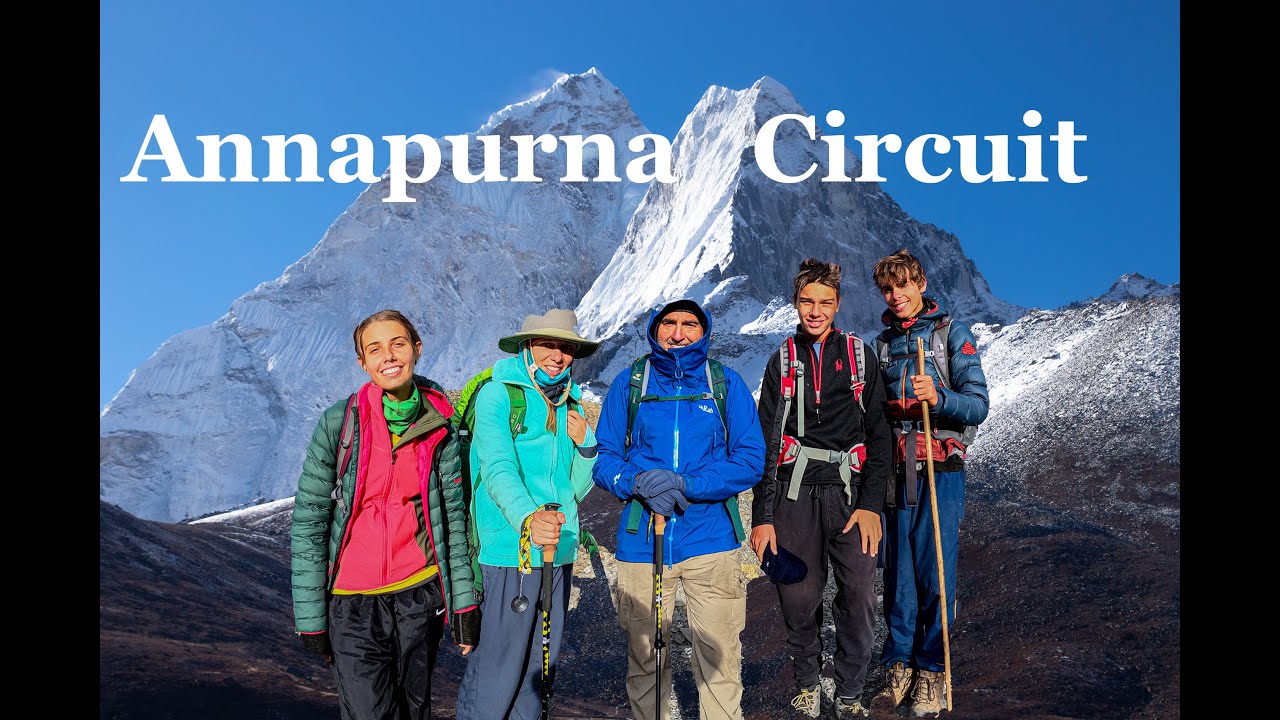
Short Annapurna Circuit Trek – 9 Days

5.0based on 11 reviews
Read reviews onTripadvisor
Quick Facts
  • Trip Duration9 Days
  • Destination Nepal
  • Difficulty Level Moderate
  • Maximum Altitude 5,416 m/17,756 ft (Thorong La Pass)
  • Activity Trek
  • Starts/Ends Kathmandu to Kathmandu
  • Group Size 1 - 16
  • Transportation Drive Kathmandu-Chame & Muktinath-Pokhara-Kathmandu
  • Best Season Spring (March to May) & Autumn (September to October)
  • Accommodation Hotel + Teahouse/ Lodge
  • Avg. hours of walk/day 5 to 7 hours
  • Comfort Basic + Comfort
  • Interest option Wildlife, nature, culture, photography, adventure, etc

Short Annapurna Circuit Trek Overview

“Walk for the views, stay for the apple pie”.

The Short Annapurna Circuit Trek is a condensed version of the classic Annapurna Circuit for travelers who want to experience its major highlights with fewer trekking days. Road transportation on selected lower sections reduces walking time, but the route still includes the iconic Thorong La Pass at 5,416 m. It is an ideal option for travelers with limited vacation time who do not want to miss the high-altitude experience.

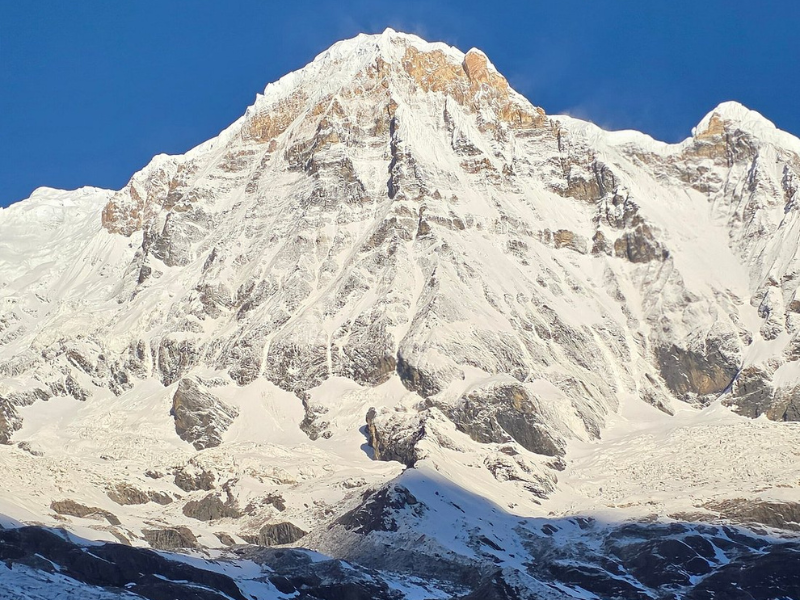
The beautiful views of the mountain such as Annapurna range (8,091 m), Mt. Machhapuchhre (6,993 m), Mt. Nilgiri (7,061 m), Mt. Dhaulagiri (8,167 m), Mt. Hiunchuli (6,441 m), Mt. Gangapurna (7,455 m), Pisang Peak (6,091 m), Tilicho Peak (7,134 m), Manaslu (8,163 m), Tukuche (6,920 m), etc and terrains on the other side are the ultimate reward of reaching such a high altitude. The travellers aiming to complete the Short ACT start from lush green valleys in the east. At first, there are dense forests, serene rivers, and traditional Gurung villages. As the trail continues, the landscape changes dramatically to dry slopes and Tibetan-influenced villages. 

The Short Annapurna Circuit Trek is a fantastic way to experience adventure in the circuit, if you don’t have time to spend. Although you will spend far fewer days compared to the traditional 14-day Annapurna Circuit Trek, you won’t miss much, other than the day-to-day trek from Jagat, and a greater chance of cultural immersion.

Flow of Journey

The Short Annapurna Circuit starts with a scenic drive from Kathmandu to Besisahar, which is quite smooth. From here, the trail is rough as you drive through the mountain road to Chame. From Chame, the trekking starts, as you follow the Marsyangdi River through high valleys and Gurung villages. Along the way, you will stop at key places such as Upper Pisang and Manang for acclimatization. The clear views of Annapurna and Dhaulagiri are quite rewarding. As altitude increases, vegetation becomes less dense, and air pressure decreases.

As the trekking days continue, you will trek to Ledar from Manang, and then to High Camp. Each day, tests your strength and lungs as the altitude increases. Here, it is essential to ascend gradually to reduce the risk of altitude sickness. Reaching Thorong La pass is the most challenging part of the trek. The climb begins early in the morning when the wind is gentle. The last part of the pass is steep and slow. From the top, you have expansive, clear views of white Himalayan peaks that surround you in every direction.

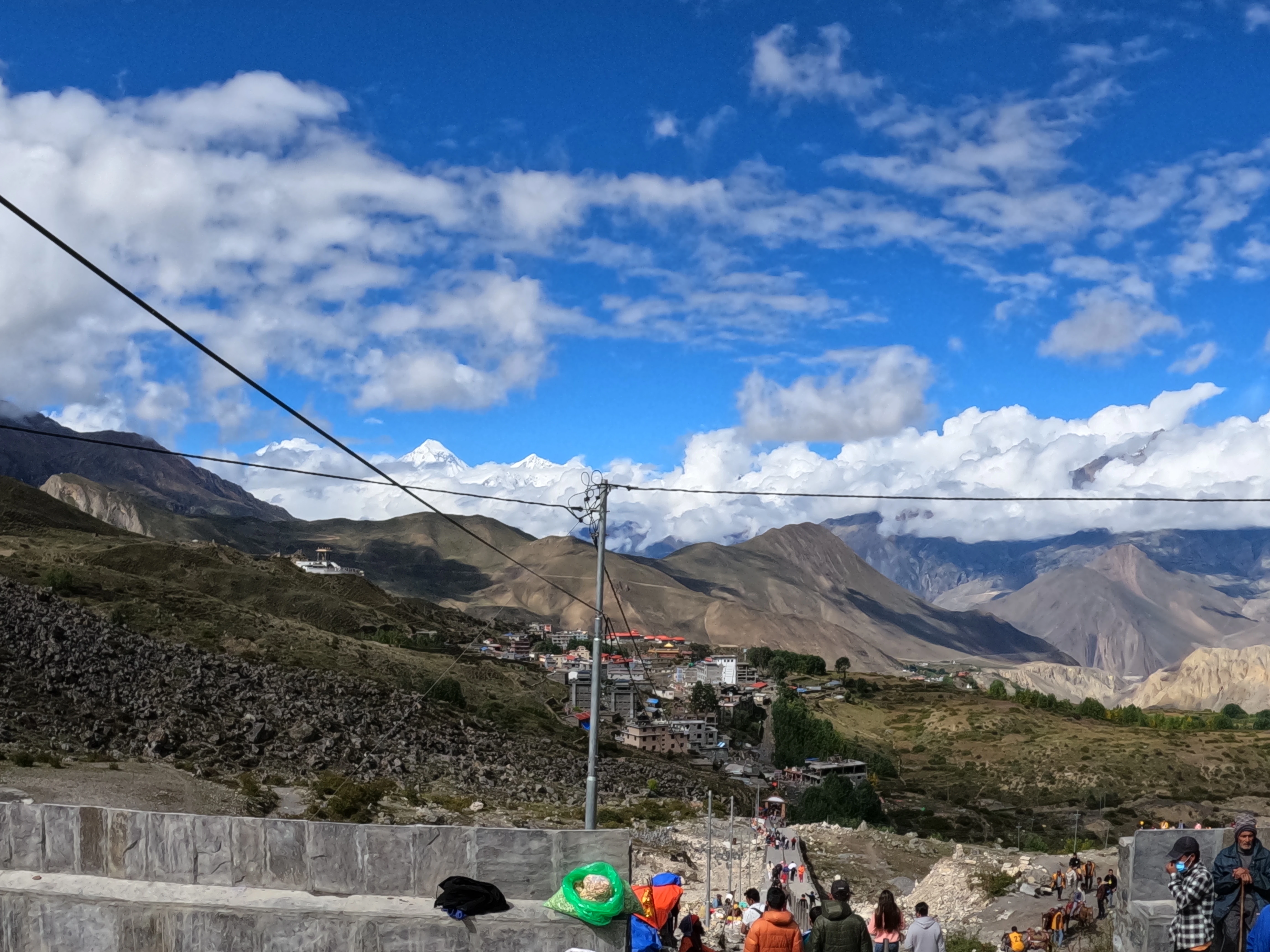
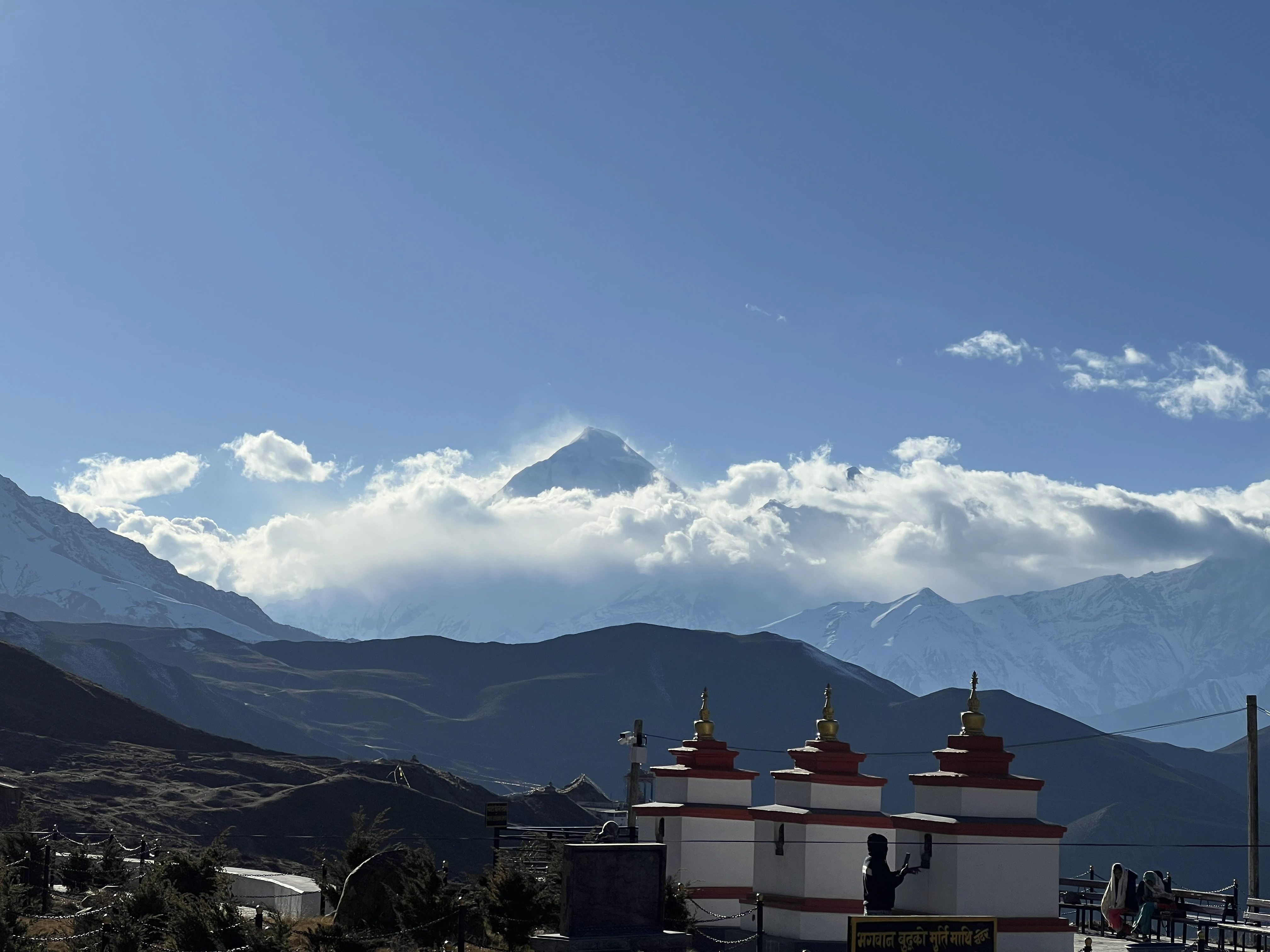
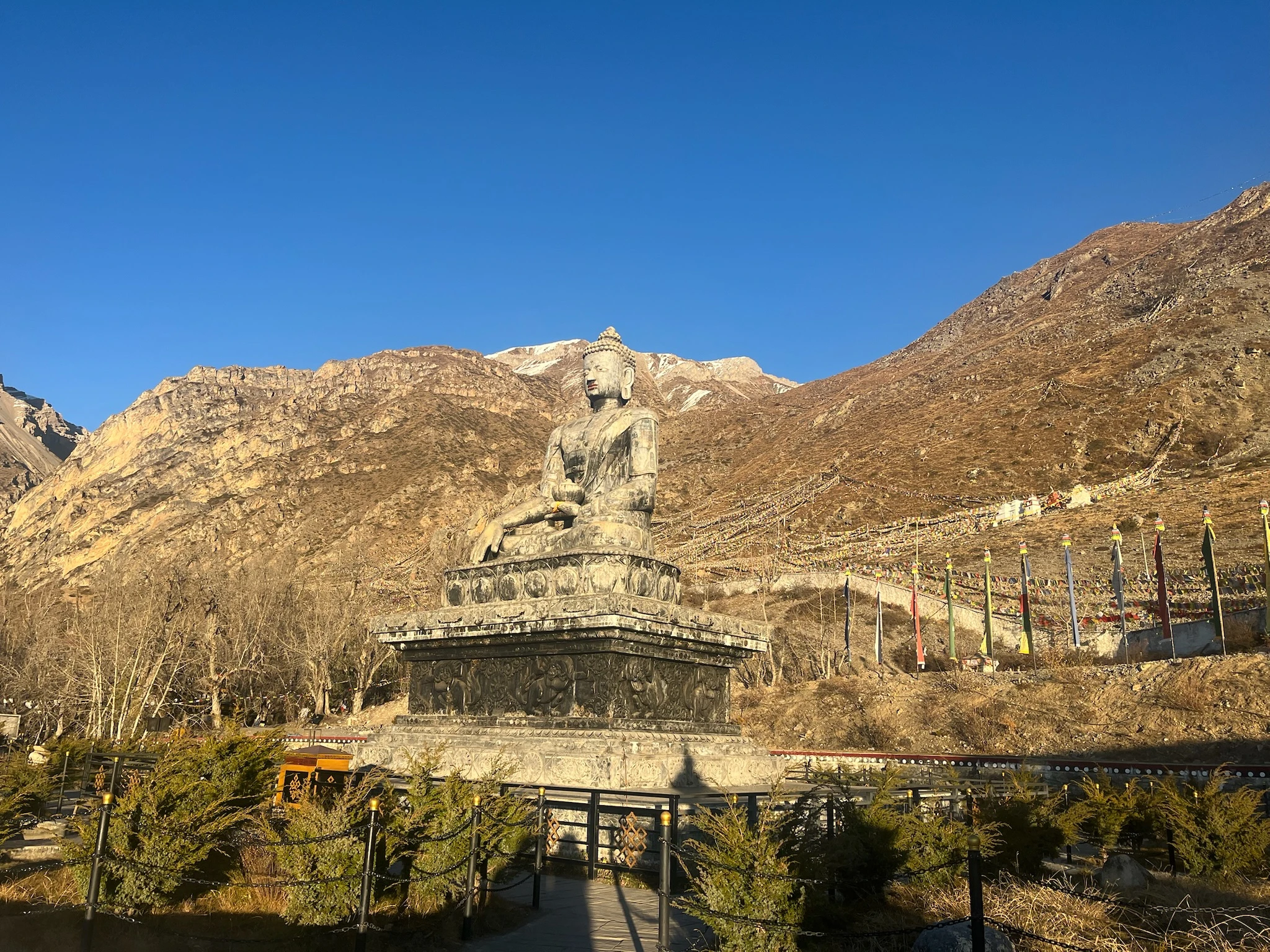
After you cross the pass, you go down into a new and interesting area. The trail takes you to Mustang, where the landscape is dry and open. As you move forward, you will notice changes in people and language, indicating you are entering a different culture. Your trip takes you to Muktinath, an ancient temple town important to both Hindu and Buddhist pilgrims. It sits between two distinct mountain cultures. From Muktinath, your trek ends as you drive to Pokhara and then to Kathmandu, concluding your 9 days Short Annapurna Circuit Trek.

Why You'll Love This Trip

  • Cross iconic Thorong La Pass at 5,416 m.
  • Experience a chilly adventure hike to Ice Lake.
  • Witness majestic mountain views of Annapurna, Dhaulagiri, and Fishtail.
  • Pass through different landscapes in tropical forests, narrow gorges, snowy mountains, and icy glaciers.
  • Enjoy the warm hospitality of the local Gurungs, Magars, and Thakalis.
  • Explore ancient monasteries in villages such as Braga, Gyaru, Ngawal, and Pisang.
  • Visit Muktinath Temple, a sacred site for Hindus and Buddhists in Nepal.
  • Stroll through Manang and its apple orchards to taste some delicious apple delicacies.

Itinerary

Day1
  • Max. Altitude:2,650 m/8,694 ft
  • Meals:Lunch and Dinner
  • Accommodation:Teahouse
  • Drive Distance:240 km
  • Drive Duration:8 hours
  • Sleep Elevation:2,610 m
  • Overnight Place:Chame
  • Day's Difficulty:Gentle

The first day of the Short Annapurna Circuit trek begins with a drive from Kathmandu to Chame, via Besisahar. It marks a rapid transition from urban areas to the rural Himalayan terrain. We drive along the Prithvi Highway, heading west through terraced hillsides and river valleys. On clear days, we will see distant views of Manaslu and the Lamjung Himal. 

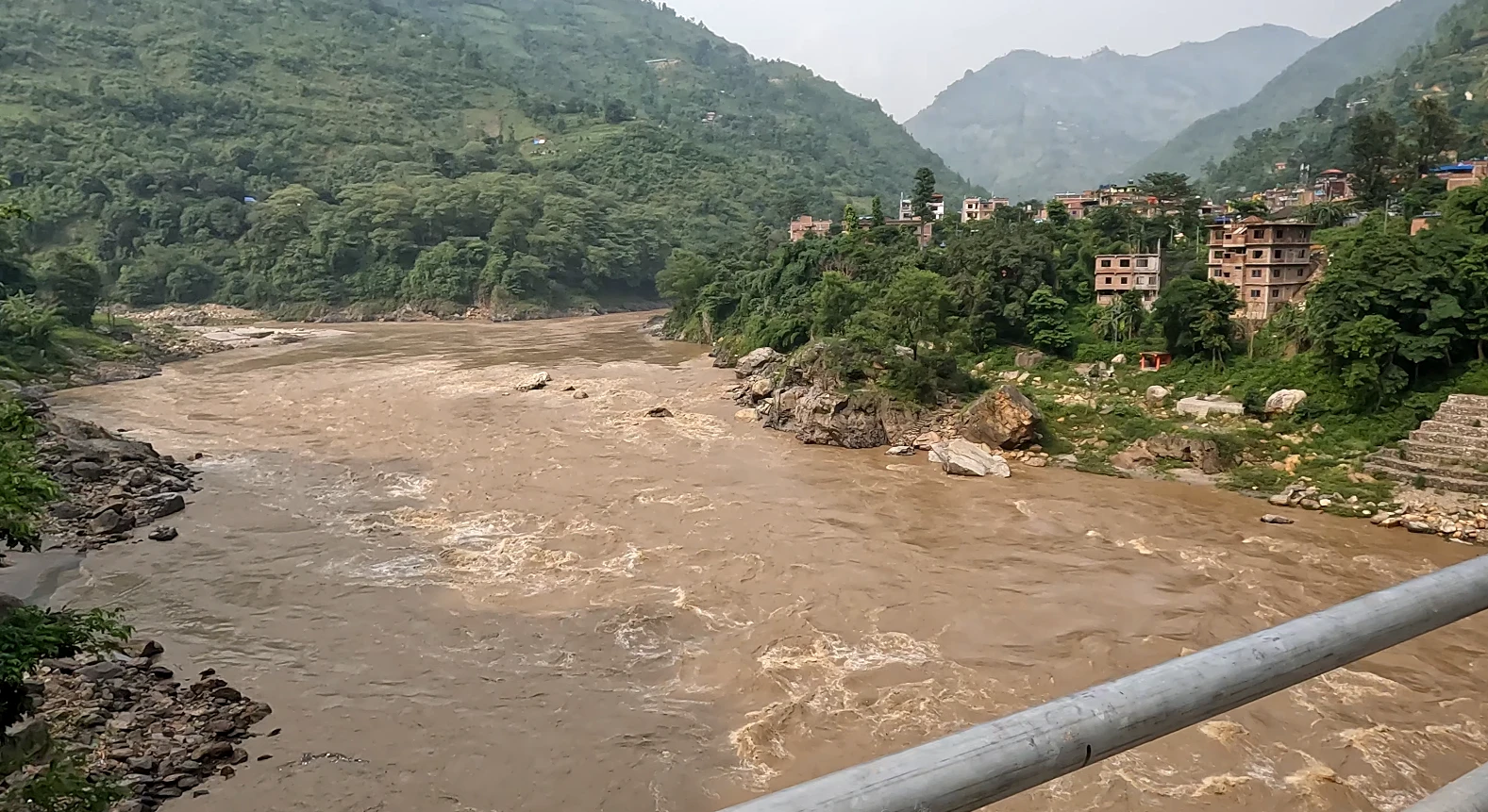
After 5-6 hours, we arrive in Besisahar, the traditional starting point of the trek. We pause in Besisahar for lunch and to charge our devices, then continue driving uphill along the Marshayangdi River gorge. As we pass Besisahar, the road turns narrow, winding, and rugged above the river.

On this short drive, we drive through the villages of Jagat, Chamje, and Tal rather than trekking. The landscape changes from sub-tropical to alpine as we pass Dharapani and Timang. After about 8 hours on the road, we reach Chame. Chame is the administrative centre of Manang. There is a local hot spring where we can relax, after checking into the teahouse for an overnight stay.

Included activities:

  • Drive from Kathmandu to Chame via Besisahar, passing terraced hills and river valleys.
  • Stop in Besisahar for lunch, rest, and device charging.
  • Continue driving through mountain villages like Jagat, Chamje, and Tal.
  • Observe dramatic landscape changes from sub-tropical forests to alpine terrain.

Optional activities:

  • Optional visit to the local hot spring in Chame after the teahouse check-in.
     
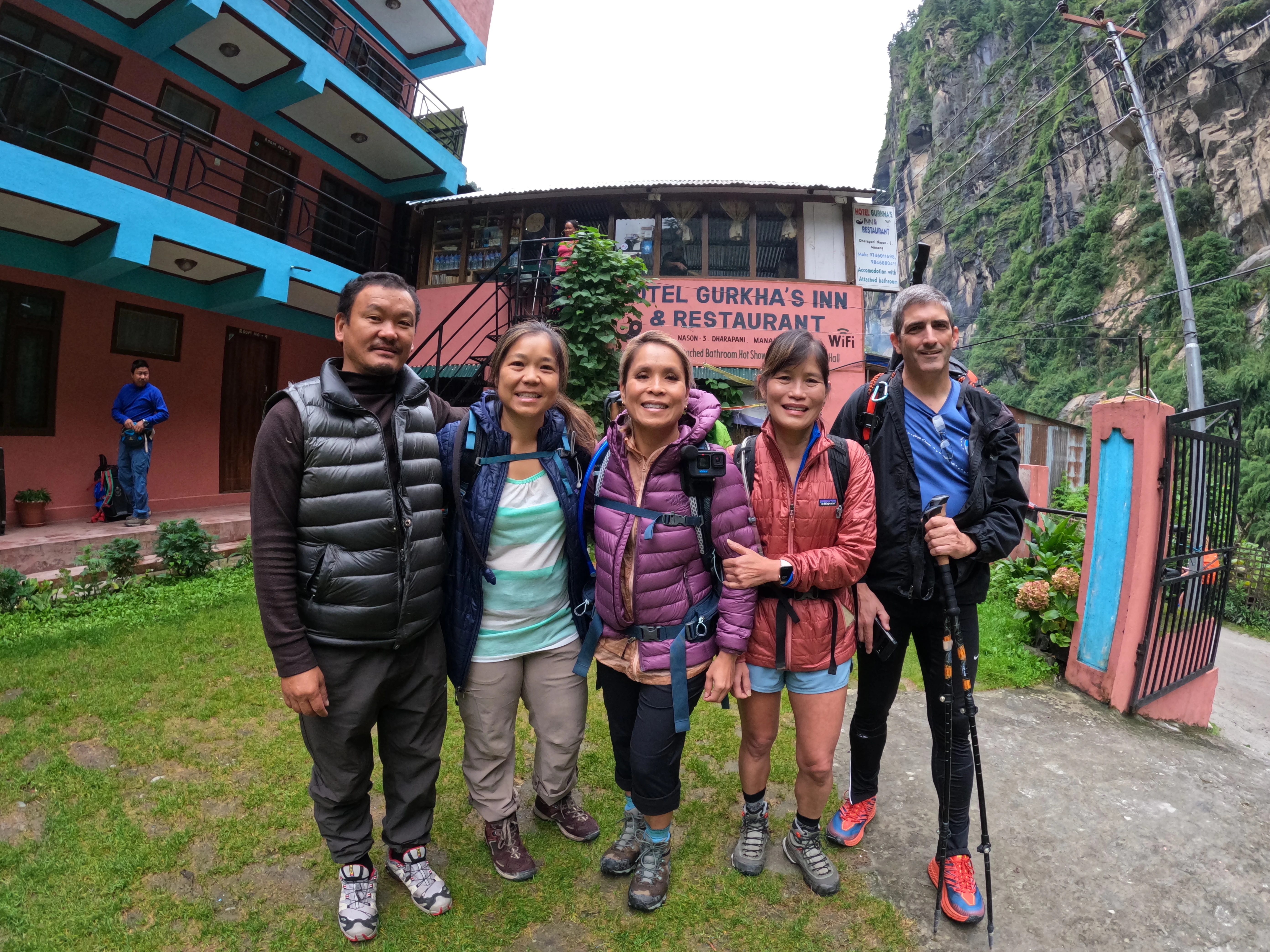
dharapani
trekkers at timang
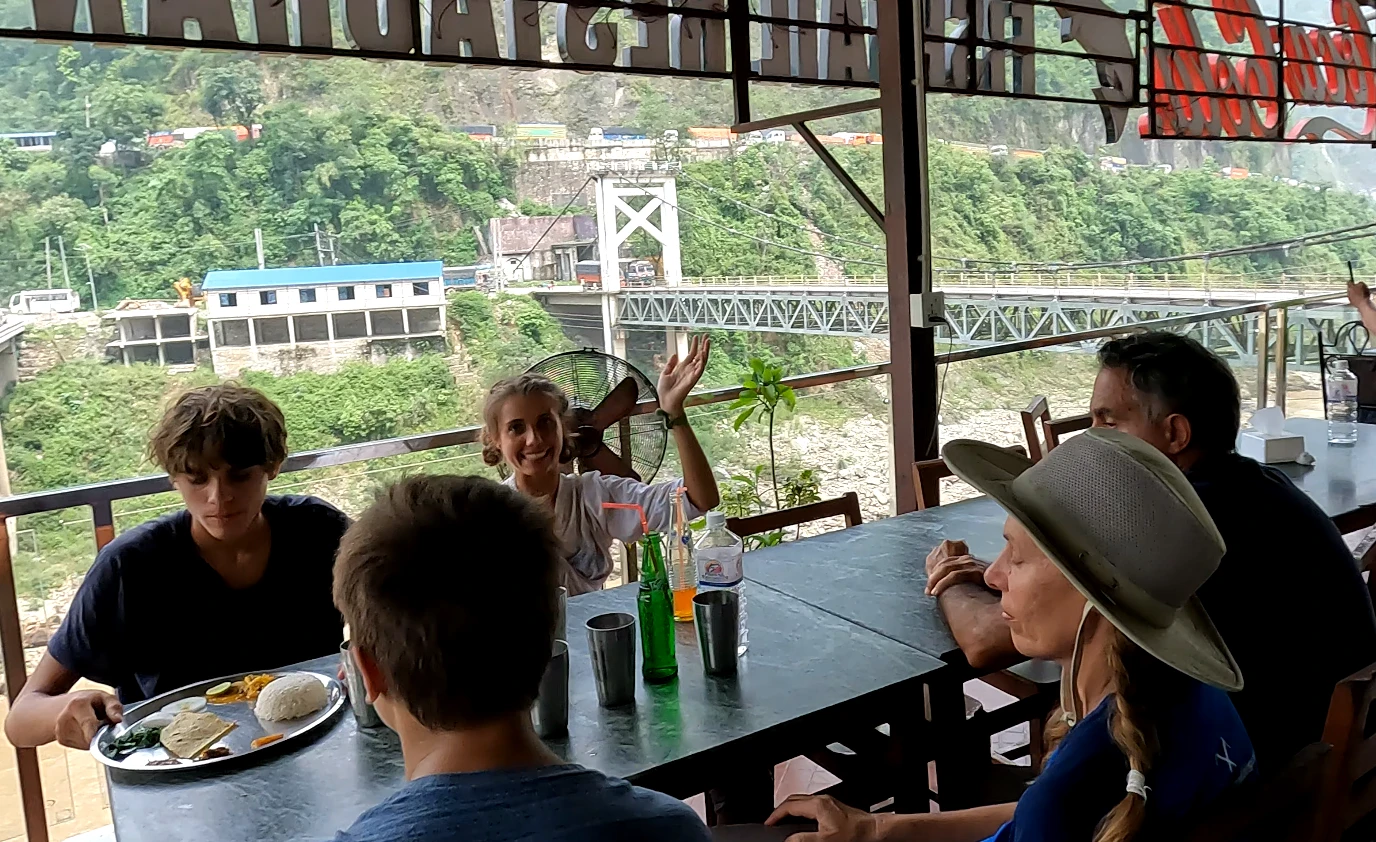
lunch at muglin
Day2
  • Meals:Breakfast, Lunch, and Dinner
  • Accommodation:Hotel (Hotel Mandela)
  • Trek Distance:14 km
  • Trek Duration:5-6 hours
  • Sleep Elevation:3,300 m
  • Overnight Place:Upper Pisang
  • Day's Difficulty:Moderate

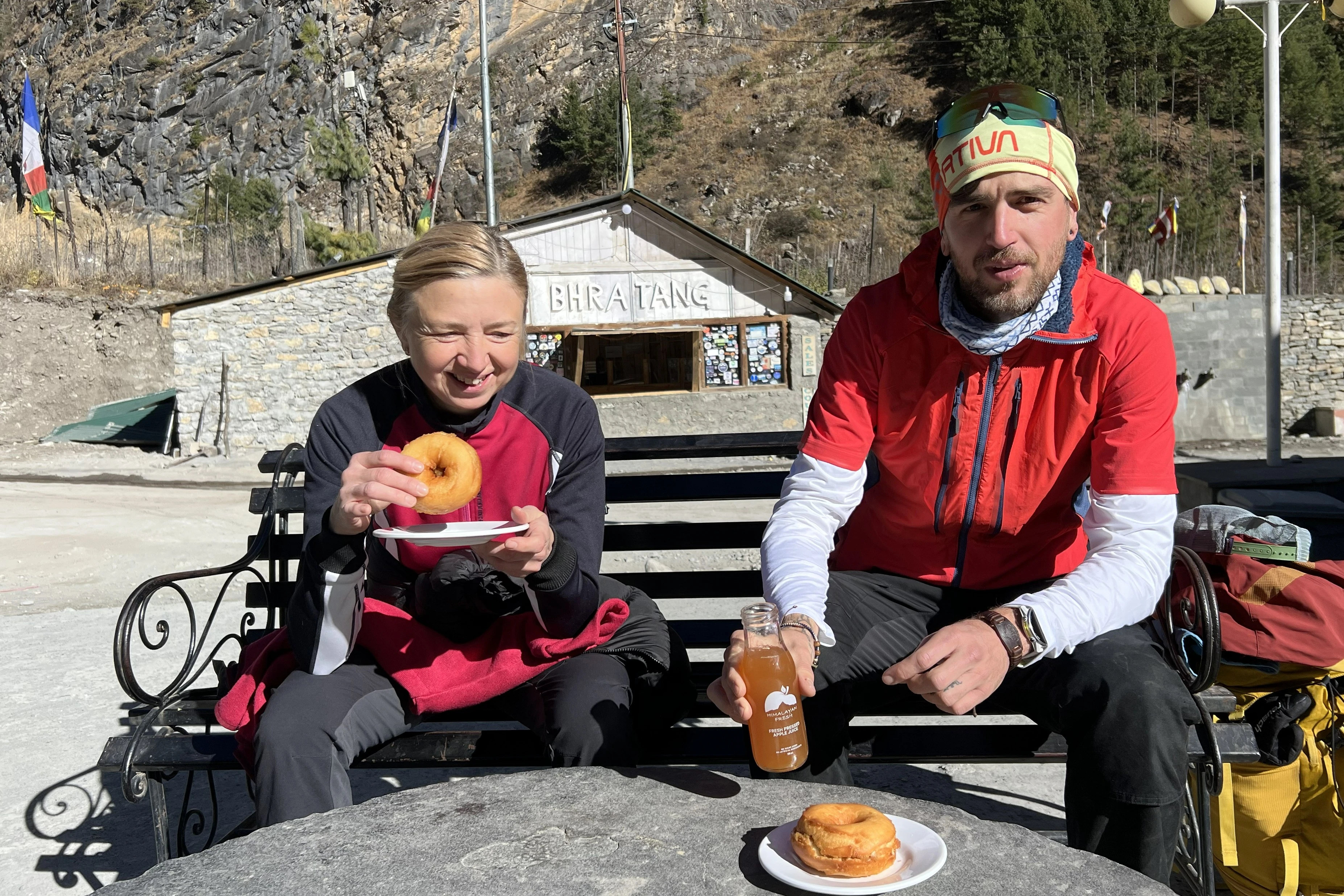
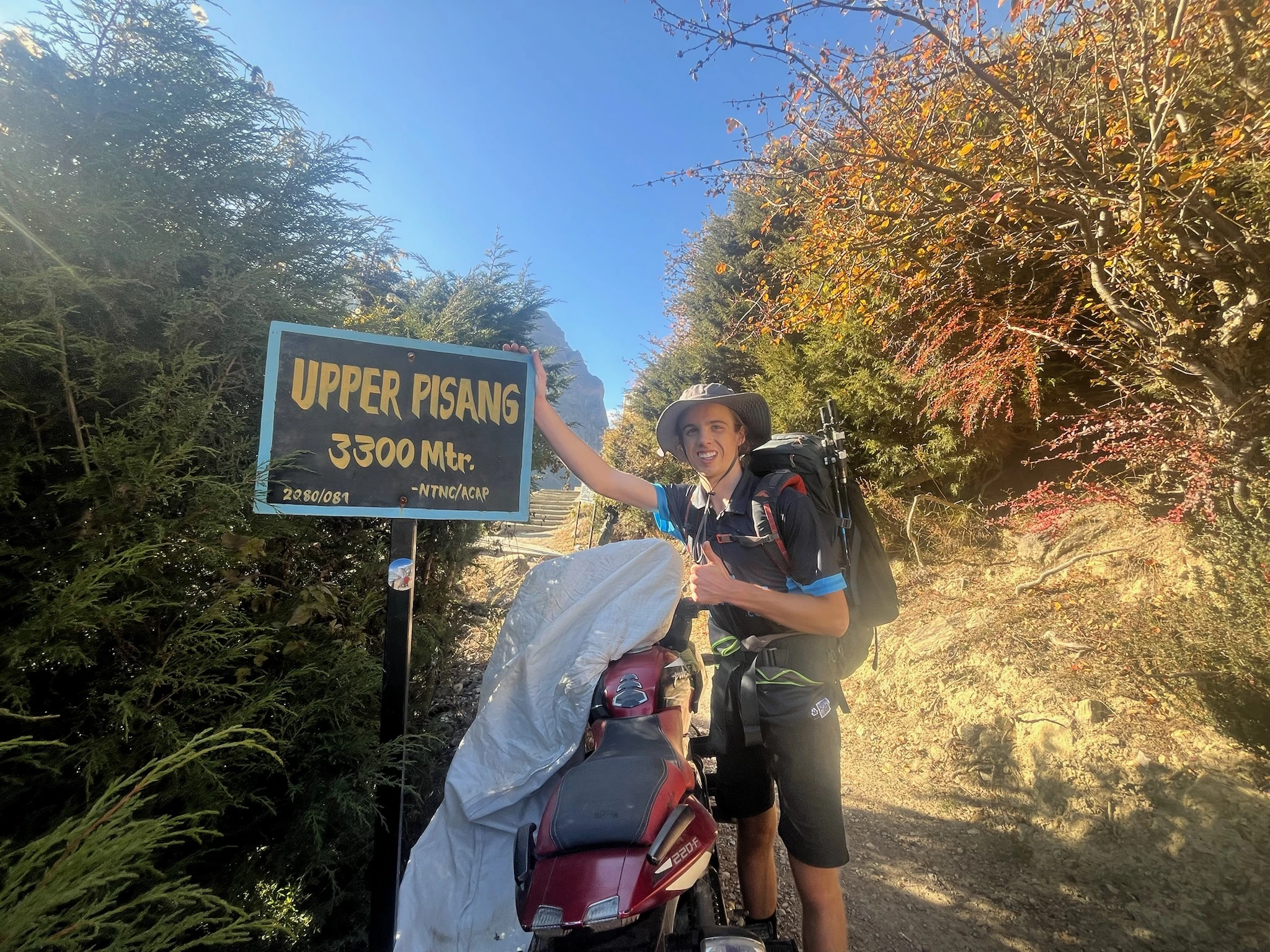
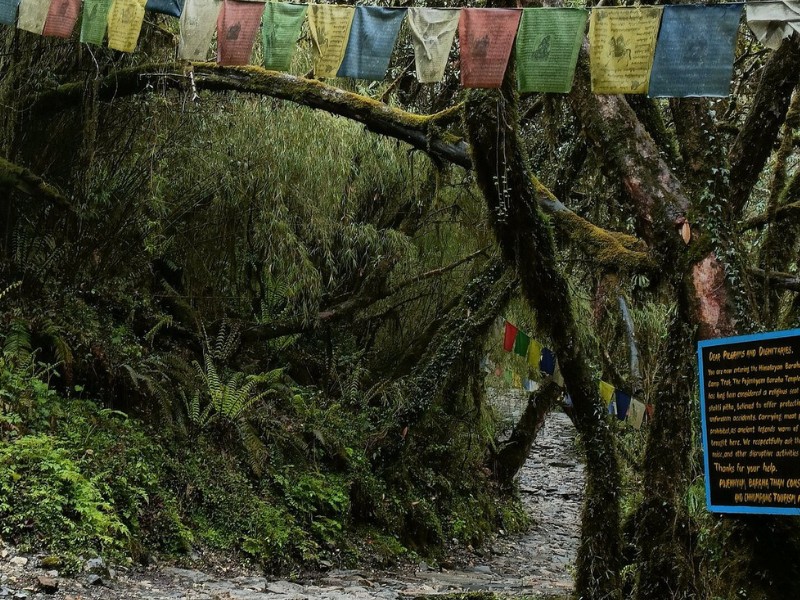
Today’s trek from Chame is a gentle, gradual ascent and winds through the alpine forests. We are surrounded by rhododendron and pine forests. Soon after leaving Chame, we reach the Bhartang apple farm. Here we can pause for a bit and enjoy warm apple pie, freshly pressed apple juice, and other treats from the orchard. From there, we reach an open ridge in Paungda Danda, after crossing a long suspension bridge. Just beyond lies the stunning rock formation called Swargadwari, or the "stairway to heaven." This name comes from its steep, terraced cliffs that appear to rise endlessly into the sky.

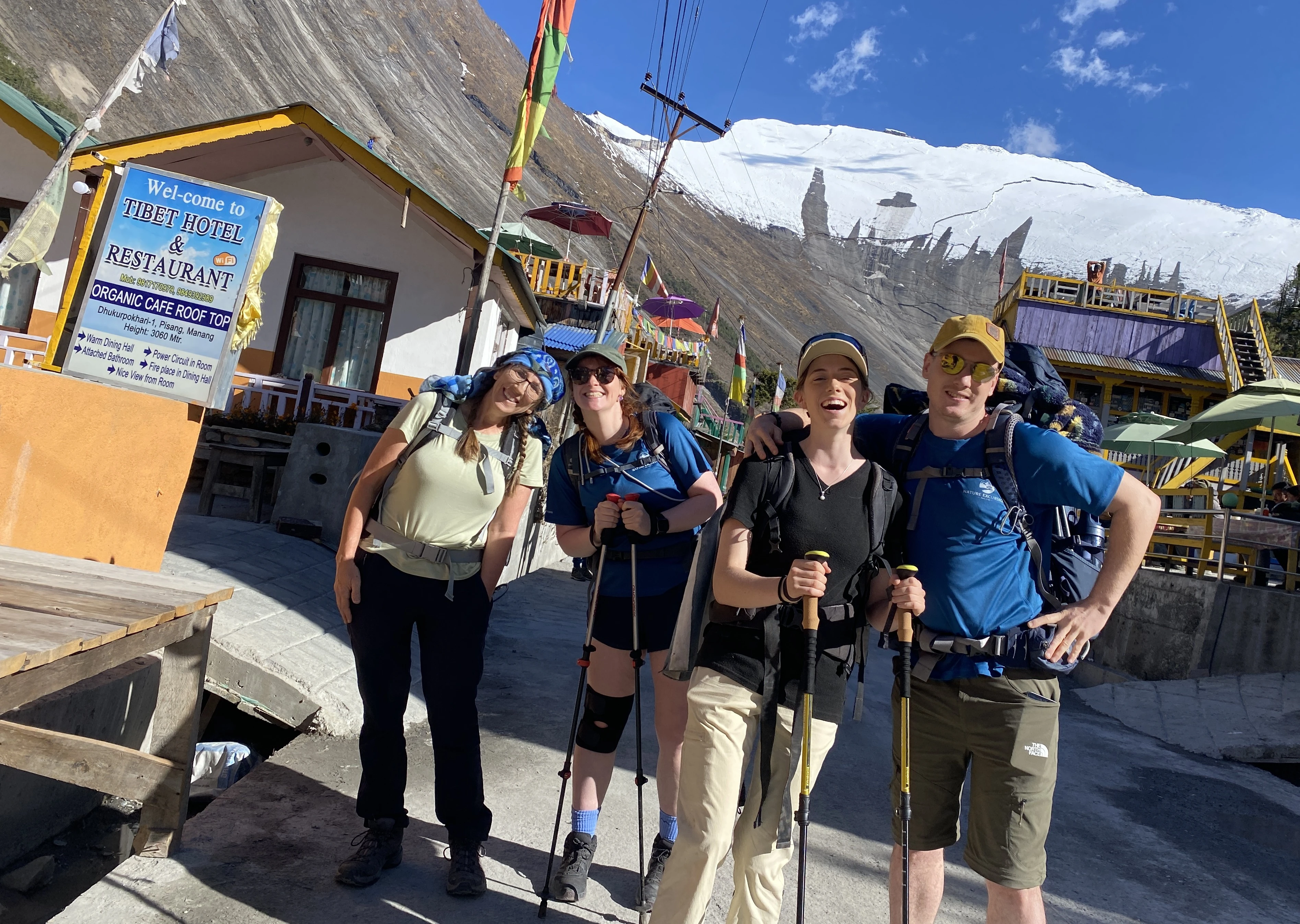
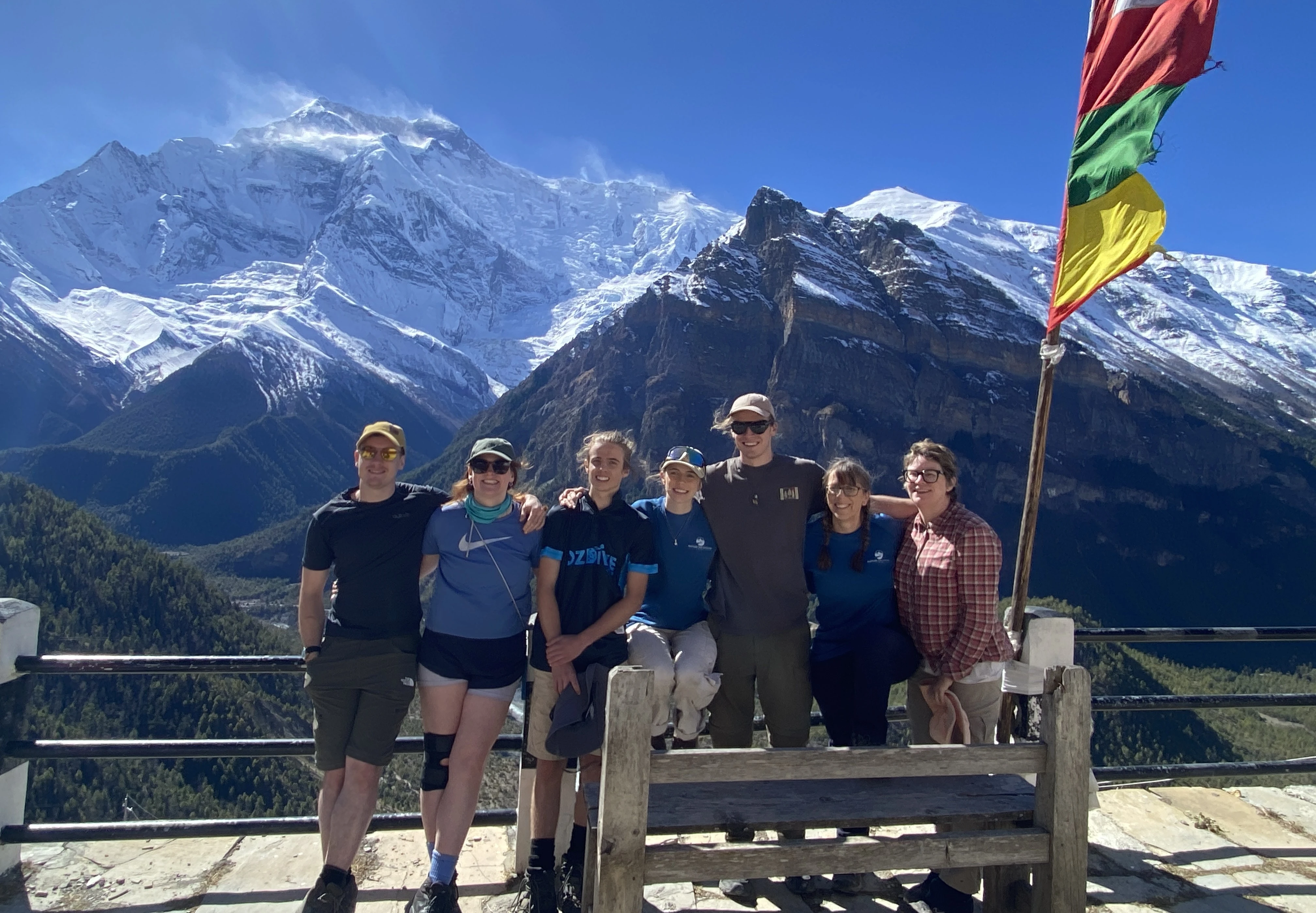
We arrive in Dhukur Pokhara in the afternoon and stop there for lunch. From here, we will see majestic views of Annapurna II, Pisang Peak, and the Swargadwari cliffs. After the rest, we pass the trail that gradually curves towards Upper Pisang. Due to more rugged terrain and thin air, we can suddenly notice the landscape shift into Manang’s rain shadow. Upper Pisang shows strong Tibetan cultural influence, evident in its stone houses and narrow alleyways. We will stay overnight at Hotel Mandela, a popular teahouse in the area. A short five-minute walk from the hotel takes us to the Upper Pisang Monastery. This peaceful hilltop site offers one of the best sunset views of Pisang Peak and the Annapurna range.

Included activities:

  •  Walk under the large rock wall of Paungda Danda.
  • Hike through alpine forests and enjoy views of Chulu Far East and Annapurna II.
  • Have lunch at Dhukur Pokhari, where you can see Annapurna II, Pisang Peak, and Swargadwari Danda.
  • As you hike toward Upper Pisang, notice the landscape changes into a rain shadow.

Optional activities:

  • Optional 5-minute hike to Upper Pisang Monastery for sunset views.
     
Apple Farm
bhartang apple farm
dhukur pokhari
upper pisang
Day3
  • Meals:Breakfast, Lunch, Dinner
  • Accommodation:Teahouse (Himalayan Singi)
  • Trek Distance:16 km
  • Trek Duration:6-7 hours
  • Sleep Elevation:3,540 m
  • Overnight Place:Manang
  • Day's Difficulty:Moderate

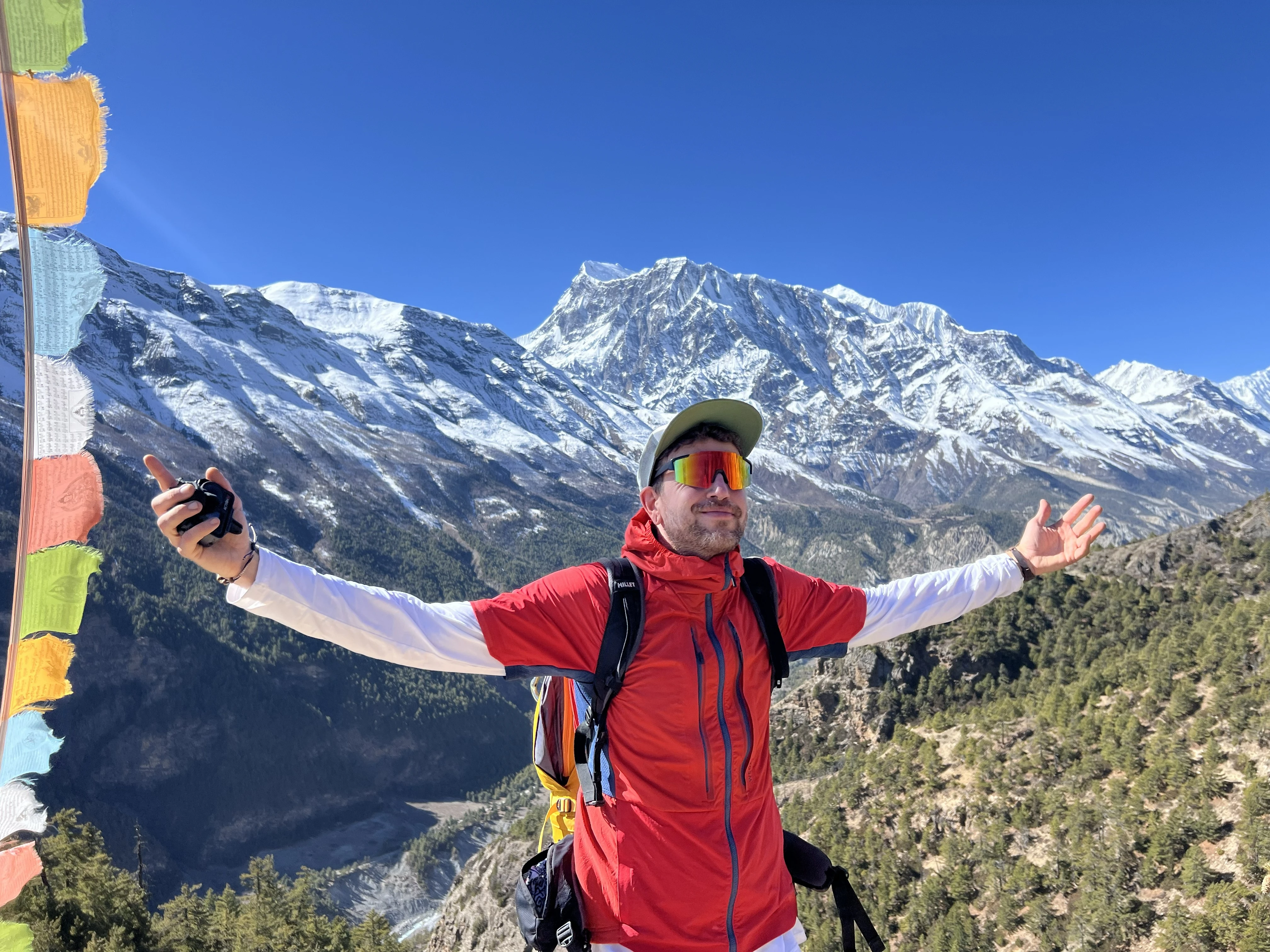
The third day of the trek begins from Upper Pisang. We chose the upper trail, which is more scenic and better suited to acclimatization. The route first climbs in the morning toward Ghyaru village, then continues through Ngawal before descending to Braka. We then continue to Manang. The trail reaches an elevation of 3,500 m, which supports acclimatization. Although this trail is more demanding than the lower one, it offers amazing rewards: majestic mountain views of Tilicho Peak, Gangapurna, Annapurna II, III, IV, and others.

As you walk through Geru and the mountain villages, you will notice the landscape changing. The trees become thine, with alpine surroundings around us. A highlight of this journey is the 600-year-old monastery in Braka, a peaceful cultural site surrounded by stunning mountains. Along the trail, you might see wildlife such as blue sheep, yaks, and mountain goats. At the end of the trek, trekkers stay at the Himalayan Singi Lodge in Manang, a welcome resting place.

Included activities:

  • Visit Braka monastery.
  • Trek through Ngawal, Geru, and Braka villages.
  • Trek through the upper trail to get the best mountain views.
Annapurna 3 and Gangapurna
Annapurna 2 from Ghyaru
annapurna ranges
ghyaru village
Day4
  • Meals:Breakfast, Lunch, and Dinner
  • Accommodation:Teahouse (Himalayan Singi)
  • Sleep Elevation:3,540 m
  • Overnight Place:Manang
  • Day's Difficulty:Moderate

Today, we pause our short Annapurna Circuit Trek to acclimatize and explore Manang. Manang is an ideal spot for this. That being said, we will not just rest; we will go on short hikes around the valley. One popular hike from Manang is to Chongkor Viewpoint (3,800 m). This viewpoint provides excellent views of Annapurna II, III, and IV, Gangapurna, Tilicho Peak, and the beautiful Manang Valley below.

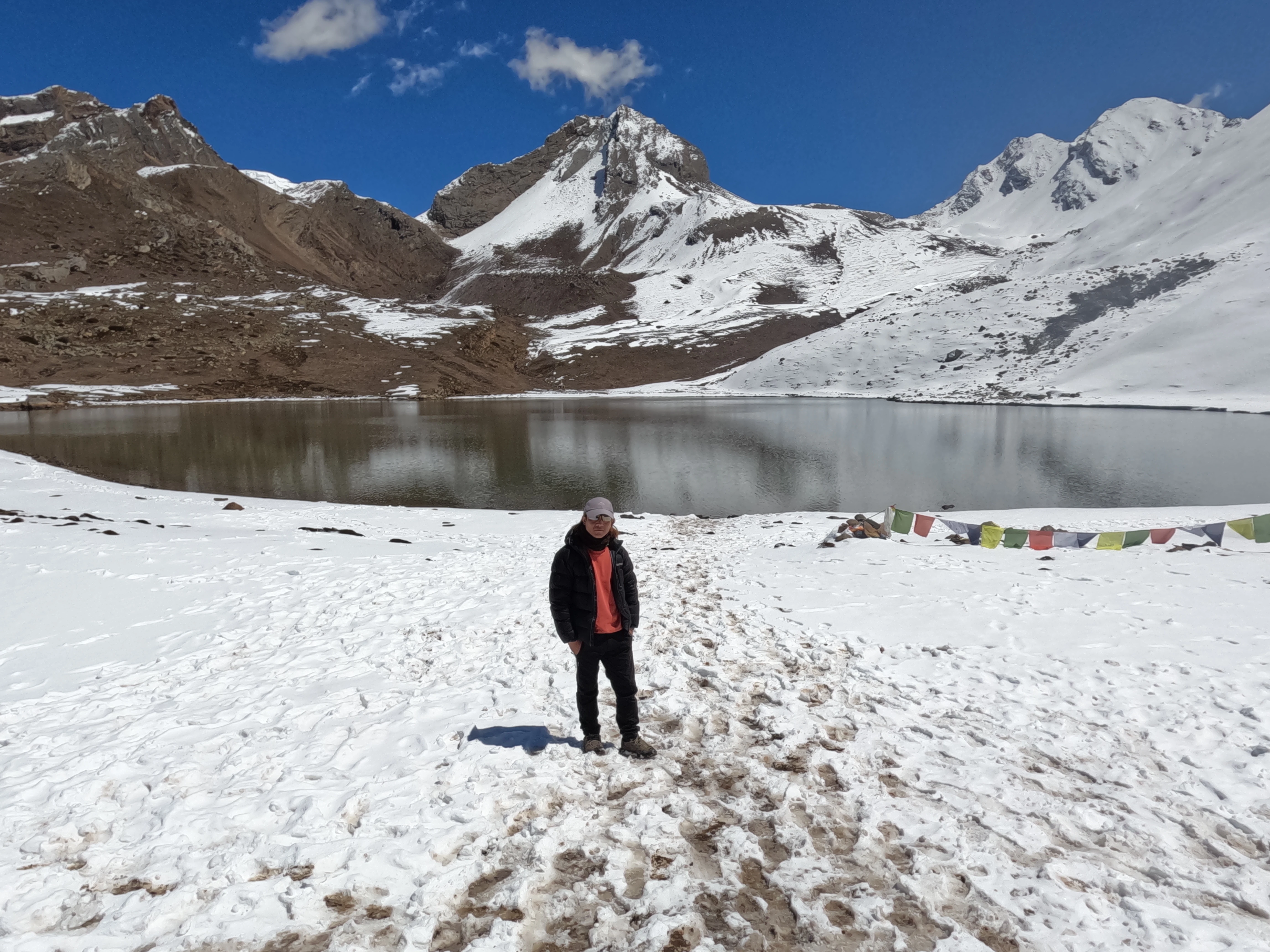
In addition to Chongkor Viewpoint, we also take a side trek to Gangapurna Lake. After returning to the village, we will visit several small museums and enjoy local pastries at bakeries run by locals. Each day at 3 p.m., the Himalayan Rescue Association holds a program about altitude sickness that you can join. If we feel energetic and have a full day to adjust to the altitude, we can hike to Ice Lake (Kicho Lake), which is at 4,600 m. This hike will involve a steady, steep climb of 1,000 m in elevation.

There are no teahouses along the way to Ice Lake. Hence, we will start early and bring a packed lunch for this side trek. The round trip takes approximately 6-8 hours, depending on pace and trail conditions. From the ice lake, we will get to see majestic views of Gangapurna, Annapurna III, and the Chulu ranges. 

Included activities:

  • Short acclimatization hike to Chongkor Viewpoint (3,800 m).
  • Visit Gangapurna Lake.
  • Attend the 3 p.m. Himalayan Rescue Association altitude talk.

Optional activities:

  • Optional full-day hike to Ice Lake (4,600 m) for advanced acclimatization.
  • Day 5: Trek from Manang (3,540 m) to Ledar (4,200 m), via Yak Kharka (4,050 m)
Annapurna III
At Chhonkar View Point
Ice Lake
chhonkar view point
Day5
  • Meals:Breakfast, Lunch, and Dinner
  • Accommodation:Teahouse (Dhading Laxmi Guest House)
  • Trek Distance:11 km
  • Trek Duration:4 hours
  • Sleep Elevation:4,050 m
  • Overnight Place:Ledar
  • Day's Difficulty:Challenging

Today, we start our hike at the junction where the paths split towards Tilicho Lake and Larkya La Pass. We will follow the main Annapurna Circuit route and slowly climb through high-alpine terrain. The ascent is gradual, which helps your body adjust to the altitude. As we walk, we will enjoy expansive views of the Annapurna Mountains. Most trees are gone, leaving only a few alpine bushes. After passing through the small village of Gunsang, we will continue to Yak Kharka. This area is ideal for spotting animals such as Himalayan snowcocks, mountain goats, and yaks.

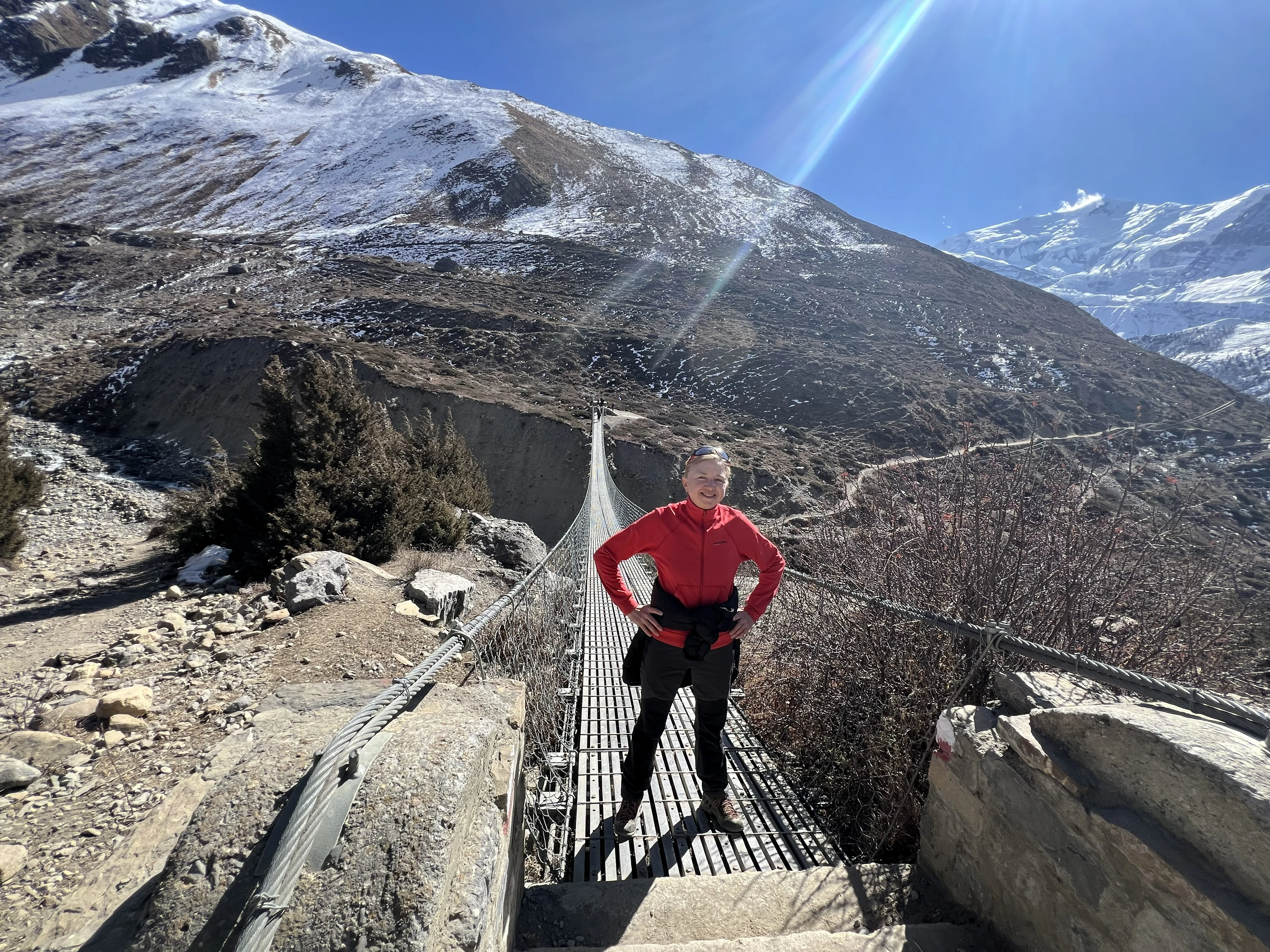
After a brief time in Yak Kharka, we cross the Jarsang Khola on a long suspension bridge. We will see the majestic Chulu Far East. We reach Ledar after crossing the bridge and trekking for some time. Ledar is situated at 4,200 m and is a small seasonal settlement. We check into the Dhading Laxmi Guest House. Mobile reception begins to deteriorate from here to Muktinath, so it’s wise to contact your family before moving on.

Included activities:

  • Pass Gunsang and continue to Yak Kharka.
  • Wildlife spotting: Himalayan snowcock, mountain goats & yaks.
  • Cross a long suspension bridge over Jarsang Khola.
  • Approach Ledar with views of Chulu Far East.
Chulu Peak
Suspension Bridge at Leader
trekkers at guest house
suspense bridge at Chulu Peak
Day6
  • Max. Altitude:4,880 m
  • Meals:Breakfast, Lunch, and Dinner
  • Accommodation:High Camp
  • Trek Distance:8 km
  • Trek Duration:4 hours
  • Sleep Elevation:4,525 m
  • Overnight Place:High Camp
  • Day's Difficulty:Challenging

We have two options for the trail from Ledar to Phedi: an older, shorter path and a newer, longer one. The new trail has several ups and downs and leads to a long suspension bridge that connects to Phedi. The old trail is more direct but has landslide-affected sections. We need to be extra careful and follow the guide’s instructions. The area is open and without trees, but the stunning mountain views make it a great hike. The path to Phedi is gentle. Phedi is a good place to stop for lunch before we continue to High Camp.
From Phedi, the trail becomes difficult. We need to climb for approximately 40 minutes to an hour to reach High Camp. After arriving at High Camp, we check in and then take a short acclimatization hike to a nearby viewpoint. This short hike is essential for acclimatization and rewarding, as we can see rare animals such as blue sheep and Himalayan snowcocks. We spend the night at High Camp in preparation for the next day's ascent of Thorong La Pass, which will be challenging.

Included activities:

  • Trek from Ledar to Phedi via either the old or new trail.
  • Cross a long suspension bridge on the newer trail.
  • Have lunch at Phedi before the steep ascent.
  • Climb from Phedi to High Camp (approx. 40 minutes to 1 hour.
  • Take an acclimatization hike to a nearby viewpoint to spot wildlife like blue sheep and Himalayan snowcocks.
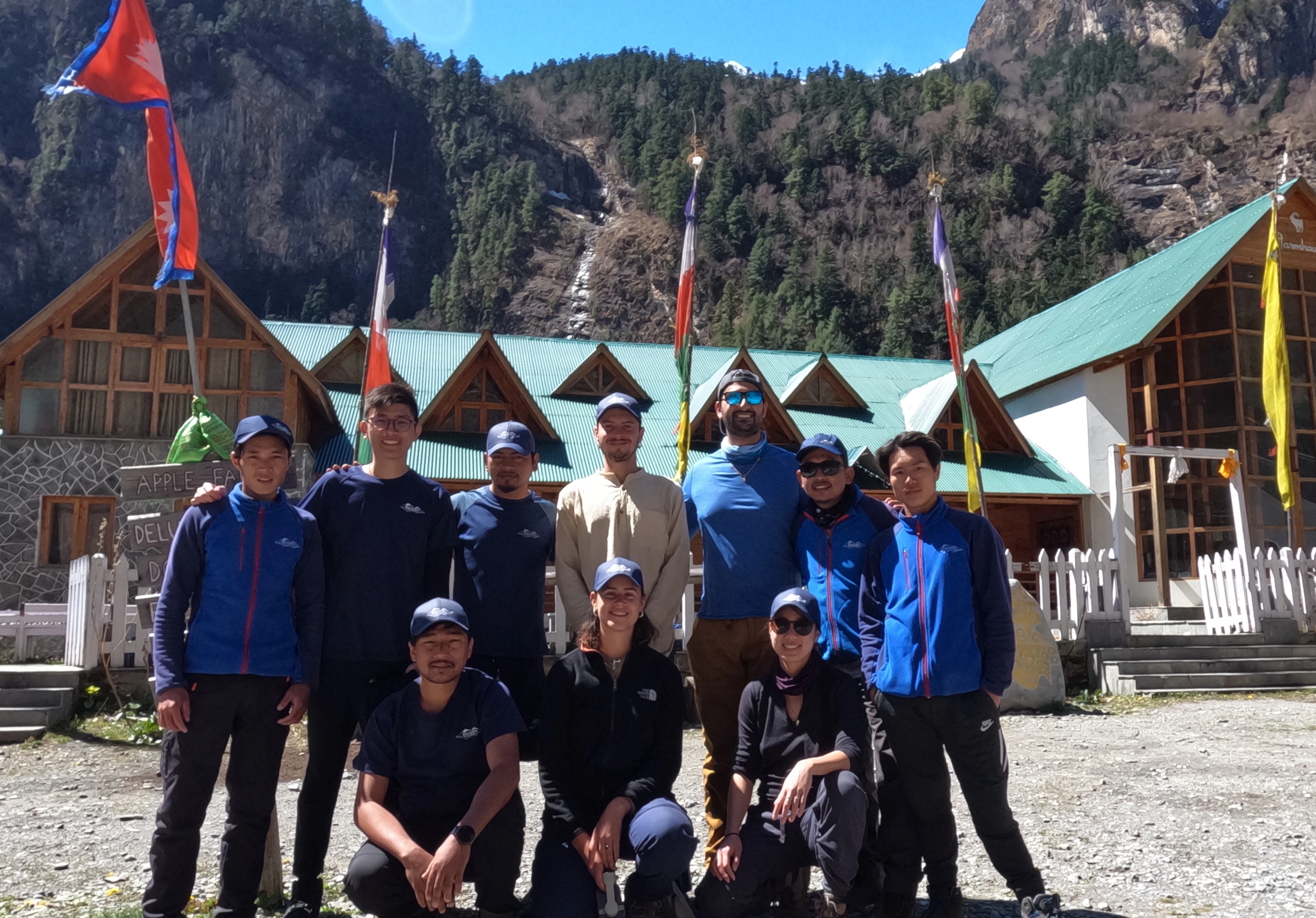
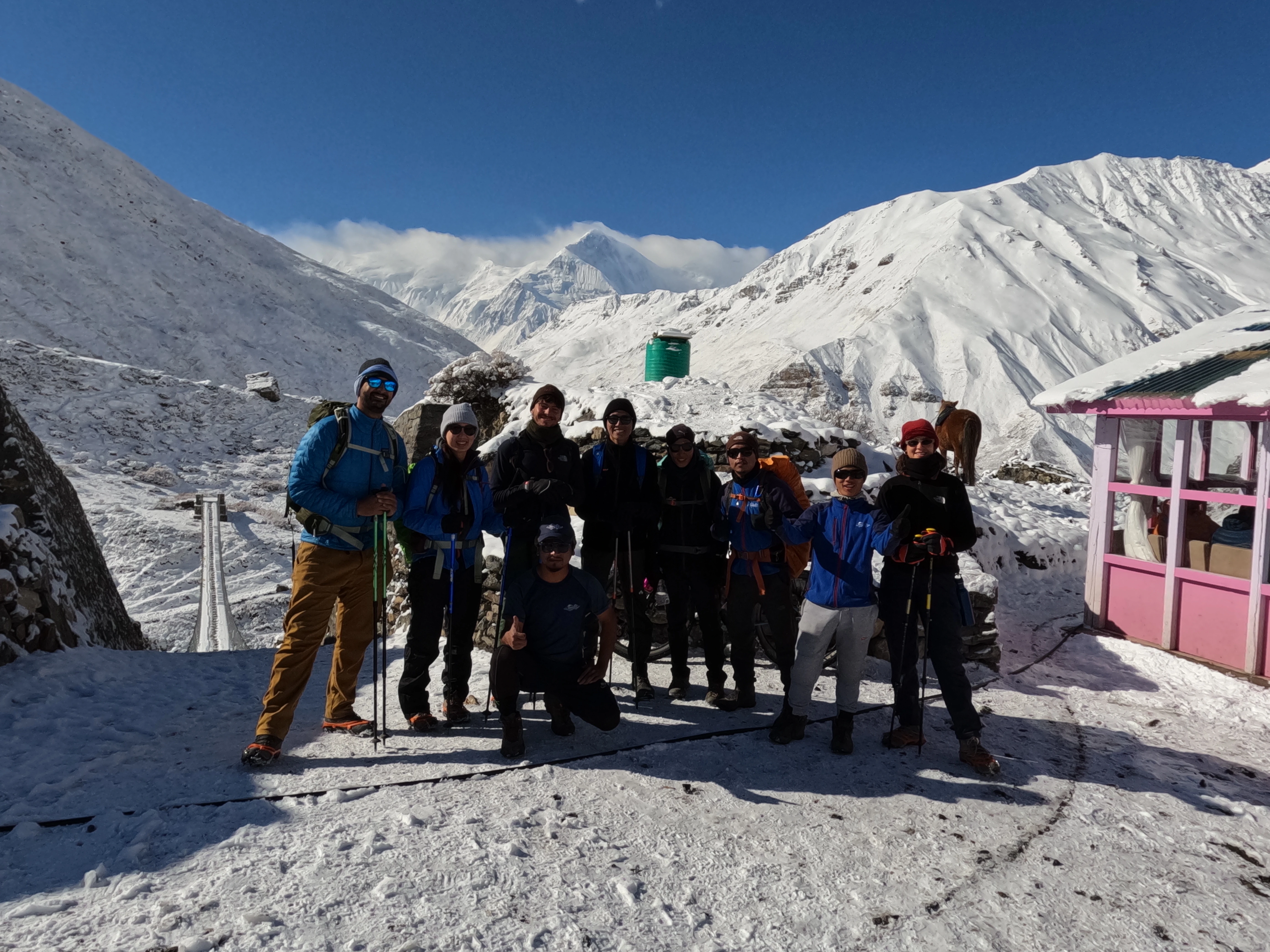
Group Picture at Leader Village
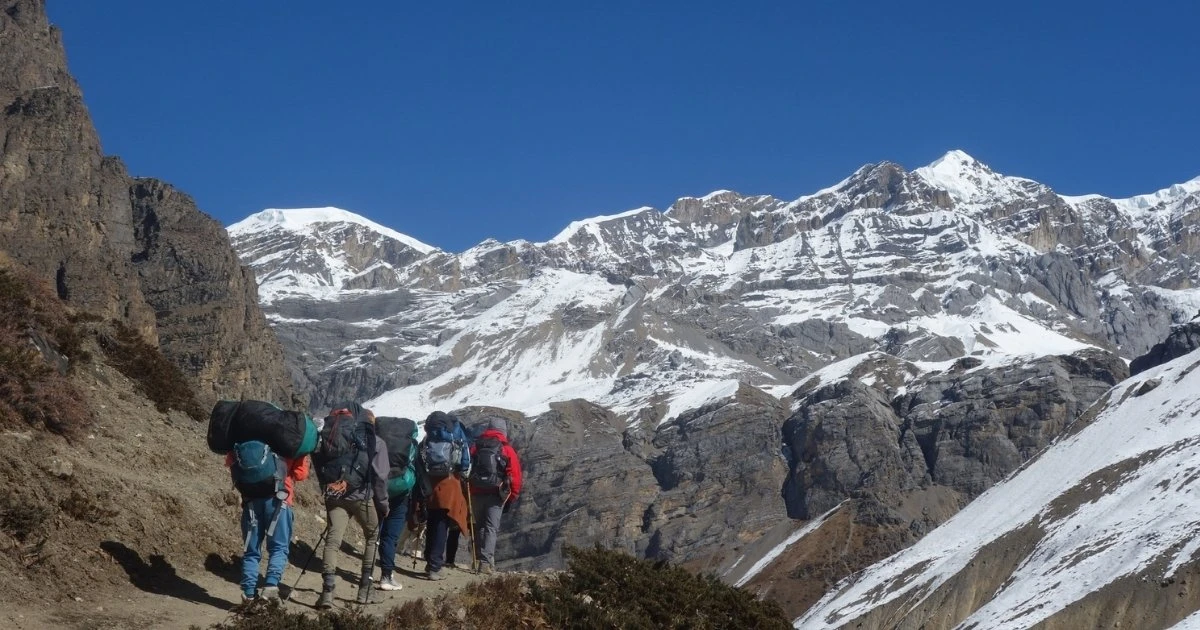
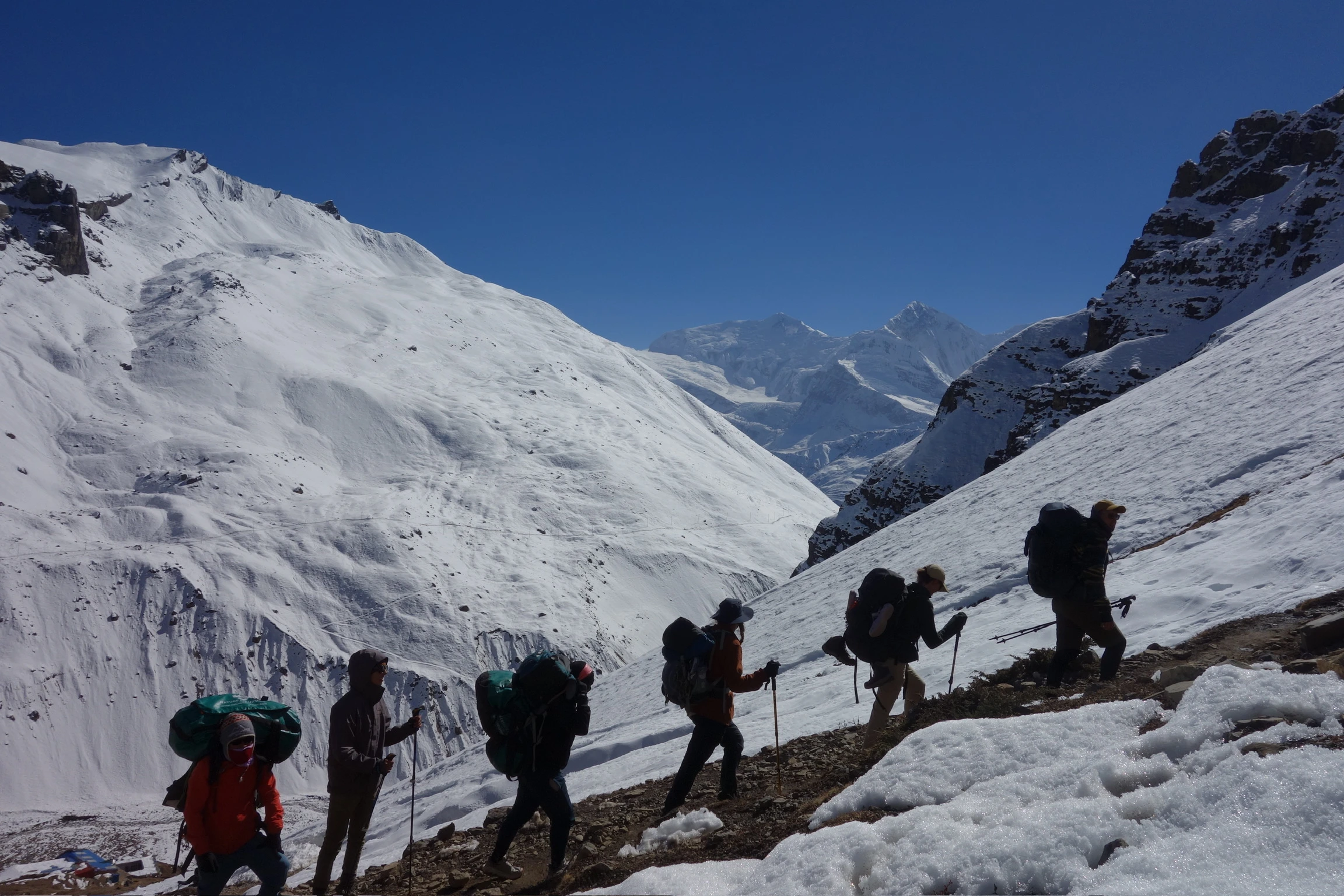
on the way to high camp
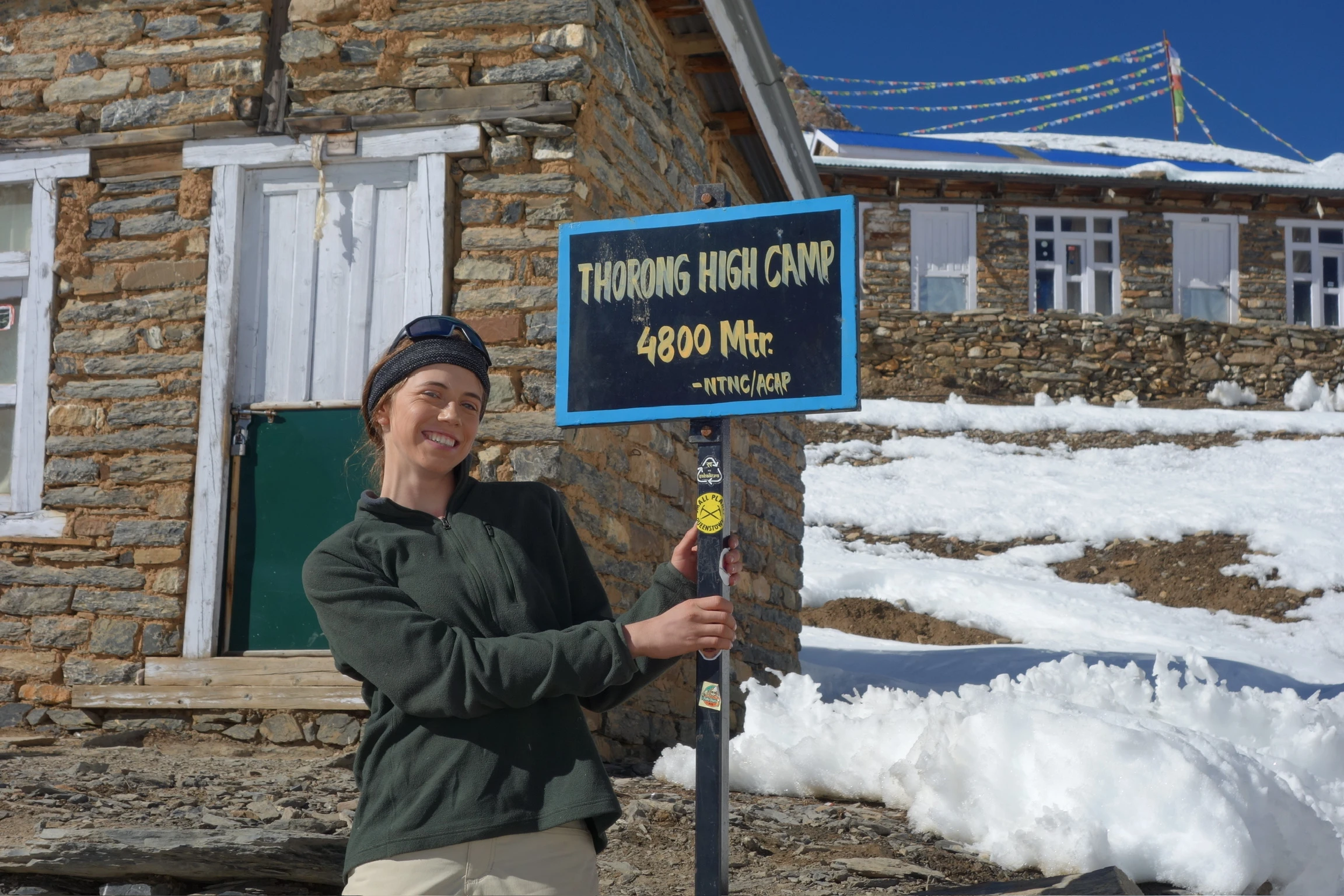
thorong High Camp
break time on trek
Day7
  • Max. Altitude:5,416 m
  • Meals:Breakfast, Lunch, and Dinner
  • Accommodation:Teahouse (Town House)
  • Trek Distance:16-17 km
  • Trek Duration:8-9 hours
  • Sleep Elevation:3,760 m
  • Overnight Place:Muktinath
  • Day's Difficulty:Challenging

We will cross one of the most challenging mountain passes in the Himalayas today. We start early, around 4:30 a.m., in the freezing silence of the mountains. Headlamps on, we begin the steep, rhythmic climb toward Thorong La. It’s tough as the thin air and steep slope test both body and mind. But as the first rays of dawn hit the surrounding peaks, turning them golden, the exhaustion starts to fade. You might even catch yourself smiling despite the cold.

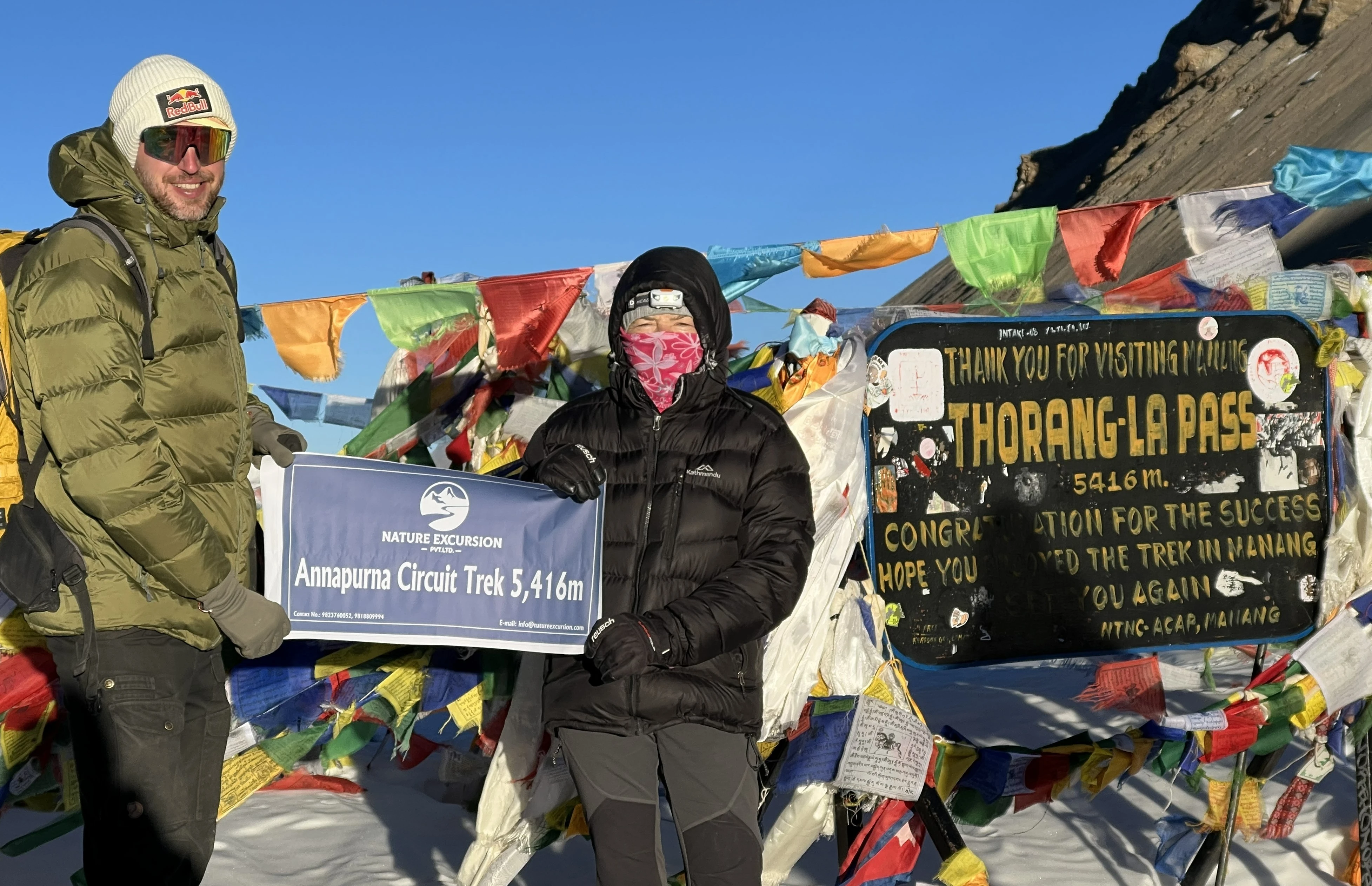
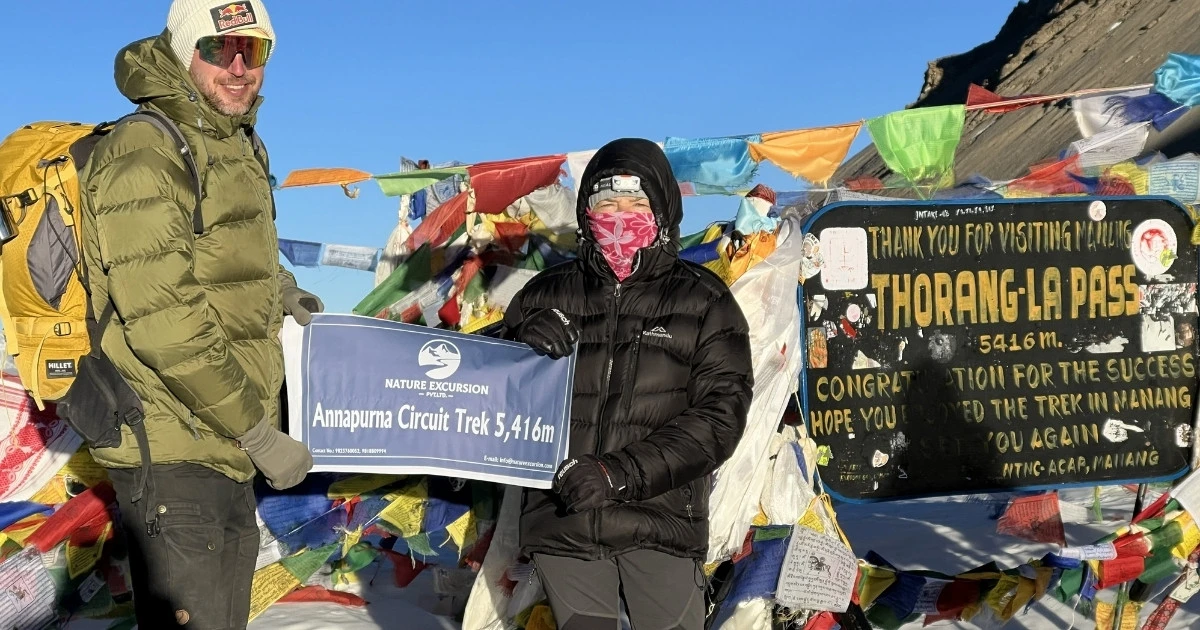
After a few hours, we will reach the summit. The sweeping views, the fluttering prayer flags, and the crisp air all make the climb worth it. Take a moment, breathe in, snap photos, maybe even whisper a quiet “I did it.” After spending some time there, we will descend. It’s long and steep, dropping from snow-covered ridges into the arid, rugged terrain of Mustang. We’ll pass Chirabu and navigate rocky trails and some landslide debris. By the time we reach Muktinath, the sacred site of liberation, the air feels warmer, the landscape softer, and the sense of achievement undeniable. Don't forget to remind yourself that you made it, you’ve crossed Thorong La, the roof of your Annapurna journey, and lived to tell the tale.

Included activities:

  • Early morning ascent to Thorong La Pass (5,416 m).
  • Enjoy panoramic views of the Dhaulagiri range and surrounding peaks.
  • Descend through the remote village of Chirabu.
  • Trek along rocky trails and landslide-prone areas.
  • Arrive at Muktinath, marking the end of the Annapurna Circuit trek.
thorong la pass
way to Muktinath
Tea Shop on the way to muktinath
Muktinath
Day8
  • Meals:Breakfast, Lunch, and Dinner
  • Accommodation:Hotel (Silver Oaks Hotel)
  • Drive Distance:173 km
  • Drive Duration:8-10 hours
  • Sleep Elevation:830 m
  • Overnight Place:Pokhara
  • Day's Difficulty:Gentle

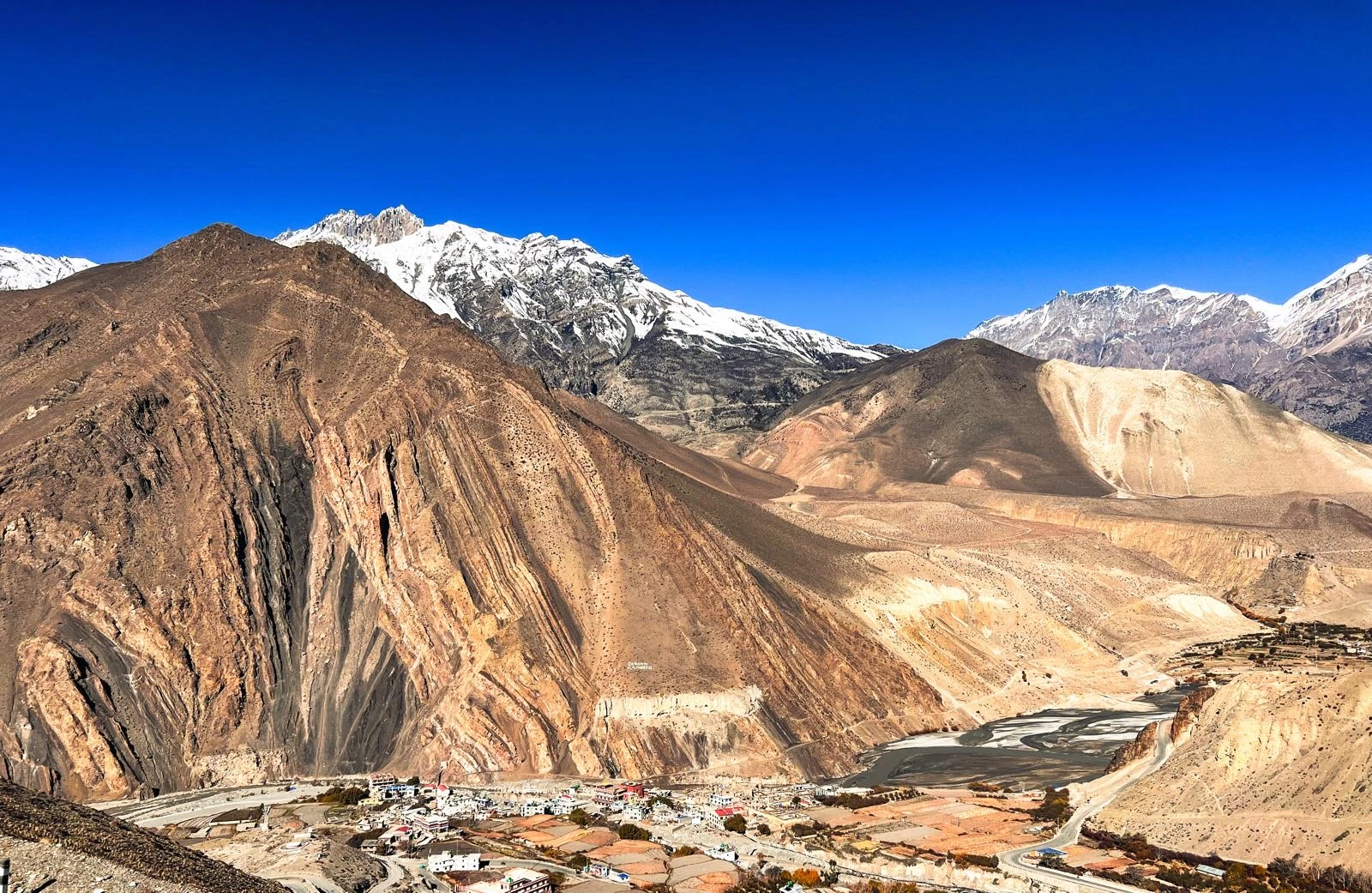
Muktinath is a pilgrimage site in Nepal with great importance for Buddhists and Hindus. In the morning, we will visit the temple and explore its surroundings. Pilgrims travel here to get rid of their sins and be blessed by the deity. You can buy the holy Saligram here as a souvenir. After breakfast, we will pack our backpacks and take a local bus back to Pokhara.

The drive from Muktinath to Pokhara is very long and thrilling. Following rugged mountain paths, we will drive along the cliffs, enjoying the incredible landscapes. We will drive past many villages and towns before reaching Pokhara. You have the rest of the night free in Pokhara. Rest and enjoy your time around Phewa Lake.

Included activities:

  • Visit and explore Muktinath Temple and its surroundings
  • Purchase a Saligram as a spiritual souvenir
  • Take a scenic and adventurous bus ride from Muktinath to Pokhara
  • Pass through various mountain villages and towns during the drive
  • Relax and enjoy free time around Phewa Lake in Pokhara
View of Kagbeni
Muktinath
view on the way to muktinath
Day9
  • Meals:Breakfast, Lunch, and Dinner
  • Accommodation:Hotel
  • Drive Distance:200 km
  • Drive Duration:7-8 hours
  • Sleep Elevation:1,400 m
  • Overnight Place:Kathmandu
  • Day's Difficulty:Gentle

The drive from Pokhara (830 m) to Kathmandu (1,400 m) typically takes 7 to 8 hours. We will follow the Prithvi Highway along the Marsyangdi and Trishuli rivers. This route shall offer clear views of Manaslu and the Lamjung Himal on bright mornings. Along the way, we can make interesting stops, such as at Kurintar, the central hub for the Manakamana Cable Car, near Mugling.

Most of the highway has strong mobile network coverage; however, signal drops are common in the gorges. Many roadside cafés also provide Wi-Fi, which is useful if we want to stay connected or share updates. If you prefer a faster option, you can take a scenic flight from Pokhara to Kathmandu, which lasts about 25 minutes but may take longer if there are delays. This flight offers beautiful aerial views of the central Himalayas. Upon arrival in Kathmandu, we will enjoy a farewell dinner at a cultural restaurant.

Included activities:

  • Drive along Prithvi Highway next to the Marsyangdi and Trishuli rivers. 
  • You can stop at Kurintar to take the Manakamana Cable Car.
  • You can also take a 25-minute scenic flight from Pokhara to Kathmandu for an extra cost.
  • In the evening, enjoy a cultural farewell dinner in Kathmandu.
At Kathmandu
short lunch break
Muglin

Not Satisfied With This Itinerary?

Want more time in the mountains or a different route? Adjust the itinerary to match your interests, schedule, and trekking pace.

Download Pdf

How You Feel During the Trek

Calm → Curiosity→ Push→ Achievement→ Awe→ Reflection

  • Calm: The Annapurna Circuit begins with a scenic drive from Kathmandu to Jagat, passing through Besisahar, where views of mountains, rivers, and village life enhance the sense of calm.
  • Curiosity: As you climb Chame, the changing scenery from warm forests to cool meadows makes you curious. Meeting new people and learning about their culture also makes you excited for the journey ahead.
  • Push: As you hike from Manang to Thorong Phedi, the trek becomes challenging. You need to push yourself physically and mentally due to rugged terrains and thin air.
  • Achievement: Reaching Thorong La Pass, the highest point of the trek, confers a sense of pride. You will feel rejuvenated and lose fatigue.
  • Awe:  After crossing Thorong La Pass, you will descend to Muktinath. You will see the majestic temple and the surrounding tall mountains, leaving you in awe.
  • Reflection: As you drive back to Pokhara after an amazing Annapurna Circuit Trek, you might feel tired, but your mind reflects on the happy memories of the beautiful adventure.

Emotions You May Feel

  • Calm
  • Curiosity
  • Self-doubt
  • Relief
  • Awe
  • Thankfulness

How does Your Mind change?

  • Start: You will be calm and curious.
  • Middle: You will be determined and tired.
  • Near Thorong La Pass: You feel focused, strained, questioning.
  • Crossing Thorong La Pass: You feel elated and proud now that you have crossed the highest point of the trek.
  • Coming back: You will be grateful and reflective as you return from Muktinath to Pokhara.
  • Confidence Level: The reduced number of days doesn’t limit the intensity of growth. You will feel mentally stronger, more confident, and more self-aware afterward.

Connection & Solitude Ratio

  • Connection Level: 60% Chame, Pisang, Manang, Muktinath
  • Solitude Level: 40% Yak Kharka, High Camp, Thorong La Pass

Route Map

Short Annapurna Circuit Trek – 9 Days map

Cost Details

Includes

  • Airport pick up and drop off services on a private vehicle (car/jeep/hiace luxury bus) as per group size during arrival and departure time
  • All the transportation costs during the trip
  • 7 nights’ accommodation during the trek,( 6 nights mountain basis cozy room, 2 nights twin sharing common room)
  • 1 night hotel in Pokhara with an Ace room
  • Transportation from Kathmandu-Besisahar-Chame, and Mutinath-Pokhara-Kathmandu
  • All healthy meals during the trek 
  • Government licensed, well English speaking Nature Excursion’s native guide with his meals, salary, flight cost, insurance, and other necessary equipment. We provide an assistant trek guide for groups of 6 or more trekkers.
  • Porter to assist the trekker with their luggage. Two trekkers can share one porter; the luggage weight limit is 10 kg per trekker.
  • You can store non-essential stuff in your hotel or Nature Excursion’s store
  • For safe drinking- Nature Excursion Pvt. Ltd provides water purification tablets.
  • Snacks (cookies) and seasonal fresh fruit as per availability.
  • Annapurna Conservation Area Permit fees
  • Trekking Information Management System (TIMS) card fees
  • All government, local taxes, and official expenses
  • First aid Kit with Diamox (preventative measures to avoid altitude sickness) carried by the guide. An oximeter to check your pulse and oxygen level in your body.
  • We provide a sleeping bag and a down jacket as per your request. Has to return after the trek.
  • An appreciation certificate after the completion of the trek.
  • Farewell dinner at the end of the trek
  • Assisting in any emergency evacuation or rescue due to uncertainty or any serious health condition (incurred charges should be covered by your travel insurance).

Excludes

  • Nepal entry visa fees depending how much time you want to spend in Nepal ($25-15 days, $40-50 for 30 days and $100-110 for 90 days.)
  • Your meals and ccommodation in Kathmandu
  • Your meals and hotel in Kathmandu due to early arrival, late departure or early return from the trek than schedule itinerary
  • Your personal clothing and gear.
  • Personal nature expenses like- energy bars, hot and cold drinks, laundry, internet, battery re-charge hot shower, extra porters etc.
  • Your travel insurance which covers your emergency evacuation.
  • Additional cost due to delays caused by circumstances beyond our control like- landslide, itinerary modification due to safety concerns, weather condition, illness, change of government policies and strikes
  • Extra expenses which are not listed in the include section
  • Tips for guide and porter (Expected)

Short Annapurna Circuit Trek – 9 Days pictures and video

14 Days Annapurna Circuit | Thorang La Pass Trek || Best Trekking in Spring 2023

Departure Dates

Clients Reviews

  • Review of journey

    Good to meet new people with this group and the guidence is so good and so friendly ️
    Emanuel , Praveen , anil, ashish guided well with good patience
    I sugest any solo travellers to go with this group

    Annapurna SouthJungle rive  

    R
    Reddy SIndiaApr 21, 2026
    TripAdvisor
  • Amazing trip with professional team

    We did the 9 days Annapurna trek with Taran and Aziz. And It was an amazing experience!
    Their patience, attention and knowledge was second to none.
    From the first contact with Karan, everyone in the company has been an absolute delight to deal with.
    We will come back next year for another trek!

    Short Annapurna Circuit Trek Short Annapurna Circuit Trek Short Annapurna Circuit Trek Short Annapurna Circuit Trek

    Alessandra Taylor
    Alessandra TaylorUnited KingdomApr 15, 2026
    Google

Why Choose the Short Annapurna Circuit Trek Over the Classical Route?

The Short Annapurna Circuit Trek is a faster version of the full route. It usually takes 8 to 12 days, while the classic trek takes 18 to 21 days. On the short trek, trekkers travel by jeep to bypass the lower sections of the trail between Besisahar and Manang. Then they start walking from places like Chame or Manang. The upside of this route is that, even though the trek is shorter, it still includes major highlights such as Thorong La Pass (5,416 m), Muktinath, and varied landscapes. But note that since the trek moves quickly, there are fewer rest and acclimatization days. This option is best for people who have limited time and are physically fit.

The Classic Annapurna Circuit Trek is longer and more gradual. It starts in the lower foothills at places like Jagat or Dharapani and slowly climbs higher. Along the way, trekkers walk through rice fields, forests, rivers, and alpine areas. The Annapurna Circuit Trek route passes many Gurung and Magar villages, where trekkers stay at local teahouses. The longer schedule means more days for acclimatization, easier walking days, and more chances to experience local culture and daily village life.

Likewise, choosing between the two treks depends on what you want. The short trek saves time and energy but skips the natural change in landscapes and limits cultural experience. The classic trek requires more endurance and time, but it offers a deeper connection with nature, people, and culture. Trekkers who love photography and long journeys often prefer the classic Annapurna Circuit Trek route, while travelers with less time may choose the short Annapurna Circuit Trek.

Choose Your Annapurna Adventure

Prefer a shorter trek or want to explore other Annapurna routes? Find a package that fits your available time, interests, and trekking goals.

Why is this Short Annapurna Circuit Itinerary designed this way?

This itinerary keeps the Annapurna Circuit short by driving the lower section from Kathmandu to Chame instead of spending several days walking on road sections. From Chame, the trek continues through Upper Pisang and Manang, where the scenery becomes more mountainous and the walking more worthwhile.

way to high camp

The acclimatization day in Manang is important because the route climbs quickly after this point. It gives your body time to adjust before continuing to Ledar, High Camp, and eventually Thorong La. The pass is crossed early on Day 7, allowing enough time for the demanding climb, the pass crossing, and the long descent to Muktinath.

The itinerary also avoids unnecessary extra trekking after the pass by driving from Muktinath to Pokhara and then Kathmandu. In this way, the route is shorter without rushing the most important high-altitude sections. The focus is on saving time where road transport makes sense while keeping proper acclimatization and enough time for the Thorong La crossing.

Weather Variation

The Annapurna Circuit takes you through some of Nepal’s most varied climates. You will experience everything from subtropical river valleys to the dry rain shadow of Mustang and the icy glaciers at Thorong La Pass, which is over 5,400 m high. Let’s look at how the weather changes on the Annapurna Circuit Trek based on different altitudes and seasons.

Low Altitudes (Besisahar to Chame)

  • Winter (Dec–Feb): 41°F to 23°F (5°C to -5°C)
  • Spring (Mar–May): 68°F to 41°F (20°C to 5°C)
  • Autumn (Sept–Nov): 64°F to 37°F (18°C to 3°C)

Mid Altitudes (Upper Pisang to Manang)

  • Winter (Dec–Feb): 23°F to 5°F (-5°C to -15°C)
  • Spring (Mar–May): 50°F to 32°F (10°C to 0°C)
  • Autumn (Sept–Nov): 50°F to 28°F (10°C to -2°C)

High Altitudes (Yak Kharka to Thorong La Pass)

  • Winter (Dec–Feb): 14°F to -4°F (-10°C to -20°C)
  • Spring (Mar–May): 23°F to 14°F (-5°C to -10°C)
  • Autumn (Sept–Nov): 23°F to 5°F (-5°C to -15°C)

What is the best time for Short Annapurna Circuit Trek?

The best times to trek the short Annapurna Circuit are in Spring (March to May) and Autumn (September to November). These seasons offer the safest weather and the best chance of crossing Thorong La Pass (5,416 m) without difficulty.

Spring (March to May):

Spring has mild weather and stable conditions. During this period, snow starts to melt, so the trails become safer and easier to walk. Likewise, lower trails are full of red and pink rhododendron flowers, Nepal’s national flower. Mornings are often clear, giving great views of Annapurna and Dhaulagiri. The trails feel fresh and lively with new greenery and wildlife..

Autumn (September to November):

Autumn is the best time for trekking in the Annapurna region and exploring the circuit. After the monsoon, the air is clear, offering the best views of the mountains. The weather is dry and stable, which is essential for crossing high passes like Thorong La. Days are sunny and comfortable for walking, while mornings and nights are cool. This season provides a great mix of safety, views, and good trail conditions.

When Should You Go?

Learn when to trek the Short Annapurna Circuit for better weather, clearer mountain views, and a more enjoyable trail experience.

Is the Short Annapurna Circuit Trek Cheaper or Just Faster?

The short Annapurna Circuit Trek is cheaper as well as faster. While the standard Annapurna Circuit Trek package costs USD 1,143 with us (group discount available), the short version costs USD 999 (group discount available). This cost range clearly shows the price range difference and that the short route is cheaper. 

And it is faster because you skip the lower trail hiking and drive to Chame from Kathmandu in 1 day, which saves 2 days of driving. Furthermore, on your return, you drive directly from Muktinath to Pokhara, skipping the mid-way overnight stay. 

Despite being shorter, the trek still covers the major highlights, including crossing Thorong La Pass. The trekking trail moves from lush green forests and terraced fields to dry, windy valleys and high-altitude alpine basins. The views of majestic mountains such as Annapurna, Dhaulagiri, and Manaslu are just as spectacular as on the classic route.

Who the Short Annapurna Circuit Trek Is Not For?

The Short Annapurna Circuit Trek is not for people with no trekking experience. If you find steep climbs, long walking days, or fast altitude gain hard, this trek may be too difficult. Parts of the trail exceed 3,000 meters, where altitude sickness can occur. Without good fitness, you may feel fatigued and take longer to recover.

This trek is also not suitable for travelers with limited time. Even the short version takes 7 to 10 days, including travel and rest days. Rushing the trek increases the risk of injury and altitude sickness, and you may miss key sites such as Thorong La Pass or Tilicho Lake.

Similarly, the Short Annapurna Circuit is not suitable for those looking for comfort and luxury. Teahouses are basic, with simple food, cold rooms, and limited facilities. Internet and phone service are weak at high altitudes. If you have breathing problems, lung issues, or cannot handle simple living and changing conditions, this trek is not the right choice for you.

Have Questions About Trek?

Our experienced local team is here to help with route options, permits, accommodation, transportation, and all the trekking logistics. Send us an inquiry and let's plan your adventure together.

Is the Short Annapurna Circuit Trek Hard for Beginners?

 Yes, the Short Annapurna Circuit Trek can be difficult for beginners. For beginners, the biggest challenges are fast altitude gain, long walking days, risk of altitude sickness, and limited rest and acclimatization time.

This trek covers long distances and high altitudes in a short time. During the 9-day itinerary, you walk through many types of terrain, including rocky trails, steep uphill and downhill paths, forests, villages, and high mountain areas. On average, you walk 5 to 7 hours each day, which can be tiring if you are not used to trekking.

way to Thorong Phed

The total walking distance is about 170 kilometers (105 miles). Some sections are easy, but others are steep, uneven, and rocky. The hardest part is crossing Thorong La Pass (5,416 m). At this height, the air is thin, and the trail can have snow and ice, making it physically demanding. Also, since the itinerary has fewer days than the standard Annapurna Circuit trek, you will have less time to rest, and the ascent is faster. This also adds up to the short Annapurna Circuit Trek difficulty. To manage these challenges better, understanding how to prepare for short Annapurna Circuit trek is essential, especially for beginners who need proper physical training, acclimatization awareness, and packing strategy before starting the journey.

Nonetheless, if you are a beginner but physically fit, well-prepared, and trek with a guide, you may take this trek, but it will still feel tough. Hence, if you are new to trekking and prefer an easier experience, a shorter or lower-altitude trek in the Annapurna region would be a better choice. 

Is altitude sickness a problem on the Short Annapurna Circuit Trek?

As altitude sickness is common during high-elevation trekking like the Annapurna circuit, however, it is also easy to avoid if you follow the proper measures. From the starting point of the trail at 2,650 m (8,694 ft), you will go up to 5,416 m(17,756 ft) during the short Annapurna circuit trek. Given the high altitude, you may experience altitude sickness if your body does not acclimate.

Maintain your pace while trekking and stay well hydrated (at least 2 liters per day) to prevent altitude sickness. Staying hydrated is a significant factor in avoiding altitude sickness. Be mindful of symptoms such as headache, nausea, lightheadedness, exhaustion, shortness of breath, and insomnia. In your guide's presence, take the prescribed medication and adhere to his advice.

Annapurna Circuit Trek Add-ons

These are some of our add-ons that you can combine with your package:

  • Extend the itinerary to nearby destinations, including Tilicho Lake, Annapurna Base Camp, Nar Phu Valley, and the Dolpo region.
  • Add day activities in Kathmandu, such as a helicopter tour to EBC, an Everest experience flight, a cooking class, and a local market tour.
  • Add day activities in Pokhara, such as paragliding, bungee jumping, and ultralight mountain flights.

Equipments

HEAD

  • Sun hat or scarf
  • Winter hat or insulating hat or wide-brimmed hat
  • Headlight with extra battery

FACE

  • Sunscreen
  • Sunglass with UV protection
  • Face and body wipes
     

HANDS

  • Lightweight gloves
  • Lightweight winter gloves

BODY

  • Hiking shirt
  • Long-sleeved shirt
  • Hooded rain jacket
  • Fleece jacket
  • Lightweight cotton pants
  • T-shirt (bring lightweight wool)
  • Polypropylene underwear
  • Down jacket (available for rent in Kathandu)
  • Sweater
  • Waterproof jacket and pant

FOOTWEAR

  • Hiking boots
  • Thick wool shocks (take an extra pair of thick wool shocks)

ESSENTIAL GEARS

  • Backpack or day back (size depends on whether you take a porter or not)
  • Thermal bottle
  • Water purification
  • Trekking pole
  • Sleeping bag (-20 degreis sleeping bag is best in high altitude trekking)

TOILETORIES

  • Medium size drying towel
  • Toothbrush
  • Toothpaste
  • Biodegradable bar soap
  • Nail clippers
  • PERSONAL ACCESSORIES
  • Money
  • Watch
  • Cell phone
  • Camera

EXTRA ITEMS

  • First aid kit
  • Extra password photos and photocopies of password
  • Notebook and pen
  • Binoculars

Short Annapurna Circuit Trek – 9 Days FAQs

  • Q1. How difficult is the Short Annapurna Circuit Trek?

    The Short Annapurna Circuit Trek is generally considered moderate to challenging. You do not need mountaineering or technical climbing skills, but you should be comfortable walking uphill for several hours on consecutive days. The high altitude, particularly around Thorong La Pass, is the main reason the trek requires good preparation and proper acclimatization.

  • Q2. How early should I book the Short Annapurna Circuit Trek?

    For spring and autumn, booking several weeks or months ahead is sensible, particularly if you want specific accommodation, private transportation or fixed departure dates. Private trips can often be arranged more flexibly, but earlier planning gives you more choice for international flights, permits, guides and transportation.

  • Q3. Do I need previous trekking experience for the Short Annapurna Circuit?

    No. previous trekking experience is helpful but not essential. What matters more is your ability to walk for several hours on consecutive days, handle uphill and downhill terrain and adapt to high altitude. Beginners should allow enough time for preparation and should avoid choosing an itinerary solely because it has the fewest days.

  • Q4. Can I visit Muktinath on the Short Annapurna Circuit Trek?

    Yes, Muktinath is one of the major destinations on the eastern Mustang side of the Annapurna Circuit and is commonly included after crossing Thorong La. The site is important to both Hindu and Buddhist pilgrims and adds a significant cultural element to the trek.

  • Q5. What is the difference between a Short Annapurna Circuit Trek and the classic trek?

    The main difference is how much of the lower route you walk. A short itinerary uses road transportation to skip some lower-altitude sections while retaining the key high-altitude experience around Manang, Thorong La and Muktinath. The classic itinerary takes longer and allows more time to experience the villages, landscapes and gradual elevation changes on foot.

  • Q6. Can I extend the Short Annapurna Circuit Trek?

    Yes, you can extend the itinerary with a side trip to Tilicho Lake, more walking through the lower Annapurna region or extra time in Pokhara. Adding days can also make the trip less rushed and give you more flexibility if weather or transportation causes delays.

  • Q7. Is Thorong La Pass dangerous?

    Thorong La Pass is challenging rather than a technical climbing route. The biggest risks are high altitude, rapidly changing weather, snow, cold, fatigue and the long ascent and descent. Starting early, following your guide's advice, checking conditions and maintaining a steady pace can reduce unnecessary risk.

  • Q8. Where does the Short Annapurna Circuit Trek end?

    Most short itineraries finish around Muktinath, followed by road transportation to Pokhara and then onward to Kathmandu. Some packages include a Jomsom flight when operating conditions allow, while others use a jeep or bus depending on the itinerary and road conditions.

  • Q9. Where does the Short Annapurna Circuit Trek start?

    The traditional Annapurna Circuit begins around Besisahar, but a short version usually uses road transportation to reach a higher starting point such as Chame. Starting farther along the route reduces the number of lower-altitude walking days while preserving the main Manang and Thorong La sections.

  • Q10. Can I do the Short Annapurna Circuit Trek in winter?

    Yes, but winter requires more preparation. Snow and freezing temperatures can affect the higher sections, particularly around Thorong La Pass. Heavy snowfall can also make the pass temporarily difficult or unsafe to cross. If you plan a winter trek, check current trail and weather conditions and be prepared for itinerary changes.

  • Q11. Do I need permits for the Short Annapurna Circuit Trek?

    Yes, the Short Annapurna Circuit Trek passes through the Annapurna Conservation Area, so you need the appropriate conservation-area entry permit. You also need a TIMS card under the current trekking requirements.
  • Q12. What is the shortest route of the Annapurna Circuit?

    There is no shortest route to the Annapurna circuit, however you can do this trek in 9 to 12 days. There are no shortcuts for this trek. You can adjust the itinerary as per your requirement.
  • Q13. What is the highest point of the Short Annapurna Circuit Trek?

    The highest point is Thorong La Pass at 5,416 meters. Reaching the pass is the biggest physical challenge of the trek and requires an early start from Thorong Phedi or High Camp. The climb itself is not technical, but the altitude, cold, and long walking hours make this section demanding.

  • Q14. Will I have phone or internet connectivity during the trek?

    Mobile coverage is generally weak in this area. You might find signal in Chame, Manang, and Muktinath on NCELL or NTC networks, but coverage can be spotty. Some teahouses in Manang offer paid Wi-Fi, but the connection is usually slow and unreliable. There is no service at High Camp and Thorong La Pass.
     

  • Q15. Is it safe for solo female trekkers to join this trip?

    Yes, Nepal is generally safe for female travelers, and many companies offer female guides or group departures for added comfort. Solo females should avoid hiking alone, especially near isolated passes or after dark.
     

  • Q16. Is Short Annapurna Circuit worth it?

    Yes, the Annapurna circuit trek is totally worth your time and money. It is an adventurous trek in the remote Himalayas that offers you superb views and challenges to push your limits.
     

  • Q17. How much does the Short Annapurna Circuit Trek cost?

    The Short Annapurna Circuit Trek costs USD 999 per person. If you are trekking in a group, you may receive an additional group discount. Please note that this package price does not cover personal expenses. You should plan extra budget for international flights, trekking gear and clothing, travel insurance, personal snacks, drinks, and tips. For full details, please refer to the cost-included and cost-excluded sections of the package.
     

  • Q18. What are the sanitation and toilet facilities like on the Short Annapurna Circuit Trek?

    Expect basic squat toilets in most teahouses, especially at higher altitudes. Lower regions may offer western-style toilets, but they’re rare above Manang. Bring toilet paper, hand sanitizer, and wet wipes, as they are not available. Hot showers may be available for an extra fee, but are not guaranteed above 4,000 m.
     

  • Q19. Can I do the Short Annapurna Circuit Trek without a guide?

    Technically, yes, but not recommended. Nepal no longer allows solo trekking in many high-altitude regions without a licensed guide due to safety concerns. Thorong La Pass is particularly risky due to its altitude, unpredictable weather, and navigational challenges; therefore, a licensed local guide is strongly advised for both safety and logistics.
     

  • Q20. What is the ideal age range for doing the Short Annapurna Circuit Trek?

    The trek is best suited for individuals aged 18 to 55 who have a reasonable level of fitness and prior hiking experience. While some older trekkers may also succeed with proper training and acclimatization, very young or elderly trekkers may find the altitude and physical demands unsafe or overwhelming.
     

  • Q21. What is the difference between Annapurna Circuit and ABC Trek?

    The Annapurna circuit trek explores the lower and upper part of the Annapurna region and crosses a pass called Thoron La. Whereas the Annapurna base camp trek takes you to the lap of the tenth-highest mountain in the world. The circuit trek is more difficult than the base camp trek and long as well.

  • Q22. Can you see Mt. Everest from Annapurna Circuit?

    No, you cannot see Mt. Everest during the Annapurna circuit trekking. However, you can see Mount Manaslu, Mount Dhaulagiri, and Mount Annapurna on this trek, which are the fifth, seventh, and tenth-highest mountains in the world.