What makes Island Peak a Unique Expedition
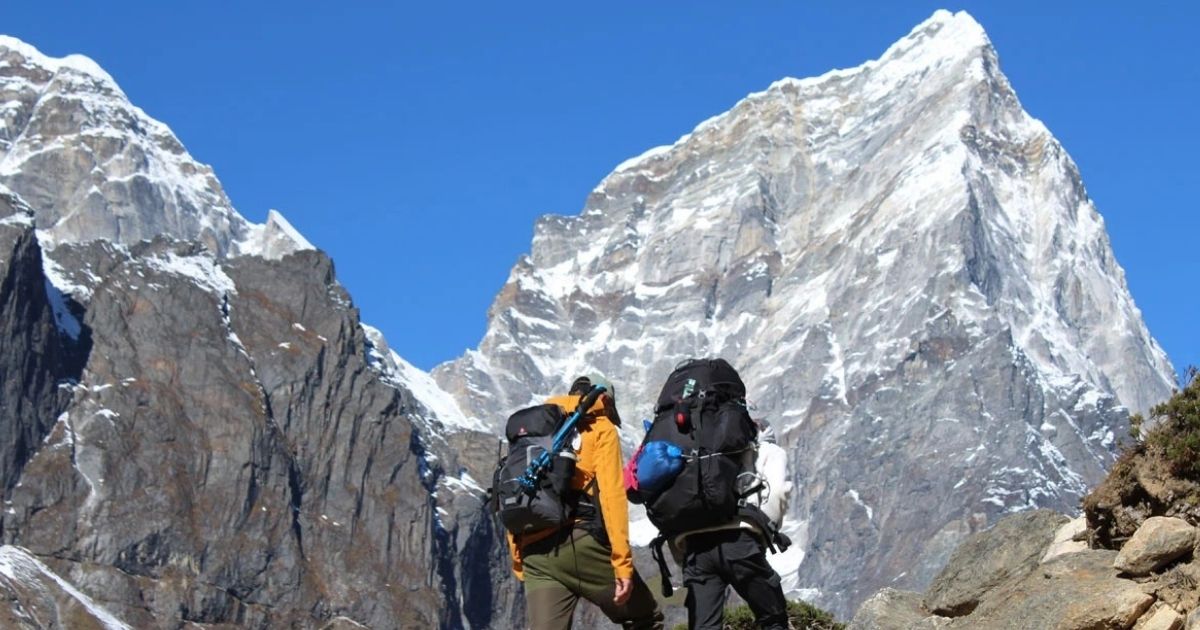
Island Peak is a complete Himalayan experience that blends the thrill of mountaineering with the screening of trekking. As your journey goes through the heart of the Everest region, you see breathtaking views of towering giants like Lhotse and Ama Dablam, surrounded by diverse landscapes that shift from lush forests to alpine glaciers. The climb is ideal for adventurers seeking a simple trek rather than a challenging one, while the trail offers rich cultural immersion through the Sherpa villages and sacred monasteries.
Perfect Blend of Trekking and Climbing Experience
Island Peak offers a rare opportunity to blend high-altitude trekking with an actual alpine climbing experience. While the approach to the base camp takes you through the culturally rich Everest trekking trail, the final summit push introduces the thrill of glacier travel, fixed ropes, crampons, and a touch of vertical climbing.
Breathtaking Sight of the Himalayan ranges during Island Peak
Trekkers are immersed in a world of towering peaks and surreal landscapes throughout the journey. The climb offers uninterrupted panoramas of Makalu, Lhotse, Ama Dablam, Thamsherku, and many other Himalayan giants. Sunrise from the summit paints the snowcapped peaks in the shade of orange and gold, a moment that remains in your memory forever.
Cultural Immersion
The journey passes through traditional Sherpa villages such as Namche Bazaar, Tengboche, and Dingboche, which enables climbers to engage with the local culture and tradition and also experience the lifestyle. Visiting ancient monasteries, witnessing daily rituals, and sharing meals with the warm-hearted locals brings depth and soul to the expedition.
Diverse Landscapes
From lush pine forests and rhododendron groves to barren alpine deserts and massive glacial valleys, the island peak trail shows the full course of nature. The ever-changing weather and greenery keep the journey dynamic and visually engaging. The timing from bustling trails to the quiet solitude of high altitude is mesmerizing and helps in full peace of mind.
Life-changing Experience
It's not just a climb; Island Peak is a personal transformation. Going from bottom to top is a healing process for both your physical and mental health, which delivers an overwhelming sense of achievement. It is a powerful reminder of human resilience, and many climbers return with changed, more grounded, inspired, and appreciative of life's simple gifts.
Why Choose Island Peak Climbing in Nepal
Island Peak (Imja Tse) is one of the most desirable trekking peaks in Nepal, and for good reasons. Whether you’re an aspiring mountaineer or simply chasing a once-in-a-lifetime adventure, here’s why island peak climbing is mandatory on your list :
- Ideal for first-time climbers: If you're new to high-altitude climbing, then Island Peak is the perfect stepping stone for beginner mountaineers. It’s a non-technical mountain with manageable challenges. It is ideal for first-timers who want to experience the thrill of a Himalayan summit. With the right guide, gear, and preparation, it's achievable and deeply rewarding.
- Gateway to Bigger Expeditions: Island Peak is a preparation for bigger climbs like Mera Peak, Lobuche, or even Everest. You’ll gain essential experience in glacier travel, using crampons, fixed rope techniques, and adapting to high altitudes.
- Affordable compared to other higher peaks: Compared to other 6,000 meters + expeditions, Island Peak is budget-friendly without compromising on the adventure. From permits to guides, it offers a complete alpine climbing experience at a fraction of the cost of higher peaks.
- Magnificent Glimpse from the top: Reaching the summit of Island Peak (6,189m) is a moment that stands out above the clouds, surrounded by giants like Lhotse, Makalu, Ama Dablam, and Baruntse. The panoramic view is not just breathtaking; it's an emotional reward that stays with you long after the descent.
Difficulty level of submitting to Island Peak
While Island Peak is suitable for beginners, don't let its reputation fool you; the climb demands endurance and basic mountaineering skills. The altitude, icy slopes, and use of mountaineering gear like crampons and ropes require physical preparation and skill. With the right training, basic climbing knowledge, and a strong mindset, first-time climbers can absolutely succeed.
Technical Climbing Challenges
- The technical climbing challenges that come along the trail are mentioned below in points in order for you to understand better:
- Steep and climbing on a rope
- Requires walking with crampons, ice axes, and walking through fixed ropes while summiting, and might be challenging
- Basic knowledge of rope team travel and crevasse rescue enhances safer and smoother climbing.
Altitude and Acclimatization
At 6189 meters, altitude is the real challenge. Many trekkers experience mild altitude symptoms, so a proper acclimatization schedule is crucial. The route typically follows the Everest Base Camp trail up to Dingboche, giving your body time to adjust gradually.
Most itineraries include rest days, and some even combine the climb with visits to Gokyo Lake or High Passes for better acclimatization. Stay hydrated, listen to your guide, and don’t rush; climbing smart is key to a successful summit.
Weather and Route Conditions
The weather has a significant role in the Island Peak expedition. As the altitudes increase, the weather can change rapidly; clear skies can turn into snowstorms in a matter of hours. This unpredictability means summit pushes sometimes get delayed for safety. That’s why it’s important to have flexible days built into your itinerary.
The route to Island Peak isn’t just a regular hiking trail. It involves navigating rugged rocky paths. Icy glaciers and steep ascents where fixed ropes are used. The climbing is absolutely thrilling, and being mentally and physically ready for the challenges is essential with the help of proper gear and experienced guides, the challenges turn into unforgettable memories.
How much does it cost to climb Island Peak in Nepal
Climbing Island Peak in Nepal offers an existing adventure that fits a variety of budgets, depending on your trekking style, level of comfort, and group size. On average, the expenditure cost can be from $2,000 to $3,500 USD or more. This variation includes differences in services like private vs group trekking, standard vs luxury teahouses, and whether you combine the trek with Everest Base Camp or fly by helicopter.
Nature Excursion offers a thoughtfully designed Island Peak Climbing package that balances comfort, safety, and experience. It includes all necessary permits, guides, porter services, accommodation, meals during the trek, climbing gear, and pre-climb training support.
1 pax: $2,295
2 Pax: $2,145
3-5 Pax: $2,045
6-10 Pax: $1,975
11-16 Pax: $1,935
Which is the best time to climb Island Peak
Climbing Island Peak is suitable for Spring and autumn, whereas winter and monsoon seasons are not suitable for trekking due to weather conditions. Choosing the right time can make or break your experience. Spring (March to May) and autumn (September to November) are the best seasons for this climb due to clear skies, stable weather, and excellent visibility. These months also offer comfortable temperatures and good trail conditions.
Summer brings heavy monsoon rains, and winter can get brutally cold with deep snow. The monsoon and winter seasons are not ideal for the adventure. The suggested weather not only makes your trip admiring but also ensures a more enjoyable and safer journey.
Why Spring is the Ideal Time to Climb Island Peak
Spring (March to May) is hands down the best time to climb Island Peak in Nepal. The temperatures are just right, not too cold at night and comfortably warm during the day. It creates perfect conditions for high-altitude trekking and climbing. Clear skies give a mesmerizing view of Everest, Lhotse, and Ama Dablam without the disturbance of clouds and fog.
One of the most magical aspects of climbing in spring is the explosion of color. Rhododendron forests along the lower trails bloom in vibrant reds, pinks, and whites, which adds an extra pleasant view. Stable weather allows fewer delays and safe summit attempts.
Autumn: We can expect clear skies and Festival Vibes
Autumn (September to November) is regarded as another season for Island Peak climbing. Clear skies, crisp mountain views, and stable weather conditions make it ideal for safe and scenic adventures. It also falls during Nepal’s most vibrant festivals: Dashain and Tihar. Imagine climbing beneath crystal clear skies one day and celebrating with monks, locals, and mountain communities the next.
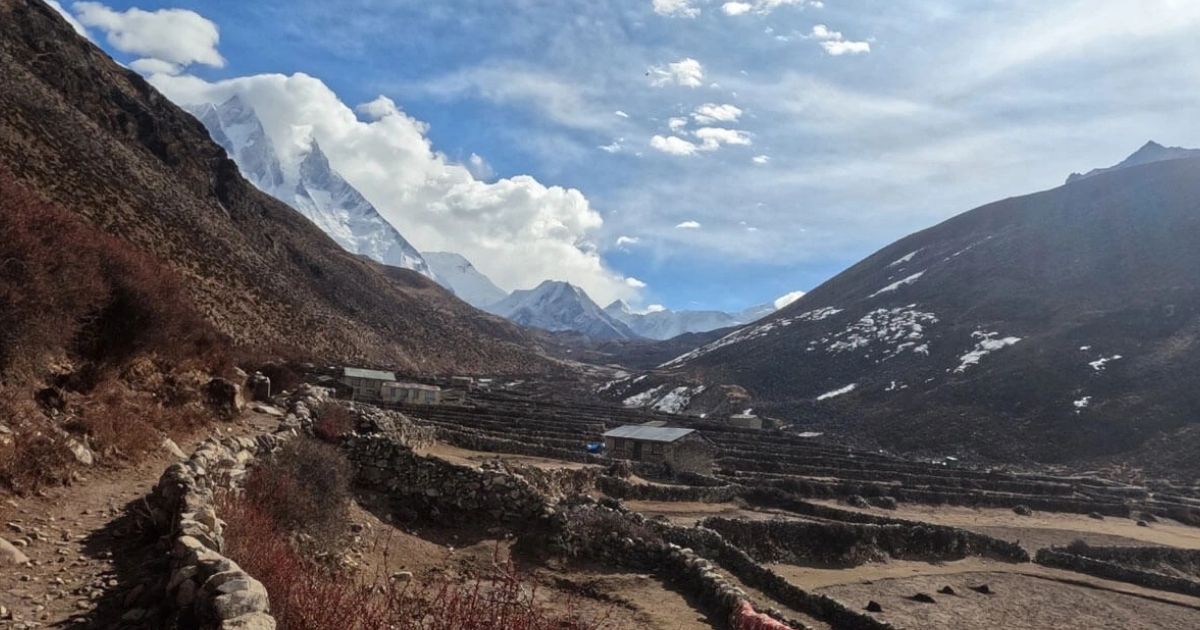
Temperatures during autumn range from crisp to comfortably cool, with moderate daytime warmth perfect for trekking and clear evenings. This is the time when the Himalayas reveal their true panoramic views, coupled with a sense of joy and tradition throughout the villages you pass.
Monsoon and Winter
Climbing during the monsoon (June-August) or winter (December-February) is not recommended due to heavy rainfall, extreme cold, and unpredictable conditions that increase the risk on the trail and summit. The monsoon season (June-August) brings heavy rainfall that can turn trails into mudslides, making them slippery, dangerous, and prone to landslides.
Visibility is often poor, with mountains hidden behind dense clouds. Similarly, winter (December-February) exposes climbers to extreme cold, snow-covered paths, and unpredictable weather, conditions that add extra risk and effort to your climb. For both seasons, the combinations of wet or icy trails and unpredictable weather drastically increase the difficulty and danger of trekking.
Food and Accommodation during the journey to Island Peak
Along the trail, you will stay in cozy teahouses and simple lodges that offer warm beds, shared bathrooms, and hearty meals. Traditional Nepalese dishes like dal bhat, noodles, and soup fill you up after a long day’s trek. The teahouses tend to favor home-cooked flavors, local hospitality, and a sense of community around the dinner table, where you will share stories with fellow trekkers and guides.
Once you reach base camp, the dining setup becomes more basic and nourishing. You will get simple and energy-packed meals, rice, instant soups, and porridge to fuel your climb. Though limited, these meals are designed to sustain you through altitude and exertion, ensuring you have the strength and warmth needed for summit day.
Gear required for the Island Peak expedition
The essential gear includes climbing boots, crampons, a harness, a helmet, an ice axe, and warm layers. Don't forget a sleeping bag and down jacket; rentals are available in Kathmandu if you prefer not to buy everything.
Required Permits and their fees
If you’re planning to climb Island Peak in Nepal, you’ll need a few essential permits. These are not just formalities but your key to entering protected areas and ensuring your climb is legal and safe. You'll need both entry permits since the route passes through the Sagarmatha National Park and Pasang Lhamu Rural Municipality. Before heading to Island Peak, you will need a few permits, and it's good to know that they cost ahead of time.
Sagarmatha National Park Entry permit:NPR 3,000 (around USD 23) for foreigners and NPR 1,500 for SAARC nationals.
Pasang Lhamu Rural Municipality Permit:NPR 3,000 for foreigners and NPR 1,500 for SAARC citizens.
Island Peak Climbing Permit:
- USD 250 in Spring (March- May)
- USD 70 in Autumn (Sept- Nov)
- USD 125 in Winter/ Summer (Dec- Feb/ June- Aug) for SAARC climbers, the cost is usually lower and can vary by season, check with the tourism office or a local agency for exact rates.
These permits can be obtained from different official offices:
- The Sagarmatha National Park Permit is available at the National Tourism Board in Kathmandu or at Lukla.
- The Pasang Lhamu Municipality Permit is usually issued in Lukla.
- The Island Peak Climbing Permit is issued by the Nepal Mountaineering Association (NMA) in Kathmandu.
It’s highly recommended that you go through a registered trekking agency- they’ll handle all these documents for you, saving time and making the process stress-free. Always carry multiple copies of your permits (both digital and printed) throughout your journey, as they will be checked at several points along the route.
Do I require Travel Insurance for this adventure
Yes, travel insurance is absolutely mandatory if you’re planning to climb Island Peak in Nepal. This is not your average holiday- Island Peak is a high-altitude expedition, and having the right insurance is a safety net that could save your life. Most reputable trekking companies and government authorities will not allow you to proceed without valid travel insurance covering high-altitude trekking and emergencies above 6000 meters.
The main reason you need travel insurance is because of the inherent risks of climbing at high altitudes. From altitude sickness to injuries, unpredictable weather, or even needing a helicopter evacuation, situations are real and can be extremely expensive if you’re not covered.
Helicopter rescues in the Himalayas are quite expensive, ranging from $1,500 - $4,000 or more. If you have the right policy, you will be protected from these unexpected costs, allowing you to focus on the adventure rather than the risks.
Besides emergency coverage, good travel insurance also protects your trip investment. If your flight gets canceled, your luggage gets lost, or your flight gets delayed due to bad weather or any other cause, you’ll have a financial backup.
Some of the policies cover trip cancellation due to illness before departure. In short, travel insurance gives you peace of mind, knowing that no matter what happens, you’re supported. For an expedition like Island Peak, that peace of mind is priceless.
Internet and Charging Facility
Most teahouses along the trail offer charging facilities, but they usually come at a small cost, maybe a few dollars per hour or per device. As for internet access, you’ll find Wi-Fi available in many lodges up to Dingboche, usually for an extra fee. If you want mobile data, an NTC(Nepal Telecom) SIM card is a good option- it works quite well with 4G coverage up to Dingboche.
Beyond that point, the connection gets weaker or may not work at all. While the digital detox can be part of the experience, having some connectivity along the way is helpful for updates or checking in with loved ones.
Do I get Altitude Sickness while doing Island Peak Climbing
You may or may not experience altitude sickness while climbing Island Peak- it really depends on how your body adapts to higher elevations. Some trekkers feel completely fine, while others might notice symptoms like headache, fatigue, or nausea as they ascend beyond 3,000 meters.
Since Island Peak reaches a height of 6189 meters, it's natural for your body to feel the impact of thinner air. That’s why proper acclimation is so important on this journey. The route to Island Peak is thoughtfully planned, usually following the Everest Base Camp trail up to Dingboche to give your body time to adjust gradually.
The best way to handle the altitude is to take it slow, drink plenty of water, eat well, and follow your guide's advice. If you are prepared and go in with the right mindset, you will have a good chance of adjusting well and really enjoying the journey to this amazing Himalayan peak.
Symptoms of Altitude Sickness
Altitude sickness doesn’t affect everyone the same way, but it’s something every high-altitude trekker should be aware of. Some of the common symptoms include headaches, dizziness, nausea, fatigue, shortness of breath(even at rest), and trouble sleeping.
You might lose your appetite or feel unusually weak and sluggish in more noticeable cases. If ignored, it can escalate into more serious conditions like HAPE (fluid in the lungs) or HACE (fluid in the brain), which require immediate descent and medical attention.
Prevention Method of Altitude Sickness
Give your body time to adjust to the thinner air. Take rest days as you gain altitude, especially after crossing 3000 meters. Drink lots of water; dehydration can make symptoms worse. Avoid alcohol and caffeine.
- Walk at a relaxed, steady pace, and don’t push yourself to climb too fast.
- Begin preparing physically 3-6 months before your climb with regular hiking, strength, and cardio exercises.
- Eat nutritious meals and get enough sleep every night
- If possible, ascend to a higher altitude during the day but sleep at a slightly lower elevation
- If symptoms worsen, descend immediately- never risk it for the summit
Last-minute booking
If you are thinking of booking your Island Peak adventure at the last minute, don't worry; it's totally possible! Just make sure you are in Kathmandu at least 24 hours before the trip begins, as we need that time to arrange permits, gear, and logistics. Since this is a physically demanding climb, it's important that you are in good shape and ready to go.
Full payment is required before the trek starts to confirm your spot. For quick assistance, feel free to call WhatsApp Karan at +9779823760052 or email us at info@natureexcursion.com.

.webp)
.webp)
.webp)
.webp)
.webp)


.webp)
.webp)
-(1).webp)
.webp)