Quick Cost Overview
The table below provides a quick overview of the costs associated with an Island Peak expedition:
| Expenses | Costs | Details |
| Climbing Gear Rental | USD 100-200 | Includes Boots, Ice Axe, Crampons, Climbing Harness, Ascender (Jumar), Helmet, |
| NMA Climbing Permits | USD 150-350 | Included in guided packages and drops USD 125 in Autumn, Winter, and Monsoon. |
| Guides | USD 35-45 | Government-licensed guide with English-speaking |
| Porter | USD 20-30 | Can be shared among 2 trekkers, carry up to 25 kg |
| Accommodation | USD 140-300 | Covers 16 days starting from Phakding |
| Food | USD 300-400 | Three meals a day (breakfast, lunch, and dinner), excluding in Kathmandu |
| Tips | USD 250-400 | For the work appreciation of the guide and porter |
| Travel Insurance | USD 150-250 | Must cover climbing up to at least 6,500 m and helicopter evacuation |
| Nepalese Visa | USD 50 | For visitors on a standard 30-day tourist visa |
What permits do I need for Island Peak and how much do they cost?
To climb Island Peak (Imja Tse), you need three permits: NMA Climbing Permit, Sagarmatha National Park Permit, and Khumbu Local Municipality Fee. The total permit cost ranges from USD 150 to USD 350 per person, based on the season you choose and the length of your stay in the Khumbu region.
| Permit / Fee Type | Foreign Nationals | SAARC Citizens | Nepali Citizens |
|---|
| NMA Climbing Permit (Spring: March–May) | USD 350 | USD 350 | USD 135 |
| NMA Climbing Permit (Autumn: Sept–Nov) | USD 175 | USD 175 | USD 70 |
| NMA Climbing Permit (Winter/Summer: Off-Peak) | USD 175 | USD 175 | USD 33 |
| Sagarmatha National Park Entry Fee | USD 20 (NPR 3,000) | USD 10 (NPR 1,500) | USD 0.6 (NPR 100) |
| Khumbu Municipality Fee | USD 20 (NPR 3,000) | USD 10 (NPR 1,500) | – |
Still Unsure About the Cost of Island Peak Climbing?
From climbing permits and accommodation to guides, meals, transport, and climbing equipment, we can help you understand the total cost of your Island Peak adventure.
How Much Does Climbing Gear for Island Peak Cost?
Renting a full set of technical climbing gear for Island Peak costs between USD 100 and USD 200 per person for the entire trip. If you choose to buy all-new technical equipment from scratch, the total cost will rise to USD 800 to USD 1,500. Gear items such as Double Mountaineering Boots, Ice Axe, Crampons, Climbing Harness, Ascender (Jumar), Helmet, Carabiners & Descender, and Complete Rental Kit are worth renting.
Can You Rent Climbing Gear in Namche Bazaar?
Yes, you can rent climbing and trekking gear in Namche Bazaar, but it is better to treat it as a backup option instead of your main plan for an Island Peak expedition. The town has several outdoor equipment shops that rent items such as sleeping bags, down jackets, trekking poles, crampons, harnesses, helmets, and ice axes.
Many experienced climbers prefer to rent technical gear in Chhukung, which is the last village before Island Peak Base Camp. The rental shops there focus on Island Peak climbers and have a better selection of climbing boots, crampons, harnesses, and other technical equipment.
Buying vs. Renting Climbing Gear: Which Is Better?
For most people climbing Island Peak for the first time, renting climbing gear is the smarter choice. Renting a complete set of technical equipment in Kathmandu or Chhukung costs USD 100–200 for the entire climb, while buying the same equipment for new costs USD 800–1,500 or more.
Renting also reduces your luggage weight because you can collect the equipment close to the mountain instead of carrying an extra 5–7 kg throughout the trek. Buying gear only makes financial sense if you plan to climb several Himalayan peaks over the next few years or if you want equipment that fits you perfectly.
Seasonal Cost Comparison for Island Peak Climbing
Here is the seasonal cost breakdown for an Island Peak expedition, showing how the weather, permit pricing, and overall package rates change throughout the year:
| Climbing Season | Average Package Cost (Per Person) | Weather & Route Conditions |
| Peak Spring (March-May) | USD 1,935 – 2,295 | High permit fees, peak teahouse room rates, and fixed guide wages with no room for negotiation |
| Autumn (September-November) | USD 1,760 – 2,120 | Half-price government permit fees and more flexible teahouse rates as crowds start to thin out |
| Winter (December - February) | USD 1,600 – 2,000 | Rock-bottom permit costs, heavily discounted teahouse rooms, and cheap agency packages to keep guides employed during the freeze. |
| Summer (June-August) | USD 1,500 – 1,900 | Lowest permit costs, empty teahouses offering discounts, but a high risk of extra costs from emergency helicopter shuttles due to flight delays. |
Cost Of Combining Island Peak With Other Treks
Although combining another trek increases the overall trip cost, it offers better value than booking two separate holidays. Shared transportation, permits, guides, and logistics reduce the average daily cost. Here are the trekking routes that can be combined with Island Peak climbing.
| Combined Trek | Additional Days | Estimated Additional Cost |
|---|
| Everest Base Camp trek + Island Peak | 2 days | USD 225–250 |
| Lobuche Peak+ Island Peak | 4 days | USD 1,074-1204 |
| Everest Three Passes + Island Peak | 5–8 days | USD 600-1,000 |
| Everest Base Camp + Gokyo Lakes + Island Peak | 6–9 days | USD 800–1,300 |
How To Reduce Your Island Peak Climbing Cost Without Cutting Corners On Safety
Reducing the cost of your Island Peak expedition does not mean compromising on safety. Instead, you can save hundreds of dollars by managing some expenses yourself and choosing the right booking option. Below are some of the best tips to reduce your trip cost:
- Join a group to share guides and logistics costs and save USD 200–300 per person.
- Book directly with a licensed Nepalese trekking agency to avoid the high markups charged by many international operators.
- Rent technical climbing gear in Chhukung or Kathmandu instead of buying expensive equipment for a single expedition.
- Carry a reusable water bottle, purification tablets, and a power bank to reduce daily spending on water and charging fees.
- Choose a package that includes permits, flights, accommodation, meals, and guides to avoid paying separately for essential services.
- Travel during the shoulder season if you have flexibility, because some travel services are cheaper outside the peak months.
- Never save money on safety essentials such as an experienced climbing guide, certified gear, and travel insurance.
What's Included & Excluded In A Nature Excursion's Island Peak Climbing Package?
Knowing what is included in your Island Peak climbing package helps you avoid unexpected expenses during the trip. The table below lists everything included and excluded in the Island Peak climbing package.
Included
- Private airport pick-up, drop-off, and hotel transfers.
- Round-trip domestic flights between Kathmandu and Lukla.
- Accommodation throughout the trek.
- Three meals a day (breakfast, lunch, and dinner).
- English-speaking, government-licensed trekking guide.
- One porter for every two trekkers (10 kg per person, 20 kg total).
- Assistant guide for groups of more than six trekkers.
- Experienced climbing guide.
- Food and accommodation at High Camp.
- Storage for extra luggage at our hotel or office.
- Two nights in a 3-star hotel in Kathmandu with breakfast.
- Water purification tablets for safe drinking water.
- Seasonal fruits during the trek.
- Island Peak climbing permit.
- Khumbu Rural Municipality entry permit.
- All government taxes and service charges.
- First-aid kit with Diamox and an oximeter.
- Sleeping bag and down jacket (on request).
- Trip completion certificate.
- Farewell dinner in Kathmandu.
- Assistance with emergency evacuation or rescue (rescue costs covered by your travel insurance).
Excluded
- Nepal entry visa fee.
- Excess baggage charges for Lukla flights.
- Meals and accommodation in Kathmandu outside the itinerary.
- Meals in Kathmandu before and after the trek.
- Extra food and accommodation due to flight delays in Lukla.
- Costs for early return from the trek (non-refundable).
- Personal clothing and trekking gear.
- Personal expenses (snacks, drinks, laundry, hot showers, battery charging, etc.).
- Travel insurance, including emergency evacuation.
- Any expenses not listed in the "Included" section.
- Additional costs caused by weather, flight delays, landslides, illness, government policy changes, or strikes.
- Tips for guides and porters.
Want an Island Peak Climb That Fits Your Budget?
Not sure how many days you need or what should be included in your climbing package? Tell us your budget and schedule, and we'll create a suitable itinerary for you.
Common Mistakes That Increase Your Island Peak Climbing Costs
Many climbers spend more than expected because of avoidable planning mistakes. The following are the most common mistakes trekkers make.
- Choosing the cheapest package without checking the inclusions
- Buying the wrong travel insurance
- Skipping acclimatization days before the summit climb.
- Not allowing extra days for Lukla flight delays.
- Packing more than the baggage allowance
- Buying all your climbing gear instead of renting
- Ignoring personal expenses such as tips, charging fees, Wi-Fi, and hot showers
- Booking at the last minute, where availability is limited.
Is Island Peak Climbing Worth The Money?
Yes, for most adventure travelers and first-time mountaineers, Island Peak climbing is worth the money. With an expedition cost of USD 1,935–2,295, it offers one of the most affordable opportunities to experience Himalayan mountaineering above 6,000 m.
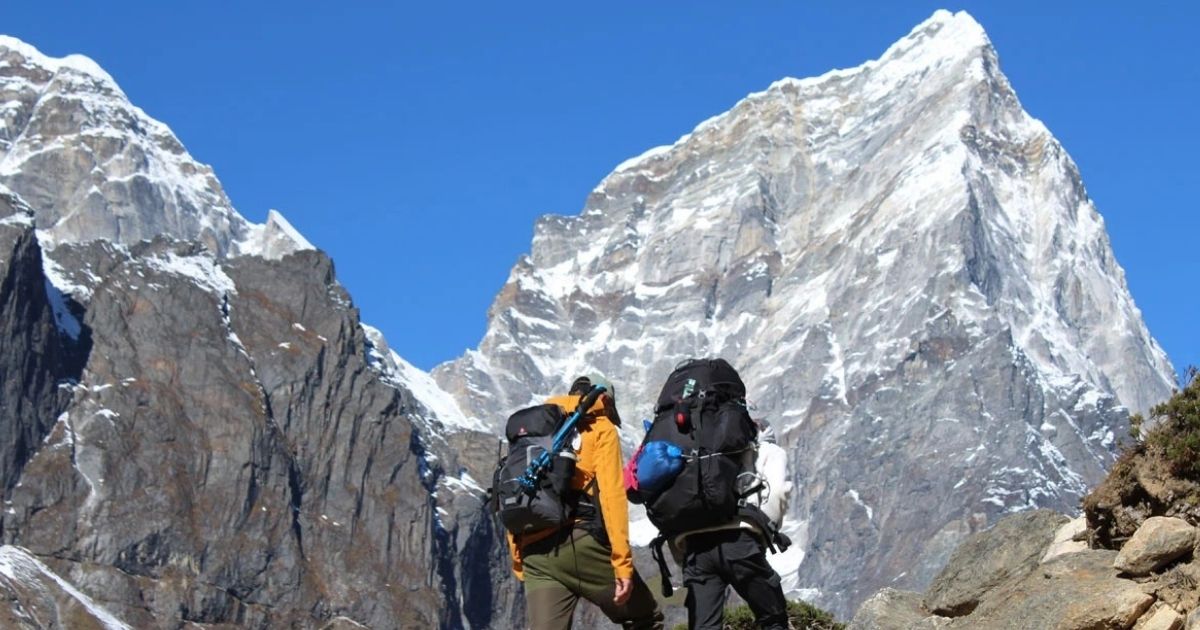
Unlike a standard trek, you gain hands-on experience with glacier travel, fixed ropes, crampons, and ice axes under the guidance of experienced climbing Sherpas. These are valuable skills for anyone planning to climb higher peaks in the future. The expedition also includes beautiful views of Lhotse, Makalu, Ama Dablam, and Baruntse from the summit.
However, the climb may not be worth the cost if you are only looking for an easy trekking holiday. The summit day is physically challenging and requires the use of technical climbing equipment in cold, high-altitude conditions. For climbers who want a true introduction to Himalayan mountaineering, the experience and skills gained make the investment worthwhile.
Duration:18 DaysStart fromUSD 2800USD 2520based on 2 reviews
Conclusion
Choosing a transparent package with clear inclusions protects you from safety risks and unexpected expenses on the mountain. By choosing a reliable operator, you make sure your permits are legally processed, your guides are fairly compensated, and your emergency arrangements are in place. Contact us today for a clear, fixed-price quote and start securing your spot on the Island Peak climbing adventure.
Ready to Plan Your Island Peak Climb?
Share your preferred dates, group size, and climbing experience with us, and we'll help you plan an Island Peak climb that matches your goals and budget.
FAQs
If my group forfeits the Garbage Deposit, do I pay it back?
Yes, if you are climbing independently or on a service-only contract. If anyone in your climbing party leaves trash behind or fails to check out, the NMA keeps the USD 500 deposit. Your agency will then invoice your team directly for the lost deposit amount.
How much extra cash do single-room supplements cost for privacy?
Teahouses in the high-altitude hubs of Dingboche and Chhukung have limited rooms. If you want a private room to yourself, you must pay a single supplement fee of USD 15 to 30 extra per night, assuming availability.
What happens to my flight cost if redirected to Ramechhap?
The airline ticket price remains the same when flights are diverted to Manthali Airport in Ramechhap. However, you must budget an extra USD 10 to 20 out-of-pocket for the 4-to-5-hour overland bus ride back to Kathmandu.
Do I pay a "Camping Fee" if I bring my own personal tent?
Yes, Island Peak Base Camp is regulated by local authorities and community environmental committees. Even if you carry, pitch, and sleep in your own personal tent completely independently, you must pay a local environmental camping space fee.
If I am evacuated by helicopter, does my partner fly for free?
No, if you are evacuated for medical reasons and your partner decides to fly back with you rather than walking down alone, the helicopter operator will charge an extra USD 400 to 600 for their passenger seat.
Can solo travelers get permits or not?
No, a solo traveler cannot get an Island Peak permit independently. By Nepalese law, all mountaineering permits must be processed through a licensed Nepalese trekking agency, which is legally required to assign a certified guide to your climb.

.webp)