Everest Three Passes trek costs around USD 1,432 to 1,792 per person. Your total trip budget also needs to cover international flights, insurance, your Nepal visa where applicable, equipment, tips and personal spending. Start with the package price, then add the expenses your booking leaves to you.
The Three Passes route takes you beyond the main Everest Base Camp trail, crossing Kongma La, Cho La and Renjo La. A longer journey means more nights away, more meals and more days of mountain support. Those extra days explain why the cost of the Everest Three High Passes trek differs from a Everest Base Camp trip. Budget, standard and premium trips can all follow the same mountains. What changes is the service around the walking: transport, accommodation, staffing, and what you pay for separately.
How Much Does the Everest Three Passes Trek Cost in 2026/2027?
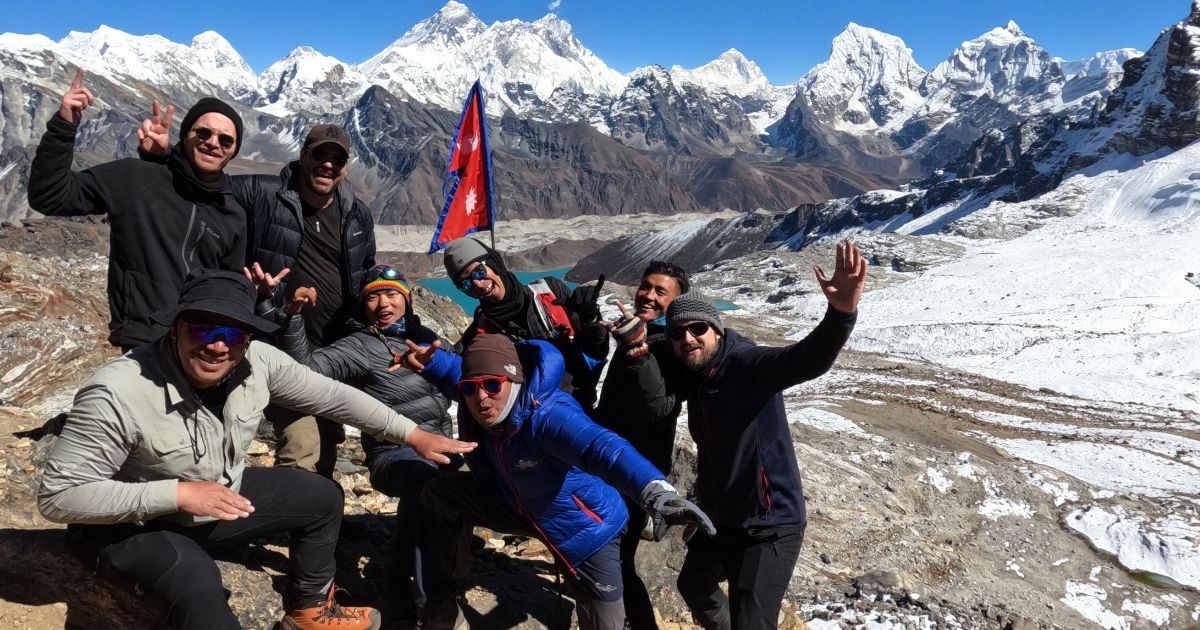
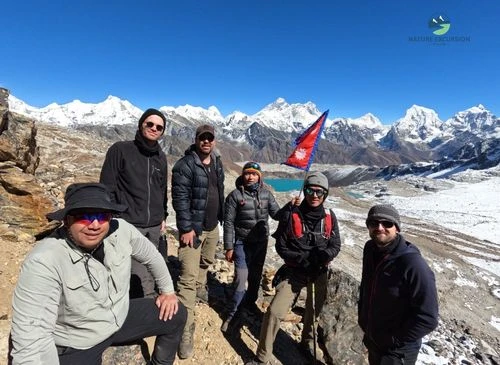
View of Everest and Gokyo Lakes from Renjo La Pass
The cost of the Everest Three Passes Trek starts at USD 1,432 per person for a 19-day adventure. To make comparing trekking packages easier, we have divided the available offers into three categories:
Travel style
What to compare
Budget considerations
Budget-conscious arrangement
Basic rooms, shared services, and exactly which meals and transport are included
A cheaper package may come with additional costs throughout the trek
Standard guided package
Lodging, main meals, permits, transport and guide or porter arrangements
More of the total can be agreed before departure
Premium or customized arrangement
Specific room upgrades, private services and any helicopter sector
Ask for each add-on and its availability by location
These categories show the different types of trekking packages, not fixed price ranges. A luxury package should clearly explain what extra services it offers. For example, staying in a better hotel in Kathmandu does not mean you will get a better room in Dzongla. Similarly, a low starting price does not tell you much unless you check whether meals, flights, and other costs are included.
You need to include two entry fees in your trekking budget: the Sagarmatha National Park entry fee and the Khumbu Pasang Lhamu Rural Municipality Trek Card fee. The official prices available are as follows:
Entry charge
Nationality category
Published charge per person
Sagarmatha National Park
Nepali
NPR 100
Sagarmatha National Park
SAARC
NPR 1,500
Sagarmatha National Park
Other foreign nationals
NPR 3,000
Municipality Trek-Card
SAARC and Chinese nationals
NPR 2,000
Municipality Trek-Card
Other foreign nationals
NPR 3,000
Children under ten can enter Sagarmatha National Park for free, while the Khumbu Pasang Lhamu Rural Municipality Trek Card is available at the Tourist Information Center in Lukla.
Accommodation and Meals On the Three Passes Route
Accommodation and food costs vary from village to village on the Everest Three Passes route. Basic teahouse rooms cost around USD 5–15 per night at lower villages, while prices can reach USD 10–25 or more at higher stops such as Chhukung, Gorak Shep, Dzongla and Gokyo. Meals cost around USD 5–12 per meal, with daily food expenses averaging USD 20–35 per person. Prices may increase at higher elevations because food and other supplies are harder to transport.
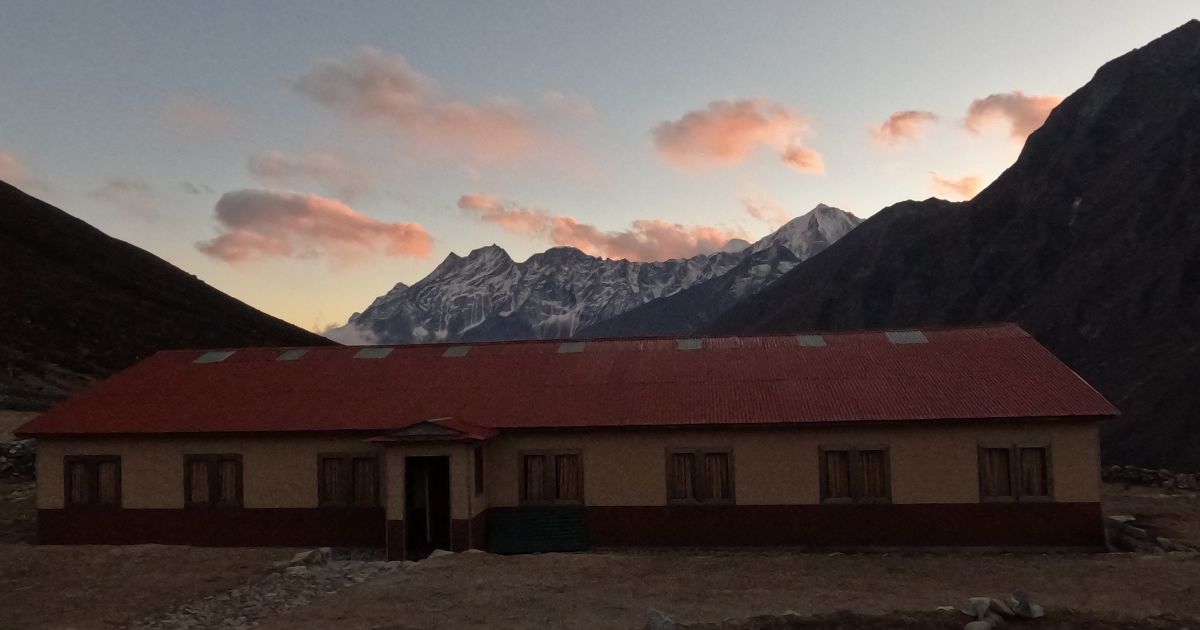
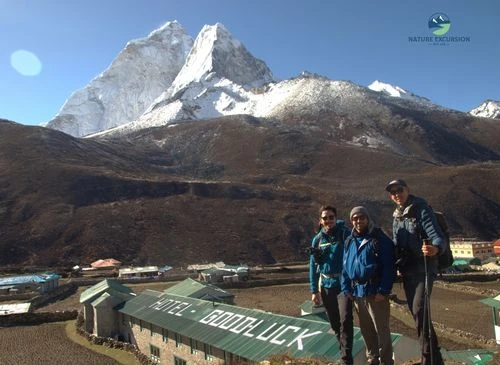
traditional Himalayan teahouse
Before booking, ask what your package includes. Check whether rooms, breakfast, lunch, and dinner are covered or paid separately. Also, confirm extra charges for hot showers, Wi-Fi, charging electronic devices, and drinks. These small expenses can add up, so include them in your overall trekking budget.
Experienced Trekking Guide and Porter Services
A licensed guide costs around USD 30–40 per day, while a porter may cost USD 20–25 per day. Before booking, ask about the guide's experience with all three passes, language skills and safety arrangements. Also, confirm how many trekkers share one porter and the luggage weight limit per person.
If you hire a guide or porter separately, check whether their daily costs include food, accommodation, transport and insurance. Staff accommodation and meals may cost around USD 15–25 per day, depending on the location. Ask for the full cost before making a decision, as these expenses can increase your total trekking budget. Also, check your flight baggage allowance and pack essential clothing and equipment without carrying unnecessary items.
Lukla Flights, Airport Transfers, and Transportation
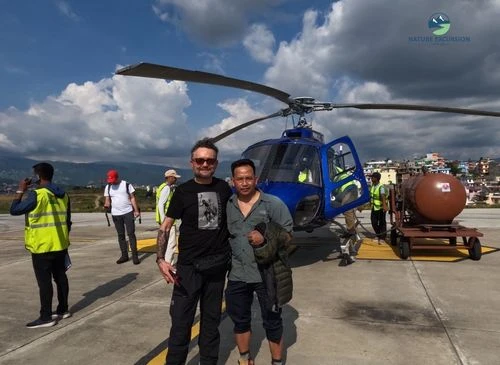
A one-way flight from Kathmandu to Lukla costs around USD 180–200 for foreign travelers, while a return flight costs approximately USD 360–400. If your flight departs from Ramechhap, budget around USD 20–30 per person for the road transfer from Kathmandu, depending on the vehicle. Also, allow extra time and money for possible overnight stays, as weather delays can affect flights.
Before booking, confirm whether your package includes return flights, airport transfers, and transportation to Ramechhap. Ask about baggage limits and ticket change costs. On the Everest Three Passes route, teahouse accommodation costs around USD 5–15 per night, while meals cost approximately USD 5–10 per meal. Keep extra money for additional accommodation, meals, and transportation if your return flight is delayed.
Secure Your 3 Pass Adventure
Ready to conquer the high passes and emerald lakes? Reserve your slot with guaranteed departure and expert guides.
What Is Included and Not Included in the Everest Three Passes Trek Package?
Refer to the table below for a clear overview of what is included and excluded in Nature Excursion’s Everest Three Passes Trek package:
What's Included
What's Not Included
Airport pickup, drop-off, and hotel–airport–hotel transportation.
International flight tickets and Nepal entry visa fees.
Round-trip Kathmandu–Lukla flights for trekkers and guide.
Excess baggage charges (over 10 kg).
Hotel–airport–hotel transportation.
Additional Kathmandu accommodation and meals.
2 nights in a Kathmandu hotel with breakfast.
Personal expenses, shopping, laundry, and donations.
Mountain teahouse accommodation during the trek.
Personal drinks, bottled water, snacks, and extra meals.
Daily breakfast, lunch and dinner during the trek.
Wi-Fi, hot showers, and battery charging.
Pasang Lhamu Municipality entry fee (NPR 3,000) and Sagarmatha National Park permit (NPR 3,000).
Personal trekking clothing and equipment.
Licensed, English-speaking trekking guide and assistant guide for groups of 6 or more.
Travel insurance with high-altitude rescue coverage.
One porter for every two trekkers (10 kg per trekker).
Guide and porter tips and additional porter services.
Guide and porter salaries, meals, accommodation, and insurance.
Rescue and evacuation expenses.
First-aid kit, oxygen-level checks, and water purification tablets.
Unexpected expenses due to weather, illness, strikes, or landslides.
Evening cookies, seasonal fresh fruit, and one welcome or farewell dinner in Kathmandu.
Trek completion certificate, company T-shirt, and cap.
Emergency rescue arrangements.
Clockwise or Anticlockwise: Does Direction Change the Cost?
The direction you choose for the Everest Three Passes Trek affects the order of the passes, overnight stops and rest days. When comparing the costs, check the total number of nights, accommodation, meals, guide and porter services included in each route. If one direction takes an extra day, remember to include the additional cost of accommodation, food and staff.
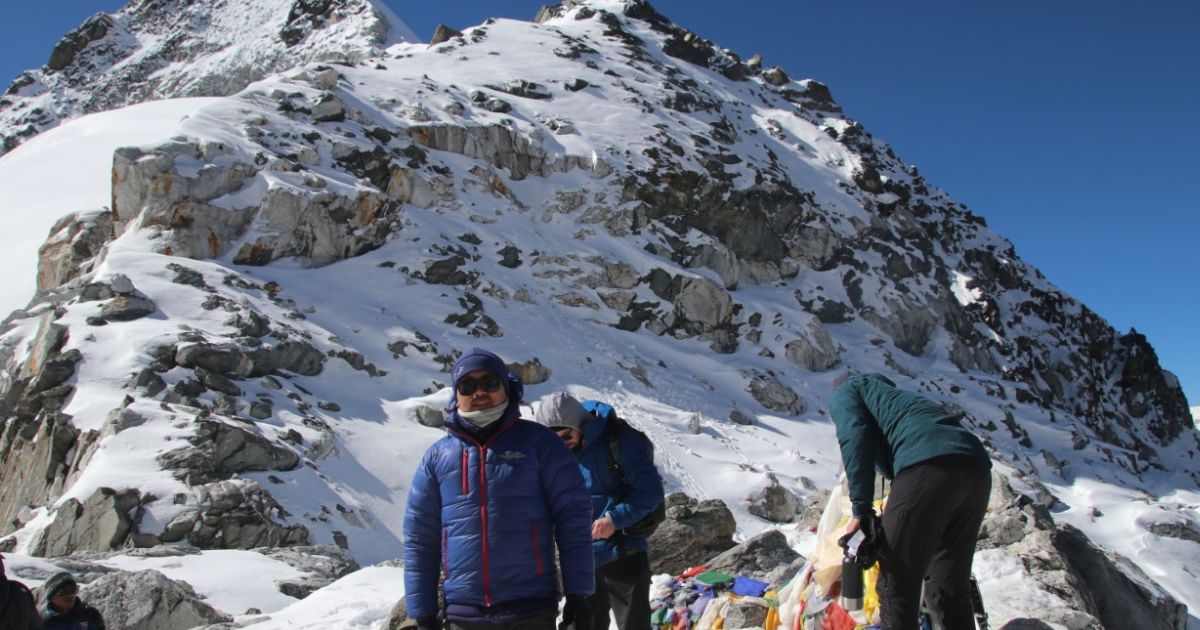
trekkers resting at a high-altitude
If you are unsure which direction to choose, ask our trekking company for both route plans and compare the prices. Choose the route that best matches your fitness, preparation, and available time. Do not skip rest days just to save money, as proper rest helps your body adjust to the high altitude. Also, keep some extra money for unexpected delays or changes along the trail.
Hidden Expenses That Can Increase Your Three Passes Trek Budget
Small expenses can add up during a long trek. Keep track of small purchases separately from your main expenses so you can manage your budget better and avoid spending more than expected.
Expense
What to establish before departure
Tips
Suggested practice, staff numbers and whether the suggestion is per guest or per group
Equipment
What is supplied, what you own and what you need to rent
Extra nights
Room and meal arrangements if the itinerary changes
Cash
Amount needed on the trail and where to obtain it before leaving
Visa
Duration covering the whole Nepal visit, including spare days
The Nepal Department of Immigration offers tourist visas for USD 30 (15 days), USD 50 (30 days) and USD 125 (90 days). Since the Everest Three Passes Trek takes around 19 days, a 15-day visa will not be enough. Check your nationality's visa requirements and any exemptions, and choose a visa that covers your entire stay in Nepal.
Hot Showers, Wi-Fi, Charging, and Drinking Water
Hot showers cost around USD 3–7 per use, phone or camera charging costs around USD 2–5 per device, and Wi-Fi costs approximately USD 3–6 per day. Boiled drinking water costs around USD 1–4 per litre, depending on the village. Check whether Wi-Fi is charged per day or through a data card and whether charging fees apply per device or per hour. C
Carry Nepalese cash before entering the remote areas of the Everest Three Passes route, as ATMs and card payments are not reliable in higher-altitude villages. Keep small notes for showers, charging, Wi-Fi, drinking water, snacks, and some extra cash for unexpected expenses rather than relying on ATMs on the trail because there are none.
Travel Insurance and Emergency Helicopter Evacuation
Choose travel insurance that covers the Everest Three Passes Trek and its highest point, Kongma La Pass (5,535 m). Insurance with high-altitude trekking, medical treatment, and helicopter rescue cover can cost around USD 100–250 for a 2–3-week trip. Check whether helicopter evacuation is covered up to at least 6,000 m, as well as hospital treatment, trip cancellation, and delays. Do not assume that ordinary travel insurance covers high-altitude trekking.
Keep your insurance documents and emergency contact numbers with you and your guide. Ask your insurer how helicopter rescue is approved and paid for in an emergency. Helicopter evacuation in Nepal can cost approximately USD 3,000–6,000 or more based on the location and rescue arrangements. Keep an emergency reserve of at least USD 500–1,000 for unexpected expenses, as insurance may not cover every cost or repay you immediately.
Build Your Custom Trek
Design your own Khumbu adventure from scratch. Choose your preferred route, starting dates, lodge comfort level, and private guide options to fit your exact budget.
Factors That Affect the Everest Three Passes Trek Cost
Group Size: The cost per person may be lower when traveling in a group. Ask for a price based on your actual group size.
Trek Duration: More days mean extra costs for accommodation, meals, guides, and porters. Check the total number of days and nights included.
Travel Season: Prices may change depending on the season and availability. Compare prices for your planned travel dates.
Comfort and Transportation: Private rooms, private vehicles, and helicopter flights can increase your total budget.
Extra Activities: Climbing trips, sightseeing, and other activities need additional money. Ask for their costs separately.
How Much Should You Budget Per Day on the Everest Three Passes Trek?
If accommodation and three daily meals are covered, set aside around USD 10–20 per day for personal expenses such as hot drinks, Wi-Fi, showers, and device charging. If meals are not included, budget an additional USD 20–25 per day for food and drinks. Costs may increase at higher altitudes.
For a 16-day trek, keeping an extra USD 5 per day adds up to USD 80. Remember that a 19-day package may include days in Kathmandu, so calculate your daily spending separately for the city and the mountain trail.
Daily category
Budget-conscious plan
More flexible plan
Snacks and drinks
Planned purchases
Allow for additional orders
Charging
Selected devices and charging stops
More frequent charging
Showers and internet
Chosen occasions
More frequent use where available
Meals and rooms
Add only when excluded
Add exclusions and any upgrades
How to Reduce Your Everest Three Passes Trek Cost Without Compromising Safety
Compare similar packages: Ask for quotes with the same dates, number of nights, group size, and included services. Check what is excluded before choosing the cheaper option.
Share services: Ask about group departures or sharing a porter to reduce costs. Make sure you know the luggage weight limit.
Rent only what you need: Compare renting and buying trekking gear, especially if you will use it only once. Check the condition, fit, deposit, and items already provided.
Plan your spending: Bring only the essentials within the baggage limit and choose optional services based on your needs.
Do not compromise on safety: Keep proper guidance, suitable equipment, travel insurance, and enough time for acclimatization to enjoy a safe and comfortable trek.
Book once the arrangements are clear, rather than assuming early payment always secures a discount. Written terms for changes and cancellations can matter as much as a small difference in the advertised Everest Three Passes trek price.
Still Have Budget Questions?
Now that you know the costs, get a custom quote tailored to your group size. Message our Kathmandu team on WhatsApp for instant answers and zero-pressure advice.
In conclusion, the Everest Three Passes Trek is worth the additional cost if you want a more challenging Himalayan adventure that includes crossing all three high mountain passes, exploring the Gokyo Lakes, and connecting the different valleys of the Khumbu region. However, the longer itinerary need extra days, a higher budget, and proper physical preparation. If your main goal is simply to reach Everest Base Camp, a shorter trek may be a more budget-friendly option.
FAQs
Is it cheaper to do the Everest Three Passes Trek independently or with a guide?
Trekking independently can reduce costs because you do not need to pay for a guide or porter. However, you must arrange your own accommodation, meals, permits, transportation and other services. A guided package may cost more initially but can include flights, permits, accommodation, meals and staff services.
What is the best time of year to do the Everest Three Passes Trek?
Spring (March to May) and autumn (September to November) are the best seasons for the Everest Three Passes Trek. October and April are particularly popular. Winter brings heavy snow and freezing temperatures at the high passes, while the monsoon season brings rain, clouds and possible flight delays.
How much does it cost to trek the Three Passes solo without a guide?
Based on the listed prices, budget around USD 20–35 per day for meals and USD 5–25 per night for accommodation. You must also account for USD 360–400 for return Lukla flights, trekking permits and other expenses. Check current local rules and trail arrangements before planning an unguided trek.
What is the packing list and gear cost for the Everest Three Passes Trek?
Your packing list should include warm layers, a down jacket, waterproof jacket and trousers, trekking boots, gloves, a warm hat, sleeping bag, trekking poles, sunglasses, sunscreen, water bottles and a first-aid kit. You may also need a headlamp, power bank and water purification tablets. Gear costs depend on what you already own and whether you rent or buy equipment in Kathmandu.
How much does altitude sickness medication and evacuation insurance add to Everest trek costs?
High-altitude travel insurance with helicopter evacuation and medical coverage costs approximately USD 100–250 for a 2–3-week trip. Helicopter evacuation can cost USD 3,000–6,000 or more without insurance. Medication costs depend on the medicine and pharmacy.
Is there a cheapest season for the Three Passes trek?
There is no verified universal cheapest season for every itinerary. Compare dated quotes alongside route conditions and available services, then choose the trip that fits your preparation and schedule.
Written by
Karan GurungExecutive Director
Hello, I’m Karan Gurung, a passionate mountaineer from Nepal with over 15 years of experience exploring the majestic peaks of the Himalayas. I grew up surrounded by towering mountains; my love for adventure and the thrill of high-altitude trekking have shaped my life to the next level. For me, the mountains are more than just a place to trek, and I believe they are a source of inspiration, a connection to nature, and a way of relaxing your mind and soul with peace. I’m always here to share my experiences, travel tips, and stories from my adventures to help others appreciate the beauty of the Himalayas in Nepal through articles and blogs. Whether you're an experienced trekker or someone new to the mountains, I’m here to guide and inspire you for your first or next adventure in Nepal!
The Everest Three Passes Trek is one of the hardest teahouse treks in Nepal. The trek crosses three passes above 5,300 m in one loop through the Evere...
The Everest Base Camp helicopter tour price in 2026 starts at USD 1,250 per person on a shared group flight. A private charter starts at USD 5,100 for...
What is the Everest Base Camp Trek Distance from Lukla? The actual distance from Lukla to the EBC Trek is 65 km one-way and 130 km round-trip. A stand...