Why Autumn Turns Nepal Into a Trekker’s Dream?

Autumn is one of the best times to visit the Nepalese Himalayas. As the summer rains end in September, the skies become clear, the air is fresh, and the mountains are easy to see. Here is what makes autumn the premier trekking season in Nepal:
- Post-monsoon air is clean and clear, giving you beautiful views of snow-covered mountains under bright blue skies.
- Dry conditions minimize trail washouts, mud, and leech encounters by offering comfortable walking conditions day after day.
- Daytime temperatures are good for hiking (ranging from 10°C to 20°C in mid-elevations), preventing overheating during steep climbs.
- Lower valleys retain their post-monsoon greens, alpine meadows show golden autumn hues, and rivers run crystal-clear.
- Autumn coincides with the biggest national and religious festivals of Nepal: Dashain and Tihar, which add a cultural touch to your journey.
Not sure which autumn trek suits your time, experience, or budget? Ask our team and get practical advice before you decide.
The Autumn Treks That Can Turn Your Holiday Into a Himalayan Story
Whether you want to stand under the world’s highest peak, cross high-mountain passes, or hike short trails, autumn offers a route suited to every trekker.
Everest Base Camp
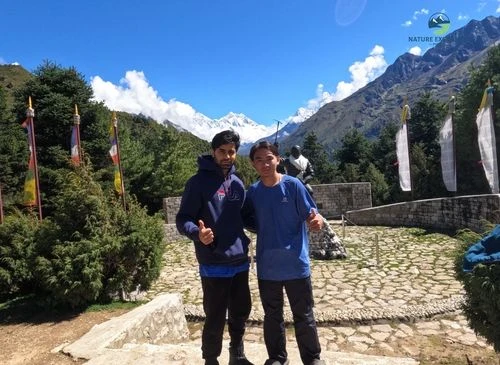
The Everest Base Camp trek is the classic way to experience the world around Mount Everest. The journey takes you through Sherpa villages, Namche Bazaar, the Tengboche monastery, and mountain landscapes before reaching Everest Base Camp and Kala Patthar.
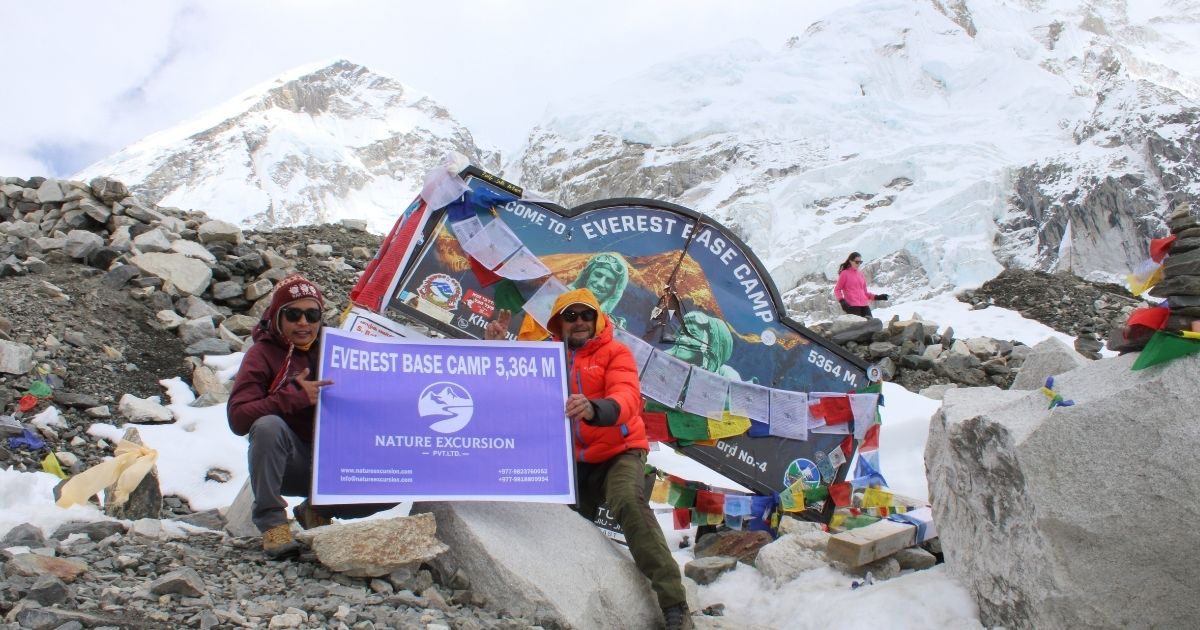
This is a trek, not a technical mountain climb. You do not need climbing skills or ropes to reach Everest Base Camp. However, the high altitude makes the trek physically challenging. Taking enough time to get used to the altitude around Namche Bazaar and Dingboche is very important.
Include quick facts:
- Route: Lukla → Phakding → Namche Bazaar → Tengboche → Dingboche/Pheriche → Lobuche → Gorak Shep → Everest Base Camp → Kala Patthar → return to Lukla
- Duration: About 12–14 days
- Maximum altitude: 5,545 m (Kala Patthar)
- Difficulty: Moderate
- Best time: March–May and October–November
- Approximate cost range: Around USD 1,455–1,105 per person.
- Ideal for: Fit hikers, first-time high-altitude trekkers who are prepared, adventure lovers, and anyone wanting to experience the Everest region without climbing the mountain
Duration:14 DaysStart fromUSD 1700USD 1455based on 28 reviews
Annapurna Circuit
The Annapurna Circuit Trek is one of the most varied trekking routes in Nepal. The trail takes you through green valleys, forests, mountain villages, rocky land, and dry areas that look almost like a desert. You also pass through different communities and get to see both Hindu and Buddhist traditions on the way.

A classic journey takes around 12–16 days, depending on the route and road conditions. The highest point is Thorong La Pass at 5,416 m (17,769 ft). Reaching the pass is the biggest challenge of the trek, so you need good fitness and enough time to adjust to the high altitude. The trek does not require technical climbing skills. You mainly need to be comfortable walking for several hours each day.
Quick Facts
- Route: Besisahar/Chame → Pisang → Manang → Thorong La Pass → Muktinath → Kagbeni/Jomsom
- Duration: About 14–16 days
- Maximum altitude: 5,416 m (Thorong La Pass)
- Difficulty: Strenuous
- Best time: March–April and October–November
- Approximate cost range: Around USD 793–1,143 per person
- Ideal for: Fit hikers who want changing geography, mountain villages, local culture, and a longer Himalayan adventure
Duration:14 DaysStart fromUSD 1300USD 1143based on 15 reviews
Annapurna Base Camp
The Annapurna Base Camp trek takes you into the Annapurna Sanctuary, with beautiful views of Annapurna I, Annapurna South, Hiunchuli, and Machhapuchhre (Fishtail). The trail traverses traditional Gurung villages such as Ghandruk, Chhomrong, and Jhinu Danda, as well as forests of rhododendron, bamboo, and oak. You follow the Modi Khola River through the valley, pass places such as Sinuwa, Bamboo, Dovan, and Deurali, and reach Machhapuchhre Base Camp before arriving at Annapurna Base Camp at 4,130 m.

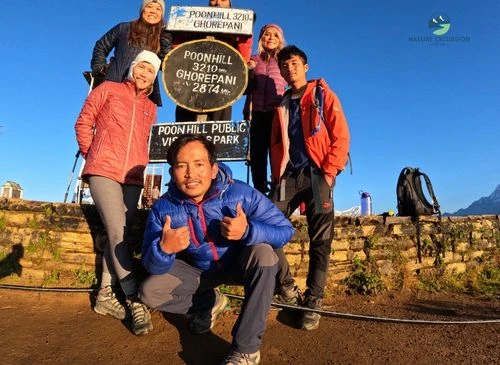
The route can also include Poon Hill for sunrise views, while Jhinu Hot Springs offer a relaxing stop on the way back. Unlike the Everest Base Camp trek, you do not need to fly to Lukla. Most trekkers drive from Pokhara to the starting point, making it a good option for a shorter Himalayan trek.
Quick Facts
- Route: Pokhara → Nayapul → Ghandruk → Chhomrong → Sinuwa → Bamboo → Dovan → Deurali → Machhapuchhre Base Camp → Annapurna Base Camp → Jhinu Danda → Pokhara
- Duration: 13 days
- Maximum altitude: 4,130 m (Annapurna Base Camp)
- Difficulty: Moderate
- Best time: March–May and October–November
- Approximate cost range: USD 816–1,116 per person
- Ideal for: Hikers who want mountain views, traditional villages, forests, rivers, and a high-altitude experience without technical climbing
Duration:13 DaysStart fromUSD 1250USD 1116based on 12 reviews
Manaslu Circuit Trek
The Manaslu Circuit Trek takes you around Mount Manaslu (8,163 m), the world’s eighth-highest mountain. The trail follows the Budhi Gandaki River before reaching the high, dry landscapes of the Nubri Valley. Along the way, you'll pass Jagat, Deng, Namrung, Lho, Samagaon, and Samdo villages, where you can see Tibetan-influenced culture, prayer flags, stone walls, chortens, and old Buddhist monasteries such as Pungyen Gompa.
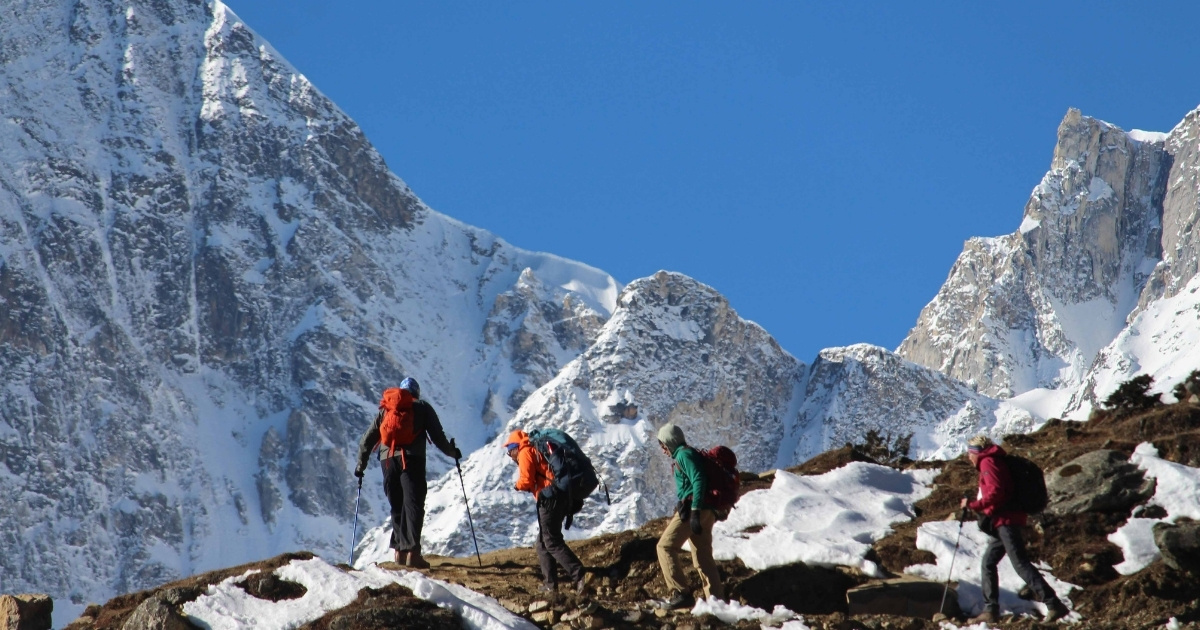
You can also take side trips to Manaslu Base Camp and Birendra Lake before crossing the challenging Larkya La Pass at about 5,106 m. The Manaslu region is also a restricted trekking area, so trekkers need special permits and must use a licensed guide. This rule keeps the trail quieter than the more popular Everest and Annapurna routes.
Quick Facts
- Route: Machha Khola → Jagat → Deng → Namrung → Lho → Samagaon → Samdo → Larkya La Pass → Bimthang → Dharapani
- Duration: About 12–14 days
- Maximum altitude: 5,106 m (Larkya La Pass)
- Difficulty: Strenuous
- Best time: March–May and September–November
- Approximate cost range: USD 945–1,249 per person
- Ideal for: Experienced hikers and fit trekkers looking for an uncrowded trail, high mountains, traditional villages, Buddhist culture, and a more remote Himalayan experience
Duration:14 DaysStart fromUSD 1500USD 1249based on 4 reviews
Langtang Valley
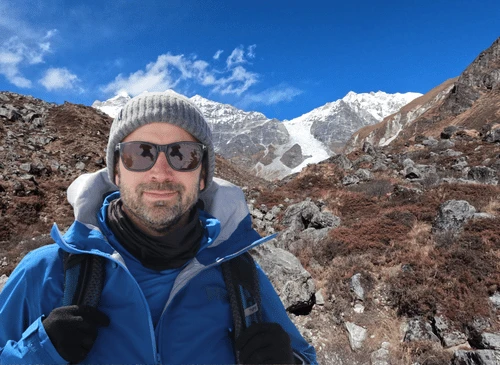
The Langtang Valley Trek is a beautiful Himalayan journey that takes you through Langtang National Park, close to the Tibetan border. The trail follows the Langtang Khola River and forests of rhododendron, pine, and bamboo before reaching high mountain lands and yak pastures. On the way, you'll pass villages such as Syabrubesi, Lama Hotel, Langtang Village, and Kyanjin Gompa, where you can experience the Tamang culture and see Buddhist prayer wheels, stone walls, and monasteries.

At Kyanjin Gompa, you get close views of Langtang Lirung (7,227 m), Langtang Ri, Dorje Lakpa, and Ganchenpo, along with glaciers and snowy peaks. You can also take an optional hike to Kyanjin Ri or Tserko Ri for wider mountain views. One of the advantages of Langtang is that there is no domestic flight. Trekkers travel by road from Kathmandu to Syabrubesi.
Quick Facts
- Route: Syabrubesi → Lama Hotel → Langtang Village → Kyanjin Gompa → Kyanjin Ri/Tserko Ri → return to Syabrubesi
- Duration: About 7–10 days
- Maximum altitude: 5,033 m (Tserko Ri)
- Difficulty: Moderate
- Best time: March–May and late September–November
- Approximate cost range: USD 535–785 per person
- Ideal for: Hikers looking for a shorter Himalayan trek, mountain views, Tamang culture, forests, and high-altitude scenery
Duration:10 DaysStart fromUSD 900USD 785based on 4 reviews
Mardi Himal Trek
The Mardi Himal Trek is a short Himalayan trek from Pokhara that takes you through Gurung villages, rhododendron forests, and quiet mountain trails toward the Mardi Himal viewpoint. The route passes through Forest Camp, Low Camp, and High Camp, with increasingly close views of Machhapuchhre (Fishtail),Annapurna South, Hiunchuli, and the Annapurna range.

The trek is especially known for its close-up views of Machhapuchhre and the high mountain scenery from the Mardi Himal viewpoint at around 4,200–4,500 m. Compared with longer Annapurna routes, it is a practical option for trekkers with limited time who still want to experience a high-altitude Himalayan trail.
Quick Facts
- Route: Kathmandu → Pokhara → Dhampus → Pritam Deurali → Low Camp → High Camp → Mardi Himal Base Camp → Low Camp → Landruk → Pokhara → Kathmandu
- Duration: 7–9 days
- Maximum altitude: 4,500 m at Mardi Himal Base Camp
- Difficulty: Moderate
- Best time: March–May and September–November
- Approximate cost range: USD 496–856per person
- Ideal for: Trekkers who want a shorter Himalayan adventure, beautiful sunrises, traditional villages, forests, and close views of the Annapurna mountains
Duration:9 DaysStart fromUSD 950USD 856based on 6 reviews
Find the Autumn Trek That Matches Your Travel Style
| Travel Style | Best Autumn Trek | Why It Fits |
| First-Timers & Families | Mardi Himal Trek | Low altitude risks, manageable walking days, great infrastructure. |
| Classic Bucket-Listers | Everest Base Camp | Iconic mountain landmarks, vibrant culture, once-in-a-lifetime status. |
| Scenery & Diversity Seekers | Annapurna Circuit | Transitions through multi-climate zones, rich cultural shifts. |
| Solitude & Wilderness Seekers | Manaslu Circuit | Quiet trails, untouched Tibetan Buddhist culture, restricted permit protection. |
| Short Timeframe (Under 10 Days) | Langtang Valley | Quick overland access from Kathmandu, dramatic valley terrain. |
What Should You Budget for an Autumn Trek in Nepal?
Budgeting for a trek in Nepal depends on whether you travel independently with a local guide/porter or join an all-inclusive agency package.
Permits & Government Fees:
- Annapurna / Langtang Entry Permit: USD 20–21 (NPR 3,000).
- Everest Permits (Sagarmatha NP + Khumbu Municipality): USD 45 total (NPR 6,000 total).
- Restricted Area Permits (e.g., Manaslu in Autumn): USD 100/week + USD 15/day extra.
Daily Teahouse Expenses:
- Expect to spend USD 30 to 50 per day per person high on the trail. This covers three meals, bed accommodation, hot showers, device charging, and Wi-Fi cards.
Guide & Porter Rates:
- Licensed Guide: USD 25 – 35 per day (covers their salary, insurance, food, and lodging).
- Porter: USD 18 – 25 USD per day (carries up to 18–20 kg).
Internal Transport:
- One-way flight between Kathmandu and Lukla: USD 255.
- Kathmandu to Pokhara/Besisahar/Syabrubesi overland transport: USD 15–30 (tourist bus/local jeep) or USD 100–150 (private 4x4 vehicle)
How Busy Are Nepal's Trekking Routes in Autumn?
Autumn is the busiest time for trekking in Nepal, with October seeing the highest number of trekkers. The Everest Base Camp and main Annapurna routes can feel crowded around popular stops such as Namche Bazaar, Tengboche, Ghorepani, and Manang. Teahouses in these villages often fill up quickly, so trekkers should plan their days and accommodation ahead.

You can avoid some of the crowds by starting your walk early around 6:30 AM to 7:00 AM. This helps you reach the next village before large groups arrive. Routes such as Manaslu, Tsum Valley, Nar Phu, and Mardi Himal are less crowded options. If you want fewer people but still want clear mountain views, late November is a good time to trek.
Plan Autumn Your Way
Choose your destination, travel dates, trek length, and preferred pace to create an autumn trekking plan around your trip.
How to Choose the Right Autumn Trek in Nepal?
Select your ideal route by evaluating four factors:
- Available Time: Factor in international travel, overland transit, and mountain flight buffer days. If you have under 10 days, focus on Langtang, Mardi Himal, or Poon Hill. If you have 12 to 18 days, consider EBC or the Annapurna/Manaslu Circuits.
- Physical Preparation: High-pass treks (Thorong La at 5,416m or Larkya La at 5,106m) needs strong cardiovascular stamina and leg strength.
- Preference for Comfort vs Remote Adventure: Popular routes have extensive menus, private rooms, and heated dining halls. Restricted routes offers local, simpler rural homestays and teahouses.
- Cultural Goals: If you want to witness Sherpa culture, head to Khumbu; for Tamang culture, choose Langtang; for Gurung traditions, choose Annapurna; for Tibetan Nubri culture, select Manaslu.
How Far in Advance Should You Book an Autumn Trek?
Because October and November are busy travel months, it is best to plan ahead. Three to six months before your trip, book your international and domestic flights between Kathmandu or Ramechhap and Lukla, as well as rooms at popular mountain lodges. One to two months before your trip, confirm your guide and porter and provide your passport details if you are trekking in areas such as Manaslu or Upper Mustang that need special permits.
What Changes in Your Packing List for an Autumn Trek?
Autumn weather can change a lot as you gain height, so your packing list should match the altitude and route. The days may be warm, but mornings, evenings, and higher areas can be very cold.
- Pack layers: Several light layers are more useful than one very heavy jacket.
- Prepare for cold nights: Bring warm clothes, gloves, a hat, and a good jacket for higher areas.
- Carry rain protection: September can still bring some rain, so pack a waterproof jacket and bag cover.
- Expect colder weather in October: Add warmer clothes as temperatures drop at higher elevations.
- Protect against wind: A windproof jacket can make a big difference on exposed areas.
- Bring warm sleeping gear: Nights at higher elevations can be very cold, even after a sunny day.
- Pack for the highest point: Do not base your clothing only on the weather in Kathmandu or lower villages.
What Trekkers Get Wrong About Autumn?
- Myth 1: "Autumn weather is always warm." While daytime temperatures at mid-elevations are good, nights above 3,500 m drop below freezing (0°C to -10°C). Warm layers and a sleeping bag are non-negotiable.
- Myth 2: "It never rains or snows in autumn." Early September can still see monsoon rain, and late November brings occasional high-altitude snowfalls.
- Myth 3: "You can easily wing teahouse bookings on arrival." In October, popular villages fill up early. Sending a porter ahead or booking through a local guide secure a bed rather than sleeping on a dining room floor.
- Myth 4: "You don't need buffer days." Weather in mountain airports like Lukla can change rapidly regardless of the season. Always build 2 extra buffer days into your itinerary.
What Festivals Can You Experience While Trekking in Nepal in Autumn?
Autumn is the main festival season in Nepal. Here are some popular festivals you may experience while trekking during this season:
- Dashain (September / October): Nepal's longest and most important Hindu festival, celebrating the victory of good over evil. Villages on the lower trails are full of bamboo swings (ping), family gatherings, and colorful rituals.
- Tihar / Deepawali (October / November): This is the five-day "Festival of Lights". Homes and teahouses are decorated with marigold garlands and oil lamps. Local people may perform traditional Deusi Bhailo songs and dances for trekkers.
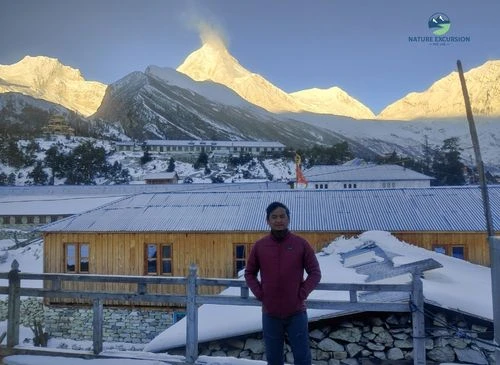
- Mani Rimdu (October / November): A 19-day Sherpa Buddhist festival celebrated at Tengboche Monastery in the Everest region. Monks perform holy masked dances, known as Chham, and take part in traditional rituals with the beautiful Ama Dablam in the background.
Conclusion
Autumn in Nepal brings clear skies, fresh mountain air, beautiful views, and local festivals. Whether you cross high mountain passes, trek to Everest Base Camp, or enjoy a shorter trek in the Annapurna region, autumn is a great time to explore Nepal’s mountains and experience its natural beauty and traditional culture.
FAQs
Is autumn better than spring for trekking in Nepal?
Yes, autumn offers cloudless skies, drier trails, and better mountain visibility due to post-monsoon air clarity. Spring (March to May) offers warmer temperatures and blooming rhododendron forests, but hazy skies can develop by afternoon.
Do I need a guide for trekking in Nepal?
Yes, the Nepal Tourism Board requires foreign trekkers in protected areas and restricted regions to hire a licensed guide for safety and trail navigation.
How cold does it get during an autumn trek?
Daytime temperatures range from 10°C to 18°C at mid-elevations. However, night temperatures above 3,500 m drop to between -5°C and -12°C in late October and November.
What is the absolute best month in autumn to trek?
October is considered the peak month for mountain visibility and temperatures, though late October to mid-November offers a peaceful environment with fewer trail crowds.
Can beginners trek in Nepal during autumn?
Yes, shorter routes like Poon Hill, Mardi Himal, and Langtang Valley suit fit beginners who want to conquer the Himalayas without extreme altitude challenges.
Which trek has the best mountain views in autumn?
Mardi Himal and Poon Hill are among the best autumn treks for mountain views. Poon Hill gives sunrise views of the Annapurna and Dhaulagiri ranges, while the Mardi Himal viewpoint brings you closer to Machhapuchhre and other Annapurna peaks.


.webp)
.webp)