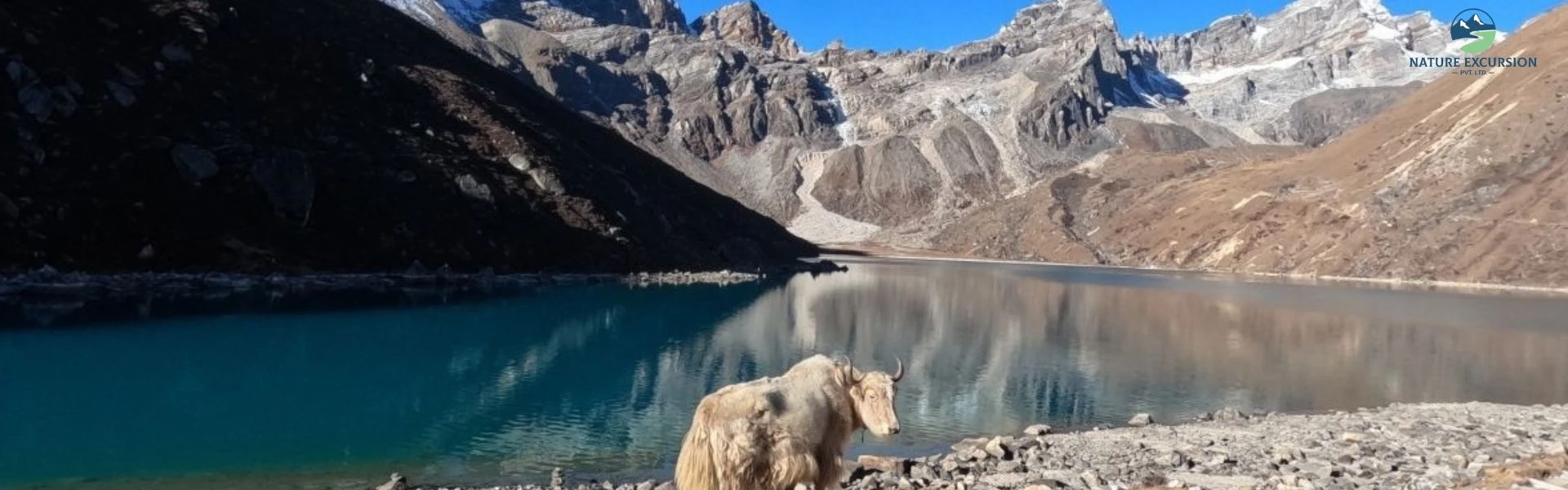
The Gokyo Lake trek is moderate to hard. The standard route is a trekking route, not a mountaineering climb, but you sleep at about 4,750 m in Gokyo Village and climb to 5,357 m on Gokyo Ri. Altitude sets the Gokyo Lake trek difficulty, not the terrain, and that is why strong walkers still get sick. While the route does not require technical climbing skills or ropes, the physical challenge comes from uphill walking on glacial ground and reduced atmospheric pressure, where oxygen levels drop to approximately 50 percent of sea-level density.
Planning a trip to the high-altitude Gokyo Valley presents a specific challenge. Many hikers assume that because the trail stays off the main Everest Base Camp highway, it offers an easier alternative. In reality, underestimating the climbs, freezing temperatures, and mountain weather leads to physical exhaustion, acute mountain sickness, or emergency evacuations.
This guide explains the main factors that affect the difficulty of the Gokyo Lake Trek, including walking hours, trail conditions, altitude, and weather.
Physical Activity and Daily Distance Covered
The standard Gokyo Lake Trek is approximately 92 km round trip, beginning and ending at Lukla Airport (2,860 m). Over the course of 13 to 14 days, you cover an average of 8 to 12 km per day. While those distances appear manageable on paper, the high altitude doubles the physical effort required compared to low-altitude hiking.
The trail starts with a descent from Lukla to Phakding, followed by an 800 m climb to Namche Bazaar. After leaving the main Everest route at Sanasa, the trail climbs out of the Dudh Koshi valley toward Dole and Machhermo before entering the Gokyo valley.
Altitude is the primary contributor to overall Gokyo Lake Trek difficulty. Atmospheric pressure drops as you ascend through the Solukhumbu region, reducing the amount of oxygen per breath. At Namche Bazaar, oxygen concentration drops to 68% of sea-level values. By the time you reach Gokyo Village, oxygen levels fall to 57%, and at the top of Gokyo Ri, oxygen stands at roughly 52%.
Data collected by high-altitude medical personnel operating at the Pheriche Aid Shop indicates that approximately 30% to 50% of trekkers ascending above 4,000 m in the Everest region experience mild to moderate symptoms of altitude sickness.
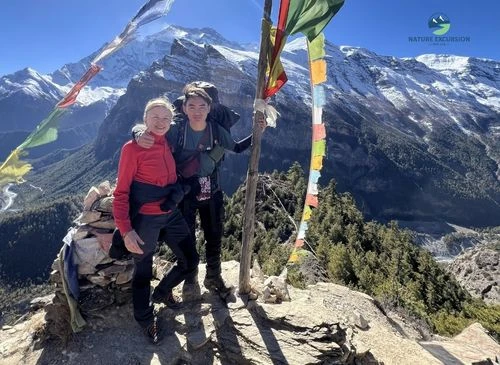
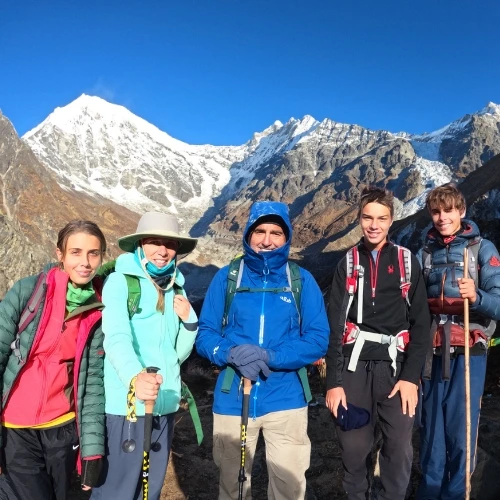
Trekkers resting on the trail to Gokyo Lake
Proper acclimatization schedule management is essential. Resting two nights at Namche Bazaar and taking an additional acclimatization day or slow progression at Machhermo increases red blood cell production and adaptation to lower arterial oxygen saturation.
Have Questions About Gokyo Lake Trek
Got questions about altitude or preparation? Chat directly with our local trekking specialists on WhatsApp right now for instant answers.
The Gokyo Valley trail has several challenges that make it more difficult than ordinary paths. The route has stone steps, cliff edges, and loose rocks that can make walking extremely difficult. The most challenging part of the terrain occurs when crossing the Ngozumpa Glacier, which is the longest glacier in the Himalayas. The trail across the glacier connects the eastern bank near Dragnag to Gokyo Village on the western bank.
Unlike solid ice glaciers, the surface of the Ngozumpa Glacier consists of active rock, terminal moraine, sand, and shifting ice lakes. The path through the glacier changes continuously as ice melts beneath the rocks, which causes small rockfalls.
Changing weather makes the trail even more difficult and dangerous. Temperatures in the high valley drop quickly after sunset. In Gokyo Village, nighttime temperatures in October and November range from -5°C to -15°C, while in spring (March to May) they range from -2°C to -10°C.
Comparing Gokyo Lakes To Everest Base Camp
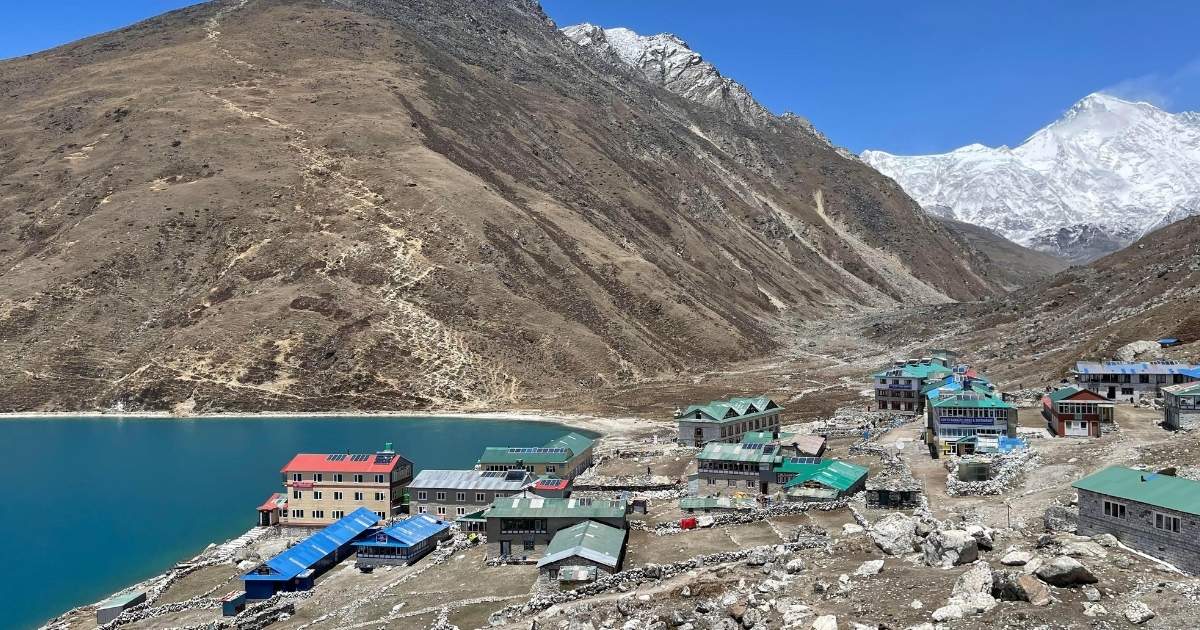
Gokyo village beside Gokyo Lake
Trekkers compare the physical challenges of the Gokyo route against the standard Everest Base Cam Trek. While both treks share the same starting trail from Lukla to Namche Bazaar, their physical characteristics differ beyond Sanasa.
Comparison Factor
Gokyo Lake Trek
Everest Base Camp Trek
Maximum Altitude
5,357 m (Gokyo Ri)
5,545 m (Kala Patthar) / 5,364 m (EBC)
Total Round-Trip Distance
92 km
130 km
Glacier Crossing Requirement
Yes (Ngozumpa Glacier)
No
Crowd Density
Low to Moderate
High
Main Steep Ascents
Namche climb, Mong La, Gokyo Ri
Namche climb, Tengboche, Kala Patthar
Accommodation Availability
Standard teahouses, fewer heating options
Plenty of teahouses, larger lodges
Cost
USD 1,021 to 1,421
USD 1,235 to 1,595
Build Your Ideal Trek
Design a custom trek route matched to your fitness level, preferred pace, and travel dates.
Real experiences help us understand how people with different fitness levels cope with the high altitude and difficult trails of the Gokyo Valley.
Personal Experience of Mid-Life Hikers
Sarah Jenkins, age 42, Verified Independent Trekker, completed the Gokyo Lake Trek in October 2024. She logged her physiological data throughout the 12-day journey.
"The daily walking distances looked short on paper, but the elevation gain changed everything after 4,000 meters. Climbing Gokyo Ri took three hours of relentless step-by-step effort in sub-zero winds. My heart rate stayed above 150 beats per minute even while moving at a very slow pace. Crossing the Ngozumpa Glacier required total focus because the loose rock shifted constantly underfoot."
Her experience shows that mental stamina and a slow speed are as important as leg strength in cold air and low oxygen density.
Speed Records and Altitude Fitness
Lhakpa Gelu Sherpa, aged 36, is an experienced high-altitude climber known for fast climbs in the Sagarmatha region. His speed records are checked using official checkpoint times and satellite tracking data collected by local climbing organizations.
Experienced Sherpa guides can complete high-altitude trails much faster because of their natural physical abilities and years of experience living and working at high altitudes. However, ordinary trekkers who haven't adjusted to the altitude may face serious health risks if they try to keep up.
Preparing your body for the trek requires regular exercise and training. You do not need to be a professional athlete, but you should have good heart and lung fitness, strong leg muscles, and a stable body to handle the challenges of the trail. Training should begin at least 8 to 12 weeks before your departure date. The plan should focus on three primary components: Cardiovascular endurance, Leg strength, and Weighted Pack Carrying.
Hill hiking with a 5-8 kg backpack, weighted step-ups (15-20 reps per leg), core planks, leg press
3 days loaded cardio, 2 days strength
Weeks 9 to 11
Peak Stamina
Long weekend hikes (4 to 6 hours) with a 10 kg backpack, interval training
1 long hike, 2 gym workouts, 1 recovery walk
Week 12
Tapering
Light flat walking, mobility stretching, full muscle rest
2 light 30-minute walks
Ways to Avoid Trekking Dangers during Gokyo Trek
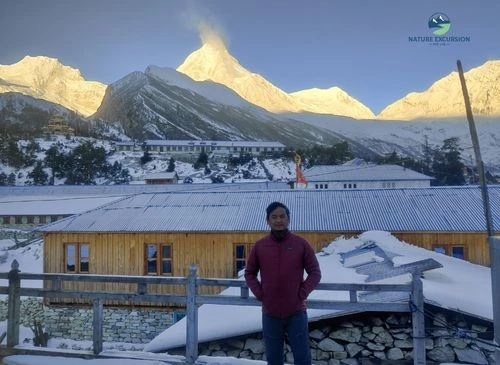
trekkers in everest region
Reducing the physical challenges of trekking depends on making good daily decisions and following safety rules for high altitudes. These simple, proven methods reduce stress on your body and increase your chances of reaching Gokyo Ri safely.
Hydration and Nutrition
High altitude accelerates dehydration because you breathe faster and the air is drier. You lose body moisture twice as fast at 4,000 m as you do at sea level. Drink 3 to 4 liters of fluid daily. Carry thermal water bottles or insulated sleeves to prevent water from freezing inside your pack during morning treks.
Eat high-carbohydrate meals at teahouses. Carbohydrates provide energy more easily than fats and proteins, making them a good food choice at high altitudes where oxygen levels are low. Foods such as dal bhat, rice, noodles, and oatmeal keep your body energized during the trek.
Altitude Medications and Acclimatization Rules
Before your trek, consult a doctor about Acetazolamide (Diamox), a medicine that can help your body adjust to high altitudes. It helps you breathe faster, even while resting or sleeping, so your body gets more oxygen. The usual preventive dose is 125 mg twice a day, starting 24 hours before climbing above 2,800 m. However, you should only take this medicine under medical advice.
Follow the primary rule of high-altitude travel: climb high, sleep low. On acclimatization days in Namche Bazaar, climb to Everest View Hotel (3,880 m) before returning to sleep at 3,440 m. Maintain a slow walking pace. Local guides recommend walking at a speed that lets you talk comfortably without becoming breathless.
Essential Gear Preparation
Inadequate gear increases physical difficulty by exposing you to cold, fatigue, and injury risks. Make sure you pack:
Broken-in trekking boots with lugged soles and ankle support.
Adjustable trekking poles with rubber tips and snow baskets.
Layered clothing system: thermal base layers, fleece mid-layers, windproof outer shell, and a down jacket rated to -20°C
Polarized UV category 3 or 4 sunglasses to prevent snow blindness on bright glacial snowfields.
Secure Your Gokyo Adventure
Ready to conquer the high passes and emerald lakes? Reserve your slot with guaranteed departure and expert guides.
Trekking in the Gokyo Valley needs good planning, physical preparation, and suitable clothing for cold weather and difficult mountain paths. Although the Gokyo Lake Trek can be challenging, hikers can make the journey safer and more manageable by giving enough time to adjust to the altitude, training before the trek, and hiring experienced guides.
Nature Excursion offers customized trekking plans, experienced Sherpa guides, safety support, and travel arrangements throughout the Khumbu region. Contact us today to plan your Gokyo Lake Trek with experienced professionals who put your safety first throughout the journey.
FAQs
Do You Need Special Permits for the Gokyo Lake Trek?
You need two official permits to undertake this trek. The Khumbu Pasang Lhamu Rural Municipality Permit costs NPR 3,000 (approximately USD 20) per person, and the Sagarmatha National Park Entry Permit costs NPR 3,000 (approximately USD 20) per person.
Which Months Offer the Safest Weather Conditions?
The main trekking seasons are autumn from September through November and spring from March through May. Autumn offers clear blue skies, stable weather, and nighttime temperatures between -5°C and -15°C at Gokyo Village. Spring brings blooming mountain flora below 3,000 m and daytime temperatures between 5°C and 12°C.
How to Handle Lukla Flight Delays and Ramechhap Rerouting?
You should build two buffer days into your total Nepal itinerary. During peak seasons, airlines operate Lukla flights out of Ramechhap Airport, which requires a four-hour drive from Kathmandu starting at 1:00 AM.
What Medical Assistance Is Available in Remote Villages?
The Himalayan Rescue Association operates a medical aid post in Machhermo (4,470 m) during spring and autumn seasons. Western volunteer doctors conduct daily altitude safety briefings at 3:00 PM and provide emergency medical evaluations for Acute Mountain Sickness.
What Is the Recommended Minimum Age for High Altitude Trekking?
Children should be at least 10 to 12 years old before undertaking the Gokyo Lake Trek. Younger children may struggle to communicate subtle early symptoms of Acute Mountain Sickness. Senior trekkers can complete the route successfully provided they possess good cardiovascular health.
Written by
Karan GurungExecutive Director
Hello, I’m Karan Gurung, a passionate mountaineer from Nepal with over 15 years of experience exploring the majestic peaks of the Himalayas. I grew up surrounded by towering mountains; my love for adventure and the thrill of high-altitude trekking have shaped my life to the next level. For me, the mountains are more than just a place to trek, and I believe they are a source of inspiration, a connection to nature, and a way of relaxing your mind and soul with peace. I’m always here to share my experiences, travel tips, and stories from my adventures to help others appreciate the beauty of the Himalayas in Nepal through articles and blogs. Whether you're an experienced trekker or someone new to the mountains, I’m here to guide and inspire you for your first or next adventure in Nepal!
The main autumn treks in Nepal are Everest Base Camp, the Annapurna Circuit, Annapurna Base Camp, the Manaslu Circuit, Langtang Valley, and Mardi Hima...
To choose the best trekking company in Nepal, you must verify that the agency holds official registration with the Nepal Ministry of Culture, Tourism...
Sagarmatha National Park is one of Nepal’s most famous protected areas and the core of the Everest region. Located in the high Himalayas of Solukhumbu...