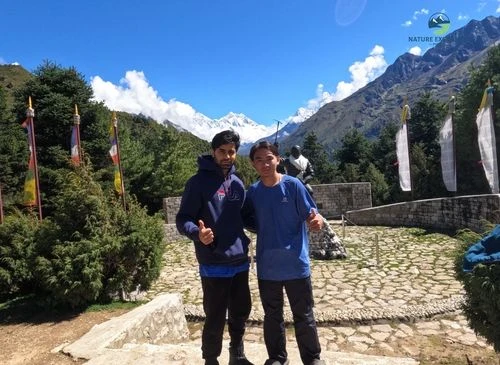
Mardi Himal Weather at a Glance
| Season category | Calendar months | Average day temp | Average night temp | Visibility and trail safety conditions |
| Peak Spring | March, April, May | 8°C to 20°C (46°F to 68°F) | -3°C to 6°C (27°F to 43°F) | Stable weather with clear mornings, dry trails, and blooming rhododendron forests below 3,000 m. |
| Summer Monsoon | June, July, August | 14°C to 24°C (57°F to 75°F) | 6°C to 12°C (43°F to 54°F) | Heavy daily rainfall, dense fog on the ridgeline, slippery mud, and frequent leeches along the lower forest paths. |
| Peak Autumn | September, October, November | 6°C to 21°C (43°F to 70°F) | -3°C to 9°C (27°F to 48°F) | Most stable weather conditions of the year with crisp morning skies, absolute mountain clarity, and dry tracks. |
| Alpine Winter | December, January, February | 4°C to 14°C (39°F to 57°F) | -8°C to 1°C (18°F to 34°F) | Freezing night temperatures, sharp winter winds, and possible snow accumulation on the final push to 4,500 m. |
Need a Trek Plan That Fits Your Dates?
Have fixed travel dates? Get a Mardi Himal trek plan tailored to your schedule, preferred season, and trekking goals.
Where to Find Reliable, Real-Time Mardi Himal Weather Forecasts Online
You should never rely solely on general weather apps when checking conditions for the Mardi Himal Trek in Nepal. Standard city apps extract data from low-altitude weather models, but mountain microclimates create completely independent weather systems. A sunny prediction for Pokhara does not guarantee clear skies at High Camp. High-altitude mountain terrain causes rapid pressure drops and sudden convective storms. General apps fail to capture these localized elevation changes: a critical error that can leave you stranded in unpredicted blizzards or heavy monsoonal downpours above 3,000 m.
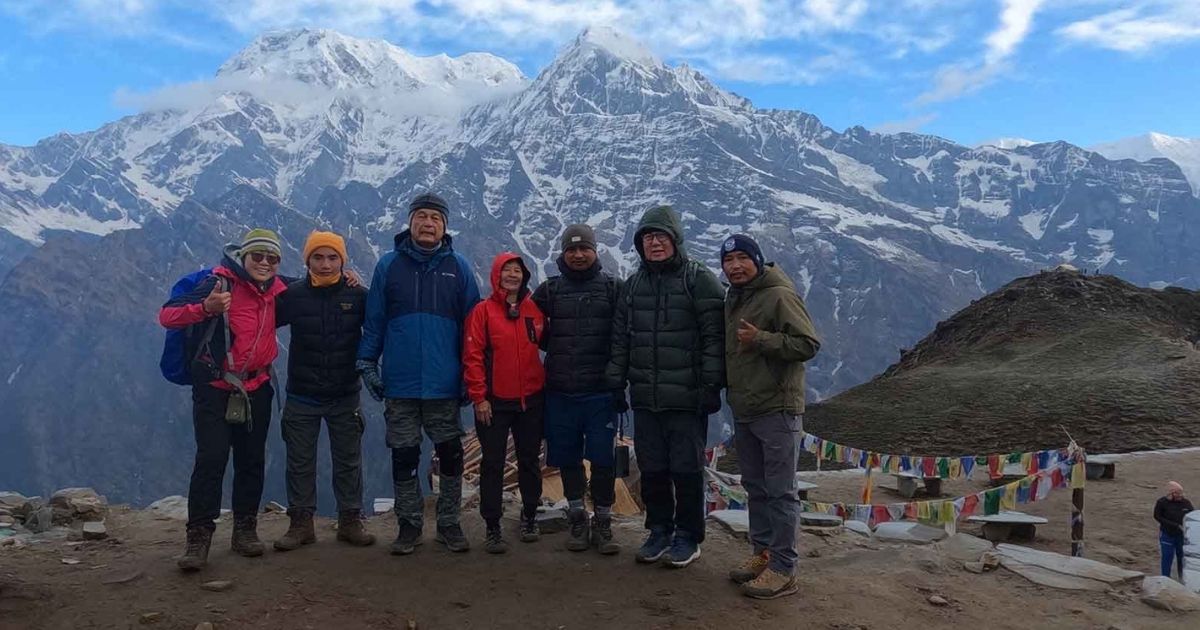
To plan a safe trek to Mardi Himal, you must cross-reference mountain-specific forecasts with real-time ground updates. Check specialized platforms like Mountain-Forecast or Windfinder that compile data for specific peak elevations. But remember that even the best digital models have strict limitations in the Himalayas, where geography distorts radar signals. You must supplement these digital charts by talking directly to local trekking guides and teahouse owners at Low Camp or High Camp. These locals read the immediate sky conditions daily, providing the most reliable, real-time safety updates before you head toward the base camp.
Why Pokhara Weather Forecasts Are Useless for Mardi Himal High Camp
Pokhara weather forecasts are unreliable for Mardi Himal High Camp because the 2,750 m elevation difference creates distinct climate zones, with the high camp experiencing freezing temperatures and rapid, unpredictable weather shifts. While you might enjoy warm, calm shirt-sleeve weather down by Phewa Lake, High Camp routinely experiences freezing temperatures that drop well below 0°C (32°F) after sunset.
Also, the dramatic rise in elevation alters wind exposure and cloud formation along the upper trail. The low valley traps warm, humid air, but this moisture rises rapidly during the day and encounters the freezing upper air currents. This process triggers sudden, heavy cloud blankets and thick afternoon fog right above the tree line. Meanwhile, High Camp sits fully exposed to high-velocity alpine winds that rip across the Annapurna sanctuary. General city applications completely miss these brutal, localized mountain microclimates: a critical forecasting gap that leaves unprepared trekkers facing unpredicted snowstorms and severe windchill.
| Factor | Pokhara | High Camp |
| Altitude | 822 m | 3,580 m |
| Average Temperature | 14°C (57°F) to 24°C (75°F) | -8°C (18°F) to 12°C (54°F) |
| Wind Exposure | Low: Protected by deep valley walls | High: Extreme, direct exposure on a narrow ridge line |
| Cloud Conditions | Scattered valley haze, clear afternoons | Heavy daytime convergence, rapid fog blankets |
| Rainfall Impact | Standard monsoon downpours, fast drainage | Severe downpours, slippery stone stairs, high ridge snow |
| Oxygen Availability | 100% Sea-level baseline | 63% Sea-level baseline (Atmospheric pressure drops to 64 kPa) |
| Trail Terrain | Flat asphalt, cobblestone city paths | Muddy forest loam, exposed rock, steep drop-offs |
Understanding Mardi Himal Weather by Altitude Zone
Higher altitude brings colder temperatures, stronger winds, lower oxygen levels, and far more volatile local weather. You must expect rapid changes and sharper daytime-to-nighttime temperature swings as you ascend. The weather at the Mardi Base Camp alters your daily packing needs and safety choices as you move up the trail. You will experience distinct temperature zones, varying wind patterns, and changing visibility levels at each stage of the climb.
Zone 1: Lower elevations (Pokhara / Kande)
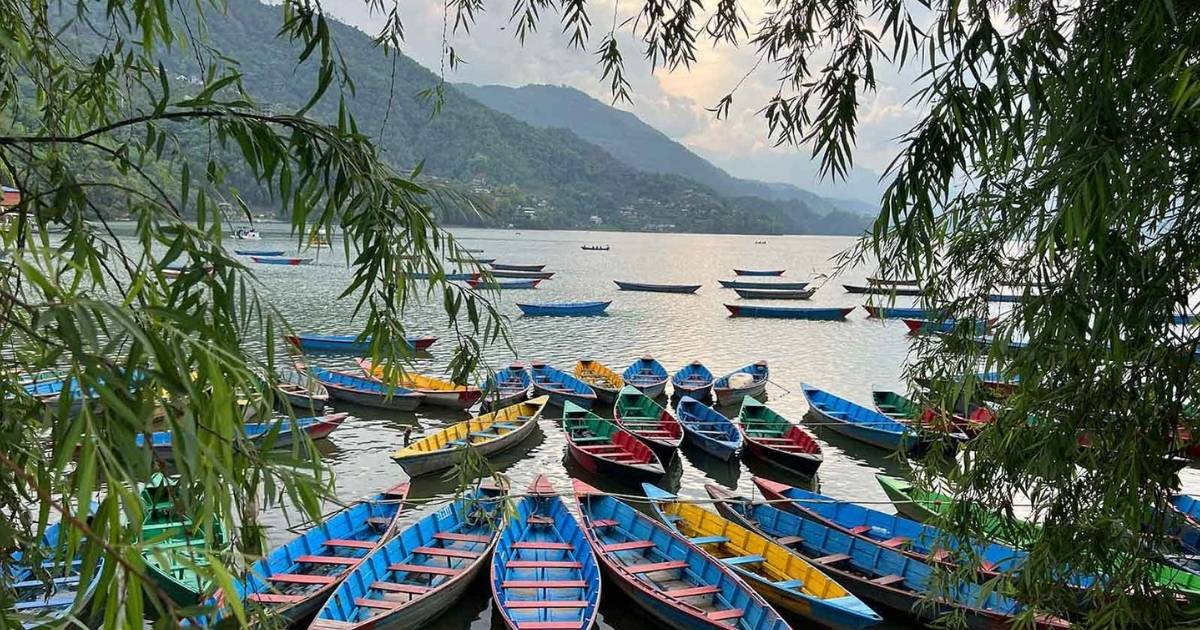
Zone 1 covers the lower elevations between 822 m and 1,770 m, where the climate remains warm and heavily humid. Daytime temperatures range from 10°C (50°F) to 25°C (77°F), so you only need lightweight clothing for this initial stretch. But summer brings heavy monsoonal rain and thick valley fog that completely obscures the horizon. Lower trails stay muddy during the wet season, while spring and autumn offer dry dirt tracks under calm valley breezes.
Zone 2: Forest Camp to Low Camp
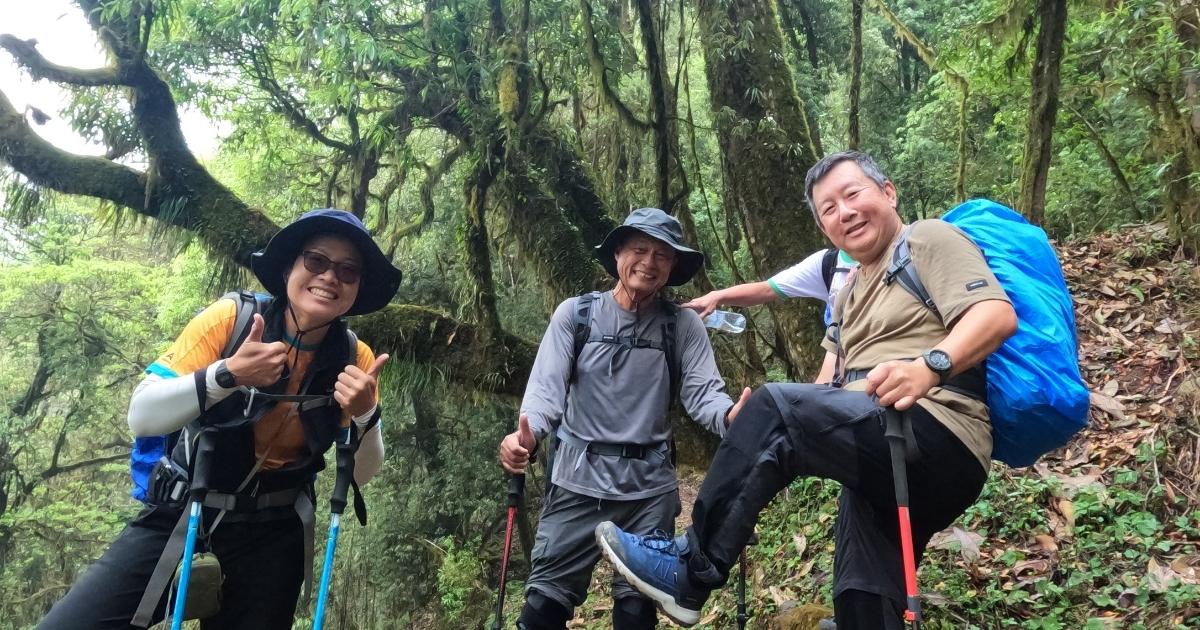
Zone 2 spans the dense rhododendron forests from 2,520 m to 2,990 m, where the dense canopy blocks out direct sunlight. The heavy tree line shields you from strong winds, but it also traps moisture and creates a cool, damp atmosphere. Temperatures range from 2°C (36°F) to 18°C (64°F), so you must pack reliable fleece layers to stay warm. Also, rapid afternoon cooling brings thick mist that rolls through the trees, reducing visibility by 2:00 p.m.
Zone 3: High Camp
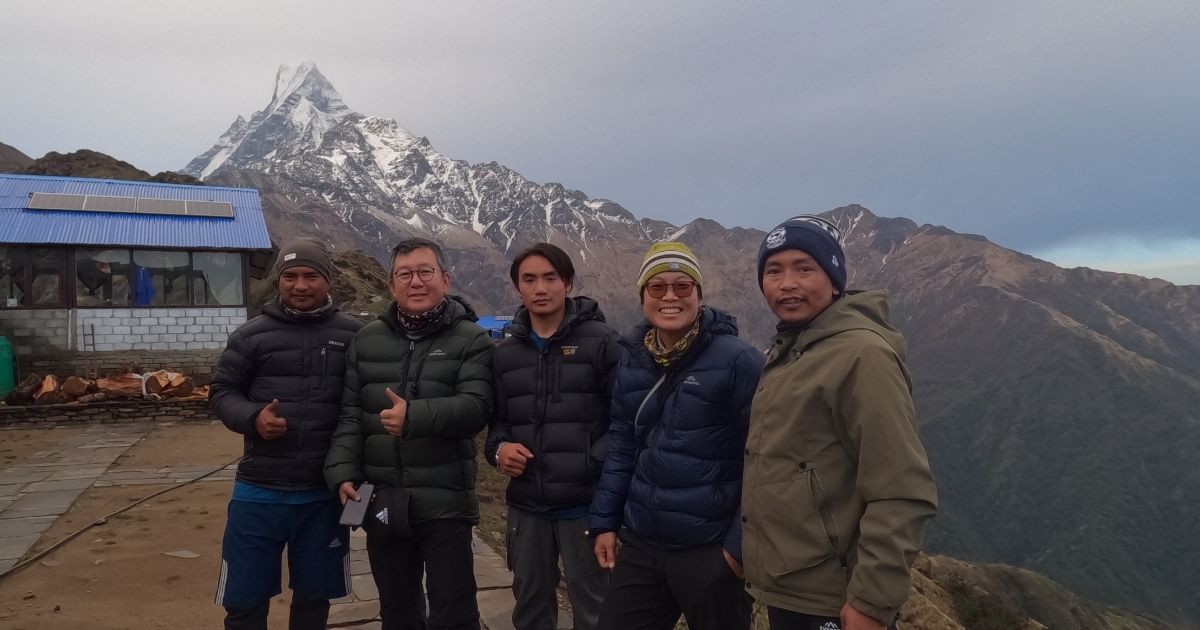
Zone 3 brings you completely above the tree line to the exposed ridge of High Camp at 3,580 m. Temperatures drop significantly here, ranging from -6°C (21°F) during winter nights to a mild 12°C (54°F) during sunny autumn days. Strong alpine gusts regularly blow across the open ridge line, forcing the immediate use of windproof jackets and beanies. Meanwhile, mornings usually offer clear mountain views before convective clouds rise from the valley, blanketing the camp in dense fog.
Zone 4: Mardi Himal Base Camp
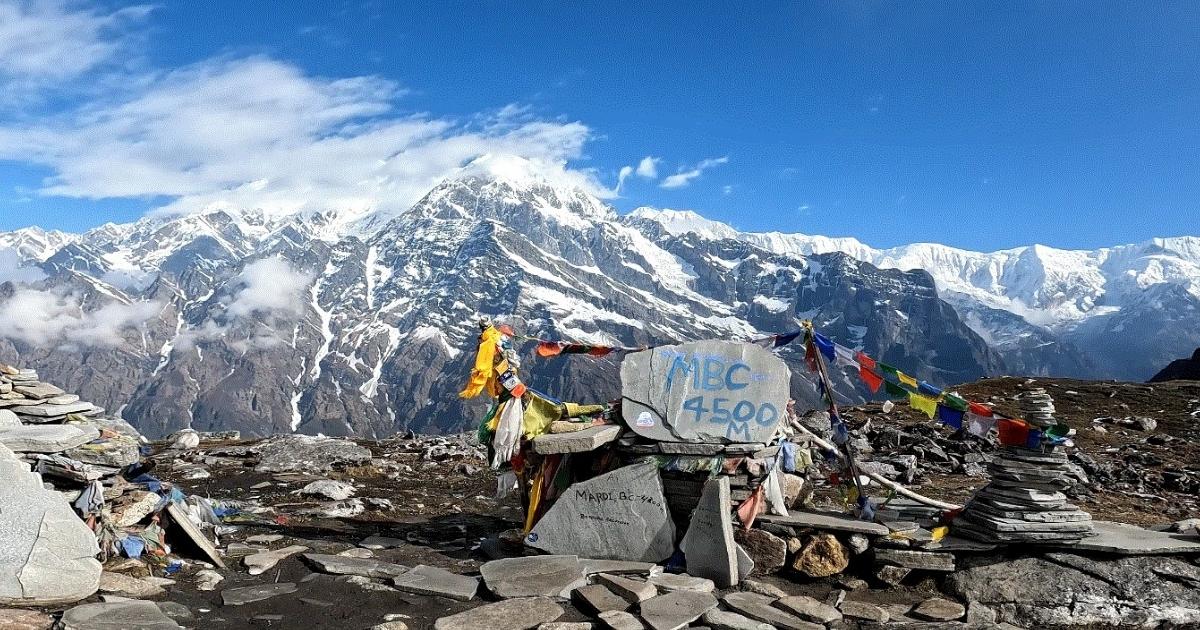
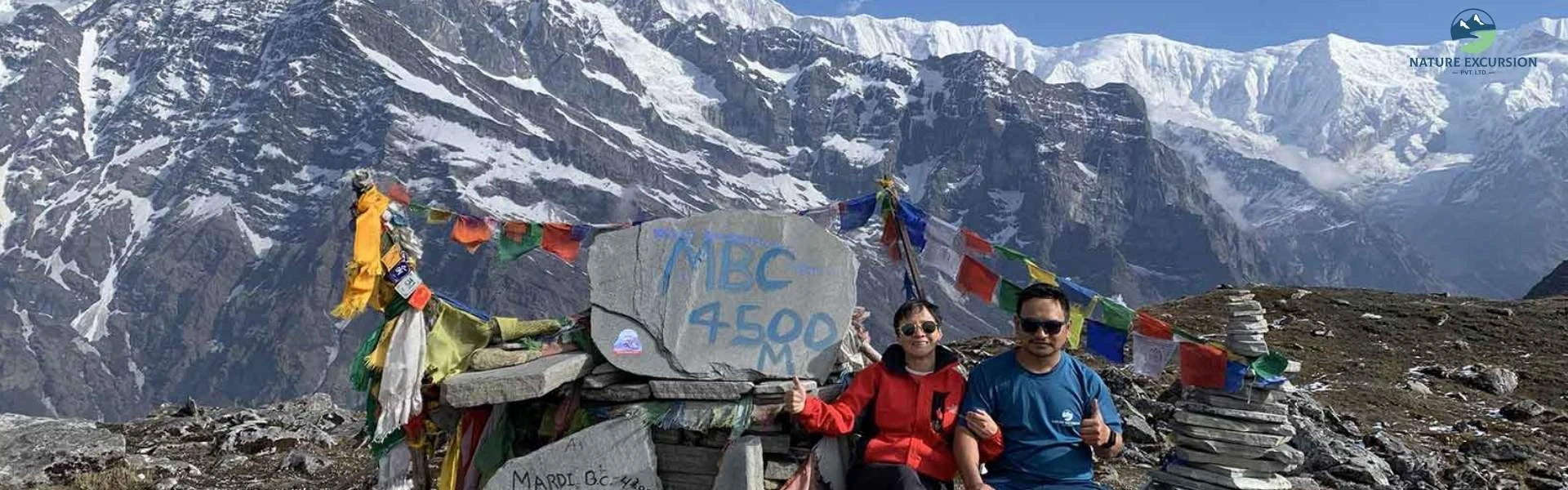
Zone 4 is the final high-altitude destination, perched on the rugged rock face at 4,500 m. The weather here is highly volatile and freezing, with average temperatures ranging from -10°C (14°F) to 8°C (46°F). Mardi Himal is typically about 5–8°C colder at Base Camp (4,500 m) than at High Camp (3,580 m). Atmospheric pressure drops to 64 kPa, which reduces your oxygen intake to just 63% of the sea-level baseline. You must start this final push at 4:30 a.m. to avoid the dangerous snowstorms and whiteout conditions that frequently hit the upper ridge after midday.
Plan Your Mardi Himal Trek
Not sure which month fits your preferred weather, mountain views, and trekking conditions? Compare the seasonal conditions with a Mardi Himal Trek itinerary before choosing your dates.
The 2:00 p.m. Cloud Phenomenon at Mardi Himal: What Every Trekker Should Know
You must understand the distinct daily atmospheric pattern that dictates visibility along the Mardi Himal ridge line. During the spring and monsoon seasons, intense morning sunlight rapidly heats the low subtropical valleys surrounding Pokhara. This temperature rise causes moisture to evaporate and climb swiftly up the steep mountain flanks as warm, thermal air currents. By 2:00 p.m., this rising water vapor collides with the freezing alpine air currents above the tree line, a physical convergence that triggers sudden condensation and blankets High Camp in thick, dense fog.
But you can easily bypass this daily whiteout by coordinating your high-altitude walking schedule around an early morning start. Setting your alarm for a 4:30 a.m. departure ensures that you traverse the exposed alpine spine while the atmosphere remains completely stable and cold. This early timing guarantees unhindered views of Machhapuchhre and Annapurna South before the convective valley vapor has a chance to rise and accumulate. Also, arriving at your next upper teahouse before the midday moisture rolls in protects you from sudden temperature drops, high-ridge winds, and afternoon thunderstorms that regularly hit the upper trail.
Mardi Himal Weather Month by Month
| Month | Day Temp (High Camp/Base Camp) | Night Temp | Weather | Crowd Level | Snow Chance | Trekking Conditions |
| January | 0∘C to 5∘C (32∘F to 41∘F) | −10∘C to −5∘C (14∘F to 23∘F) | Dry, windy, short sunny days | Low | High | Freezing trails, morning ice, microspikes required above Low Camp |
| February | 2∘C to 6∘C (36∘F to 43∘F) | −8∘C to −2∘C (18∘F to 28∘F) | Clear winter mornings, heavy afternoon drafts | Low | High | Deep snow drifts on upper paths, cold windchill, quiet teahouses |
| March | 4∘C to 8∘C (39∘F to 46∘F) | −5∘C to 2∘C (23∘F to 36∘F) | Warming air, sharp mountain views, crisp wind | Moderate | Medium | Melting snow on high switchbacks, dry lower dirt, and forests start blooming |
| April | 10∘C to 15∘C (50∘F to 59∘F) | −2∘C to 3∘C (28∘F to 37∘F) | Stable morning skies, bright sun, mild evenings | High | Low | Dry, firm track conditions, peak rhododendron blooms below the tree line |
| May | 12∘C to 15∘C (54∘F to 59∘F) | 2∘C to 6∘C (36∘F to 43∘F) | Warm days, rising humidity, and afternoon cloud buildup | Moderate | Low | Clear dawn views, post-lunch fog, rare pre-monsoon thunderstorms |
| June | 12∘C to 16∘C (54∘F to 61∘F) | 5∘C to 10∘C (41∘F to 50∘F) | Overcast, regular rain showers, heavy mist | Low | None | Slippery mud layers, high humidity, and leeches are present in forest zones |
| July | 14∘C to 16∘C (57∘F to 61∘F) | 6∘C to 12∘C (43∘F to 54∘F) | Heavy monsoon rain, low clouds, hidden peaks | Very Low | None | Wet rock steps, low visibility, trail washouts possible below Forest Camp |
| August | 14∘C to 16∘C (57∘F to 61∘F) | 6∘C to 12∘C (43∘F to 54∘F) | Persistent rainfall, high humidity, dense fog | Very Low | None | Muddy paths, green slopes, and limited upper route views until late in the month |
| September | 10∘C to 14∘C (50∘F to 57∘F) | 4∘C to 8∘C (39∘F to 46∘F) | Decreasing rain, clearing skies, crisp air | Moderate | Low | Improving trail traction, fresh greenery, and clear views by late September |
| October | 8∘C to 12∘C (46∘F to 54∘F) | 0∘C to 5∘C (32∘F to 41∘F) | Absolute sky clarity, dry air, highly stable conditions | High | None | Perfect trail grip, sharp mountain outlines, busy ridge teahouses |
| November | 5∘C to 10∘C (41∘F to 50∘F) | −5∘C to 2∘C (23∘F to 36∘F) | Clear blue horizons, dry ground, cold ridge winds | Moderate | Low | Dry, hard terrain, sharp morning light, freezing night temperatures |
| December | 2∘C to 6∘C (36∘F to 43∘F) | −8∘C to −2∘C (18∘F to 28∘F) | Crisp days, early winter cold, clear mountain shapes | Low | Medium | Frozen ground above High Camp, thinning crowds, early winter gear required |
The Core Seasonal Breakdown
The Mardi Himal Weather changes your daily trail comfort and mountain visibility depending on the month you select. You must match your trekking gear and physical preparation to the specific seasonal patterns of the Annapurna spine.
Mardi Himal Trek Weather in Spring (March to May)
Spring brings mild temperatures and beautiful forest colors to the lower sections of the ridge route. Daytime temperatures at High Camp rise from 4°C (39°F) to 15°C (59°F), but nighttime temperatures still drop to -5°C (23°F) during early March. You will experience mostly clear, stable morning skies that offer sharp views of Machhapuchhre before afternoon clouds roll over the ridge. This season also means dry dirt tracks and vibrant red rhododendron blooms across the middle forest zones.
Mardi Himal Base Camp Trek Weather in Summer and Monsoon (June to August)
The summer monsoon brings heavy rainfall, high humidity, and difficult trail safety conditions to the mountain. Temperatures remain warm between 6°C (43°F) and 16°C (61°F), but persistent downpours create slick mud and frequent rock slips. Thick fog blankets the upper viewpoint daily, completely obscuring the main peaks. Also, the damp forest trails below Low Camp become heavily infested with leeches during these wet months.
Mardi Himal Base Camp Weather in Autumn (September to November)
Autumn is the prime trekking window because it offers the year's most stable weather. The heavy monsoon rains clear out by mid-September, leaving the atmosphere crisp and dust-free. Temperatures range from 5°C (23°F) at night to 14°C (57°F) during the day, making walking conditions highly comfortable. You will get excellent morning clarity, dry paths, and predictable mountain views every day through November.
Mardi Himal Weather in Winter (December to February)
You can trek Mardi Himal in winter, but it is recommended only for experienced trekkers with knowledge of trekking equipment. Winter brings extreme freezing temperatures and sharp alpine winds to the upper ridge line. Daytime temperatures rarely exceed 6°C (43°F), while nighttime temperatures drop to -10°C (14°F) at High Camp. Heavy snowfall frequently blocks the narrow track between High Camp and Base Camp, making microspikes absolutely mandatory for safety. But the daytime skies remain deep blue and fog-free, offering clear mountain views if you can handle the severe wind chill.
Best Time to Visit Mardi Himal Based on Your Travel Goals
The best months to visit the Mardi Himal Trek are in Spring (March to May) and Autumn (September to November). The autumn months of October and November stand out as the absolute peak window if your primary objective is capturing unobstructed mountain photography and enjoying stable weather conditions. But if your goal is to walk through vibrant, blooming forests or find deep snow, you must align your arrival with the distinct climate shifts of spring or winter. Balancing these factors against crowd densities and your personal budget ensures that you select the exact seasonal window that matches your physical capabilities and trail expectations.
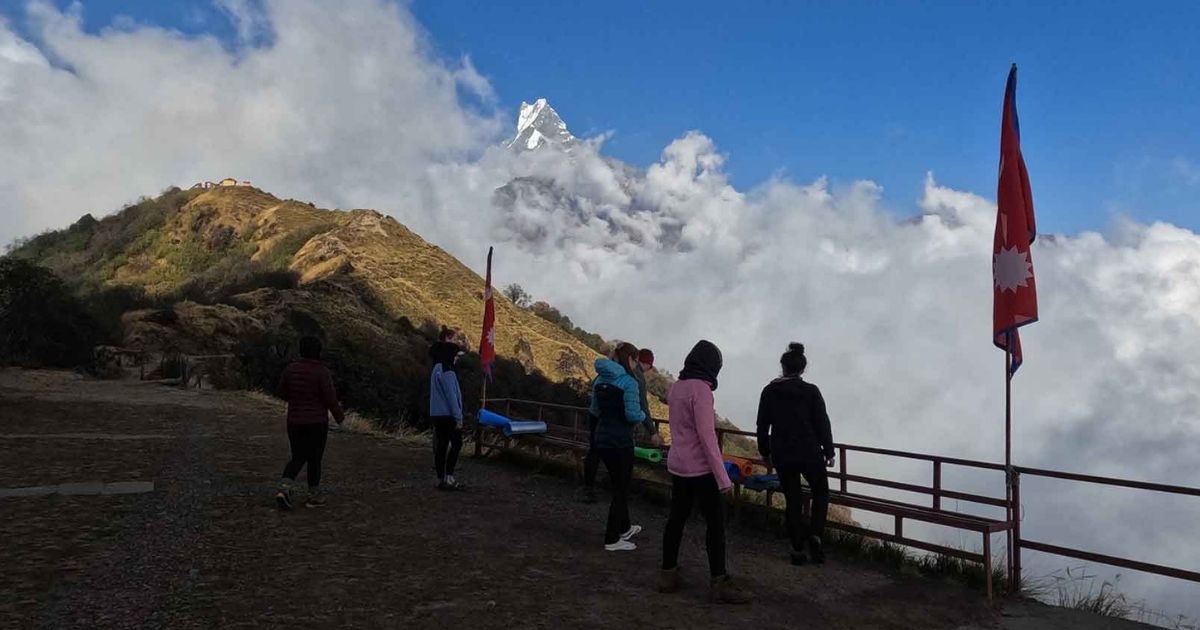
Matching your specific itinerary to align with the best time to trek ensures a highly rewarding trek. Beginners seeking warm daytime temperatures and firm trail traction will find April and October the most forgiving months for exploring the Mardi Himal trail. Meanwhile, photographers and budget-conscious solo travelers can target the late shoulder weeks of March or November to secure quiet teahouses, empty viewpoints, and excellent morning clarity without peak season logistics. Understanding how visibility, trail traction, and local facility costs shift throughout the year enables Nature Excursion to design the ultimate high-altitude itinerary tailored to your needs.
How Does Weather Affect Trek Difficulty and Safety?
Adverse weather shifts the physical difficulty of the trail from a moderate walk to a grueling endurance test. Heavy rainfall turns the lower dirt tracks into slick, muddy hazards that double your transit times and cause rapid muscle fatigue. Also, sudden drops in temperature above the tree line force your body to expend extra energy just to maintain core heat. This metabolic strain accelerates exhaustion, which makes the steep stone stairs up to High Camp feel twice as demanding. Meanwhile, high-altitude winds create a severe wind chill that saps your physical strength and slows your walking pace.
Unpredictable weather patterns also introduce severe safety risks that can jeopardize your entire expedition. Thick afternoon fog drops visibility to near zero, making navigation along the exposed, narrow ridgelines dangerous. Accumulating winter snow can completely bury the track, which creates immediate slip hazards next to steep drop-offs. Likewise, freezing rain can cause hypothermia if you do not wear proper technical layers. You must monitor real-time atmospheric changes and heed the advice of your guide to avoid getting stranded in high-altitude blizzards above 3,500 m.
How to Handle Weather Challenges?
Handling sudden weather challenges at high altitude, like on the Mardi Himal Trek, requires strict discipline, high-quality gear, and immediate communication with your team. You must monitor the sky constantly and adjust your walking schedule to beat the daily afternoon cloud buildup. If a sudden blizzard or thick fog cuts your visibility on the exposed ridge, you must stop moving and seek shelter at the nearest teahouse immediately. Do not attempt to push through heavy snow or dense mist to reach the next camp, because navigating the narrow drop-offs becomes highly dangerous. Ultimately, you must trust your guide's local terrain knowledge, pack your windproof layers in an accessible top pocket, and remain flexible enough to delay your high-altitude summit push if conditions deteriorate.
Trek Safely With the Right Plan
Trek with an experienced local team and let us help you plan around changing mountain weather, trail conditions, visibility, and altitude so you can enjoy Mardi Himal with greater confidence.
Mardi Himal Trek vs Annapurna Base Camp Trek: Which is Better for You?
Selecting between the Mardi Himal Trek and the Annapurna Base Camp (ABC) Trek comes down to your level of experience and your weather priorities. The Mardi Himal path follows a sharp, exposed ridge line that keeps you entirely above the valleys, giving you direct wind exposure but avoiding the deep shadow of the high mountain walls. Meanwhile, the ABC trail takes you deep into a massive glacial amphitheater surrounded by 8,000 m peaks, where the valley walls shield you from early winds but trap heavy clouds and humidity. Your choice should depend on whether you prefer colder, open ridge-line weather or more sheltered, high-altitude valley trekking.
| Feature | Mardi Himal Trek | Annapurna Base Camp Trek |
| Maximum Altitude | 4,500 m (Mardi Base Camp) | 4,130 m (Annapurna Base Camp) |
| Typical Duration | 5 to 6 days | 10 to 11 days |
| Weather Systems | Fast-moving ridge winds, rapid afternoon fog | Sheltered valley trekking, high humidity traps |
| Seasonal Avalanche Risk | Generally low across all months | High during the spring thaw in the Modi Khola gorge |
| Peak Crowd Levels | Moderate: Quieter teahouses on the ridge | Very high: Shared rooms are common at base camp |
| Accessibility Window | Highly accessible for short holidays | Requires longer acclimatization schedules |
| Visibility Characteristics | Sharp morning views, sudden midday whiteouts | Gradual morning light, walls trap clouds longer |
| Beginner Friendliness | Ideal for novice hikers seeking short challenges | Demanding due to thousands of stone steps |
Start fromUSD 1405USD 1237based on 3 reviews
Conclusion
The weather at Mardi Himal Base Camp dictates every aspect of your preparation, trail safety, and visual rewards on this steep ridge route. Planning your trek around the stable, crisp months of spring and autumn guarantees firm footing, manageable temperatures, and clear views of the massive Annapurna peaks. We assure you that this short trek remains highly accessible and deeply rewarding when you monitor real-time local updates and respect the daily mountain climate patterns.
Visit our website to see our complete package pricing and permit details for this trek.
Not Sure When to Trek Mardi Himal?
Not sure which season or travel dates are right for your Mardi Himal trek? Share your preferred month and trekking goals with our team and get guidance for planning your trip.