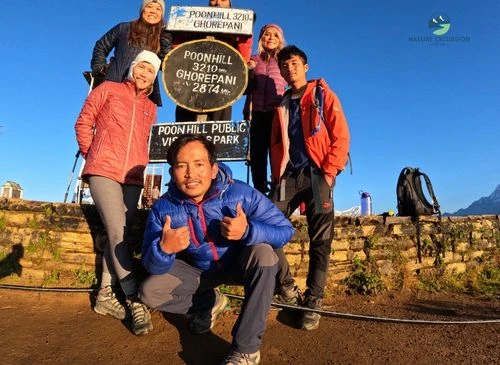
What Makes a Trekking Company Trustworthy in Nepal?
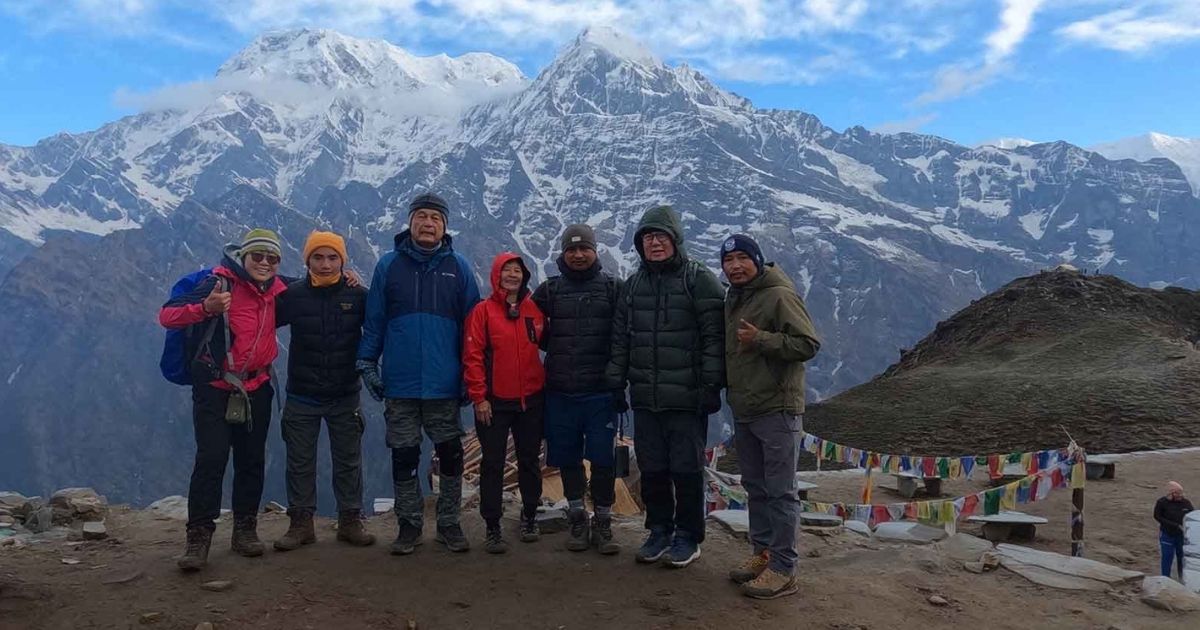
A trustworthy trek company is legally registered, open about how it works, and follows proper safety rules. It provides clear company details, itineraries with enough time to adjust to high altitude, and takes responsibility for its staff in the field.
Government Registration, Licenses, and Insurance
Trusted trekking agencies in Nepal must maintain current registrations across multiple government bodies. Never send money to an agency that cannot provide documentation for the following credentials:
- Ministry of Culture, Tourism and Civil Aviation (MoCTCA): The primary government body overseeing tourism operations.
- Department of Cottage and Small Industries: Validates local operational registration.
- Nepal Rastra Bank (NRB): Authorizes the company to accept foreign currency legally.
- Tax Clearance Certificate (PAN/VAT): Shows that the company follows the country’s tax rules.
Membership in Professional Tourism Organizations
Trusted companies are members of well-known industry groups. These groups need companies to follow proper business rules and responsible tourism practices.
- Trekking Agencies' Association of Nepal (TAAN): Regulates safety standards, guide standards, and industry wages.
- Nepal Mountaineering Association (NMA): Oversees peak climbing routes, environmental conservation, and guide certifications.
- Kathmandu Environmental Education Project (KEEP): Promotes sustainable trekking practices and porter welfare.
Experienced Local Guides
Your guide is responsible for route navigation, cultural interpretation, and emergency decisions. Licensed guides in Nepal must complete formal training through the Nepal Academy of Tourism and Hotel Management (NATHM).
“Our guide had fifteen years of Everest region experience and caught minor altitude issues before they became severe,” says Elena Rostova. “Having an experienced local who speaks fluent English changed our entire trek.”
Make sure your agency assigns guides who hold active NATHM licenses, Wilderness First Aid (WFA) certification, and proven experience on your specific route.
Explore Your Trek Options
Compare trekking routes, durations, difficulty levels, and itineraries to find a Nepal trek that matches your plans.
Transparent Pricing
Extremely cheap trekking packages often hide extra costs. Agencies offering Everest Base Camp treks for $400 to $600 frequently cut costs by underpaying staff, excluding essential meals, or requiring mandatory cash add-ons once on the trail.
A transparent pricing structure provides a full breakdown of costs upfront, clearly separating covered expenses from personal out-of-pocket items.
Cancellation Policy and Booking Flexibility
High-altitude trekking can have changing weather patterns in mountain aviation hubs like Lukla and Jomsom. Reliable agencies offer clear booking terms, including:
- Clear deposit refund percentages based on notice periods.
- Flexible rescheduling policies if international flights change.
- Clear protocols for handling weather delay costs (e.g., covering extra hotel nights or arranging alternative land routes).
Verified Reviews and Past Trekker Experiences
Check trekker reviews on different websites, look for common details and repeated experiences instead of short, general comments.
- TripAdvisor: Check for detailed descriptions of guide behavior, food quality, and emergency handling.
- Google Reviews: Look for feedback from trekkers who completed your specific route.
- Trustpilot: Verify overall business legitimacy and dispute handling.
Why Choosing the Right Trekking Company Matters?
Trekking in Nepal can mean traveling to remote places, facing sudden weather changes, and reaching very high altitudes above 5,000 meters. A good agency helps with travel plans, safety, and emergencies when unexpected problems happen.

“A properly licensed company provided immediate helicopter evacuation when acute mountain sickness hit me at High Camp,” says Mark Stevens, 42 years old. “Their guide recognized the symptoms right away and handled all satellite communications with the rescue team.”
Beyond safety, your choice impacts the local mountain economy. Reputable operators follow standards set by the International Porter Protection Group (IPPG) so that porters receive fair wages, proper clothing, shelter, and medical care when injured.
Is It Better to Book a Trek Before Arriving in Nepal?
Booking your trek online before arriving in Nepal gives you time to plan, guaranteed domestic flight seats (especially on congested Lukla or Jomsom routes), and verified permit preparation. It gives you time to check the agency’s credentials and agree on clear prices without feeling rushed.
Booking directly in Kathmandu or Pokhara gives you more flexibility and sometimes lets you negotiate the price with local agencies. However, this approach carries different risks during peak seasons (March to May and September to November). Local agencies may lack available licensed guides, domestic flights can sell out weeks in advance, and making a quick choice can increase the risk of choosing an unlicensed operator.
Questions to Ask Before Booking Your Trek
Send these direct questions to any agency representative before submitting your deposit:
- What is your official Nepal Tourism Board and TAAN registration number?
- Are all guides certified by NATHM and trained in Wilderness First Aid?
- What amount of emergency medical and life insurance coverage do you provide for your porters?
- What is the maximum weight allowance assigned per porter on this trek?
- Is the package price fixed, or are there additional costs for meals, hot water, and device charging?
- What specific emergency evacuation protocol do you follow if a trekker shows severe AMS symptoms?
- How do you handle extra expenses if domestic flights to Lukla or Jomsom are delayed by weather?
Cheap vs Premium Trekking Companies: Which Offers Better Value?
The price of a trek can affect safety, staff care, and service quality. Here is a simple comparison of budget, standard local, and premium international trekking companies
| Feature / Metric | Cheap Budget Agencies (USD 400 - 700) | Standard Local Agencies (USD 1,000 - 1,800) | Premium International (USD 2,500 - 5,000+) |
| Safety Standards | Basic or absent first aid gear; no daily oximeter checks | Daily oximeter monitoring, satellite comms, emergency protocols | Medical-grade oxygen, Western doctor support, full comms |
| Guide Experience | Junior or apprentice guides; variable English skills | Fully certified NATHM guides with 5+ years' experience. | Senior lead guides plus certified assistant guides |
| Porter Welfare | Minimal gear, low pay | Fair wages, gear provided, full medical insurance | Top-tier wages, full IPPG compliance, strict load limits |
| Accommodation | Cheapest budget teahouses; shared bath | Quality vetted teahouses; private rooms where available | Best available teahouses or luxury lodges |
| Food Selection | Basic limited menu options; meals capped | Full choice from teahouse menu; 3 meals daily included | Curated meals, supplementary imported snacks, clean water systems |
Red Flags That Indicate an Unreliable Trekking Company
Avoid doing business with agencies displaying these warnings:
- No Physical Office or Legal Licenses: Inability to provide tax IDs, VAT numbers, or Tourism Board registration details.
- Unrealistically Cheap Prices: Offers far below average market rates (USD 500 for a 14-day Everest Base Camp trek).
- Uninsured Staff: Refusal to detail guide or porter insurance coverage terms.
- Excessive Porter Loads: Statements allowing porters to carry more than 20 to 25 kg per person.
- Cash-Only Payments Without Receipts: Refusing bank transfers, credit card payments, or tax invoices.
- Zero Altitude Days: Itineraries that skip mandatory acclimatization days in places like Namche Bazaar or Manang to shorten total trip days.
Local Trekking Company vs International Tour Operator
Trekkers often choose between booking directly with a local Nepalese agency or going through a global agency based in their home country.
| Comparison Factor | Local Nepalese Trekking Agency | International Tour Operator |
| Pricing | Lower costs (eliminates middleman fees) | Higher costs (up to 100% markup for Western administration) |
| Direct Economic Impact | 100% of money stays in Nepal’s local economy | A large part of the money goes to overseas marketing and business costs. |
| Flexibility | High ability to customize routes and adapt to changes | Rigid itineraries with fixed departure schedules |
| Local Knowledge | Deep cultural roots, direct relationships with teahouse owners | Relies on local subcontractors for actual ground execution |
| Legal Protection | Regulated under Nepal Tourism Act | Regulated under home country consumer protection laws |
Why Choose Nature Excursion?
Nature Excursion is a local trekking agency based in Kathmandu. It offers licensed, clear, and responsible trekking services in the mountains of Nepal.
The company meets all government licensing requirements, including the Ministry of Culture, Tourism and Civil Aviation, TAAN, and the Nepal Mountaineering Association. Nature Excursion prioritizes mountain safety by equipping guides with high-altitude first aid certification, pulse oximeters, and direct 24/7 satellite communications for emergency evacuations.
Porters employed by Nature Excursion receive fair wages matching TAAN guidelines, full medical insurance, warm high-altitude gear, and strict load enforcement capped at 20 kg per porter. By cutting out international booking agents, Nature Excursion directs your investment into local mountain communities while maintaining flexible booking conditions and clear package pricing.
See how our trekking support, experienced team, clear planning, and personalized service can make your Nepal trekking experience easier to arrange.
Popular Trekking Packages Offered by Nature Excursion
Nature Excursion offers well-planned trips to popular mountain areas of Nepal, led by local guides and supported by local teams. Here are some popular trips offered by Nature Excursion:
Everest Base Camp Trek
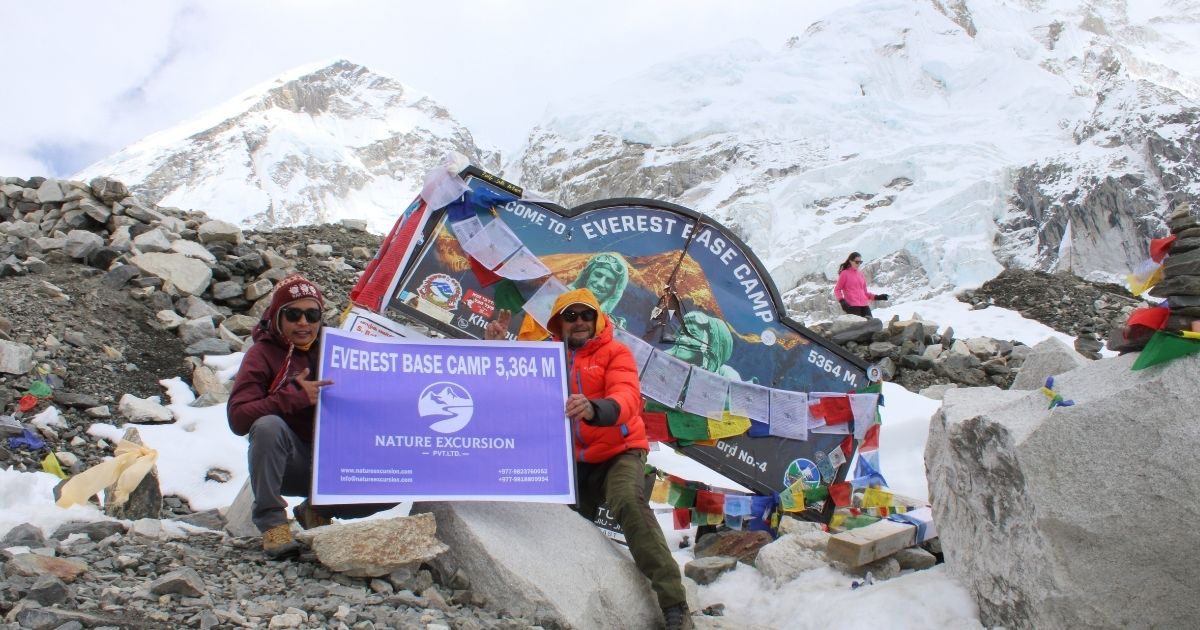
This 14-day Everest Base Camp trek itinerary takes you through the center of the Khumbu valley, reaching the foot of the world's highest peak at 5,364 m and ascending Kala Patthar at 5,545 m. The route has acclimatization stops in Namche Bazaar and Dingboche, with return domestic flights between Ramechhap/Kathmandu and Lukla.
Annapurna Circuit Trek

Covering between 12 to 16 days, the Annapurna Circuit trek roams around the Annapurna Massif, crossing the Thorong La Pass at an elevation of 5,416 m. The journey transitions from green subtropical valleys into alpine terrain with wide cultural exposure across Hindu and Buddhist mountain communities.
Langtang Valley Trek

Langtang Valley Trek is located north of Kathmandu; this 7 to 9-day trek explores the Langtang valley bordered by Tibetan peaks. It offers a shorter, accessible high-altitude experience reaching Kyanjin Ri (4,773 m), passing traditional Tamang villages and recovering local yak cheese factories.
Create Your Own Trip
Choose your destination, trekking route, travel dates, pace, and services to build an adventure that fits your plans.
Manaslu Circuit Trek

This 14-day restricted-area trek around Mount Manaslu (8,163 m). Manaslu Circuit Trek needs a special permit and an registered guide, taking trekkers across the Larkya La Pass (5,106 m) with lower trail crowds compared to Everest or Annapurna regions.
Why Our Trekking Packages Stand Out?
Nature Excursion builds every trekking package around strict safety protocols, transparent pricing, and ethical staff management.
- Fixed Transparent Pricing: The price quoted is the price you pay. Packages include all required permits, ground and air transportation, teahouse accommodation, three complete meals daily on the trail, and full staff pay.
- Uncompromised Safety Audits: Guides conduct daily morning and evening pulse oximeter readings to monitor blood oxygen saturation and heart rates.
- Certified Local Experts: Every guide assigned to your group is a native of the mountain regions, holding formal NATHM certification, Wilderness First Aid training, and years of high-altitude leading experience.
- Ethical Staff Protection: All porters receive full gear setups, high-altitude insurance coverage, and fair compensation.
- Flexible Rescheduling Support: If bad weather grounds flights, the logistics team manages alternative routing or schedule adjustments directly without administrative delays.
Which Trekking Package Is Right for You?
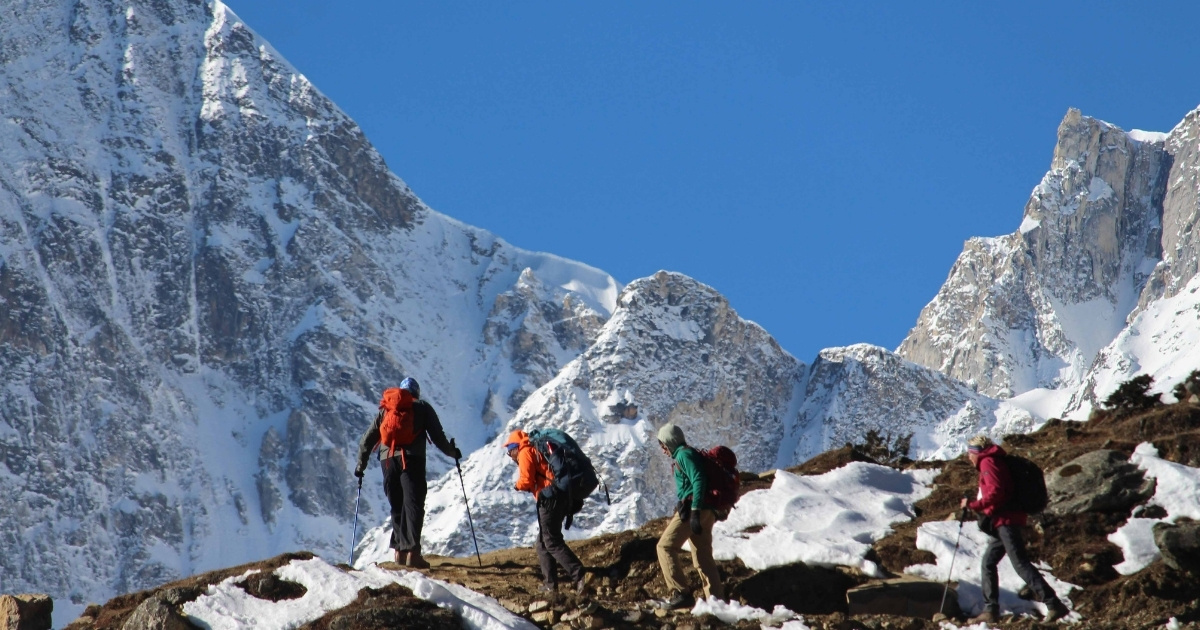
Selecting the appropriate trail depends on your personal physical fitness, high-altitude experience, available travel days, and preference for trail infrastructure.
- For First-Time Himalayan Trekkers: The Langtang Valley Trek or Ghorepani Poon Hill Trek offer moderate elevation profiles (under 4,800 m), shorter total durations (7 to 9 days), and comfortable lodge infrastructure.
- For Classic High-Altitude Seekers: The Everest Base Camp Trek or Annapurna Circuit Trek suit trekkers with strong cardiovascular fitness ready for 12 to 16 days on the trail and elevations exceeding 5,300 m.
- For Adventurous Trekkers: The Manaslu Circuit Trek or Tsum Valley Trek suit experienced walkers looking for raw cultural experiences, remote trails, and fewer crowds.
Have Questions About Your Trek?
Speak with our trekking team about routes, costs, permits, safety, and anything else you want to clarify before booking.
Conclusion
Choosing the best trekking company in Nepal requires researching government credentials, verifying staff insurance, confirming what the package includes, and avoiding prices that seem too cheap to be true. Investing time into verifying an agency guarantees that your Himalayan expedition will be professionally managed, ethically run, and safely executed.
For a reliable, safe, and ethically managed trek in Nepal, review the direct itineraries and expert services provided by Nature Excursion. Contact our local travel specialists today to start planning your mountain journey with confidence.
FAQs
How do I check if a Nepal trekking company is legally registered?
You can confirm an agency's legal status by requesting their registration numbers and verifying them on the official website of the Trekking Agencies' Association of Nepal (TAAN) and the Nepal Ministry of Culture, Tourism and Civil Aviation.
Is hiring a guide mandatory for trekking in Nepal?
Yes, the Nepal Tourism Board mandated that all foreign trekkers must hire a licensed guide when trekking in national parks and conservation areas across Nepal for safety and search-and-rescue efficiency.
What is the average cost of a guide and porter in Nepal?
A licensed English-speaking trekking guide costs between USD 30 and USD 40 per day, while a porter costs between USD 20 and 25 per day. These figures include their daily wages, food, accommodation, and required insurance.
What happens if I get severe altitude sickness on the trail?
A professional agency guide will perform an immediate health evaluation using a pulse oximeter, initiate immediate descent to lower altitude, and arrange satellite contact with the home office to launch a helicopter evacuation through your travel insurance provider if conditions get worse.
How much should I tip my guide and porter after the trek?
Tipping is a customary practice in Nepalese tourism. A standard benchmark is USD 10 to 15 per day for your guide and USD 8 to 12 per day for your porter, pooled together from the group and handed over directly on the final day of the trek.