Why Timing Matters on the Everest Base Camp Trek?
Timing matters on the EBC trek because the month you choose directly affects the weather, trail conditions, mountain views, flight schedules, and the trekker crowd on the route. Among the 4 seasons, Spring and autumn offer the most reliable conditions for trekking in the Everest region. In contrast, winter is colder and quieter, and the monsoon season brings clouds, rain, slippery trails, and flight delays.
Besides this, choosing the ideal time also helps you prepare properly. During winter, you may need to pack extra warm clothing for winter, rain protection during the monsoon, or early accommodation and flight arrangements during the busy spring and autumn months.
Plan Your Everest Base Camp Trek
Ready to follow the map and start trekking? Talk to our team for route advice, trek details, availability, and help planning your Everest adventure.
When is the Best Time to do the Everest Base Camp Trek?
The best time to do the Everest Base Camp trekis during the two main trekking seasons, Spring (March to May) and Autumn (September to November). These months offer stable weather, clear mountain views, and comfortable trekking conditions, which attract visitors from around the world.
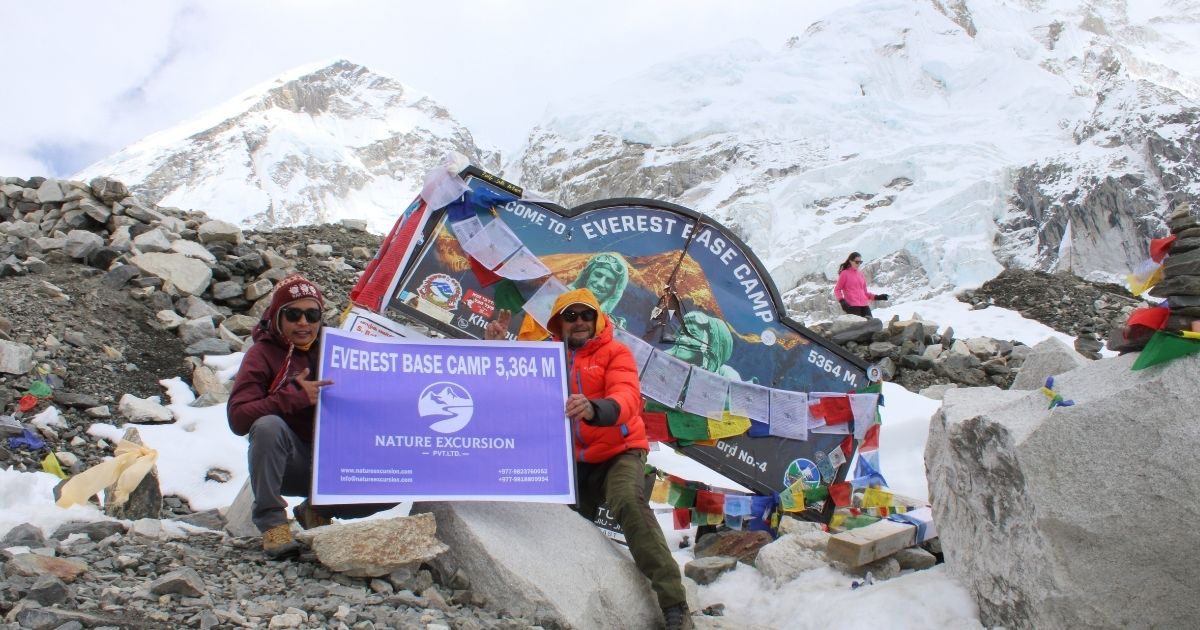
October is usually the busiest month on the Everest Base Camp trail, followed by April and early November. During these periods, hundreds of trekkers may begin the route each day, making popular villages such as Namche Bazaar, Dingboche, and Gorakshep especially busy. Teahouses can fill up quickly, and flights to Lukla may also be in high demand.
Everest Base Camp Trek in Spring (March to May)
Spring (March to May) is the best time to trek to Everest Base Camp Trek. The weather is pleasant, the scenery is stunning, the Himalayas show their most beautiful side, and you’ll see people from many places visiting. If you want a comfortable, classic Everest experience, this is the season to go.
Now, talking more about weather conditions, in lower areas like Lukla (2,860 m), daytime temperatures range from 10°C to 18°C, which feels comfortable for walking. At Namche Bazaar (3,440 m), daytime temperatures fall between 8°C and 16°C, while nights become colder, dropping to around -2°C to 5°C. Likewise, when you reach Everest Base Camp (5,364 m), you will get the coldest temperature as daytime temperatures range from -5°C to 5°C, though they can occasionally reach 8°C in late May. At night, temperatures usually fall between -15°C and -5°C. Mornings feel cold, while afternoons can feel warm, especially in late April and May.
The exciting part of the spring trekking is the blooming Rhododendron flowers, the national flower of Nepal. From March to April, the lower part of the trek trail is painted with blooming rhododendrons in bright pink, white, and red. Spring also offers some of the best mountain views of the year. When the sky is clear, you can see MountEverest, Lhotse, and Ama Dablam without clouds hiding them. You might notice a slight heat haze later in the season, but most days are clear. Flights to Lukla will also be more reliable in spring, which helps reduce delays.
The main downside of spring trekking is crowds. Spring is the most popular time, so trails and teahouses get really busy, especially in April. So, it is mandatory to book flights and accommodation in advance. The weather is mostly stable, but early March can still bring a bit of snow, and late May can see more clouds as the monsoon approaches.
Nonetheless, if you want comfortable temperatures, long daylight hours, and the best chance for clear mountain views, spring is the ideal season for your Everest Base Camp Trek.
Everest Base Camp Trek in Autumn (September to October)
Autumn, from late September to November, is another best time to trek Everest Base Camp. Autumn comes after the monsoon. Thus, after the monsoon season, the skies become clearer, the air feels fresh, and the mountain views become sharp and beautiful. Among these months, October is the best month that offers the most stable weather and the best visibility.
In lower areas such as Lukla, daytime temperatures are around 12°C to 16°C, while nights can fall to about 2°C to 6°C. As you climb higher, the weather becomes much colder. At Everest Base Camp, daytime temperatures may range from about -5°C to 5°C, and nighttime temperatures can drop to -10°C or lower. By late November, the cold becomes stronger as winter approaches.

One thing to note is that September can still have some leftover rain and cloudy days, especially at the beginning of the month. October normally brings dry weather and clear blue skies, with excellent views of Mount Everest, Lhotse, Ama Dablam, Nuptse, and other Himalayan peaks. November is also mostly dry and clear, but the mornings and nights are colder. Snow can also become more likely at higher elevations later in the month.
Autumn is also a great time to experience the local culture. Festivals such as Dashain and Tihar are often celebrated during this season, although their dates change each year. The Mani Rimdu festival at Tengboche Monastery may also take place during the trekking season, depending on the local calendar. These celebrations add color and meaning to the Everest Base Camp journey.
The main disadvantage of trekking in autumn is the number of trekkers. October is usually the busiest month, so trails, teahouses, and flights to Lukla can be crowded. So, it’s a good idea to book your flights, rooms, and trek package early to avoid problems. Late November is usually quieter, but the weather is colder, and there may be a higher chance of snow in the upper sections of the trail.
To conclude, Autumn is the best time to visit Everest Base Camp for travelers who want clear mountain views, dry trails, stable weather, and a lively trekking atmosphere. It is a good choice for first-time trekkers, families, photographers, and anyone looking for the classic Everest Base Camp Trek experience.
Planning Your Everest Trek?
Choose your ideal trekking season and prepare for the journey with the right itinerary, accommodation, permits, and essential services.
Off-Season For EBC Trekking
The off-season for the Everest Base Camp Trek in the Everest region includes the monsoon months from June to August and the winter months from December to February. During the monsoon, frequent rain can make the trails muddy and slippery, while clouds may block the mountain views. In winter, snow, icy trails, and very cold temperatures make the trek more difficult.
These months attract fewer trekkers, so the trails are quieter, and teahouses may have more available rooms. However, some lodges at higher elevations may close or offer limited services during the off-season. Flights to and from Lukla can also face delays because of rain, poor visibility, or snowfall.
Everest Base Camp Trek in Monsoon/Summer (June to August)
The monsoon season runs from June to August and usually continues to early or mid-September, and is the quietest and most challenging time for the Everest Base Camp Trek. During this time, rain is common at lower elevations, around Lukla, Phakding, and Namche Bazaar. The higher parts of the trail may receive less rain, but clouds can still cover the mountains and reduce visibility.
June marks the beginning of the rainy season, while July and August bring the heaviest rainfall. By late August and early September, the rain may begin to decrease, and the skies can slowly become clearer. Daytime temperatures in the lower villages are generally around 15°C to 22°C. At higher elevations, the weather is much colder, and nights above 4,000 m can fall below freezing.
The good part about the monsoon trek is that the rain brings fresh green landscapes, waterfalls, blooming wildflowers, and a peaceful feeling to the trail. Since far fewer trekkers visit during this season, you can enjoy quieter paths and a more relaxed stay in the mountain villages. The mist and clouds can also create a different kind of beauty for photographers who enjoy moody and natural mountain scenes.
However, monsoon trekking comes with several risks. Rain can make the lower trails muddy and slippery, while landslides may affect some sections of the route. Leeches and insects are also common in wet, forested areas. Mountain views are often obscured by clouds, and flights to and from Lukla are more likely to be delayed or canceled when visibility is poor.
If you plan to trek to Everest Base Camp during the monsoon, carry a waterproof jacket, rain pants, a backpack cover, quick-drying clothes, waterproof boots, and gaiters. Trekking poles are useful on slippery trails, while insect repellent can help in the lower areas. It is also wise to keep extra days in your itinerary in case rain affects your flight or trekking schedule.
The Everest Base Camp Trek in the monsoon is best for experienced trekkers, nature lovers, photographers, and people who prefer quiet trails over clear mountain views. It is not the ideal season for first-time trekkers or anyone visiting mainly to see Everest in bright, cloud-free weather.
Everest Base Camp Trek in Winter (December to February)
Winter is the coldest and quietest season for the Everest Base Camp Trek. From December to February, the lower parts of the trail can have sunny days, but temperatures become much colder as you gain altitude. Lukla and Namche can feel pleasant in direct sunlight, while areas near Everest Base Camp remain below freezing. Nights around Gorakshep and Everest Base Camp can fall below -15°C and may become even colder during strong cold spells.
The cold weather brings clear skies, peaceful trails, and beautiful snow-covered views. Since fewer people trek during winter, you can enjoy a quieter experience at places such as Everest Base Camp and Kala Patthar. The clear air can also create excellent views of Everest, Lhotse, Ama Dablam, and the surrounding peaks.
Winter trekking also has some challenges. Snow and ice can make the trail slippery, especially above Tengboche and near the higher parts of the route. Heavy snowfall may block some sections or make walking difficult. Some teahouses may close or provide fewer services during the coldest months, so check accommodation availability before starting your trek.
Proper preparation is important for a safe winter trek. Pack thermal layers, a warm down jacket, waterproof boots, thick gloves, a warm sleeping bag, and microspikes or trekking poles for icy sections. You should also keep extra days in your schedule because snowfall can affect the trail and flights to or from Lukla.
The Everest Base Camp Trek in winter is best for experienced trekkers who can handle extreme cold and changing trail conditions. It is a good choice for travelers who want solitude, snowy landscapes, and clear mountain views.
Everest Base Camp Weather Month by Month
The weather becomes colder as you gain altitude, so the temperatures below are approximate figures for the Everest Base Camp area. Nonetheless, days are usually warmer, while temperatures drop sharply after sunset. Weather can also change because of wind, snowfall, and cloud cover. Below is the tabular comparison of the Everest Base Camp weather month by month:
Month | Day temperature | Night temperature | Weather and trekking conditions |
January | 2°C to 7°C | -20°C to -25°C | The coldest months, with snow and icy trails. The route is quiet, and some lodges may be closed. |
February | 3°C to 8°C | -18°C to -23°C | Cold conditions continue, though the days are slowly becoming warmer. EBC trek trails are quiet too. Suitable for trekkers prepared for winter. |
March | 6°C to 12°C | -12°C to -15°C | Spring begins, bringing longer days and improving weather. Cold nights and occasional snowfall are still possible. |
April | 8°C to 14°C | -10°C to -12°C | One of the best months for trekking, with comfortable days, clear views, and flowers blooming in lower areas. |
May | 10°C to 16°C | -8°C to -10°C | Warm and suitable for trekking, especially early in the month. Clouds may increase as the monsoon approaches. |
June | 10°C to 16°C | -6°C to -10°C | Rain and clouds become more common. There are fewer trekkers, but mountain views and Lukla flights may be less reliable. |
July | 12°C to 18°C | -5°C to -8°C | Monsoon conditions bring rain, cloudy skies, wet paths, and possible flight delays. |
August | 12°C to 18°C | -5°C to -8°C | The monsoon continues, so the trail is quieter, but mountain views may be limited. |
September | 10°C to 15°C | -8°C to -12°C | Conditions usually improve toward the end of the month as rainfall decreases and the skies begin to clear. |
October | 8°C to 14°C | -10°C to -15°C | One of the most popular trekking months, with stable weather, clear skies, and excellent mountain views. |
November | 5°C to 12°C | -14°C to -18°C | Crisp, clear days are common, but temperatures become colder, particularly at night. |
December | 2°C to 8°C | -18°C to -24°C | Cold and generally clear, with fewer trekkers. Snowfall and limited lodge availability may affect the trek. |
Note: Temperatures are approximate and may vary depending on the exact location, altitude, wind, and time of day. Trekkers should carry warm layers and suitable equipment in every season.
Best Time to Visit Everest Base Camp Based on Your Travel Priorities
The best month depends on what you want from the trek. There is no single perfect time for everyone.
- For the clearest mountain views: Choose October, November, April, or early May. These months usually bring clearer skies and better views of Everest and the surrounding peaks.
- For pleasant trekking conditions: April, May, October, and early November are good choices because the days are generally comfortable and the trails are easier to walk.
- For fewer crowds: Consider late November, December, February, or early March. These months are quieter, but the colder weather requires better preparation.
- For spring scenery: Travel in March, April, or May to see blooming flowers in the lower valleys and enjoy the lively atmosphere of the climbing season.
- For lower costs: EBC Trek Cost in the winter months offers a more affordable trip because there are fewer trekkers. However, you should confirm lodge availability and prepare for very cold conditions.
- For the most reliable overall experience: Choose spring from March to May or autumn from late September to November. These are the main trekking seasons because they provide the best weather conditions, clear mountain views, manageable weather, and open services.
Plan an Everest Trip That Fits You
Want more flexibility? Adjust your Everest itinerary, trekking days, stops, and activities to match your travel preferences.
Best Time to See Everest Base Camp in Action
The best time to see Everest Base Camp filled with tents and climbers is from late April to early May. This is when many mountaineering teams stay at base camp, prepare their equipment, and make acclimatization trips before attempting to climb Mount Everest. The camp becomes lively, with colorful tents and a strong sense of adventure.

April usually offers stable weather, clear mountain views, and comfortable trekking conditions. The first half of May can also be a good time to visit, although clouds and warmer afternoons may become more common later in the month. During this period, you may see climbers preparing for their summit attempts, but the actual summit climb takes place higher on the mountain and cannot be viewed directly from base camp.
Have Questions About Your Trek?
Get quick answers about routes, costs, permits, difficulty, or travel dates from our trekking team before you book.
Conclusion
To conclude, the best time for Everest Base Camp is during spring, from March to May, and autumn, from late September to November. These seasons usually offer clear skies, stable weather, comfortable trekking conditions, and excellent views of the Himalayas. April and May are ideal if you want to see Everest Base Camp filled with tents and climbers preparing for summit attempts, while October is a great month to enjoy clear views and local festivals.
You can trek to Everest Base Camp in winter or during the monsoon season, but both require extra preparation. Monsoon brings rain, muddy trails, clouds, and possible flight delays, while winter brings freezing temperatures, snow, and icy paths. By choosing the right season and preparing properly, you can enjoy a safer, smoother, and more memorable Everest Base Camp Trek.
FAQs
Is spring or autumn better for the Everest Base Camp trek?
Both spring and autumn seasons are better for the Everest Base Camp trek. Spring, from March to May, has warmer days, and there will be blooming flowers on the lower trails. Likewise, Autumn, from late September to November, has clearer skies and more stable weather.
What is the best time to see Mount Everest clearly?
The best time to see Mount Everest clearly is October and November. These months offer the clearest views. March to May also offer the best Everest view in the morning, but clouds may build later in the day.
Can you trek to Everest Base Camp in winter?
Yes, you can trek to Everest Base Camp in winter. The good part of winter trekking is the quieter trail and clear skies. On the downside, nights are extremely cold, snow blocks parts of the trail, and some teahouses may be closed. That said, winter is better for experienced trekkers who are prepared for difficult conditions.
What is the weather like at Everest Base Camp in October?
In October, the weather will be dry, clear, and a bit cold. Days feel comfortable in the sun, but temperatures around Base Camp can fall to about -5°C to -10°C at night.
Is it possible to do the Everest Base Camp trek in the monsoon season?
Yes, it is possible to do the EBC trek in the monsoon season, but this season is not the best time for all trekkers. Frequent rain, clouds, slippery trails, leeches, and delayed flights to Lukla can make the trek harder. The trail is much quieter, though, and late August may have improving weather.
What is the coldest month to trek to Everest Base Camp?
January is the coldest month to trek to EBC, with February also very cold. Temperatures at night can drop below -20°C at Base Camp.
What should I pack for the Everest Base Camp trek in different seasons?
- Spring: Warm layers, fleece down jacket, rain jacket, gloves, hat, and sunglasses.
- Autumn: Similar clothing to spring, including a warm down jacket for cold mornings and nights.
- Monsoon: Waterproof jacket and trousers, waterproof backpack cover, quick-drying clothes, and good shoes with grip.
- Winter: Heavy down jacket, warm thermal layers, thick gloves, a warm hat, sleeping bag rated for very cold weather, and extra socks.
Is April a good month to trek to Everest Base Camp?
Yes. April is one of the best months for the trek. The weather is stable, the days are getting warmer, and the hills have colorful rhododendron flowers. It is also a busy month, so book accommodation and flights early.
How crowded is the Everest Base Camp trail in peak season?
The Everest Base Camp trail becomes very crowded during the peak seasons (Autumn and Spring). You will share the path with hundreds of trekkers from all over the world, and popular teahouses can fill up quickly.
What is the best time to avoid crowds on the EBC trek?
The best time to avoid crowds on the EBC trek is early March, late May, late September, or November. These months are quieter than the main peak periods but can have colder weather or less predictable conditions. For the best balance of quieter trails and decent weather, late September or November is a good choice.
Is the Everest Base Camp trek dangerous in winter?
Winter does not automatically make the EBC trek dangerous, but it does make it more challenging. Extreme cold, snow, icy paths, shorter daylight hours, and closed teahouses can create problems. Thus, for winter trekking, we recommend going with an experienced guide, checking trail conditions, and allowing extra time in case of delays.
Is September a good time for the Everest Base Camp trek?
Yes, September is a good time for the Everest Base Camp trek, especially in the second half of September. During this time, monsoon rains usually begin to taper off, the trails become less crowded than in October, and the mountain views often improve. However, early September can still be wet and cloudy.
What is the cheapest time to trek to Everest Base Camp?
The monsoon months, June to August, and the winter months, December to February, are cheaper times to trek to EBC because fewer people trek then. Thus, you may find lower prices for guides, tours, and rooms. But note that flight delays and closed teahouses can affect your plans.
How many days does it take to complete the Everest Base Camp trek?
Most standard itineraries take 12 to 14 days from Kathmandu to Kathmandu. This includes rest days for acclimatization. Some trips take longer if they include extra days, bad-weather delays, or a slower walking pace.
What is the best time to see Everest Base Camp without altitude sickness risk?
There is no best time to see the base of Mount Everest without the risk of altitude sickness. Since you reached the highest altitude of 5,364 m during the trek, the risk will remain the same regardless of when you trek. To minimize the risk of altitude sickness, build a slow itinerary with enough acclimatization days, drink enough water, and avoid walking higher when you have symptoms.
Is it better to trek to Everest Base Camp in March or May?
Both March and May are better months to trek to EBC. March is quieter and cooler, with a higher chance of cold weather. May is warmer and still offers good trekking conditions, but it is usually busier, and clouds may appear more often later in the day. Thus, choose March for quieter trails and May for warmer weather.
When should I book my trek and flights to Lukla for the best weather?
For spring or autumn, book your trek and Lukla flights several months ahead, especially for April, May, and October. Allow one or two extra days in Kathmandu, as flights can be delayed by poor weather even during the main trekking seasons. Book flexible tickets if possible, and confirm the flight schedule with your trekking company before traveling.


.webp)