Is March a Great Month for the Everest Base Camp Trek?
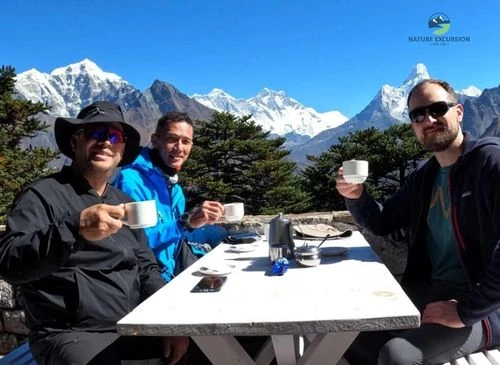
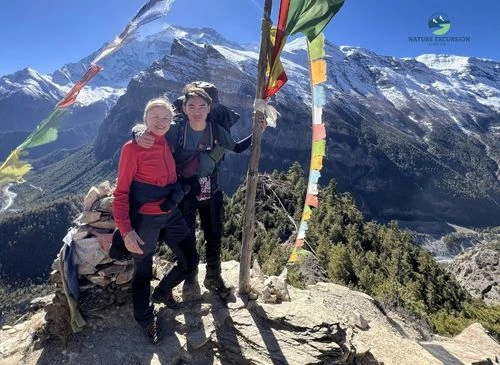
To be real, March is a really good time to do the Everest Base Camp Trek. March sits right at the transition between winter and spring, and that balance makes it perfect for trekkers who want clearer skies without the big crowds of peak season. You’ll get longer daylight hours and pleasant weather than in winter, and teahouses usually have rooms available, something that can get tricky in April. That said, it’s not as forgiving as full spring, but it rewards those who come prepared.
Here’s what you might notice in March:
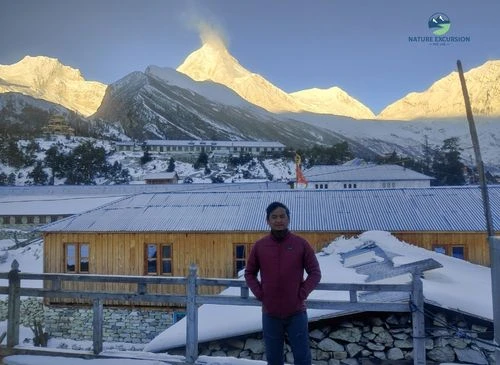
- Stable weather and clearer skies compared to winter: By March, the worst of the winter snow is behind you. Days are mostly dry, visibility improves, and the mountains shine. Nights are still cold, but that’s part of the high-altitude adventure.
- Temperatures rise toward late March: In early March, conditions can still feel like winter, but as the month progresses, daytime trekking becomes noticeably more comfortable.
- First signs of spring: Lower down, around Lukla, Phakding, and below Namche, rhododendrons and other flowers begin to bloom. It’s subtle, but adds a splash of color along the trail.
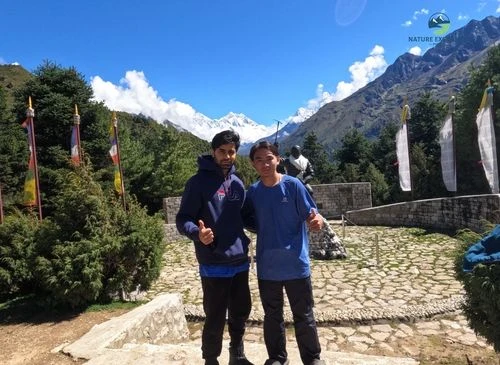
- Less crowded than April or October: March is quieter than the peak trekking months. This means less congestion on narrow trails and a better chance of getting warmer, more comfortable teahouse rooms.
- Good visibility for flights (with possible delays): Morning flights tend to be clear, though mountain weather is always unpredictable. It’s smart to plan a buffer day just in case.
Planning Everest Base Camp in March?
Talk to our team about March weather, trail conditions, temperatures, accommodation, packing, and what to expect during the trek.
Everest Base Camp Weather and Temperature in March

Now, let’s talk about what March feels like on the trail. Days are usually bright, with the sun making trekking feel pleasant and comfortable. But don’t underestimate frosty early hours, especially above 4,000 m. Around Lobuche, Gorakshep, and Kala Patthar, even sunny days can feel much colder because of strong winds. Likewise, with mostly clear skies, UV exposure remains high. So, one needs to wear sunglasses, sunscreen, and lip balm, even if it feels chilly.
Here’s a rough idea of temperatures along the route in March:
| Place | Altitude | Day Temp | Night Temp | Conditions |
|---|
| Lukla | 2,860 m | 5°C–10°C | 0°C to –3°C | Cool, occasional clouds, blooming greenery |
| Namche Bazaar | 3,440 m | 2°C–8°C | –5°C to –8°C | Clear days, chilly nights, |
| Tengboche | 3,860 m | 0°C to 5°C | –6°C to –10°C | Breezy ridge |
| Dingboche | 4,410 m | –3°C to 5°C | –8°C to –12°C | Cold, mostly dry |
| Lobuche | 4,940 m | –5°C to 2°C | –10°C to –14°C | Rocky moraines and frozen streams (common in March) |
| Gorakshep | 5,164 m | –6°C to 1°C | –12°C to –16°C | Thin air and sub-zero lodges |
| Everest Base Camp / Kala Patthar | 5,364–5,545 m | –5°C to 2°C | –10°C to –15°C | Maximum exposure, high winds, and intense cold. |
Note: Temperatures vary based on weather patterns and time of day, but this gives a realistic expectation for March.
Difficulty of the Everest Base Camp Trek in March
In terms of difficulty, the Everest Base Camp trek in March is best described as moderate to challenging. mainly due to altitude and long daily walking rather than technical difficulty. Trekkers should be prepared to walk 5 to 7 hours per day on uneven Himalayan trails while gradually ascending from 2,800 m in Lukla to 5,364 m at Everest Base Camp. That steady climb makes stamina and patience more important than speed throughout the trek.
Furthermore, March does not significantly change the route’s difficulty, but early spring conditions introduce a few additional challenges. Mornings and nights are cold, and higher areas like Dingboche, Lobuche, and Kala Patthar can have icy or snowy sections. The air is also very dry, so drinking enough water and wearing proper layers really matters. Temperatures at Everest Base Camp in March can drop to –10°C to –15°C at night, while daytime temperatures usually stay between –5°C and 2°C, depending on weather and wind.
Altitude is the biggest challenge on the trek to Everest Base Camp. Above 3,500 m, thinner air can cause headaches, tiredness, or poor sleep. That’s why itineraries include acclimatization days in Namche Bazaar and Dingboche. Furthermore, the trail involves frequent ascents and descents, crossing suspension bridges, rocky paths, and narrow tracks. It’s not technical, but a good balance is required. The total trekking distance is around 130 km, but it can feel longer due to the altitude and changing terrain.
Suggested Everest Base Camp March Itinerary (14 Days)
This 14-day EBC trek in March is designed to be safe, comfortable, and gradual. With two acclimatization days built in, it gives your body time to adjust to the altitude while enjoying clear spring skies and quieter trails.
- Day 1: Arrival in Kathmandu
You land in Kathmandu. You use the day to catch up on rest, check your gear, and maybe go for a short walk around the city to stretch your legs. - Day 2: Fly to Lukla and trek to Phakding
In the morning, you take a short but scenic 35-minute flight to Lukla, the gateway to the Everest region. From there, you start with a gentle 3–4 hour walk to Phakding along the Dudh Koshi River. It’s mostly downhill, so it’s a nice way to get your legs moving and start adjusting to the altitude. - Day 3: Trek from Phakding to Namche Bazaar
Today is your first big climb. You’ll trek for 5–6 hours, crossing several suspension bridges, including the famous Hillary Bridge, before heading uphill to Namche Bazaar. Go slow, take breaks, and enjoy the first big Himalayan views. - Day 4: Acclimatization in Namche Bazaar
It's a first rest day. You’ll do a short hike to places like Everest View Hotel or Syangboche Airstrip, then return to sleep in Namche. This “walk high, sleep low” approach helps your body adapt while giving you time to explore the bustling town. - Day 5: Trek from Namche Bazaar to Tengboche
A 5-hour trek that mixes downhill and uphill walking. You descend to the river, then steadily climb to Tengboche, home to the region’s famous monastery. In March, the skies are usually clear and give great views of Mount Everest and Ama Dablam. - Day 6: Trek from Tengboche to Dingboche
The trail continues for 5–6 hours, passing through Deboche and Pangboche. Forests slowly disappear, and the landscape becomes more open and alpine as you gain altitude and approach Dingboche. - Day 7: Acclimatization in Dingboche
Another important rest day. You will hike to Nangkartshang Viewpoint for stunning panoramas, then return to Dingboche to hydrate, rest, and let your body adjust before heading higher. - Day 8: Trek from Dingboche to Lobuche
A 4–5 hour trek with gradual climbs. You will pass the memorials at Thukla Pass, a moving section of the trail honoring climbers, before reaching Lobuche, a small settlement near the glacier. - Day 9: Trek from Lobuche to Everest Base Camp and back to Gorakshep
It is one of the longest days that involves a 7-hour walk. You will trek to Gorakshep, then continue to Everest Base Camp (5,364 m). After soaking in the views at Base Camp, you return to Gorakshep for the night. It's truly a highlight of the Everest trek. - Day 10: Hike to Kala Patthar and trek to Pangboche
You will start early to hike Kala Patthar for sunrise views of Everest. Afterward, you descend past Lobuche, Thukla, and Dingboche, continuing down to Pangboche. The lower altitude makes breathing easier. - Day 11: Trek from Pangboche to Namche Bazaar
A mostly downhill trek of 5–6 hours, with a few short climbs along the way. You retrace your steps through Tengboche and return to Namche Bazaar.
- Day 12: Trek from Namche Bazaar to Lukla
A long day of 7–8 hours, mostly descending through familiar villages and suspension bridges. The final climb into Lukla marks the end of your trekking section. - Day 13: Fly from Lukla to Kathmandu
You will take a morning flight back to Kathmandu. March generally has stable, mild weather, but delays are still possible, so we recommend a buffer. - Day 14: Final Departure
Your Everest Base Camp adventure ends today. Say goodbye to the mountains and the team, and take home memories that will last a lifetime.
Build your Own Trek That Fits You
Choose your preferred destination, itinerary, travel dates, and trip style to create a trek that fits your plans.
Pros and Cons of Trekking in March
March offers a mix of early-season calm and improving spring conditions. But, like any shoulder season, it has both strong points and a few things you should be ready for.
Pros of trekking in March
- Clear views and great visibility: March often brings crisp, clear mornings, which means excellent mountain scenery. If you enjoy photography or simply want those classic Everest views, this month delivers more often than not.
- A fresh start to the trekking season: You might notice the trails feel quieter and less worn compared to peak months. There’s a nice feeling of the season just beginning, rather than trekking in the middle of a crowd.
- Moderate crowds: You won’t be alone, but it’s far from overcrowded. March is noticeably calmer than April, making narrow trails and teahouses easier to manage.
- Better teahouse room choices: With fewer trekkers around, it’s usually easier to get a warmer, more comfortable room. You’re less likely to end up in drafty corners or overflow spaces, which really helps on cold nights.
Cons of trekking in March
- Cold nights at higher altitudes: Once the sun sets, temperatures drop quickly. Above Namche, and especially near Base Camp, nights can feel very cold, so good sleeping gear is essential.
- Some leftover snow or ice: Especially in early March, you might come across icy or snowy patches on shaded trails and higher sections. It’s manageable, but you do need to walk carefully.
- Possible flight delays: March generally has decent flying conditions, but Lukla flights are always weather-dependent. Delays or cancellations can still happen.
Food and Accommodation During the EBC Trek in March
You might want to know about the food and accommodation conditions during March. Honestly, it’s better than many people expect. Throughout the trek, you will stay in traditional teahouses with twin-sharing rooms, each with a bed, mattress, and blanket. Rooms are basic but clean, with shared toilets in most places above Namche. Hot showers are common in lower villages. Higher up, you’ll often find bucket showers or paid hot-water options instead. This is where a warm sleeping bag really matters, especially from Dingboche onward.
When it comes to food, teahouse menus stay fairly consistent throughout March. You’ll find a mix of local and simple international meals made to keep you energized. Dal bhat is the most popular and reliable choice, especially at higher altitudes, because it’s filling and gives you steady energy. Other common options include noodles, fried rice, pasta, soups, eggs, and pancakes. They are freshly cooked using locally available ingredients.
Travel Tips for Everest Base Camp Trek in March

Below are some real, practical tips you can consider for trekking to Everest Base Camp in March to make your experience comfortable and stress-free.
- Plan for cold mornings and warm afternoons: Mornings, especially above Namche, can be freezing, but once the sun comes out, it actually feels quite warm. So instead of one heavy jacket, dress in layers. That way, you can easily add or remove clothes as the temperature changes.
- Start walking early, but not too early: Mornings usually have the clearest skies and best views. However, starting before sunrise means walking in the bitter cold. It’s best to start after a relaxed breakfast to make the trekking experience more enjoyable in March.
- Build buffer days into your plan: March has better flying conditions than winter, but Lukla flights are still unpredictable. The weather can change quickly. Adding one or two buffer days gives you breathing room if flights get delayed and also helps with acclimatization.
- Walk slowly and focus on acclimatization: This is important. March isn’t the time to rush. Cold weather can sometimes hide early signs of altitude sickness. Walk slowly, drink plenty of water, and take an acclimatization days, even if you feel fine.
- Know your fitness level: Be honest with yourself. The trek has long days, steady climbs, and thin air. Some cardio and endurance training before your trip will make everything feel more manageable and more enjoyable.
- Stick to warm meals and drinks: At higher elevations, it’s best to keep things simple. Eat hot, freshly cooked food and avoid cold or raw meals. Warm drinks support hydration and help maintain your body temperature during chilly evenings.
- Carry a proper sleeping bag: Even though teahouses provide blankets, they’re not enough on cold March nights. So, carry a good sleeping bag rated around –15°C to –20°C to cope with freezing temperatures.
- Stay hydrated, even when you don’t feel thirsty: The air is very dry, and dehydration sneaks up fast. Drink water regularly, carry a refillable bottle, and use purification tablets or a filter so you can refill safely along the trail.
- Prepare for limited Wi-Fi and charging: As you go higher, Wi-Fi becomes slower, patchy, or nonexistent. Charging usually costs extra. Bring a power bank so your phone or camera doesn’t die when you really want it.
- Use sun protection every single day: This surprises many people. Even when it’s cold, clear March skies mean intense UV rays. So, it’s essential that you wear sunglasses, sunscreen, and lip balm.
Plan Your Everest Base Camp Trek
Ready to trek Everest Base Camp in March? Explore the itinerary, route, duration, altitude, and essential trip details before choosing your travel dates.
What to Pack for Everest Base Camp in March
Now, let’s talk about packing. Since you will be dealing with cold mornings and nights, sunny but cool daytime walks, and the chance of snow or ice patches as you get higher up, you need to pack smartly. Here are some of the most important things you should pack during your trek to Everest Base Camp in March:
- Long-sleeve t-shirts
- Fleece jacket
- Down jacket
- Trekking pants
- Thermal leggings
- Hiking boots
- Trekking socks
- Gloves
- Duffel Bag (65L-80L)
- Sleeping bag rated for -15°C to -20°C
- Polarized Sunglasses
- Headlamp with extra batteries
- Trekking Poles
- Micro-spikes
- Water bottle
- Sun Protection: SPF 50+ sunscreen, SPF lip balm, and a wide-brimmed sun hat.
- High-energy snacks
Duration:10 DaysStart fromUSD 5500USD 4580based on 5 reviews
Conclusion
This way, trekking to Everest Base Camp in March is a great way to experience the Khumbu Himalayas just as winter slowly gives way to spring. This month offers a really nice balance. The air remains crisp and fresh, the mountain views are clear, and the forests along the Khumbu trail are beginning to come back to life after winter. Since March marks the beginning of Nepal’s main trekking season, the trails feel active but not overcrowded like they can be in April. However, you still need to be prepared for cold mornings and nights, especially higher up, but overall, the conditions are comfortable for trekking.
So, what are you waiting for? Plan your Everest Base Camp Trek in March and fulfill your dream of standing at the foot of the world’s highest peak, Mount Everest.