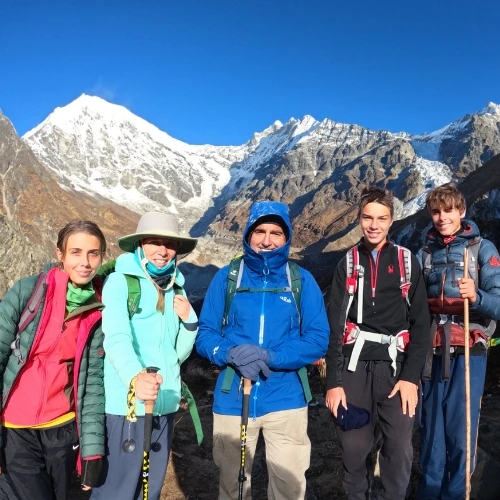
Everest Base Camp trek vs Annapurna Base Camp trek
By Raju GurungPublished Updated 11 min read
Everest Base Camp Trek Vs Annapurna Base Camp Trek, which one wins the debate and why? Let's get to know through this blog post:
The Everest Base Camp Trek (EBC) is one of the trekker’s most loved trekking trails. It leads trekkers to the base of the world's highest mountain, Mount Everest, standing at 8,848.86 m. The trek lies in the Khumbu region of Nepal, takes about 12-14 days to complete, and includes reaching the base camp and hiking to Kala Patthar at 5,545 m. The majestic views of the Khumbu mountains, including Everest, Ama Dablam, and Thamserku, along with a close encounter with Sherpa culture, make this trek special.
Likewise, Annapurna Base Camp Trek (ABC) is also among the most popular trekking trails in Nepal. It is known for its stunning beauty, easy trails, accessibility, and encounters with the unique Gurung and Magar cultures. The ABC trek can take 7-10 days, during which trekkers hike daily to reach an altitude of 4,130 m at Annapurna Base Camp. Standing at Base Camp, trekkers can witness stunning views of mountains such as Annapurna I, III, Fishtail, and Dhaulagiri.
The Quick Comparison: EBC vs. ABC at a Glance
Factor
Everest Base Camp (EBC) Trek
Annapurna Base Camp (ABC) Trek
Base Camp Altitude
5,364 m
4,130 m
Typical Trek Duration
12–14 days
7–10 days
Difficulty Level
Challenging
Moderate
Trek Distance (Round Trip)
~130–140 km
~70–100 km
Altitude Sickness Risk
Higher (long time above 4,000 m)
Moderate (shorter exposure above 3,000 m)
Cost Range (Approx. 2026)
USD 1,200 – 2,000
USD 800 – 1,200
Accessibility
Required flight to Lukla (which is often delayed)
Easy road access from Pokhara
Acclimatization Days
2–3 days mandatory
1 day is usually enough
Landscape Style
Glaciers, high alpine terrain, giant peaks
Forests, villages, waterfalls, and alpine basins
Cultural Experience
Sherpa Buddhist culture, monasteries like Tengboche Monastery
Gurung & Magar villages, mixed culture
Best Season
Spring & Autumn
Spring, Autumn (wider window possible)
Best For
High-altitude challenge seekers
Shorter, scenic Himalayan experience
Need Help Choosing Between EBC and ABC?
Not sure which base camp trek is right for you? Talk to our trekking experts on WhatsApp about difficulty, altitude, duration, scenery, budget, and the best time to trek.
Duration, Distance, and Difficulty of Everest vs Annapurna Base Camp Trek
Everest Base Camp (EBC)and Annapurna Base Camp (ABC) differ greatly in duration, distance, and overall difficulty. EBC takes more time and reaches a higher altitude. Whereas ABC is shorter and more compact. Understanding these differences helps trekkers choose the right trek.
Trek Duration: How Many Days For Both Treks?
The EBC trek usually takes 12-14 days, while the ABC trek is shorter, taking 7-10 days. In the EBC trek, rest days are included in Namche and Dingboche, while there are no rest days or just 1 day while experiencing ABC, mainly due to low altitude and quick distance between teahouses. During EBC, the trek at high altitude lingers, while in ABC the trail gains altitude faster but descends more easily, making it ideal for trekkers with limited time.
Altitude and Difficulty: Is Everest Camp Harder Than Annapurna Camp?
kala patthar hike
EBC stands much higher than ABC at 5,364 m compared to 4,130 m. The higher altitude makes breathing harder and slows walking speed. The trek to Everest Base Camp also includes longer hiking days. However, the Annapurna Base Camp trek has more stone steps and steep climbs. Overall, EBC feels more physically demanding mainly because of its higher altitude.
Fitness Level and Experience Required for EBC vs ABC Treks
Everest Base Camp is tough and requires you to be fit and mentally strong. You’ll be walking a lot on uneven paths. The cold weather and thin air at high altitude make breathing harder, especially when you are about to reach Everest Base Camp. While some trekking experience helps, it’s not required. On the other hand, Annapurna Base Camp is great for beginners with basic fitness levels. Just doing regular cardio and some leg workouts will prepare you well for that trek.
Scenery, Culture, and Experiences
Both treks to EBC and ABC offer stunning natural landscapes and unique cultural experiences. EBC focuses on incredible high-altitude views and Sherpa culture, while the Annapurna Base Camp trek mixes beautiful scenery with Gurung and Magar village culture. It really comes down to what kind of scenery and culture you want to experience or have encountered before.
Mountain Views: Everest Panorama vs Annapurna Amphitheater
The trek to EBC offers stunning panoramic views of peaks such as Mount Everest, Lhotse, Nuptse, and Ama Dablam, along with open valleys and high elevations. Whereas the ABC trek leads you into a natural amphitheater surrounded by Annapurna I, Machhapuchhre, and Hiunchuli, creating a more beautiful and immersive experience.
Landscapes and Trail Experience: Khumbu Valley vs Annapurna Region
The Khumbu Valley is a high-altitude arena. Once you walk past Namche Bazaar (3,440 m), the trees disappear, and you enter a landscape of rock, ice, and frozen ground. The trail is rough and involves crossing many high suspension bridges. Along the way, you will share the path with Yaks. Meanwhile, the Annapurna region offers a wider range of scenery. Here, you will walk through the forest areas, terraced farming in the means of agriculture, falling waterfalls from higher areas, and large flat meadows at high altitudes. This variety not only enhances the trek's beauty but also creates a unique experience for hikers.
Local Culture: Sherpa Villages on EBC vs Gurung/Magar Villages on ABC
lodges at Himalaya Village
The EBC trek passes through Sherpa villages such as Namche Bazaar and Tengboche, where Tibetan Buddhist culture and monasteries are showcased. The Sherpa people are closely linked to mountaineering. Similarly, the ABC trek features Gurung and Magar villages such as Ghandruk and Chhomrong, highlighting traditional stone houses, farming, and friendly hospitality. There are more opportunities for cultural interaction along the ABC route.
Best Photography Spots on EBC and ABC Treks
Both EBC and ABC offer excellent photography opportunities. Light, weather, and seasons affect the views. So, you must take these factors into consideration before deciding on the best location for photography. Here are the popular photo stops in both regions:
Location
Region
Best Time
Scenery to Capture
Kala Patthar
EBC
Sunset/Sunrise
The Golden Face of Everest and the massive Khumbu icefall.
Tengboche
EBC
Morning
The monastery gateway with Ama Dablam framed in the center.
Lukla Airport
EBC
Arrival
High-action shots of Twin Otter planes landing on a steep, cliff-side runway.
Everest View Hotel
EBC
Morning
A 360-degree skyline of Everest, Lhotse, and Ama Dablam from the terrace.
Dingboche
EBC
Afternoon
Ancient stone walls and high-altitude barley fields leading to the peaks.
Thukla Pass
EBC
Mid-day
Powerful, emotional stone monuments and prayer flags.
Annapurna Base Camp
ABC
Sunrise
A 360-degree circle of giant white mountains all around you.
Machhapuchhre Base Camp
ABC
Blue Hour
The sharp Fishtail peak against a dark blue sky.
Poon Hill
ABC
Sunrise
Annapurna and Dhaulagiri mountains glowing orange as the sun comes up.
Tadapani
ABC
Afternoon
White mountain peaks framed by bright red and pink blooming rhododendrons.
Chhomrong
ABC
Afternoon
Long stone stairs and local houses built on a steep hill.
Modi Khola
ABC
Mid-day
Suspension bridges hanging over a bright blue river.
Accommodation, Food, and Comfort
EBC and ABC are both high-altitude treks, in which trekkers travel from teahouse to teahouse. Trekkers stay in local lodges that provide rooms and meals along the route. In both treks, food and accommodation are simple and hearty. In both regions, the national fuel is Dal Bhat (lentils, rice, and vegetable curry). It is the best value because it comes with free refills. However, the food culture in each region has its own unique flavor. Likewise, the level of comfort, variety, and cost differs noticeably between the two trails, largely due to altitude, trail accessibility, and local supply logistics.
Teahouse Accommodation: What to Expect on Annapurna Vs. Everest Base Camp Trek
In the lower Khumbu (Namche and Lukla), you can find luxury teahouses with electric blankets and heated rooms. However, once you pass Dingboche and Gorakshep, rooms become very basic with thin plywood walls and no heating. Also, you have to share the bathroom.
accommodation at ABC
Likewise, on the Annapurna Base Camp Trek, the lower villages such as Ghorepani and Chhomrong offer cozy lodges, colorful gardens, and hot showers. As you enter the Annapurna Sanctuary (above Himalaya), the government limits the number of teahouses to protect the environment. Because of this, lodges in the upper areas keep things simple. You can find private toilets in the lower villages. Once you reach MBC and ABC, bathrooms are usually shared.
Choose Your Himalayan Trek
Still deciding between Everest Base Camp and Annapurna Base Camp? Explore the route, itinerary, highlights, difficulty, and essential details of each trek before choosing your adventure.
Food and Facilities on the Trail: Everest Region vs Annapurna Region
On the EBC Trek, the menu primarily features Nepali dishes such as dal bhat (rice and lentils), noodles, soups, momos, and basic Western options like pizza and pasta. The menu is extensive, with options such as bakery items and espresso even at 4,000 m. But as you trek higher after Tengboche, prices rise because supplies must be carried over long distances. At high altitudes after Namche, meat is not fresh, so trekkers are advised to avoid it.
On the ABC trail, food options are more varied and affordable due to its proximity to roads and restocking points. You'll find fresh produce, pancakes, local breads, and bakery items. At the lower heights (up to Chhomrong), the food is incredibly fresh, with vegetables often picked straight from the garden for your meal. But after you enter Annapurna Sanctuary, teahouses often have shared menus (meaning every lodge serves the same food) to reduce waste.
Wi‑Fi, Charging, and Hot Showers: Facilities on Each Trek
On the EBC trail, Wi-Fi and charging are common in lower villages like Lukla and Namche Bazaar. These services become slower, less reliable, and more expensive at higher stops such as Dingboche and Gorakshep. Hot showers usually cost extra and rely on solar heating, which works best in the afternoon and is limited at higher elevations. The good thing is that most teahouses now offer Starlink Wi-Fi and charging stations, but expect to pay a fee (USD 5–10) as you go higher.
On the ABC trail, these facilities are generally more accessible and cheaper at many stops, especially at mid-altitude lodges such as Ghorepani, Chhomrong, and Bamboo. Even at higher points such as Deurali and Machhapuchhre Base Camp, some lodges still offer charging and hot showers, though availability can be unpredictable. At the highest elevations on both treks, services are dependent heavily on weather and teahouse capacity.
Seasons, Crowds, and Altitude Sickness
To have a successful trek, it’s important to pick the right season and to understand how crowds and altitude sickness can affect your experience. Both EBC and ABC treks have defined trekking seasons and share similar challenges at high altitudes. However, compared to ABC, EBC attracts more international crowds, which is why it is more crowded. Furthermore, it also takes trekkers to high altitude, making them more prone to altitude sickness.
Best Time to Trek: EBC vs ABC by Season
The best seasons for both the Everest Base Camp and Annapurna Base Camp treks are Spring (March to May) and Autumn (September to November) when the weather is most stable, skies are clearer, and temperatures are moderate for walking and views. In Spring, the rhododendron forests at ABC bloom, creating a lush landscape. EBC has warmer weather and clearer mountain views after the monsoon. Autumn is the best season for clear views on both treks because the monsoon removes dust and clouds, resulting in crisp air and great visibility.
Naturally, the weather and temperature of both the EBC and ABC treks differ due to altitude. The Everest Base Camp trek is exposed to high elevations, so it is colder. Here, daytime temperatures range from around -10°C to 15°C higher up, while nights drop sharply, making conditions unpredictable.
Annapurna Base Camp is at a lower altitude than EBC. Here, daytime temperatures are warmer, ranging from 0°C to 20°C. For both treks, the off-trek seasons, like monsoon and winter, bring more difficulty. In the Everest region, monsoons and winters bring floods, avalanches, and extreme snowstorms, while in ABC, landslides, soil erosion, and insect infestations are quite common.
Crowds and Trail Traffic
EBC is usually more crowded than ABC, especially during peak seasons in spring and autumn. Its international fame and the popularity of Everest expeditions attract many trekkers, particularly on the trail from Lukla to Namche Bazaar. Mornings can feel especially busy when many groups start their trek after arriving by flight to Lukla.
Crowd at EBC Trek
ABC attracts many trekkers during peak times, but the crowd is more dispersed along the trail, reducing bottlenecks and creating a quieter atmosphere. The teahouses at ABC tend to feel more intimate compared to the busier dining areas on the EBC trails.
Plan Your Perfect Base Camp Trek
Can't decide between Everest Base Camp and Annapurna Base Camp? Create a trekking plan based on your available time, fitness level, preferred route, budget, and Himalayan experience.
As both treks reach altitudes well over 2,500 m, altitude affects trekkers on both. However, at EBC, due to its higher elevation, it carries a higher risk. The highest overnight stay point at EBC is Gorakshep, which is higher than 5,000 m. Furthermore, trekkers will reach Kala Patthar, the highest point on the trek, at 5.545 m. This means trekkers must spend multiple nights above 4,000 m, requiring mandatory acclimatization days in places like Namche and Dingboche to minimize the risk of AMS.
Meanwhile, ABC's highest elevation is at the base camp itself at 4,130 m. While altitude sickness remains a risk, it is less common and generally milder because the ascent is more gradual day to day. Most standard ABC itineraries do not require additional acclimatization days, as there is ample time to rest between trekking segments.
Overall, both the EBC and ABC are unforgettable and iconic treks in Nepal. However, they suit different types of trekkers. EBC is ideal for a high-altitude challenge in the Himalayas, offering a chance to explore Sagarmatha National Park, hike along the Khumbu Glacier, and take in iconic mountain views at the foot of the highest mountain in the world, Mt. Everest. Trekkers must also be prepared for colder weather, long duration, and the risk of altitude sickness.
ABC is better if you prefer a shorter trek with varied landscapes, warmer temperatures, fewer altitude concerns, and the stunning beauty of the Annapurna Conservation Area. The encounter with Gurungs and Magars is also unique. But it also has challenges such as tough, less-developed terrain, altitude sickness, etc.
Your final choice of either EBC or ABC should depend on your fitness level, time availability, comfort expectations, and whether you seek a demanding adventure or a more balanced Himalayan trekking experience.
Written by
Raju GurungMD
Gurung is the founder and managing director of ‘Nature Excursion Pvt. Ltd.’ The mountains and hills from his village, Rubi Valley, always had him wondering, and he became one of the travel enthusiasts from his early childhood.
Mount Annapurna I is 8,091 m (26,545 ft) above sea level, the 10th-highest mountain in the world. Located in north-central Nepal within the Annapurna...
As of June 2026, exactly 572 climbers have successfully reached the summit of Annapurna I. This updated figure comes directly from Nepal's Department...
How far do you actually have to walk to complete the legendary Annapurna Circuit? The total Annapurna Circuit Trek distance usually spans between 160...



.jpg)

.webp)



.webp)
.webp)