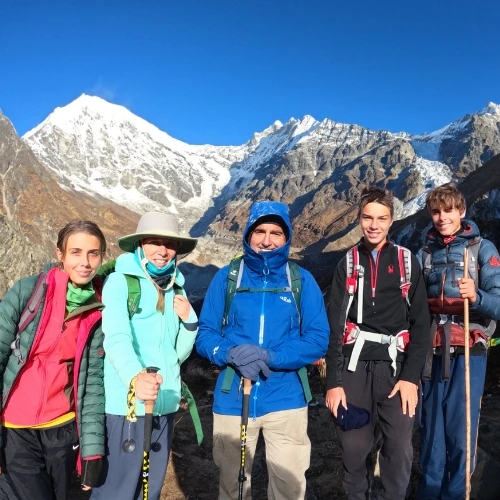
Pokhara is one of those places in Nepal where a short visit often turns into a much longer stay. Many people know Pokhara as the gateway to the Annapurna region trekking, but the city has plenty to offer even if you're not planning a hike. From peaceful lakes and mountain viewpoints to adventure sports, temples, and local food, there's something for every kind of traveler (backpackers, couples, families, trekkers, luxury travelers, photographers, digital nomads, etc).
When in Pokhara, you can start your day by watching the sunrise over the Annapurna range from Sarangkot, spend the afternoon boating on Phewa Lake, and end the evening at a lakeside café. If you want more adventure, you can try paragliding, ziplining, bungee jumping, or ultralight flights. Or, if you prefer a slower pace, visit temples, waterfalls, caves, museums, and quiet viewpoints around the city.
If you’re planning a Nepal trip and wondering what to actually do in Pokhara beyond relaxing at Phewa Lake, this detailed guide is for you. This guide covers the best things to do in Pokhara, along with practical travel tips, must-visit attractions, and a few hidden gems that many visitors overlook. So, let’s start.
Quick Guide: Best Things to Do in Pokhara
Experience
Time Needed
Best For
Boat on Phewa Lake
1-2 hours
Couples, families, photographers
Visit Tal Barahi Temple
30-45 minutes
Culture & sightseeing
Watch the sunrise from Sarangkot
Half day
Everyone
Fly paragliding
20-60 minutes
Adventure seekers
Visit World Peace Pagoda
Half day
Views & photography
Explore Davis Falls & Gupteshwor Cave
2 hours
Families
Walk through the Lakeside area
Flexible
Food, shopping & cafés
Visit the International Mountain Museum
2 hours
History & trekking lovers
Ride the Pokhara Zipline
2-3 hours
Adventure
Go bungee jumping
1.5-2 hours
Adventure
Start an Annapurna trek
4-14 days
Trekkers
You can easily fill three days with just these. With five days, you can slow down, add a day hike, and leave feeling like you actually lived in Pokhara for a bit, not just passed through.
What Is Pokhara Famous For?
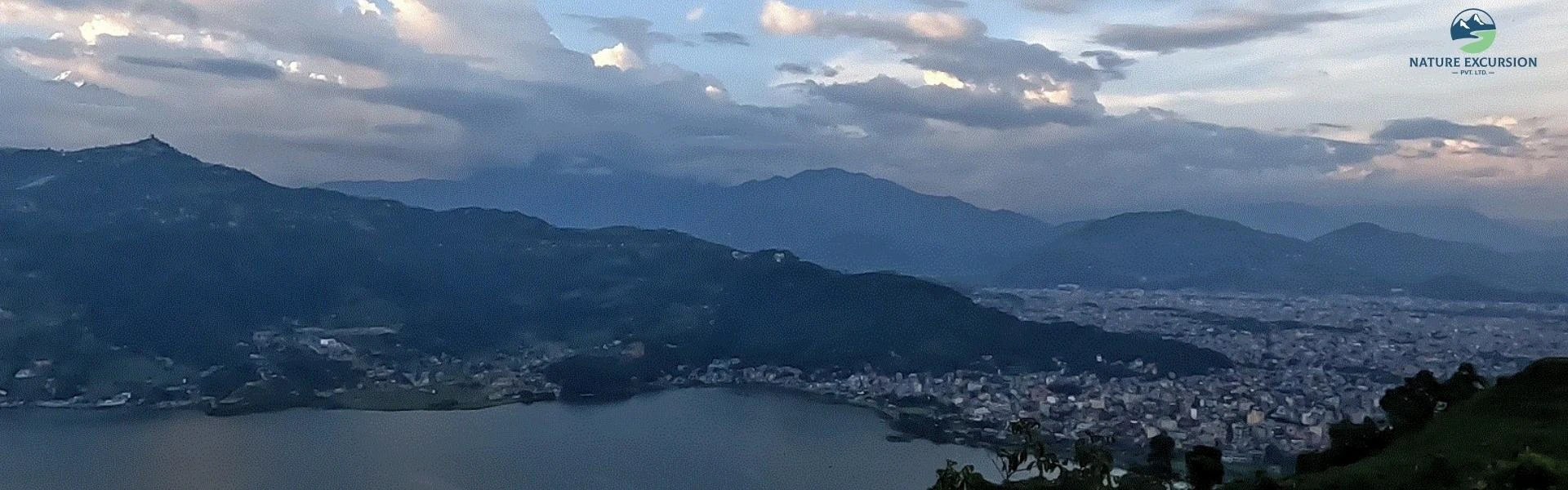
Pokhara is famous for its beautiful lakes, stunning Himalayan views, exciting adventure activities, and as the gateway to the Annapurna trekking region. It's one of the most popular places to visit in Nepal, whether you're planning a trek or simply looking to relax. Compared to Kathmandu, Pokhara has a much slower and more peaceful atmosphere. The city sits beside Phewa Lake and offers clear views of Machhapuchhre (Fishtail), Annapurna South, and Hiunchuli on clear days.
Many visitors come to Pokhara before starting popular treks like the Annapurna Base Camp Trek, Mardi Himal Trek, or Ghorepani Poon Hill Trek. Others visit just to enjoy the city's lakeside cafés, temples, waterfalls, caves, adventure sports, and mountain scenery. Pokhara has enough attractions and activities to keep you busy for several days.
Not Sure What to Do in Pokhara?
From boating and mountain views to caves, waterfalls, temples, and adventure activities, our local team can help you choose the best experiences for your time in Pokhara.
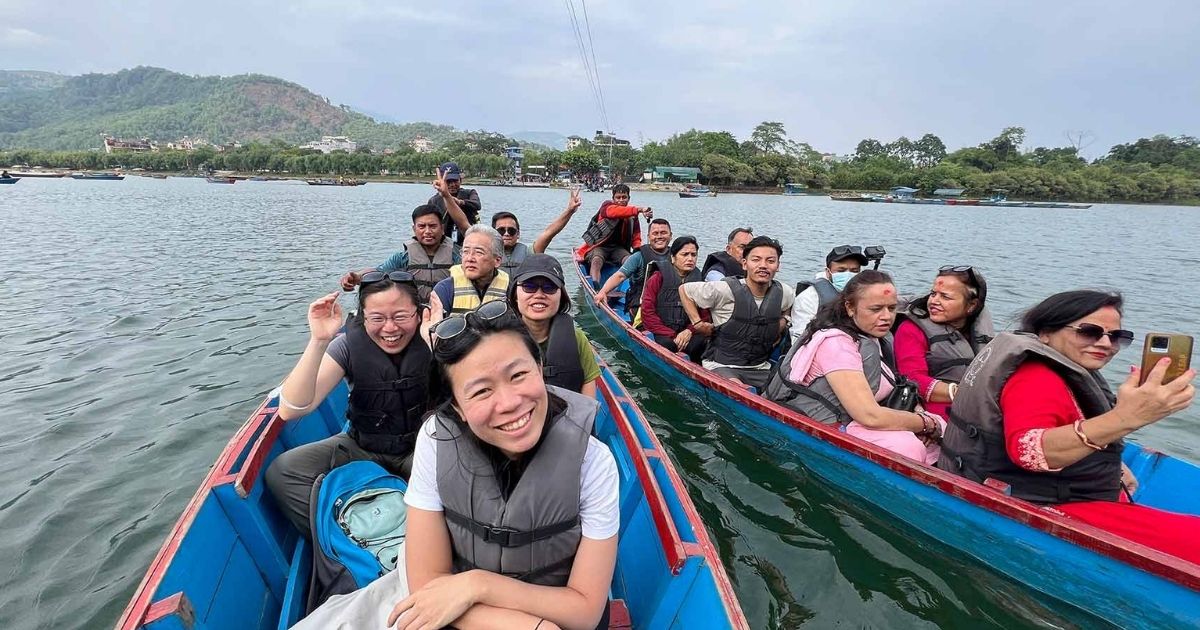
If there's one thing you shouldn't miss in Pokhara, it's boating on Phewa Lake. No matter why you come to Pokhara and how long you will be staying, your days somehow orbit around Phewa Lake. It's the heart of the city and one of the best places to relax.
Riding a boat on Phewa Lake
You can rent a traditional rowboat, kayak, or stand-up paddleboard from the rental stands along Lakeside. Prices are fixed by the local association, and you pay per hour. It’s always cheaper if you paddle yourself. But if you'd rather sit back and enjoy the views, you can also hire a boatman for a small extra cost.
The best time to go boating on Phewa Lake is early in the morning, before 9:00 AM, when the lake is calm, and the reflections of Machhapuchhre (Fishtail) and the Annapurna range are at their best. Late afternoon is another great time, especially for sunset, although it tends to be busier. While boating, you can row across the lake to Tal Barahi Temple. If you want a quieter experience, head toward the Pame side (north) or the forest trail on the southern shore, where the crowds are less. Ten minutes away from the main strip, and it feels like a different lake.
Visit Tal Barahi Temple
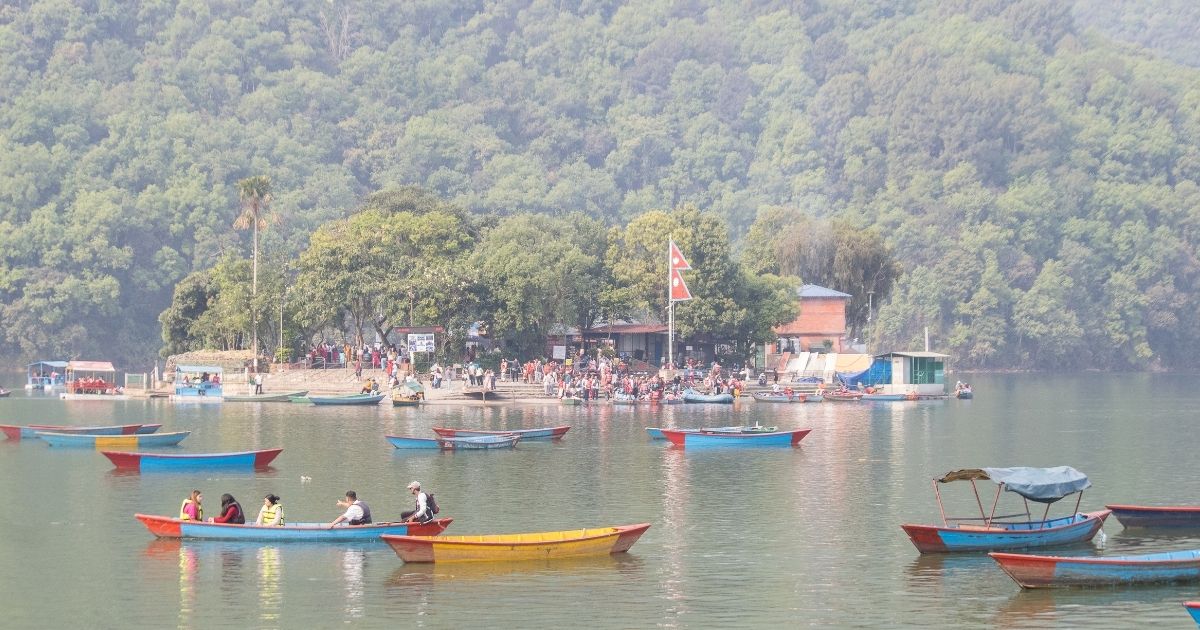
Another thing to do in Pokhara is to visit the Tal Barahi temple. Located on a small island in the middle of Phewa Lake, Tal Barahi Temple is one of Pokhara's most famous landmarks. It is a two-story temple dedicated to the Goddess Barahi. It's an important place of worship for locals as well as for tourists.
Tal Barahi Temple
The only way to reach the temple is by boat, and the ride takes just a few minutes. Once on the island, you can walk around the temple and enjoy the peaceful surroundings before heading back to the lakeside. Also, don't miss the aarti (fire ceremony) held at the lakeside ghat opposite the temple. It’s free, and watching the lamps, prayers, and reflections against the lake backdrop creates a beautiful and memorable atmosphere.
Watch Sunrise from Sarangkot and Annapurna Cable Car
Watching the sunrise from Sarangkot is one of the most popular things to do in Pokhara. Sarangkot offers the best sunrise viewpoint in Pokhara. On a clear morning, you'll see the first sunlight light up Machhapuchhre (Fishtail), Annapurna South, Annapurna II, and even Dhaulagiri in the distance, while the entire Pokhara Valley stretches out below.
Generally, people leave between 4:30 AM and 5:00 AM, depending on the season, to reach the viewpoint before sunrise. You can get to Sarangkot from Pokhara by taxi, private vehicle, or hiking. Now, the Annapurna Cable Car has changed the experience. The cable ride reaches Sarangkot in about 10 minutes. It is a convenient option for families and anyone who prefers a comfortable ride.
If you enjoy photography, arrive a little early. The colors on the mountains change quickly during the first 30 minutes after sunrise, so you will get the best shot.
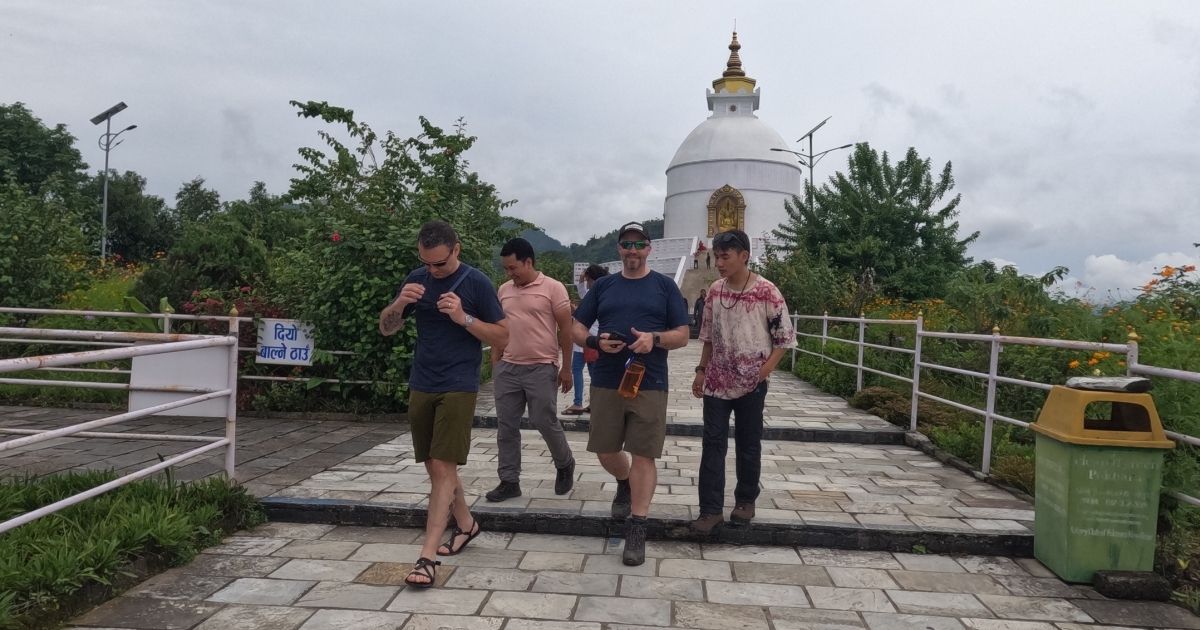
Visit the World Peace Pagoda (Shanti Stupa)
The World Peace Pagoda, also known as the Shanti Stupa, sits on a hill above Phewa Lake and appears on every best places to visit in Pokhara list. Built by Japanese Buddhist monks, the white stupa symbolizes peace and harmony. Besides its spiritual significance, visitors come for the views of Phewa Lake, Pokhara City, the Annapurna range, and Sarangkot hills.
World Peace Pagoda
There are two main ways to get to World Peace Pagoda from Lakeside. One option is to take a boat across Phewa Lake and hike uphill through the forest, which takes about 45-60 minutes. Another easier option is to take a taxi or motorbike and drive via Chhorepatan and park near the top. If hiking isn't your preference, driving is the best option, which involves only a short walk from the parking area to the stupa. The best time to visit World Peace Pagoda is late afternoon with cooler weather and beautiful golden light over the lake and mountains.
Explore Davis Falls
Davis Falls, locally known as Patale Chhango, is one of Pokhara's most popular natural attractions. What makes it unique is that the water disappears into an underground tunnel instead of flowing over the surface.
The waterfall is at its most powerful during the monsoon season, but it's worth visiting year-round. Although you'll only need about 30-40 minutes here, it's an easy stop because several other attractions are located nearby. Many visitors combine Davis Falls with Gupteshwor Mahadev Cave, the World Peace Pagoda, or the Pumdikot Shiva Statue on the same day.
Walk Through Gupteshwor Mahadev Cave
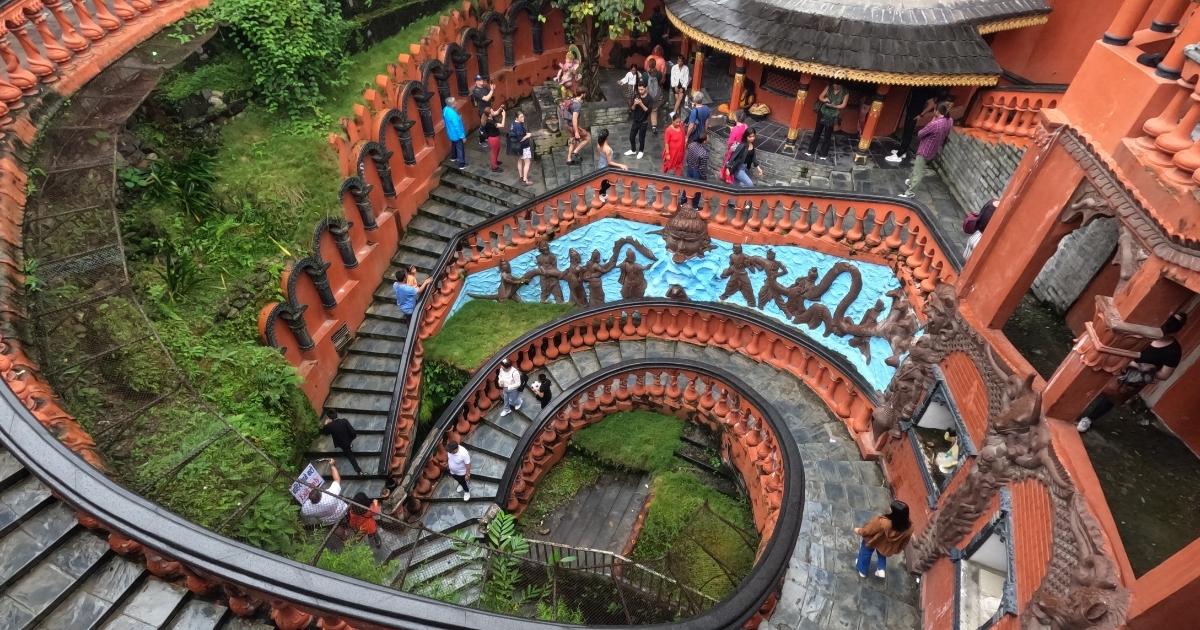
Just across the road from Davis Falls is Gupteshwor Mahadev Cave, one of the longest caves open to visitors in Nepal. The cave is famous for two reasons. The first one is a naturally formed Shiva shrine, and the next is the underground viewing point where you can see Davis Falls flowing through the cave from below. Walking through the narrow tunnels and hearing the waterfall echo underground makes this a unique experience.
Gupteshwor Mahadev Cave
The stone steps inside can be slippery, especially during the rainy season, so wear comfortable shoes with good grip. Since it's right next to Davis Falls, most visitors explore both attractions together.
Learn About Himalayan Expeditions at the International Mountain Museum
If you’re in Pokhara mainly for trekking, don't skip the International Mountain Museum. It provides valuable insight into the mountains you'll soon be trekking through, covering everything from climbing history and mountain cultures to the geology and wildlife of the Himalayas.
Inside the museum, you'll find:
Exhibits on world's 8,000 m peaks and historic expeditions
Displays about Sherpa and other Himalayan communities
Mountaineering equipment used by early Everest climbers
Photographs documenting famous Himalayan expeditions
Information on Himalayan geology, glaciers, biodiversity, and climate change
The museum isn't flashy, but it's informative and thoughtfully presented. Visiting before an Annapurna or Everest region trek helps you better appreciate the landscapes, people, and history that make Nepal's mountains so special.
Want to Create Your Own Pokhara Itinerary?
Have limited time or specific places you want to visit? Tell us your interests and available days, and we'll help you build a Pokhara itinerary around your preferences.
Most visitors have heard of the Gurkhas, but few know their full history. The Gurkha Memorial Museum tells the story of Nepal's Gurkha soldiers, whose bravery has earned international recognition for more than two centuries. It's smaller than the International Mountain Museum but equally fascinating if you're interested in history. It’s a short walk from the International Mountain Museum. Inside you will see:
Historic military uniforms and weapons
Medals and awards earned by Gurkha soldiers
Rare photographs and personal stories
Exhibits covering World War I, World War II, and modern peacekeeping missions
Walk Around Lakeside Pokhara
Sometimes the best way to experience Pokhara isn't checking off attractions. It's simply walking through Lakeside. This neighborhood stretching along the eastern shore of Phewa Lake, Lakeside, is the city's vibrant tourist hub, lined with cafés, restaurants, bakeries, bookstores, souvenir shops, trekking gear stores, spas, and live music venues.
During the day, it's the perfect place to enjoy coffee with mountain views, browse local handicrafts, or relax by the lake. As evening approaches, the area comes alive with street performers, lakeside restaurants, rooftop bars, and acoustic music. Even if you don't have plans, you'll likely find yourself spending several hours here.
Visit Begnas Lake for a Quieter Experience
While Phewa Lake gets most of the attention, Begnas Lake remains one of Pokhara's hidden gems. Located about 30-40 minutes from Lakeside, it offers a much quieter atmosphere. There are fewer tourists, less boat traffic, and more opportunities to simply relax.
It's particularly popular among couples, photographers, and birdwatchers. At Begnas Lake, visitors can enjoy peaceful boating and kayaking, lakeside cafés serving fresh local fish, birdwatching and photography, and relaxing walks along the shoreline.
Experience Adventure Activities That Make Pokhara Famous
Aside from attractive places, there are a variety of adventure sports you can try in Pokhara. You can soar in the sky, ride one of the world's steepest ziplines, and enjoy kayaking on Phewa Lake. And the best part is that most activities are beginner-friendly, and professional operators provide safety briefings and equipment before you start.
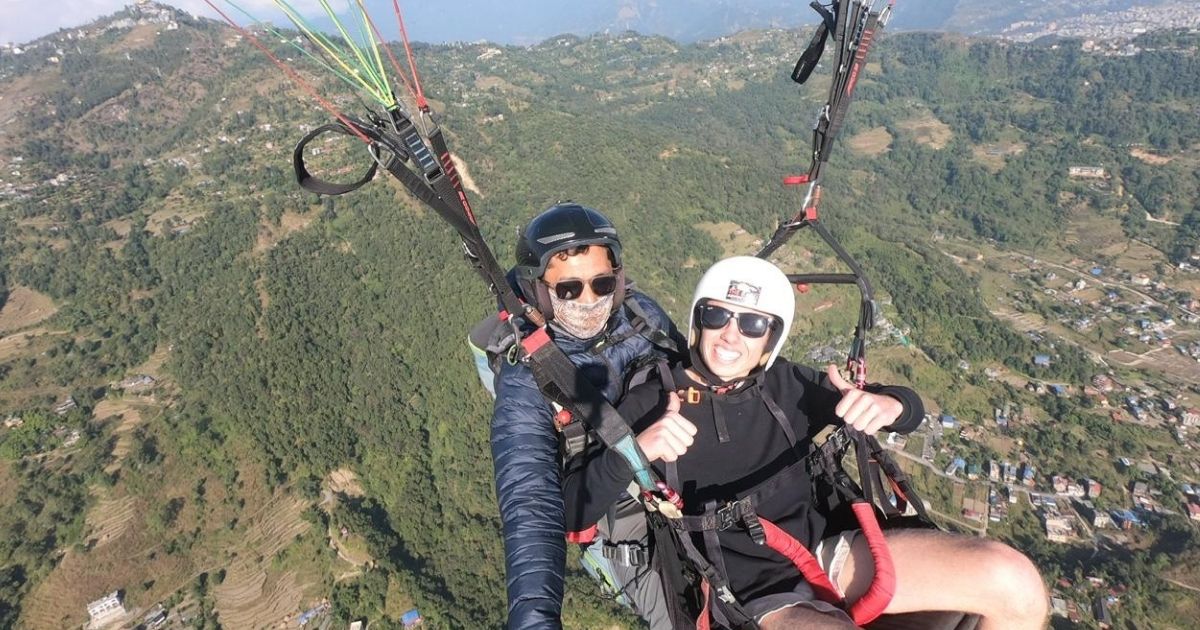
Experience Paragliding from Sarangkot
Paragliding
Paragliding in Pokhara is one of the best tandem paragliding experiences in the world. Even if you've never tried paragliding before, Pokhara is an excellent place to start. Tandem flights mean an experienced pilot controls everything while you simply enjoy the ride.
A typical paragliding experience looks like this:
You meet your pilot and drive to the take‑off site.
Gear check, short briefing on take‑off and landing.
A few running steps down the slope, the wing catches the wind, and suddenly your feet aren’t touching the ground anymore.
You float over the hillside, valley, and lake, sometimes catching thermals to climb higher.
Land near Lakeside, receive photos/videos if included, and you’re done.
Most tandem flights last 20 to 30 minutes, while premium cross-country flights can extend to 40-60 minutes, depending on weather and thermal conditions. The cost of a Standard Tandem Flight ranges from USD 60 to 70 per person, and the cost of a longer Cross-country Flight is USD 90 to 100 per person as of 2026. You need to pay extra for photos and videos.
Extra: Book a morning flight if mountain views are your priority, as visibility is usually at its best. Afternoon flights often have stronger thermal currents, which can result in longer airtime and a more dynamic flying experience.
Ride the World's Steepest Zipline
If you're looking for an adrenaline-packed adventure in Pokhara, the Pokhara Zipline is one of the city's top attractions. It is located on the hills of Sarangkot and is often ranked among the world's steepest and longest ziplines. The ride features a vertical drop of over 600 m and can reach speeds of more than 100 km/h (62 mph).
Before the ride, professional staff provide a safety briefing, inspect all equipment, and securely fit your harness, so no prior experience is required. So, yes, the Pokhara Zipline is worth it if you're looking for an adrenaline rush. The cost of a zipline in Pokhara is USD 70 to 80 per person.
The Pokhara Zipline is perfect for adventure and thrill seekers, travelers with limited time, families with older children (subject to operator requirements), and anyone wanting a unique way to experience Pokhara's scenery. It may not be suitable for people with a severe fear of heights or certain medical conditions, so check with the operator before booking.
Likewise, if you're deciding between paragliding and the zipline, choose paragliding for the scenery, and choose the zipline for speed and excitement. Many people do both on different days.
Go Bungee Jumping
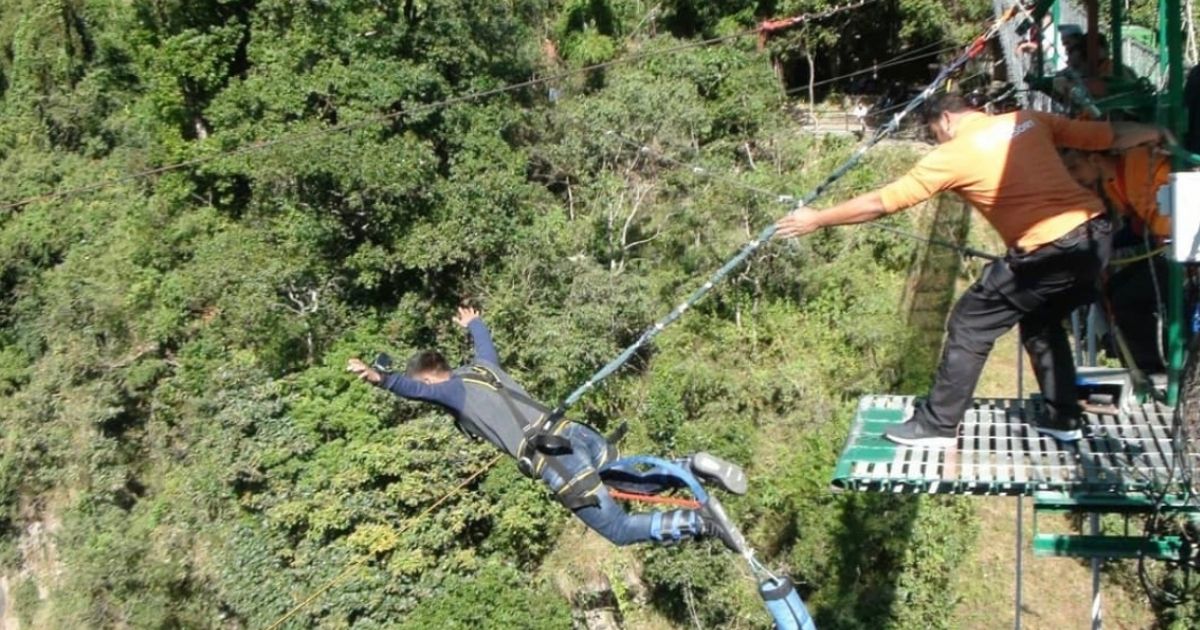
If paragliding and ziplining still don't satisfy your appetite for adventure, bungee jumping in Pokhara offers another adrenaline rush. The jump takes place from an 80 m high suspension platform overlooking the beautiful Hemja Valley, with views of the surrounding hills, river, and cliffs.
Bungee Jumping
You’ll take a leap into several seconds of exhilarating freefall before the cord gently rebounds. Professional operators follow international safety standards, making the experience suitable for both first-time jumpers and seasoned thrill seekers. The cost of bungee jumping is between USD 55 and 75.
There are certain requirements for bungee. For example, age should be between 12 and 65 years (parental consent is required for participants under 18), weight should be between 45 and 100 kg, be in good general health, and wear comfortable clothing and closed-toe shoes (avoid skirts, dresses, and flip-flops). Likewise, it is recommended to book in advance during the busy trekking seasons (October-November and March-April).
Take an Ultralight Flight
One experience that many international visitors overlook is the ultralight flight. The experience is very different from a helicopter tour. Ultralight planes have an open cockpit and offer you uninterrupted panoramic views of the mountains and Pokhara Valley.
Flights depart from Pokhara Airport and soar above Phewa Lake, forests, and villages, with the Annapurna range filling the horizon. Depending on the package and weather conditions, longer flights can travel much closer to the Annapurna foothills, reaching the area around Mardi Himal High Camp. Flights typically range from 15 minutes to 1.5 hours. The best hours for ultralight flight are early morning for sunrise and late afternoon before sunset. Only 1 passenger is carried per flight.
Try Kayaking or Stand-Up Paddleboarding (SUP) on Phewa Lake
Not every adventure in Pokhara has to involve heights. Kayaking and stand-up paddleboarding (SUP) have become increasingly popular over the past few years. Several outfitters around Lakeside rent kayaks and paddleboards by the hour, and most also offer brief lessons, making both activities suitable for beginners.
Early mornings are the best time to head onto the water, when the lake is calm, reflections of the Annapurna range are at their clearest, and boat traffic is minimal. Several outfitters around Lakeside rent kayaks and paddleboards by the hour, and most also offer brief lessons, making both activities suitable for beginners.
As already discussed, Pokhara serves as the main gateway to Nepal's Annapurna region. Some of the country's most iconic trekking routes begin just a short drive from the city. The Annapurna region offers treks for every experience level, from a short weekend hike to a 2-week Himalayan adventure.
Trek Comparison Table:
Trek
Duration
Difficulty
Maximum Altitude
Best For
Annapurna Base Camp
7-11 days
Moderate
4,130 m
Classic Himalayan trek
Mardi Himal
4-6 days
Moderate
4,500 m
Ridge views & fewer crowds
Ghorepani Poon Hill
4-5 days
Easy-Moderate
3,210 m
Beginners & sunrise lovers
Annapurna Circuit
12-18 days
Moderate-Challenging
5,416 m
Experienced trekkers
Khopra Danda
6-8 days
Moderate
3,660 m
Off-the-beaten-path trekking
Australian Camp
1 day
Easy
2,060 m
Families & short hikes
Annapurna Base Camp Trek
Annapurna Base Camp Trek
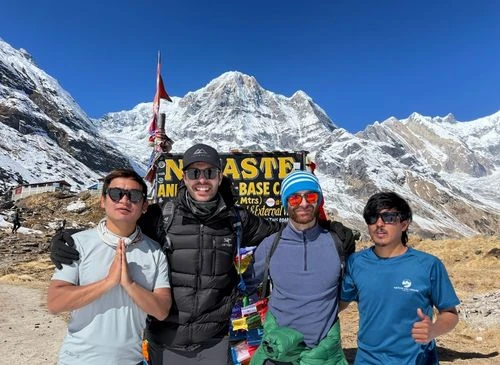
The Annapurna Base Camp Trek remains one of Nepal's most rewarding trekking experiences. Instead of circling the mountains, you'll walk directly into the Annapurna Sanctuary, surrounded by towering peaks on nearly every side. This trek suits reasonably fit travelers with some hiking experience. So, if you have 7 to 11 days and are fit, you can do the ABC trek from Pokhara.
Make the most of your Nepal trip by combining Pokhara sightseeing with an unforgettable trek in the Annapurna region. Our team can arrange the complete experience.
If you're looking for spectacular mountain views without the crowds of Annapurna Base Camp, the Mardi Himal Trek is hard to beat. The trail follows forested ridges before opening up to panoramic views of Machhapuchhre that feel surprisingly close. It's also one of the fastest high-altitude treks accessible from Pokhara. Compared to ABC, it's shorter, quieter, less crowded, and ideal for photographers.
Ghorepani Poon Hill Trek
Poon Hill
The Ghorepani Poon Hill Trek is often recommended for first-time trekkers. Its biggest highlight is the sunrise from Poon Hill, where the first light illuminates Dhaulagiri, Annapurna, and Machhapuchhre. You'll also pass through rhododendron forests, Gurung and Magar villages, stone staircases, and mountain tea houses. Spring is particularly beautiful when the rhododendrons are in bloom. Poon Hill Trek difficulty is at an easy to moderate level.
Annapurna Circuit Trek
Annapurna Circuit Trek
The Annapurna Circuit Trek is one of the world's classic long-distance treks. Rather than focusing on a single destination, it takes you through changing landscapes, from subtropical valleys to alpine deserts. Its biggest challenge is crossing Thorong La Pass (5,416 m).
Although roads now reach parts of the circuit, the trekking experience remains exceptional when planned carefully. This trek is best suited to experienced hikers or those with enough time to acclimatize properly.
Khopra Danda Trek
If you prefer quieter trails, Khopra Danda is an excellent alternative. Compared with Poon Hill or Mardi Himal, you'll encounter fewer trekkers while enjoying equally impressive mountain scenery.
The trek also offers the option to visit Khayar Lake, a sacred alpine lake that relatively few international visitors reach. This route is ideal if you've already completed Nepal's more popular treks or simply want a more peaceful experience.
Australian Camp Day Hike
Not everyone visiting Pokhara has time for a multi-day trek. The Australian Camp day hike is perfect if you only have one free day but still want a taste of the Annapurna foothills. The trail is relatively easy and passes through terraced farmland, small villages, forest sections, and scenic viewpoints.
On clear days, you'll enjoy impressive views of Annapurna South, Hiunchuli, and Machhapuchhre without needing to trek for several days. Families and beginners often choose this hike because it's accessible and rewarding. It also falls under one of the best viewpoints in the Annapurna region category.
Taste Pokhara Through Its Local Food And Cafe Culture
Adventure may bring you to Pokhara, but its vibrant food and café scene is also another reason travelers love this place. Around Lakeside, you'll find everything from family-run momo shops to specialty coffee roasters, rooftop restaurants, vegan cafés, and bakeries. What’s more is that the food scene caters to pretty much everyone: backpackers on tight budgets, couples looking for romantic dinners, digital nomads working from laptops, and families who just want reliable meals for kids.
While Pokhara offers cuisine from around the world, don't leave without trying some of Nepal's most beloved dishes, which include:
Dal Bhat: Nepal's national meal consisting of steamed rice, lentil soup, seasonal vegetables, pickles, and your choice of curry or meat.
Momo: These steamed or fried dumplings are filled with chicken, buffalo, vegetables, or paneer and served with a spicy dipping sauce.
Thakali Set: Originating from Nepal's Mustang region, the Thakali Set is a more elaborate version of Dal Bhat, featuring a variety of curries, leafy greens, pickles, yogurt, and seasonal side dishes.
Fresh Trout:The hills around Pokhara are known for trout farming, and many restaurants near Begnas Lake and the outskirts of the city serve freshly grilled or fried trout.
Thicheko Aloo: A favorite local snack, Thicheko Aloo is made with boiled potatoes mixed with spices, herbs, mustard oil, chilies, and fresh coriander.
Lesser-Known Places To Visit In Pokhara
Pokhara’s big hits are easy to find. If you have more time, or just don’t like following the same Instagram trail as everyone else, you can visit the following lesser‑known spots.
Visit the Pumdikot Shiva Statue
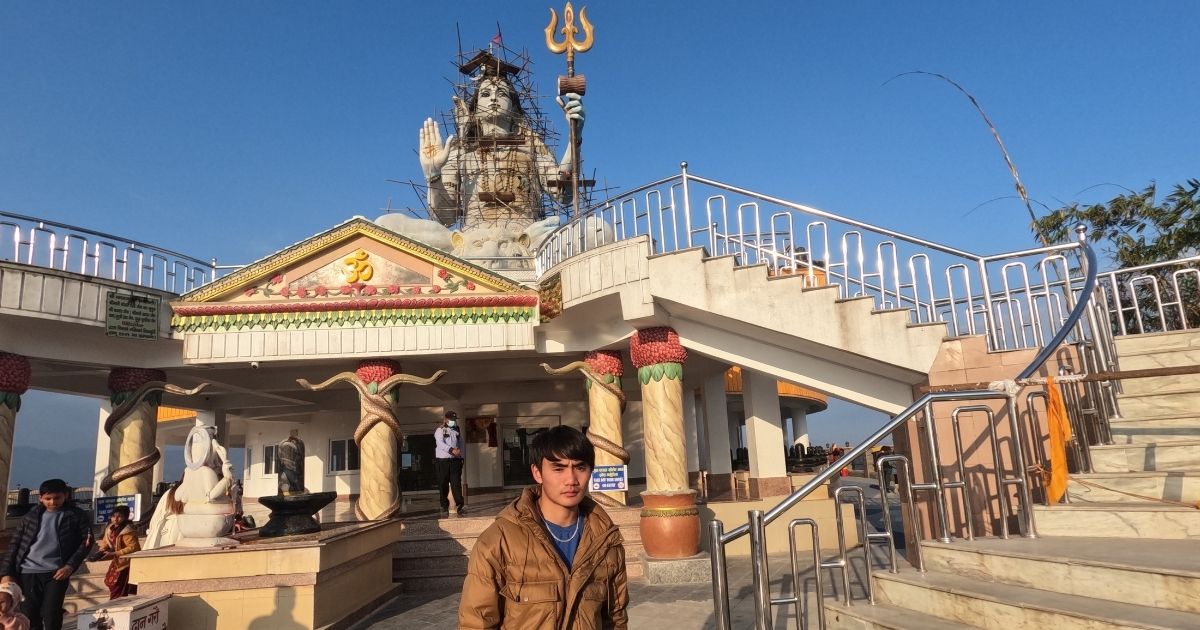
Perched on a hill above Pumdikot village, the towering Pumdikot Shiva Statue has quickly become one of Pokhara's top viewpoints. The statue of Lord Shiva stands 51 ft (15.5 m) tall and rests on a 57 ft (17.4 m) white stupa-like pedestal, giving the monument a total height of 108 ft (32.9 m). It is one of the largest Shiva statues in Nepal.
Pumdikot
Besides admiring the impressive monument, here you can see beautiful views of Phewa Lake, Pokhara Valley, the Annapurna range, and the World Peace Pagoda. You can get there in around 30 minutes from Lakeside by taxi, scooter, or motorbike.
Hike to Panchase Hill
If you've already experienced Sarangkot and want a quieter mountain hike, head to Panchase Hill. The trail passes through villages, rhododendron forests, and terraced farmland before reaching viewpoints overlooking the Annapurna and Dhaulagiri ranges. It’s suitable for a long day hike, a short overnight trek, and birdwatching. Visit in spring (March to April) for blooming rhododendrons or autumn (October to November) for the clearest mountain views.
See the Seti River Gorge
Most people know the Seti River from rafting trips, but few take time to see the remarkable gorge it has carved beneath Pokhara. The milky-white Seti Gandaki River flows through a deep, narrow canyon that is hidden beneath parts of the city. There are a few bridges and viewpoints where you can look down into the canyon and see how deep and narrow the river has carved its way. It’s a short stop, so you can combine it with nearby museums or other city attractions.
Visit the Tibetan Refugee Settlement
Pokhara is home to four official Tibetan Refugee Settlements: Tashiling, Tashi Palkhel, Paljorling, and Jampaling, which preserve traditional crafts, culture, and Buddhist heritage. A visit here offers the opportunity to explore Buddhist monasteries, watch traditional carpet weaving, and learn about the Tibetan community in Nepal. You can also purchase authentic handmade crafts directly from local artisans. Buying souvenirs here supports local families while giving you a meaningful reminder of your visit.
Browse Local Art Galleries
Pokhara's creative side often goes unnoticed if you're only focused on adventure activities. These local art galleries are scattered around Lakeside and the Old Bazaar area. In these galleries, you can find contemporary Nepali paintings, traditional thangka artwork, Himalayan landscape photography, handmade ceramics, and wood carvings and handicrafts.
They don’t usually make it into big “top things to do in Pokhara” lists, but they are ideal for rainy days when views are blocked. They also offer a chance to take home unique, locally made artwork instead of mass-produced souvenirs.
Visit an Organic Farm
Around Pokhara, there are small organic farms and community farmstays offering fresh, chemical‑free vegetables and fruits, simple rooms, and home‑style meals. For families, honeymoon couples, and slow travelers, staying in an organic farm is a peaceful alternative to adding another long trek. It’s also a more sustainable way to travel, as your money goes into local initiatives.
How Much Does It Cost to Explore Pokhara?
The estimates below are realistic 2026 daily budgets for exploring Pokhara and do not include multi-day trekking costs.
Expense
Budget
Mid-Range
Luxury
Accommodation
USD 10-25
USD 35-80
USD 120+
Food & Drinks
USD 10-15
USD 20-40
USD 50+
Local Transport
USD 2-8
USD 10-25
USD 40+
Sightseeing & Entry Fees
USD 5-15
USD 15-35
USD 50+
Adventure Activities
Optional
USD 70-200
USD 300+
Estimated Daily Total
USD 27-63
USD 150-380
USD 560+
From the above table, it’s clear that it costs around 27 to 560+ per day to explore Pokhara, depending on your travel style and what activities you want to include. In the budget (USD 30-60 per day), you stay in a small hotel, eat mostly at local restaurants, walk or use local transport, and visit temples, caves, and viewpoints. In mid-range (USD 150-380 per day), you stay in comfortable lakeside hotels, have a mix of Nepali and international cuisine, travel via taxis, and do one or two adventure activities. Likewise, in Luxury (USD 560+ per day), you stay in premium resorts, dine at high-end restaurants, hire private transportation, and do activities such as ultralight flights, helicopter tours, or private guided excursions.
When is the Best Time to Visit Pokhara?
You can visit Pokhara year-round. But experiences can change, and activities can be affected by the season. For example, Spring (March to May) and Autumn (September to November) are the best times for trekking in Nepal, including the Annapurna region. These are also ideal times for paragliding, ziplining, boating on Phewa Lake, enjoying sunrise views from Sarangkot, Ultralight flights, and hiking to the World Peace Pagoda and Pumdikot.
Likewise, Winter (December to February) brings cool temperatures and clear mornings. While higher trekking routes can experience snow, Pokhara itself remains pleasant for sightseeing and relaxation. Winter is a great time for boating on Phewa Lake, exploring museums and temples, visiting Davis Falls and Gupteshwor Cave, café hopping around Lakeside, and watching sunrise from Sarangkot.
Monsoon transforms Pokhara into one of Nepal's greenest destinations. Forests become lush, and waterfalls are at their most powerful. This season is best for visiting Davis Falls during peak water flow, exploring caves, museums, and cultural attractions, and relaxing in Lakeside cafés.
How To Get To Pokhara?
You can get to Pokhara by tourist bus, private vehicle, jeep, local bus, or by flight. Pokhara is well-connected to the rest of Nepal by air and road. Most travelers arrive from Kathmandu, although regular transport is also available from Chitwan, Lumbini, and other major cities.
By air:Flying is the quickest and most convenient way to reach Pokhara. It takes around 25-30 minutes to get to Pokhara from Kathmandu. Flights operate throughout the day. Flying is best for travelers with limited time, families, and those connecting to trekking itineraries.
By tourist bus: Tourist buses are the most popular option for budget-conscious travelers. It takes approximately 7-9 hours to get to Pokhara from Kathmandu, depending on traffic and road conditions. Many tourist buses offer reclining seats, air conditioning, and greater comfort for long drives. This option is best for backpackers and travelers looking for an affordable journey
By private vehicle: Hiring a private car or jeep offers the greatest flexibility. It takes around 6-8 hours, depending on traffic. It is best for families, small groups, and travelers who want to stop at scenic viewpoints, riverside cafés, or local villages along the way.
Where To Stay In Pokhara?
You can stay at Lakeside, south Lakeside (damside), north Lakeside, or beyond Lakeside in Pokhara. Lakeside is Pokhara's main tourist district and the best place to stay for first-time visitors. It's ideal for first-time travelers, couples, backpackers, café lovers, digital nomads, and travelers who want easy access to restaurants, shops, nightlife, and Phewa Lake. Also, most major attractions, boat rentals, and adventure operators are within walking distance of the Lakeside.
At Hotel Pokhara
Likewise, North Lakeside offers a quieter atmosphere while remaining close to the action. It's perfect for families, couples, longer stays, and travelers who prefer peaceful evenings without being far from cafés and restaurants. South Lakeside (Damside) has a more relaxed, local feel than central Lakeside. It's a good choice for couples, families, and travelers looking for a quieter neighborhood with easy access to Phewa Lake and nearby attractions like Davis Falls and the World Peace Pagoda.
If you're looking for nature, privacy, or luxury, consider staying outside the main tourist area. Beyond Lakeside, you'll find boutique hotels, hilltop lodges, luxury resorts, and organic farm stays. These accommodations offer spectacular mountain views and peaceful surroundings but require taxis or private transport to reach the city center.
What Makes Pokhara Different From Other Cities In Nepal?
Every major city in Nepal has its own character. Kathmandu is rich in history and UNESCO World Heritage Sites. Chitwan is known for wildlife safaris. Lumbini is a place of spiritual significance. Pokhara, however, combines nature, adventure, and relaxation in a way that's difficult to find elsewhere.
Within a single day, you can watch the sunrise over snow-capped mountains, paraglide above a lake, visit centuries-old temples, enjoy locally roasted coffee, and finish the evening listening to live music by the waterfront. That's why many travelers who originally planned to stay for two nights often end up extending their visit.
Ready to Explore Pokhara?
Tell us your travel dates, group size, and what you want to experience, and we'll help you plan the perfect Pokhara adventure.
Pokhara can be as adventurous or as relaxed as you want it to be. There is a range of activities you can do. You may go to Sarangkot to watch the sunrise, boat across Phewa Lake, try paragliding, ultralight flight, kayaking, bungee jumping, or go on a short or long trek that starts from Pokhara. But some of the favorite memories are also built from the quieter moments. Like spending an evening in a peaceful café tucked away from the main road, chatting with local shopkeepers, or taking a short detour to Begnas Lake when everyone else stayed around Lakeside.
FAQs
How many days is enough for Pokhara?
3 full days are enough to see Pokhara's main attractions, enjoy Phewa Lake, visit viewpoints like Sarangkot and the World Peace Pagoda, and try 1 or 2 adventure activities. If you prefer a slower pace or want to add a day hike, paragliding, or the zipline, plan to stay 4-5 days.
But if you're combining Pokhara with an Annapurna trek, you can spend 2 nights before your trek and 2-3 nights afterward to prepare, recover, and enjoy the city's cafés and lakeside atmosphere.
Is Pokhara better than Kathmandu?
It depends on the type of trip you're planning. Pokhara is better than Kathmandu if you want mountain views, lakes, nature, adventure sports, and want to go trekking. In contrast, Kathmandu is better than Pokhara if you're interested in UNESCO World Heritage Sites, ancient temples and palaces, museums, markets, and Nepal's rich cultural heritage.
Is Pokhara worth visiting without trekking?
Absolutely. While Pokhara is the gateway to the Annapurna region, it's also one of Nepal's best destinations for travelers who don't plan to trek. At Pokhara, Nepal, travelers can enjoy boating on Phewa Lake, Sarangkot sunrise, the World Peace Pagoda, Museums and temples, adventure sports, Lakeside cafés, and wellness retreats. Even without trekking, you can spend several enjoyable days in the city.
What can I do in Pokhara for free?
In Pokhara, you can walk the lakeside promenade, watch sunrise and sunset by Phewa Lake, hike small hills, and visit some temples and viewpoints for free or a token donation. Free or low‑cost ideas include Sarangkot hikes (without using the cable car), exploring the old bazaar, visiting local shrines, and wandering quiet neighborhoods away from the main tourist strip.
What is the nightlife like in Pokhara?
Pokhara's nightlife is relaxed rather than energetic. Around Lakeside, you'll find live music venues, lakeside bars, rooftop lounges, cafés, and restaurants that stay open into the evening. It's an ideal place to enjoy dinner, drinks, and live acoustic performances, but don't expect large nightclubs or all-night parties.
Is Pokhara Safe for Solo Travelers?
Yes, Pokhara is very safe for solo travelers in Nepal. Violent crime against tourists is uncommon, and the city has a relaxed atmosphere. As with any destination, it's still sensible to avoid poorly lit areas late at night, keep valuables secure, use registered taxis, and book adventure activities with licensed operators.
Can I go paragliding in Pokhara as a beginner?
Yes. Most visitors who paraglide in Pokhara are first-time flyers. Flights are conducted in tandem with certified pilots, so no previous experience is required. Your pilot controls takeoff, flight, and landing while you enjoy the scenery.
Written by
Raju GurungMD
Gurung is the founder and managing director of ‘Nature Excursion Pvt. Ltd.’ The mountains and hills from his village, Rubi Valley, always had him wondering, and he became one of the travel enthusiasts from his early childhood.
The main autumn treks in Nepal are Everest Base Camp, the Annapurna Circuit, Annapurna Base Camp, the Manaslu Circuit, Langtang Valley, and Mardi Hima...
To choose the best trekking company in Nepal, you must verify that the agency holds official registration with the Nepal Ministry of Culture, Tourism...
Sagarmatha National Park is one of Nepal’s most famous protected areas and the core of the Everest region. Located in the high Himalayas of Solukhumbu...





.webp)

.webp)
.webp)