What is the Ghorepani to Poon Hill Distance?
The one-way distance from Ghorepani to Poon Hill is only 1.5 km, andthe round-trip journey totals 3 km. The average hiking time to reach the top is between 45 minutes and 1 hour. This depends on your fitness level and how often you stop to catch your breath. On the way down, the walk is much faster and usually takes about 30 to 40 minutes. Even though the time seems short, the path is lined with hundreds of steep stairs.

Furthermore, the walk feels much longer than 1.5 km due to the steep incline and thin air. You start at Ghorepani at 2,860 m and climb to the Poon Hill summit at 3,210 m. This is an elevation gain of +350 m over a very short distance. At this altitude, there is less oxygen available for your muscles. Your heart works harder, and your lungs must breathe faster to keep up.
This makes every step feel like a major effort, often turning a short walk into a 5 km hike on flat ground. While this is not high enough for severe altitude sickness for most, we still suggest a slow and steady pace.
Planning the Ghorepani to Poon Hill Trek?
Have questions about the 1.5 km distance, steep trail, hiking time, sunrise schedule, or what to expect on the route? Talk to our team for practical trekking advice.
Ghorepani to Poon Hill Trail Overview
The hike from Ghorepani to Poon Hill is a short but beautiful walk with some of the best views in the Annapurna area. The trail begins right from the main lodges in the upper part of Ghorepani and goes straight up a set of well-made stone stairs. The path is safe and easy to follow, so most people start hiking between 4:30 and 5:00 AM to reach the top in time for sunrise.
At first, you’ll walk through a forest of oak and rhododendron trees. If you visit in the spring (March or April), the flowers bloom in bright red and pink, making the trail look like a colorful tunnel. As you get higher, the trees disappear, the air gets colder, and you can start to see the snowy mountain peaks in the distance.
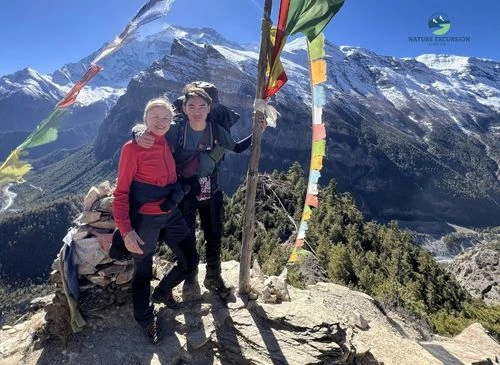
The last part of the climb is the steepest. Once you reach the top of Poon Hill (3,210 m), there is a large flat area and a tower where you can see a full 360-degree view of the mountains. When the sun comes up, the snow turns gold and pink. It is a great reward for the hard work.
While the hike is short, it is still a bit of a workout because you climb 350 m in a short time. You might need to stop and catch your breath because the air is thin. The stairs aren't dangerous, but they can be slippery if it’s rainy or icy, so wear good shoes. Walking back down to Ghorepani is much faster and easier since it will be light enough to enjoy the forest views.
Ghorepani to Poon Hill Logistics You Should Know
When planning your Ghorepani Poon Hill Trek itinerary, it's important to consider more than just your boots. You need to consider what to wear, when to start hiking, what to pack, and even what to carry. Let's look at these in detail:
Best Wake-Up Time for the Sunrise Hike
We suggest waking up at 4:30 AM to start your climb. The trail from Ghorepani to the summit of Poon Hill takes about 45 minutes to an hour of steady walking. Most trekkers aim to reach the top by 5:30 AM or 6:00 AM, depending on the season. Arriving early lets you find a good spot at the viewpoint and watch the sky change colors before the sun hits the peaks.
Poon Hill Entry Ticket and Checkpoint
You need to pay a small entry fee at a booth near the start of the climb. This fee is separate from your ACAP permit and usually costs 150 NPR for foreigners. We recommend keeping small change in your pocket so you do not have to dig through your pack in the dark. A staff member often checks your ticket again once you reach the top tower.
Essential Gear for the Ghorepani to Poon Hill Walk
The climb is a steep series of stone stairs. Because you are hiking in the dark, a headlamp is your most important piece of gear. It keeps your hands free to use trekking poles, which help take the pressure off your knees during the descent. We also suggest carrying a small bottle of water, even though the hike is short, as the dry air and cold can make your throat feel tight.
What to wear (layers, headlamp, shoes)
Temperature drops can be sharp before the sun comes up. We use a layering system to stay comfortable. Start with a moisture-wicking base layer and add a warm fleece or down jacket. You will likely get warm as you hike up the stairs, so make sure your jacket has a zipper to vent heat. Once you reach the top and stop moving, the wind can feel very cold, so you should keep a warm hat and gloves in your pockets.
Best Season For Ghorepani Poon Hill Trek
The Ghorepani Poon Hill trek in Nepal is a classic adventure through the Annapurna foothills. Choosing the right time to visit ensures you see the massive peaks of Dhaulagiri and Annapurna South at their best. While the trail stays open all year, the weather and scenery change significantly between the months. Most trekkers visit during the peak windows of spring and autumn. During these times, the skies stay clear, and the temperatures remain mild for walking. We find that these seasons offer the most reliable conditions for reaching the 3,210 m summit of Poon Hill.
Spring (March to May)
We highly recommend trekking between March and May if you love nature and greenery. This is the time when Nepal's national flower, the rhododendron, turns the hillsides into a sea of red, pink, and white. The air is warm at lower elevations, and the forests are full of birdlife as winter snow melts.
.jpg)
As we climb toward Ghorepani, the mornings usually offer clear mountain views before clouds gather in the afternoon. The temperatures are perfect for trekking without the biting cold of winter. While the trails are busier than in the off-season, the vibrant energy of the blooming forest makes it a favorite for many of our guests.
Autumn (September to November)
September to November is widely considered the best time for sharp mountain photography. After the summer rains wash the dust from the air, the visibility becomes incredible. You can often see the entire Annapurna and Dhaulagiri ranges with perfect detail from the Poon Hill viewpoint. The weather stays very stable during these months, with almost no rain and deep blue skies.
You will enjoy the crisp morning air and the golden light that hits the peaks during sunrise. This is also a time for major festivals in Nepal, so you may see local communities celebrating as you pass through villages like Ulleri and Ghandruk.
Monsoon (June to August)
During the monsoon season (June to August), the trails can be slippery, and leeches are common. However, the landscape is lush and green. While clouds might hide views of the higher peaks from the base camp, the monsoon offers a unique, quiet experience for those who don't mind the rain.
Ready to Hike From Ghorepani to Poon Hill?
Experience the short but rewarding climb to Poon Hill for spectacular sunrise views of the Annapurna and Dhaulagiri ranges. Explore the trek itinerary, route, duration, and essential trip details.
Reward from Poon Hill Viewpoint
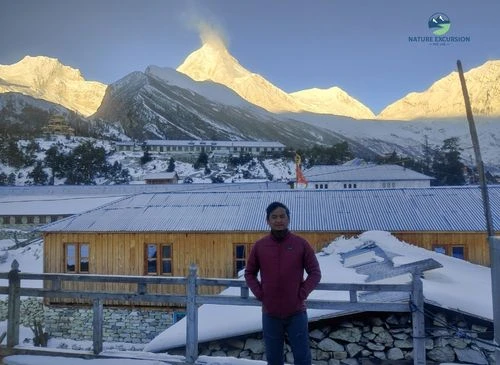
The trek to Ghorepani Poon Hill has become extremely rewarding over the years. The sunrise from the 3,210 m summit of Poon Hill offers a clear view of the Himalayas' scale. As the first light of day touches the snow, the Dhaulagiri and Annapurna massifs change from dark shadows into bright white towers.
.jpg)
The vantage point offers a wide-angle view, allowing you to see over 20 prominent peaks. While Mount Everest is too far east to see from here, the massive 8,167 m Dhaulagiri I and the fishtail peak of Machapuchare are the stars of the show. The crisp morning air at this altitude makes the sky's colors appear deep and vivid before the clouds form. The true reward is the sense of accomplishment after the steep climb from Ghorepani.
Standing at the prayer flag-covered top allows you to look back at the total distance you’ve covered, from the stone steps of Tikhedhunga to the Gurung villages you passed along the way. Further, the sight of the massive 8,167 m Dhaulagiri I creates a memory that stays with you long after you begin your descent.
Plan Your Poon Hill Trek Your Way
Want to adjust your trekking days, route, or pace? Get a Poon Hill trek plan tailored to your travel dates, fitness level, and trekking preferences.
Conclusion
The Ghorepani to Poon Hill trek distance is a short but demanding climb that rewards every step with a grand view of the Annapurna and Dhaulagiri ranges. By covering a distance of 1.5 km and gaining +350 m in elevation, we reach the 3,210 m summit just in time to see the first light hit the high peaks. This morning hike serves as the focal point of the journey, where the physical effort of climbing stone stairs meets the quiet beauty of the Himalayas.