Why the Annapurna Region Is So Special

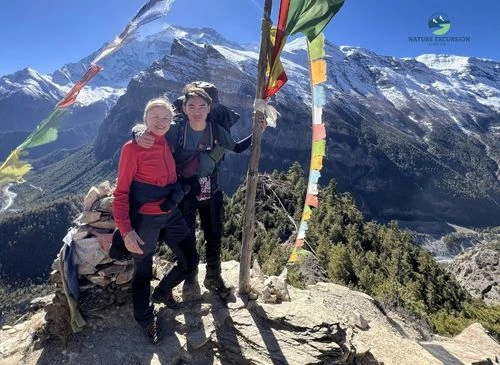
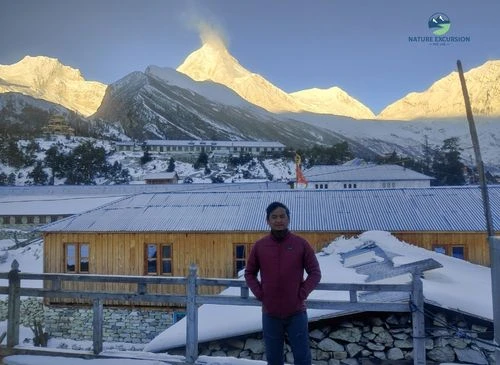
The Annapurna Region lies in western Nepal, in the heart of the central Himalayas, and is protected by the Annapurna Conservation Area (Nepal’s first and largest conservation area). The region features towering 8,000 m peaks, terraced fields, rhododendron forests, and Tibetan‑influenced highland villages in a way very few trekking regions can match.
A few reasons it’s so popular among both first‑time and experienced trekkers include:
Wide range of routes:From 3-4 day intro hikes to 2-3 week expeditions.
Good infrastructure: Teahouses, food, and basic facilities on all major routes.
Flexible itineraries: Many options for side trips and shorter/longer versions.
Cultural depth: Gurung, Magar, Thakali, and Tibetan‑influenced communities.
Plan Your Annapurna Trek
Ready to experience Annapurna Base Camp? Talk to our trek experts for route advice, availability, costs, and help planning your Himalayan adventure.
Quick Comparison: Which Annapurna Trek Is Best for You?
Before we dive into each trek, here’s a quick at‑a‑glance table to help you shortlist the right route.
Trek | Best for | Duration | Max altitude | Difficulty |
Annapurna Base Camp (ABC) Trek | First‑timers, close‑up mountain amphitheater | 7-12 days | 4,130 m (ABC) | Moderate |
Annapurna Circuit Trek | Classic long trek, diverse landscapes | 9-16 days | 5,416 m (Thorong La Pass) | Moderate to Challenging |
Annapurna Circuit with Tilicho Lake | Extra challenge + high alpine lake | 12-18 days | 5,416 m (Thorong La Pass)
4,919 m (Tilicho Lake) | Challenging |
Mardi Himal Trek | Shorter, quieter, hidden ridge views | 5-9 days | 4,500 m (Mardi Himal Base Camp) | Moderate |
Ghorepani Poon Hill Trek | Short, family-friendly trek | 4-7 days | 3,210 m (Poon Hill) | Easy to moderate |
Nar Phu Valley Trek | Remote, true wilderness | 9-15 days | 5,416 m (Thorong La Pass) 5,322 m (Kang La Pass) | Challenging |
Khopra Danda (Khopra Ridge) Trek | Quieter viewpoints, community lodges | 8-12 days | 4,660 m (Khayer Lake)
3,660 (Khopra Ridge) | Moderate |
Duration:14 DaysStart fromUSD 1300USD 1143based on 15 reviews
How to Choose the Best Annapurna Trek
Google can show you endless lists of “Top 5” and “Best 10” Annapurna treks. But they don’t always help you decide what’s actually right for you. You need to choose a route that fits you, not just what looks popular online, so you’ll enjoy the journey much more. A better way to decide is to look at a few simple factors like your time, experience, and what kind of experience you want from the Annapurna region.
1. Time availability: Your available time plays a big role in deciding which trek to choose in the Annapurna region. It quickly narrows down your options.
3-5 days:Ghorepani Poon Hill, Ghandruk loop, very short Mardi Himal variant.
6-9 days: Mardi Himal, Khopra Danda, short ABC itinerary.
10-14+ days: Full ABC, full Annapurna Circuit, Nar Phu variations, Tilicho Lake.
2. Experience & fitness:Be honest about your fitness and trekking background. Every trek is suitable for certain fitness levels.
Beginners / first time at altitude:Poon Hill, Khopra Danda, or Annapurna Base Camp with a relaxed pace are some easy Annapurna treks.
Some trekking experience: Mardi Himal, standard Annapurna Base Camp, or a shorter Annapurna Circuit.
Experienced trekkers: Full Annapurna Circuit with Tilicho Lake or remote routes like Nar Phu Valley.
3. What You Care About Most: As you already know, different treks offer different highlights. So, choose a trek based on what excites you most.
Best sunrise & panoramic views: Poon Hill, Khopra Ridge, Mardi Himal High Camp
Close-up amphitheater of big peaks: Annapurna Base Camp (Annapurna Sanctuary)
Remote culture & traditional villages: Nar Phu Valley, Annapurna Circuit
Diverse landscapes (forest to semi-desert):Annapurna Circuit
4. How Remote You Want It to Feel:Your comfort with crowds vs solitude matters more than people expect.
Popular & social: Annapurna Base Camp, Annapurna Circuit, Poon Hill
Moderately quiet: Mardi Himal, Khopra Danda
Remote & less crowded: Nar Phu Valley, Tilicho side trips (especially in shoulder seasons)
With that in mind, let’s get into each trek in detail.
Plan a Trip That Fits You
Choose your preferred route, duration, travel dates, and trekking style to create an Annapurna Circuit experience that fits you.
Annapurna Base Camp Trek
If you imagine standing in a huge natural amphitheater surrounded by 7,000 and 8,000 m peaks on all sides, you’re picturing Annapurna Base Camp. The Annapurna Base Camp Trek leads you into the Annapurna Sanctuary, a high glacial basin ringed by giants like Annapurna I, Annapurna South, Machhapuchhre (Fishtail), and Hiunchuli. The walk combines terraced fields, lush forests, rivers, and finally, stark alpine terrain.

You start from low villages near Pokhara, pass through Gurung and Magar communities, and gradually climb to 4,130 m at Base Camp. The transition feels natural, which is why ABC is often considered a “moderate” Himalaya trek and suitable for fit beginners.
Key Facts of ABC Trek:
Starting point: Nayapul (or alternative routes via Ghandruk/Jhinu).
Duration: 7-12 days, depending on side trips and pace.
Route length: 70 km to 110 km (43 to 68 miles) round trip.
Maximum elevation:4,130 m at Annapurna Base Camp.
Difficulty: Moderate. Involves daily 5 to 7 hours of walking with some steep sections.
Best season: Spring (March to May) and autumn (September to November).
Typical cost: Around USD 600 to USD 1,200, depending on group size, trek itinerary, and comfort level of your trek.
What Makes ABC Unique:
Sunrise inside the Sanctuary: Many treks offer mountain sunrises, but here the sun hits a full circle of peaks surrounding you.
Combination with hot springs:Most itineraries include Jhinu Danda, where you can soak in natural hot springs near the Modi Khola river. It’s the best way to end the trek and ease your sore legs.
Flexible length: You can shorten the trek with jeep access further up the valley, or extend it by combining with Poon Hill at the start.
Best for: First‑time trekkers who want iconic views, manageable difficulty, and a strong mix of culture and scenery.
Annapurna Circuit Trek
The Annapurna Circuit Trek is still one of the most famous treks in the world, and for many experienced hikers, it’s the best trek in the Annapurna region. It circles around the Annapurna Massif and crosses the legendary Thorong La Pass at 5,416 m, which is one of the highest trekking mountain passes in Nepal. You start in lush, subtropical valleys with rice fields and gradually move into dry, high-altitude terrain that feels closer to the Tibetan plateau.

Along the way, you get views of major peaks like Annapurna I, Dhaulagiri, Manaslu, and Tilicho Peak. The trek also takes you through well-known villages like Manang and Muktinath, where you experience a mix of cultures, traditions, and mountain lifestyles. One day, you might walk past green hills and waterfalls, and a few days later, you’re surrounded by dry cliffs and wide open valleys.
Key Facts of Annapurna Circuit Trek:
Starting point: Besisahar (with road access allowing you to start higher, like Chame).
Duration: 9-16 days. Shorter versions now skip some roads by starting/ending higher.
Route length:160 to 230 km (100 to 143 miles) round trip.
Maximum elevation: 5,416 m at Thorong La Pass.
Difficulty: Moderate to challenging. Mainly due to altitude and length.
Best seasons: Spring (March to May) and autumn (September to November).
Typical cost: Around USD 800 to USD 1,400, depending on group size, trek itinerary, and the comfort level of your trek.
What Makes the Annapurna Circuit Unique:
- Manang acclimatization days: Most itineraries add a rest/acclimatization day in Manang, with side hikes to viewpoints or Ice Lake.
Spiritual stop at Muktinath:After crossing Thorong La, you descend into Muktinath, a sacred pilgrimage site for both Hindus and Buddhists. Here, you visit 108 water spouts and an eternal flame.
Windy Kali Gandaki valley: Trekkers experience strong afternoon winds in the Kali Gandaki gorge, a part of the raw character of the Circuit.
Best for: Trekkers who want a long, diverse adventure, are comfortable with altitude, and want one of Nepal’s most classic routes on their trekking list.
Annapurna Circuit with Tilicho Lake
If you like the idea of the classic Annapurna Circuit Trek but want an extra challenge and one of the highest lakes in the world as your reward, choose the Annapurna Circuit with Tilicho Lake.

Tilicho Lake sits at around 4,919 m, surrounded by steep rock walls and snow-covered ridges. The trail to the lake is narrower and more exposed than the main circuit, so it suits trekkers who already have some experience at altitude. When you finally reach the lake, the view feels almost unreal. The bright turquoise water against the harsh, high mountain landscape creates a strong contrast to the green valleys you started from.
Key Facts of Annapurna Circuit and Tilicho Lake Trek:
Starting point: Besisahar.
Duration: 12-18 days, depending on pace and acclimatization.
Route length: 200 to 240 km (124 to 149 miles) round trip.
Maximum elevations: 5,416 m at Thorong La Pass and 4,919 m at Tilicho Lake.
Difficulty: Challenging. It features longer days, more exposure, and two high-altitude highlights.
Best season: Spring and autumn for stable weather and safer access.
Typical cost: Around USD 1,000 to USD 1,300, depending on itinerary and support.
Why Trekkers Choose this Route:
Added sense of achievement: It feels like an upgraded version of the Annapurna Circuit, and fewer trekkers take on the extra effort, so parts of the trail feel quieter and more remote.
Side trip flexibility: A good guide will decide whether to approach Tilicho before or after extra acclimatization walks around Manang, based on your pace and how you’re adapting.
Best for: This route is best for experienced trekkers who are already comfortable with multi-day hiking and want a more demanding, complete experience in the Annapurna region.
Mardi Himal Trek
The Mardi Himal trek used to be a hidden gem, but now it’s more like a whispered recommendation that most trekkers recommend to each other. It’s a great option if you want something shorter and less crowded than Annapurna Base Camp, but still packed with amazing mountain views.
The trail starts from places like Kande or Dhampus. At the beginning, you walk through forests filled with rhododendron trees and peaceful hills. As you go higher, the trail slowly opens up onto a ridge. From there, the views really start to shine. You see peaks like Machapuchare (Fishtail), Annapurna South, Hiunchuli, and Mardi Himal right in front of you.
Unlike the Annapurna Base Camp trek, where you stand inside a mountain “bowl,” Mardi Himal feels more open. You spend a lot of time walking along a ridge, almost like a balcony, with the Himalayas stretching out beside you the whole way. It feels very scenic and less enclosed.
Key Facts of Mardi Himal Trek:
Starting point:Kande or Dhampus (near Pokhara).
Duration: Around 5-9 days (short itineraries possible. Some agencies market 4-5 days for very fit hikers.
Route length:40 to 50 km (25 to 31 miles) round trip.
Maximum elevation: 4,500 m at Mardi Himal Base Camp.
Difficulty: Moderate. Not too long, but some steep uphill sections.
Best time: Spring (for flowers) and autumn (for clear skies).
Cost: Around USD 400 to USD 800, depending on your plan.
Why do People Like this Trek?
Less crowded lodges: It’s still quieter than ABC in peak season, especially if you avoid peak season.
Forest to ridge transition: One of the most satisfying parts is the day you leave the treeline and suddenly see the full Himalayan panorama open up in front of you.
Best for: This trek is perfect if you have about a week in Nepal and want something scenic, peaceful, and not too extreme, but still high enough to feel like a real Himalayan adventure.
Nar Phu Valley Trek
If you are drawn to the idea of going somewhere remote, quiet, and a bit untouched, the Nar Phu Valley trek is a great choice. It sits away from the busy Annapurna Circuit and lies inside a restricted area that requires a special permit and a guide to go there. You won’t see big crowds like on other popular treks.

The Nar Phu region only opened to trekkers in the early 2000s, so it offers a raw Himalayan trek experience that even many seasoned trekkers haven’t seen. Also, the landscape is very different from the green hills of lower Annapurna. Here, the valley is drier, more rugged, and dramatic. You’ll see stone-built villages sitting high on ridges, and the culture feels closer to old Tibetan traditions than typical Nepali villages.
As you walk, big peaks like Annapurna II, Gangapurna, Pisang Peak, and Tilicho Peak rise around you. One of the highlights is crossing the high Kang La Pass ( 5,322 m), which gives you wide, open views of the Annapurna range. Many itineraries also connect back to the Thorong La Pass (5,416 m) if you combine it with the Circuit.
Key Facts of Nar Phu Valley Trek:
Starting point: Koto (off the Annapurna Circuit road).
Duration: 9-15 days, often combined with portions of the Circuit.
Route length: 90 to 100 km (56 to 62 miles) round trip.
Maximum elevations: Kang La Pass at 5,322 m and Thorong La Pass at 5,416 m.
Difficulty: Challenging. It is remote, has basic lodges, and long trekking days.
Best time: Spring (March to May) and autumn (September to November)
Cost: Around USD 900 to USD 1,500 (permits and logistics add to the price)
Why This Trek Feels Special:
Strong Tibetan influence: The culture here is a big part of the experience. You’ll see prayer flags, chortens, and old monasteries, and people still live a very traditional mountain lifestyle.
Fewer trekkers: Another big difference is how quiet it is. On many days, you might only pass a few other trekkers. That alone changes the whole feeling of the journey.
Best for: This trek is best for experienced trekkers who are comfortable with altitude, longer days, and simpler conditions. If you’re looking for a remote adventure with strong culture and fewer crowds, Nar Phu Valley is one of the most unique treks in the Annapurna region.
Ghorepani Poon Hill Trek
The Ghorepani Poon Hill trek is one of the most popular short treks in Nepal. It is popular among families, beginners, and travelers who don’t have a lot of time but still want to experience the Himalayas. Many people call it a “taste of the Himalayas,” and honestly, that description fits really well.
This trek is in the lower part of the Annapurna region and usually starts from a short drive out of Pokhara. Most Ghorepani poon Hill Trek itineraries take about 4-7 days, which makes it one of the easiest ways to see big mountain views without going too high.

The main highlight of this trek is the early morning hike up to Poon Hill (3,210 m). You wake up before sunrise, walk in the dark with a headlamp, and reach the viewpoint just as the first light hits the mountains. As the sun rises, peaks like Annapurna South, Machapuchare, Dhaulagiri, and Hiunchuli slowly turn golden, and it’s one of those moments you don’t forget.
Along the way, you walk through beautiful rhododendron forests, climb plenty of stone steps, and pass through traditional Gurung and Magar villages. Each night, you stay in cozy teahouses, which adds to the whole experience.
Key Facts of Ghorepani Poon Hill Trek:
Starting point: Nayapul (often accessed via a short drive from Pokhara).
Duration: 4-7 days (short variations and extensions available).
Route length: 40 to 50 km (25 to 31 miles) round trip.
Maximum elevation: 3,210 m at Poon Hill.
Difficulty: Easy to moderate. Features lots of steps, but no extreme altitude.
Best season: Spring for rhododendron blooms and autumn for clear skies.
Cost: Around USD 250 to USD 500.
Why Poon Hill Trek is More Than Just a Viewpoint:
Great first Himalayan trek: This trek gives you a full Himalayan experience in a short time. You get mountain views, local culture, village life, and teahouse trekking, all without going too high or too far.
Flexible itinerary: It’s also easy to combine with other routes. Some people extend it to places like Ghandruk or even link it with the start of the Annapurna Base Camp trek for a longer adventure.
Best for: If you have limited time, are new to trekking, or just want a comfortable and scenic introduction to Nepal’s mountains, Poon Hill is one of the best choices you can make.
Khopra Danda Trek
The Khopra Danda trek, also called Khopra Ridge, is one of those routes that many people don’t hear about at first, and that’s exactly what makes it special. Compared to busy trails like Ghorepani Poon Hill or Annapurna Base Camp, this trek feels quieter and more peaceful. It offers superb ridge views, a side trip to the sacred Khayar Lake, and fewer crowds. It is a hidden gem.
The trek usually starts from Nayapul or Ghandruk and then leaves the main trail to follow a more off-the-beaten-path route. As you climb higher, you reach Khopra Ridge, where the views really open up. From here, you can see huge peaks like Annapurna South, Dhaulagiri, Nilgiri, Baraha Shikhar, and Machapuchare right in front of you.
One thing that makes this trek different is the community lodges. These are run by local people, and part of the money you spend goes back into village development. So, your trek actually helps support the local community, which many travelers really appreciate.
Key Facts of Khopra Danda Trek:
Starting point: Nayapul or Ghandruk.
Duration: 8-12 days.
Route length: 60 to 70 km (37 to 43 miles) round trip.
Maximum elevation: 4,660 m at Khayer Lake and 3,660 at Khopra Ridge.
Difficulty: Moderate. Features some steep climbs, but manageable if you’re reasonably fit.
Best time: Spring (March to May) and autumn (September to November)
Cost: Around USD 500 to 1,200, depending on trek length.
Why This Trek Feels Special:
Fewer tourists: You share viewpoints with far fewer people compared to Poon Hill, especially at sunrise and sunset.
Sacred Khayar Lake: If you take the side trip to Khayar Lake, it adds another layer to the journey. The lake is considered sacred by locals, so it’s not just a scenic hike, it also gives you a deeper cultural experience.
Best for: This trek is perfect if you want views as good as Poon Hill but prefer quieter trails and a more meaningful, community-based trekking experience.
Permits and Guides for Annapurna Treks
Most trekkers focus only on routes and scenery, but permits are a very important part of planning a trek in the Annapurna region. Almost every major trek here requires official permits, and checking them is strict on the trail.
The main permit for most Annapurna treks is the Annapurna Conservation Area Permit (ACAP). It allows you to enter and trek inside the protected conservation area and helps fund trail maintenance, local communities, and environmental protection. The cost of ACAP is NPR 3,000 (about USD 22 to USD 25) per person for foreign trekkers.

For restricted areas like Nar Phu Valley or Upper Mustang, the rules are stricter. You need a Restricted Area Permit (RAP), which can only be issued through a registered trekking agency. This permit is more expensive and is usually charged on a per-day basis, often starting from around USD 75 to USD 100 for the first week and increasing per extra day, depending on the region. These areas also require a licensed guide.
All permits are checked at multiple points on the trail, so you must carry printed copies with you at all times. Without proper permits, entry to the trekking route is not allowed.
Do You Need a Guide?
For popular treks like Poon Hill, Mardi Himal, ABC, and Khopra Danda, trekking without a guide is sometimes possible, but a guide is strongly recommended for safety, navigation, and cultural understanding.
For restricted areas like Nar Phu, a guide is mandatory by law, and you must go through a trekking agency to obtain permits.
Have Questions About Your Trek?
Get quick answers about routes, costs, permits, difficulty, or travel dates from our trekking team before you book.
So, Which Is the “Best” Annapurna Trek?
If you’ve read this far, you already know the answer to the best treks in Annapurna region, and that is, there is no single best Annapurna trek. The right choice depends on your time, fitness, and what kind of experience you want.
Here’s an easy way to decide:
- If you want a classic Himalayan experience with a real mountain base camp atmosphere, go for the Annapurna Base Camp trek. It gives you that dramatic “mountain bowl” feeling surrounded by huge peaks.
- If you want a longer, more varied adventure and to cross a famous high pass, choose the Annapurna Circuit Trek. It’s one of the most complete trekking journeys in Nepal.
- If you want that classic circuit, but with a serious side quest, go for the Circuit with Tilicho Lake, which adds the stunning high-altitude lake at Tilicho.
- If you have only a short time but still want real altitude and ridge views, the Mardi Himal trek is a great choice. It’s shorter, quieter, and very scenic.
- If you want something remote, cultural, and far less crowded, the Nar Phu Valley trek is ideal. It feels more raw and traditional than most other routes.
- If you are completely new to trekking and want an easy introduction, the Ghorepani Poon Hill trek is perfect. It’s short, comfortable, and gives you one of the best sunrise views in Nepal.
- And if you want something quiet with beautiful ridge views and a community feel, the Khopra Danda trek is a hidden gem.
No matter which one you choose, the Annapurna region will definitely be the place where you will want to return to again for a different route next time.


.webp)