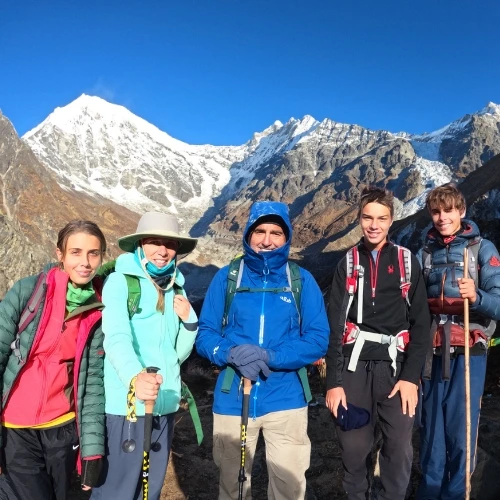
The best time for the Gokyo Lake Trek is autumn, from late September to November, and October is the most reliable month for clear views. Spring, from late March to May, is the second-best time to trek, with warmer days and rhododendrons blooming in the lower forest areas.
Winter suits well-prepared trekkers who want empty trails, while the monsoon season is suitable for only a few adventurous hikers. This guide goes month by month: weather, lake color, views from Gokyo Ri, crowds and Lukla flights, so you can pick the window that fits your own trip. Set in Nepal's Khumbu region, the Gokyo Lake Trek leads you through high-altitude valleys to six stunning glacial lakes and panoramic Himalayan views from Gokyo Ri.
Why timing matters more at Gokyo than on most treks
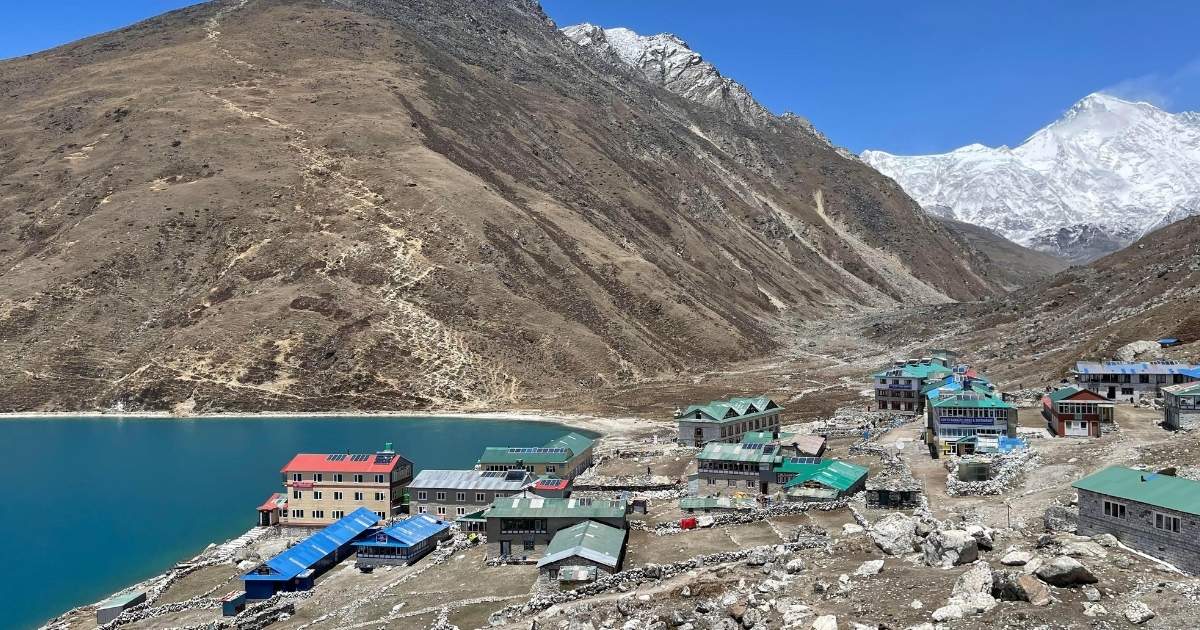
Gokyo Village lies at around 4,790 m, while Gokyo Ri stands 5,357 m above sea level. At this height, the cold, snow, and clouds are stronger than in lower places like Namche Bazaar (3,440m). Bad weather that causes little trouble lower down can block the views or make mountain paths difficult to cross.
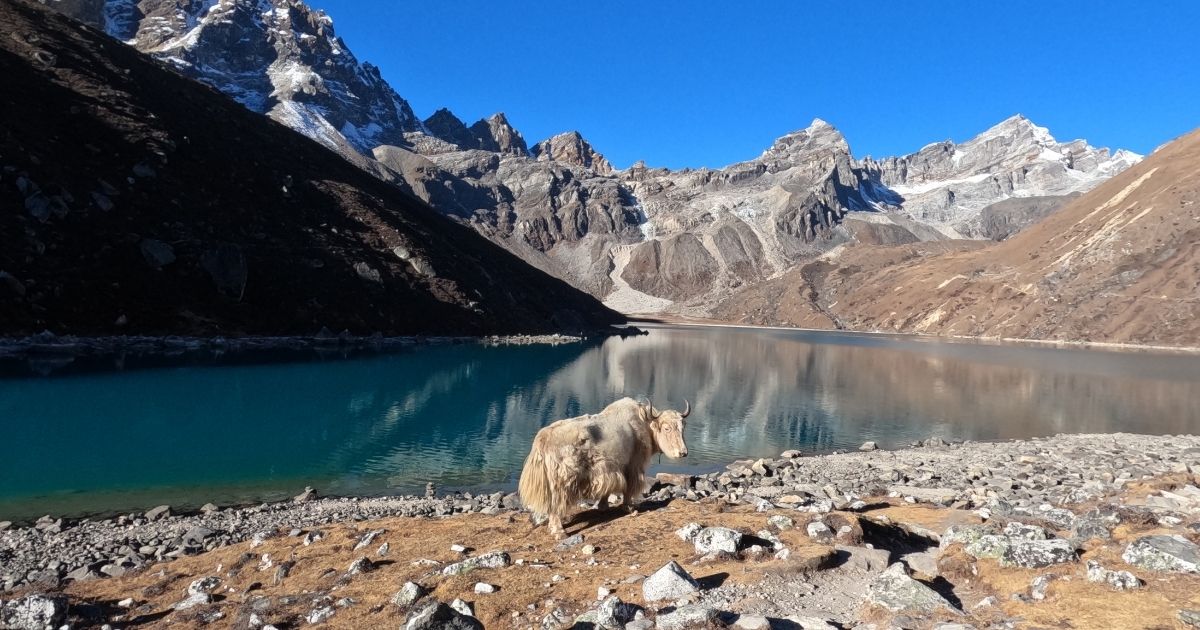
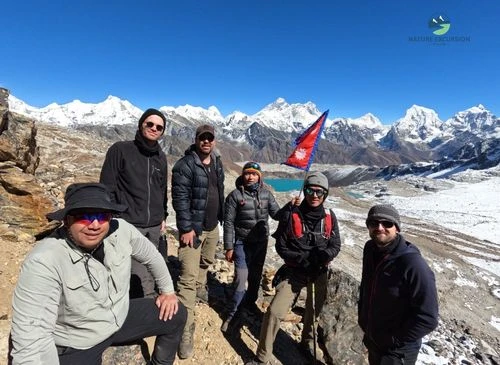
gokyo lake
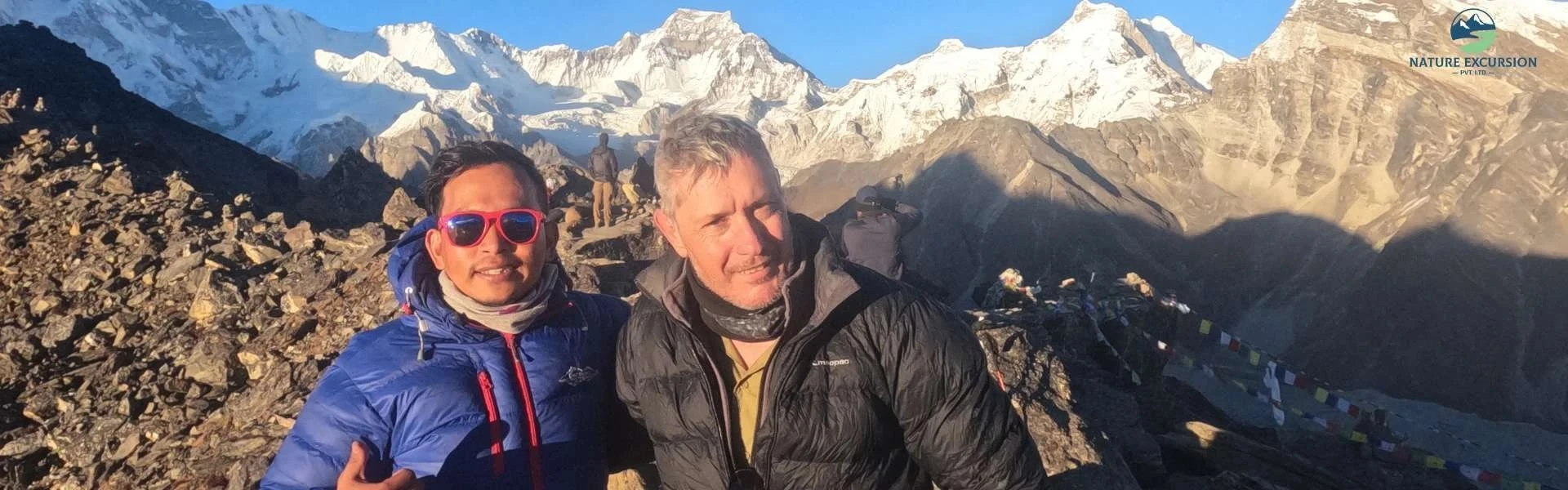
Most trekkers visit Gokyo for its beautiful mountain views. From Gokyo Ri, you can see four of the world's highest mountains: Everest, Lhotse, Makalu and Cho Oyu, along with the Ngozumpa Glacier and the lakes below. However, clouds can hide much of this scenery. The journey also depends on flights to and from Lukla. Almost all Gokyo treks begin and end there, and flights can only operate when the weather is clear.
How the lakes change through the year
Gokyo has six main lakes, between about 4,700 m and 5,000 m, inside Sagarmatha National Park. Since 2007, they have been a protected Ramsar wetland. Their color comes from glacial silt, and it changes with the season.
Autumn: Clear blue water with the turquoise color seen in photographs and mountain peaks reflected on the lake in the morning.
Winter: Some lakes freeze in part or in full, often under snow, and turn white or grey.
Spring: The ice breaks up slowly from the edges; by May the water is open again.
Monsoon: The water is open, but clouds hide the peaks and the lakes look grey.
Gokyo Lake Trek Weather and Scenery Across Four Seasons
Each season gives you a different trek. In autumn, clear peaks and blue water. In spring, warmer days and flowers on the lower trail. In winter, snow, ice, and silence. In the monsoon, green valleys and clouds. Let's look at each season in detail below:
Spring at Gokyo Lakes (March to May)
March can still bring snow and icy areas above Machhermo. April gives the best balance of warmer days and clear morning views. Lower down, rhododendrons bloom in the forests around Namche and on to Dole. Higher up, the lakes start to melt from the edges, and the hills turn from brown to green. May is the warmest month, but clouds and pre-monsoon haze build, so the best views come early.
Best months: April and early May
Recommended period: early April to mid-May
Mountain visibility: good in the morning; haze and cloud later, more so in May
Crowd level: busy in April, moderate in March and May
Suitable for: nature lovers and trekkers who feel the cold
Autumn at Gokyo Lakes (September to November)
Autumn is the best season for one reason: the air. The monsoon washes the dust out of the sky, and the dry weather after it gives the clearest views of the year. From Gokyo Ri, Everest, Lhotse, Makalu and Cho Oyu can be seen in one line, and in the mornings the peaks reflect in the lakes. For clear mountain photographs and the best chance on Gokyo Ri, choose autumn.
Best months: October and November
Recommended period: late September to mid-November
Mountain visibility: the best of the year
Crowd level: high in October, moderate in late September and November
Suitable for: photographers, first-time high trekkers, anyone after the classic view
Winter at Gokyo Lakes (December to February)
Winter is the least crowded time to visit Gokyo. Snow covers the hills, the air is clear, and you may have a viewpoint to yourself. Around the lakes and Gokyo Ri, winter temperatures run from about -5°C to -20°C. Some lakes freeze or lie under snow, so do not expect turquoise water. Trails can be icy, heavy snow can close an area for a day or more, and some higher lodges close for the season.
Best months: December
Recommended period: early to mid-December
Mountain visibility: clear; storms can close it for a day or more
Crowd level: very low
Suitable for: experienced trekkers with cold-weather gear and flexible dates
Monsoon at Gokyo Lakes (June to August)
The monsoon turns the lower valleys green, with waterfalls flowing in the Dudh Koshi valley. But rain and cloud hide the mountains on most days, and the chance of seeing Everest from Gokyo Ri drops. Lower trails become slippery, landslides can block sections, and Lukla flights are delayed.
Best months: None for views; late August is the least wet
Recommended period: Only with flexible dates and spare days
Mountain visibility: Mostly cloudy, with less clear skies in the early morning
Crowd level: very low
Suitable for: experienced trekkers with flexible schedules
Gokyo Lake weather month by month
Nighttime temperatures around Gokyo Lake drop below freezing for much of the year. Autumn nights range from -5°C to-15°C, while spring nights are around -2°C to-10°C and winter nights can be even colder. The table below provides a month-by-month guide to help you plan your journey.
Month
Season
Visibility
Lake conditions
Crowds
Recommendation
January
Winter
Clear, very cold
Frozen in part
Very low
Experienced trekkers only
February
Winter
Clear, snow possible
Frozen in part
Very low
Experienced trekkers only
March
Spring
Good, cold mornings
Melting at the edges
Rising
Good late in the month
April
Spring
Good mornings, haze later
Mostly open
High
Best spring month
May
Spring
Clear mornings, afternoon cloud
Open
Moderate
Good early in the month
June
Monsoon
Poor
Open, grey
Very low
Not for views
July
Monsoon
Poor
Open, grey
Very low
Not for views
August
Monsoon
Poor, better late
Open
Very low
Flexible dates only
September
Autumn
Improving
Open, color returning
Rising
Good from mid-month
October
Autumn
Best of the year
Turquoise
Highest
Best month overall
November
Autumn
Clear, colder
Open
Moderate
Clear views, fewer people
December
Winter
Clear, very cold
Starting to freeze
Low
Good if prepared
September vs October vs November: Which Autumn Month Should You Choose?
September is a good choice for trekkers who enjoy green valleys and fewer people and don't mind some clouds.
October suits trekkers who want the safest bet on weather. The cost is high: trails, lodges and flights are at their busiest.
November suits trekkers who want cloudless skies and uncrowded trails and can take the cold, which grows through the month.
Note: October is the best month among all three favorable months for trekking.
Secure Your Spot on the Trail
Peak seasons fill up fast in the Khumbu region. Reserve your Gokyo Lake trek today with flexible booking terms.
The Frozen Lakes Factor: When Are Gokyo Lakes Frozen?
The freezing and melting of the Gokyo Lakes affect both trekking conditions and their appearance. This process follows a regular yearly pattern based on sunlight and falling night temperatures.
Late November: Ice starts forming on the edge of the Fourth and Fifth Lakes. Third Lake (Gokyo Tsho) shows a thin layer of ice during early morning hours, which melts under direct midday sun.
Mid-December: Night temperatures below -15°C freeze the surface of Third Lake completely.
January to February: Deep freeze period, so the ice on Third Lake can reach 30–50 cm thick. Light snow covers the frozen lake.
Late March: Warming daytime temperatures start breaking the ice in the middle of the lake, and blue water appears on the edges.
Mid-April: The lake ice breaks into floating pieces, with blue water appearing between the white ice.
May: The lakes melt completely.
Best time for the Gokyo Ri sunrise and clear Everest views
From the top of Gokyo Ri you can see four of the world’s tallest mountains at once: Everest, Lhotse, Makalu and Cho Oyu. Dawn is the best time to visit in any season. On our 13-day trip, you set off around 4:30 am and climb for two to two and a half hours, so you arrive just as the sun comes up behind Everest. April and May are also lovely, but clouds start building from the valley by mid-morning, so aim to be on top before 8:30 am.
From December to February, the air is very clean, yet it can feel cold at the top, with temperatures falling below -25°C, so you will need warm clothes and a lot of patience. Whatever month you choose, one tip helps more than any other: keep a spare morning at Gokyo. If the first dawn is covered by clouds, you can climb the next day again. Many trekkers who give themselves that extra chance are rewarded with a clear sunrise they will never forget.
Best Time for Gokyo Lake Trek Based on Your Travel Interests
Mountain photography: October and November, the clearest air of the year.
Turquoise lakes: October, open water under clear skies.
Snow-covered landscapes: late December to February, with the gear and experience.
Peaceful trails: late November, early December or May.
Comfortable walking temperatures: April and May.
Culture: autumn, when Dashain and Tihar fall, and Mani Rimdu at Tengboche Monastery is held.
Build Your Ideal Trek
Design a custom trek that route matched to your fitness level, preferred pace, and travel dates.
How to choose the right time for the Gokyo Lake Trek?
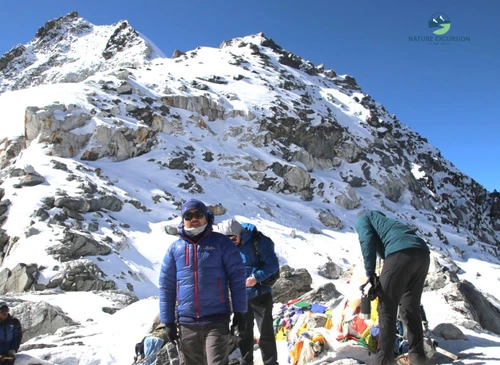
resting on the way to gokyo lake
Consider three things when choosing your trekking season: What matters most to you: the mountain views, warmer days, or uncrowded trails? How flexible are your travel dates? Will you be crossing a high mountain pass? For the best views, choose autumn. For warmer days, spring is a good choice. For quiet trails, winter is suitable if you have the right gear. If your travel dates are fixed, October is the best option.
Gokyo Ri Sunrise vs. Sunset: Beating Afternoon Cloud Buildup
Sunrise is the better choice. Clouds gather from late morning into the afternoon in spring and during the monsoon season. A sunset climb may offer beautiful light on Everest, but clouds are more likely, and the walk back down can be dark and cold. Starting early gives you a better chance of enjoying clear mountain views and taking beautiful photos.
Renjo La Pass Ice Conditions: Selecting Safe High-Pass Windows
Renjo La Pass (5,360 m) connects the Gokyo Valley with the Thame Valley, while Cho La Pass connects Gokyo with the route to Everest BaseCamp. During winter and spring, snow and ice can make both passes difficult to cross or even close them completely. October to mid-November is the safest time, followed by April to May. Carry special shoe grips for icy paths, start early in the morning and follow your guide's advice based on the weather and trail conditions.
Does the Trekking Season Affect Crowds, Teahouses, and Lukla Flights?
Yes, on all three, so in every month, keep one or two spare days before your flight home. In October and April, book flights and lodges early; a few weeks of notice is enough.
Crowds: October and April are the busiest months in Namche Bazaar and Gokyo Village. However, the Gokyo Lakes trek is quieter than the Everest Base Camp trek in every season. Most trekkers follow the main route to Everest Base Camp, so you will meet fewer people on the trail above Dole.
Teahouses: During uncrowded months, you have a better chance of finding a room. In winter and the monsoon season, some lodges at higher places may close or provide fewer services.
Lukla flights:Flights to Lukla depend on clear weather, so morning clouds can cause delays. During the monsoon, from June to August, flight delays and cancellations are more common. In trekking seasons, some flights operate from Manthali Airport in Ramechhap, which is about a four-to-five-hour drive from Kathmandu. The exact flight schedule depends on the arrangements made by the aviation authorities each season.
From 15kg baggage limits to weather delays and Ramechhap diversions, know everything before booking your Lukla flight.
How the Season Changes Gokyo Lake Trek Cost and Overall Budget
During the busiest months, flights to Lukla and good rooms are in high demand, so booking early is important. Group treks cost less per person because the guide, porter, and transport costs are shared. A private trek gives you more freedom to choose your travel dates and walking speed.
The main costs remain similar in every season. These include international flights, flights to Lukla, permits, guide and porter fees, teahouse rooms, meals, trekking gear, and travel insurance. Winter and the monsoon do not always mean lower trekking costs. Some lodges may be closed, flights can be delayed or canceled, and extra days on the trail can increase your expenses. For a detailed cost breakdown, read our guide to the Gokyo Lakes trek cost.
Essential Weather Tips for a Successful Trek
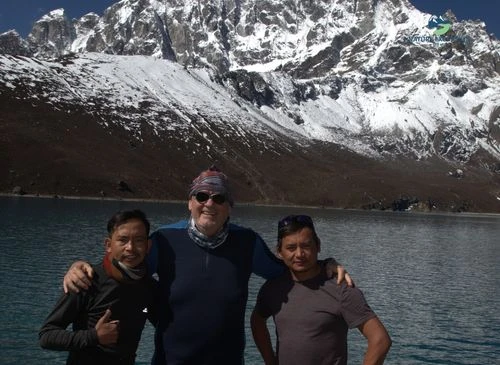
Gokyo village and Golyo lake
You do not need special mountain training for the Gokyo Lakes trek. However, regular walking, uphill practice and long walks with a light backpack will prepare you. Try to build your fitness before the trek so you can manage longer walking days comfortably. Wear clothes in layers, choose comfortable boots that you have already worn, and carry sunglasses and sunscreen. The sun can be very strong at 5,000 m, even on cold days. Your packing needs change with the season:
Spring: Carry a light warm jacket for cooler weather and a rain jacket for afternoon showers.
Autumn: Bring a warm down jacket and a good sleeping bag, especially for cold nights in November.
Winter: Pack clothes for very cold weather, shoe grips for icy trails, and insulated water bottles.
Monsoon: Carry a rain jacket, waterproof trousers, a backpack cover and leg covers to protect against mud and rain.
Still Unsure When to Trek?
Chat directly with our local Himalayan experts on WhatsApp for real-time weather advice and trail updates.
October is the best month for the Gokyo Lakes trek with the clearest mountain views and the bluest lakes. November is another good choice, with fewer trekkers on the trails. April is warmer, while winter is best for well-prepared trekkers and the monsoon suits those with flexible plans. Choose the month that best suits your plans, then explore our 13-day Gokyo Lakes trek or contact our team to plan your journey.
FAQs
Is the Gokyo Lakes trek better than the Everest Base Camp trek?
Neither trek is better than the other; it depends on what you want to experience. Gokyo offers beautiful blue lakes, the Ngozumpa Glacier and views of four high mountains from Gokyo Ri, with fewer trekkers on the way. Everest Base Camp takes you to the foot of Mount Everest and offers beautiful views from Kala Patthar.
What is the difference between the Gokyo Lakes trek and EBC via Gokyo?
The Gokyo Lakes trek goes to Gokyo and back to Lukla. EBC via Gokyo continues over the Cho La pass to Everest Base Camp. It is longer, crosses a high pass, and is best in autumn or late spring.
How many days do you need for the Gokyo Lakes trek?
You need 12 to 14 days from Lukla and back, with rest days for acclimatization. Our standard trip takes 13 days, a shorter version takes 9 days, and adding Cho La to Everest Base Camp takes about 17 days.
Do I need a guide for the Gokyo Lakes trek?
Yes, foreign trekkers in Nepal are required to trek with a licensed guide in many trekking areas. A guide also helps you find open lodges, follow the right trails, and make safe decisions when weather or trail conditions change.
What permits do I need for the Gokyo Lakes trek?
You need two permits for the Gokyo Lakes trek. The Sagarmatha National Park Entry Permit costs NPR 3,000 (USD 19) for foreign nationals, while the Khumbu Pasang Lhamu Rural Municipality Permit costs NPR 3,000 (USD 19). The total cost is approximately NPR 6,000 (USD 39) per person.
When do the Gokyo Lakes trek trails open after winter snow?
The main Gokyo Lakes trail is open throughout winter, although snowfall can block some sections for a few days. Most of the trail is clear by late March; however, higher routes such as Renjo La and Cho La passes can remain covered in snow for longer.
Written by
Karan GurungChief Executive Officer
Hello, I’m Karan Gurung, a passionate mountaineer from Nepal with over 15 years of experience exploring the majestic peaks of the Himalayas. I grew up surrounded by towering mountains; my love for adventure and the thrill of high-altitude trekking have shaped my life to the next level. For me, the mountains are more than just a place to trek, and I believe they are a source of inspiration, a connection to nature, and a way of relaxing your mind and soul with peace. I’m always here to share my experiences, travel tips, and stories from my adventures to help others appreciate the beauty of the Himalayas in Nepal through articles and blogs. Whether you're an experienced trekker or someone new to the mountains, I’m here to guide and inspire you for your first or next adventure in Nepal!
Everest Three Passes trek costs around USD 1,432 to 1,792 per person. Your total trip budget also needs to cover international flights, insurance, you...
The Everest Three Passes Trek is one of the hardest teahouse treks in Nepal. The trek crosses three passes above 5,300 m in one loop through the Evere...
The Gokyo Lake trek is moderate to hard. The standard route is a trekking route, not a mountaineering climb, but you sleep at about 4,750 m in Gokyo V...