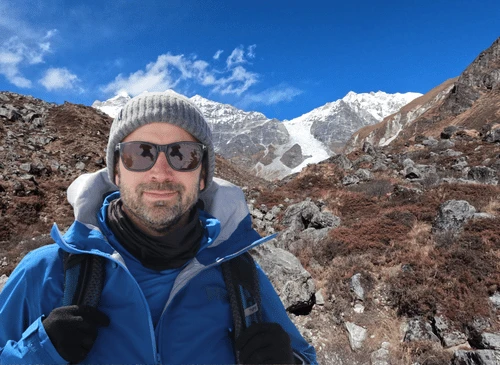
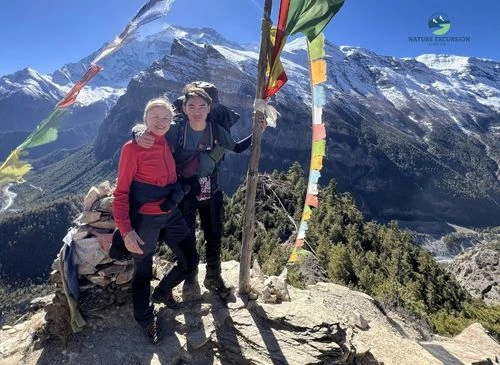
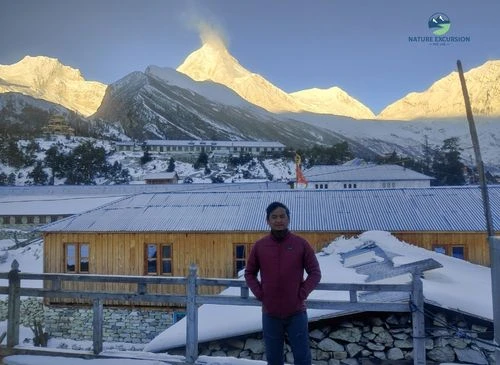
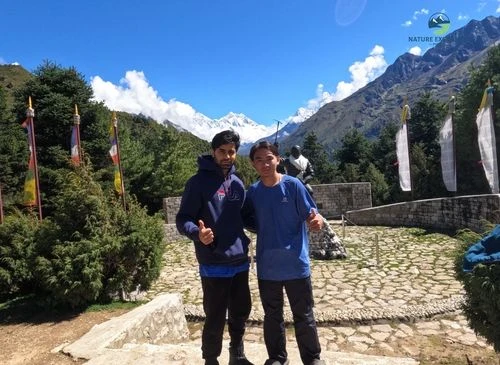
If you choose the right season for the Langtang Valley trek, the route feels like a long, rewarding mountain walk through forests, yak pastures, and Buddhist villages. Choose the wrong season for trekking, and the same trail can become difficult because of rain, leeches, snow, or closed teahouses.
Langtang is close to the Tibetan border within the Langtang National Park and only about one day’s drive from Kathmandu, but the weather can change quickly with altitude and season. That’s why the question “When is the best time for Langtang Valley trek?” is not a one-word answer. The best time depends on what you want most, whether it's clear mountain views, fewer people, lower cost, or an easier walking experience.
In this guide, I will explain each season with its pros and cons, typical temperatures at different altitudes, how busy the trail actually gets, and who each season is best for. I will also explain which season is best for beginners, families, or experienced trekkers, whether monsoon and winter season treks are realistic, and packing and planning tips based on real trekking conditions in the Langtang region.
Best Time for Most Trekkers on Langtang Trek
The best times to trek to Langtang Valley for most trekkers are Spring (March to May) and Autumn (September to November). These months offer safe weather, clear mountain views, and open teahouses. Spring offers warmer temperatures, green hills, blooming rhododendron flowers, good views, but sometimes more clouds in the afternoon. Likewise, Autumn offers the clearest skies, the best mountain views, cool, fresh air, but colder nights at high altitude.
.jpg)
Even so, Langtang is one of the few Himalayan treks that you can still do in winter and even during the monsoon, if you understand the conditions and prepare well.
Plan Your Langtang Trek
Ready to follow the map and start trekking? Talk to our team for route advice, trek details, availability, and help planning your Langtang adventure.
How Seasons Affect the Langtang Valley Trek
Before jumping into month‑by‑month details, let’s first understand what actually changes with the seasons in the Langtang Valley.
Weather and visibility: Whether you see Langtang Lirung for days while trekking or just clouds.
Trail conditions: Dry and dusty vs muddy, snowy, or icy.
Crowd levels: More trekkers, easier room availability, solitude, and peace on the trail.
Safety: Landslides, avalanches, slippery sections, altitude risk.
Local life: Festivals, farming cycles, yak movements, teahouse openings.
Now let’s look at each season in detail.
Spring (March to May): The Nicest, Most Colorful Time
If I had to pick only one season to recommend to a first‑time trekker, it would be spring. The weather is not too cold, the skies are often clear, and the landscape is full of color.
Weather and Temperatures:
Spring comes after winter, so the days become warmer, and the heavy monsoon rain has not started yet.
Daytime temperature is about 10°C to 20°C at lower altitudes and is cooler higher up.
Nights in places like Kyanjin Gompa can be around freezing, but manageable with a warm sleeping bag.
Mornings are usually clear with good mountain views.
Clouds may appear in the afternoon, especially in late April and May.
You still need a down jacket in the evening, but the cold is not extreme.
Trail Conditions and Scenery:
During Spring, Langtang Valley looks very colorful and fresh, like it’s had a fresh coat of paint. This is one of the best times for photography and peak season too, with strong contrast between the forest, the valley, and the mountains.
Forests are full of rhododendron flowers in shades of red, pink, and white.
Hills are green and lush with snow still on the high peaks above.
Trails are mostly dry and easy to walk, with occasional leftover snow patches at higher places early in the season.
Crowd Levels and Rooms Availability:
Spring is a busy trekking season, but not too crowded. If you prefer some social interaction in the evenings but still want quiet sections on the trail, spring is a good balance.
You will meet plenty of trekkers along the trekking route, especially from mid‑March to late April, but it usually doesn’t reach the “packed” level of Everest or Annapurna.
Teahouses are fully open, menus are more complete, and it’s easier to find a room than in late October.
Who Should Trek in Spring:
Spring is a good choice if you are a first-time trekker, want stable weather and comfortable trek temperatures, like flowers, green hills, and clear views, and don’t mind seeing other trekkers, but still want some quiet time. For the best period, aim for mid‑March to late April. Early May is still fine, but it can be slightly warmer and a bit cloudier.
Autumn (September to November): The Classic “Postcard” Season
If you ask trek guides which season has the best mountain views on the Langtang trekking, I bet most of them will say autumn. After the monsoon ends, the air becomes clean and dry, so the mountains look very sharp and clear.
Weather Conditions and Temperature:
Autumn comes right after the rainy season, so the sky is usually clear.
Daytime temperatures are about 5°C to 15°C at the trekking altitude.
Nights at higher places can go below freezing, especially from late October.
Rain is uncommon, but early September may still have a few showers.
The air feels cool and dry, which makes walking comfortable, but evenings can be cold.
Visibility and Scenery:
Autumn is the best time for clear mountain views. If your main goal is photography and panoramas, autumn is the top choice.
Peaks like Langtang Lirung, Langtang Ri, Dorje Lakpa, and Langshisa often look very sharp against a blue sky.
Forest colors slowly change to yellow, gold, and orange later in the season.
Clean air means you can see very far from ridges and viewpoints.
Crowds and Teahouse Status:
Autumn is the busiest season in Langtang. The trail is busy, but usually not as crowded as Everest or Annapurna.
Teahouses can fill quickly in October and early November.
Popular places like Lama Hotel and Kyanjin Gompa get busy.
It is better to arrive early or have a guide reserve rooms.
Prices may be slightly higher during peak weeks.
Who Should Trek in Autumn:
.jpg)
Autumn is the best season for the Langtang Valley trek if you want the clearest mountain views possible, prefer cool weather instead of warm days, don’t mind some crowds, and can plan your trip in advance. Late September or early November is a good time if you want great views with fewer people than mid-October.
Monsoon (June to August): Green, Wet, and Quiet
The monsoon season is the time when many trekkers are unsure whether to go on a trek in the Langtang region. Let me tell you, yes, you can do the Langtang Valley trek in the monsoon, but the experience is very different from spring or autumn, which are considered the best seasons.
Weather and Trail Conditions:
Monsoon in Nepal usually lasts from June to August. Weather and trail conditions during Monsoon look like this:
Expect regular rain, often in the afternoon or evening.
Trails can be muddy and slippery, especially in forest areas.
Leeches are common in lower, wet sections.
Sometimes there are small landslides or detours on the trail.
Mornings may be clear, but clouds often come later in the day.
Advantages of Trekking in the Monsoon:
Even with the rain, the monsoon has some special benefits:
The valley is very green and full of life.
Rice fields, waterfalls, and forests look beautiful.
There are very few trekkers, so the trail feels peaceful.
Mist and clouds can create a mysterious, quiet mountain atmosphere.
Some people who dislike crowds actually prefer this season.
Disadvantages and Risks of the Monsoon Season:
Leeches in wet areas (not dangerous, but annoying).
Higher chance of landslides or falling rocks, so a guide is recommended.
Some teahouses may be closed, giving fewer places to stay.
Mountain views are not always clear. One day may be perfect, and the next full of may be full of clouds.
Who Monsoon Is (and Isn’t) For:
Monsoon may be a good choice if you have trekking experience, don’t mind rain and changing weather, prefer quiet trails and green scenery over perfect views, and trek with a local guide who knows the current conditions.
But if this is your first trek in Nepal and you want clear mountain views, the monsoon is usually not the best season to choose.
Plan an Langtang Trip That Fits You
Want more flexibility? Adjust your Langtang itinerary, trekking days, stops, and activities to match your travel preferences.
Winter (December to February): Cold, Quiet, and Demanding
Winter is the most misunderstood season. Many people think trekking stops completely, but Langtang is doable in winter if you are prepared.
Temperatures and Conditions:
Winter in Langtang means-
Cool but sunny, comfortable daytime temperatures for walking when the sun is out.
Nighttime at higher lodges like Kyanjin Gompa can drop below freezing, sometimes around -10°C or colder.
At higher elevations, trails will be covered with snow and harder to follow without a guide.
Shaded sections can be slippery with ice, even if the snow is shallow.
Pros of Winter Trekking:
Very few trekkers, so the teahouses are quiet and peaceful.
Clear skies give amazing views of the mountains
Snow-covered peaks and white landscapes make it feel magical.
You can feel like you have the mountains almost to yourself.
Challenges and Risks of Trekking in Winter:
Some teahouses may be closed.
Water pipes can freeze, so showers and washing are harder.
Nights are very cold, requiring a good sleeping bag and layers.
Heavy snow can temporarily block higher trails.
Winter trekking is not for casual gear or first-time trekkers.
Who Winter is Best For:
.jpg)
Winter is suitable if you have trekking experience or a good local guide, have or can rent proper cold-weather gear (down jacket, -10°C sleeping bag, warm boots, microspikes), and are okay with simple, rugged teahouse conditions. If prepared, winter in Langtang can be magical and quiet. If not, it can be uncomfortable and risky.
Seasonal Wildlife, Flora, and Local Life in Langtang
One of the underrated joys of Langtang is how the valley changes not just with the weather, but also with wildlife, plants, and local activity in each season.
- Spring: Forests are alive with rhododendrons, magnolias, and fresh pine needles, giving the trail a colorful, vibrant feel. Also, animals like langurs, Himalayan black bears, and red pandas are more active as they move and feed after winter (though sightings are never guaranteed). Further, villagers are busy with farming preparations, and you’ll see a lot of farming activity lower in the valley.
- Monsoon: The valley turns bright green, with thick forests and big waterfalls. You might see musk deer, Himalayan tahr, and many birds taking advantage of the rich foliage and insects. Also, farming work is at its busiest. You might meet locals carrying loads or looking after livestock.
- Autumn: Forests turn golden and orange, contrasting beautifully with the clear blue sky and snowy peaks. It becomes easier to spot high‑altitude animals like blue sheep. This is also festival season in Nepal (Dashain, Tihar, etc.), and if your dates align, you may witness or even join local celebrations.
- Winter: Many trees are bare or snow‑covered, but pines remain green, giving a stark yet beautiful landscape. Some animals migrate to lower altitudes or reduce activity, but snow leopards and blue sheep are more active in higher, colder zones, though seeing them is still rare and usually requires specialist trips. Local life slows down. People stay indoors more because of the cold, and villages feel quiet.
What to Pack by Season
While going on a Langtang Trek, your packing list shouldn’t be the same for every month. You need to pack extra items based on trail conditions, weather, and temperatures in each season. A few tweaks make a big difference.
Langtang Valley Trek Spring and Autumn Packing List
Clothing: Lightweight base layers for walking, a warm mid‑layer, and a down jacket for evenings
Footwear: Good trekking boots with a broken‑in sole, suitable for mixed trail conditions.
Sleeping: Sleeping bag rated -5°C to -10°C for higher villages
Sun Protection: Hat, sunglasses, sunscreen
Extras: Light gloves and a beanie for cool mornings/nights
Langtang Trek Winter Packing
Clothing: Heavier down jacket, layered thermals (tops & bottoms)
Sleeping: Sleeping bag rated -10°C to -15°C
Footwear: Insulated, water-resistant boots and thick socks
Extras: Microspikes/light traction devices for icy patches, extra gloves, neck gaiter, warm headwear
Monsoon Packing List for Langtang Trek
Clothing: Waterproof jacket, rain pants, quick-dry shirts/trousers (avoid heavy cotton)
Protection: Backpack rain cover, dry bags/liners for electronics and clothes
Footwear: Spare shoes or sandals for lodges
Extras: Anti-leech socks or high socks, leech repellent
Have Questions About Your Trek?
Get quick answers about routes, costs, permits, difficulty, or travel dates from our trekking team before you book.
Final Recommendation
The best seasons to trek in Langtang Valley are Autumn (September to November) and spring (March to May). They offer pleasant weather, clear mountain views, and the best trekking conditions even for beginner trekkers on the Langtang trek. Only experienced trekkers who can handle extreme cold and snow are advised to undertake this trek in winter, from December to February. Monsoon season (June-August) suits those who prefer solitude and do not mind heavy rainfall, slippery trails, and leeches.
Whichever season you choose, planning around the realities of the weather and trail, not just the marketing photos, will make your Langtang Valley trek far more enjoyable and safe. The trek offers the best views of Langtang Himal and also provides an opportunity to soak in the local Tamang culture.