What Makes the Annapurna Region a Popular Area for Viewpoints
The Annapurna region is a popular area for viewpoints because nature has made it perfect for seeing beautiful mountains easily. The region offers a unique combination of accessible high-altitude terrain, stunning natural features, and world-class infrastructure, which makes it ideal for exploring its beauty.
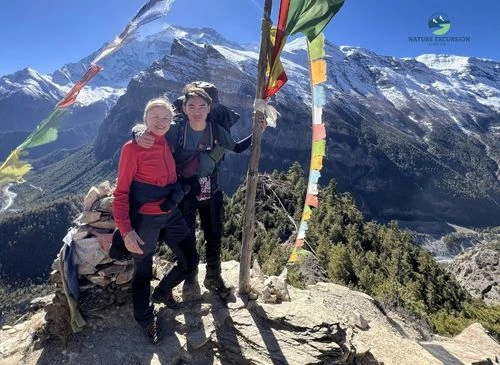
Likewise, the region has the Annapurna Himalaya, home to the world’s tallest and well-known mountains, including Annapurna I and Machapuchare (Fishtail). Because the mountains are close together, a single viewpoint in the region can showcase multiple 7,000-8,000 m peaks at once.
Plan Your Annapurna Region Trek
Ready to experience the best viewpoints in the Annapurna region? Talk to our team for route advice, trek details, availability, and help planning your Himalayan adventure.
The Annapurna region features deep valleys and high hills that create natural spots where people can stop and take in the scenery. There are many walking paths that lead uphill to these places, so even non-climbers can reach them without climbing skills.
The weather in the Annapurna region changes rapidly, with cloud seas, moving mists, and sudden clearings that provide cinematic quality to views many trekkers describe as unforgettable. In addition, the easy access from Pokhara to Annapurna makes the location the best viewpoint within the city’s reach. For these reasons, the Annapurna Region is one of the best viewpoints in Nepal.
Duration:13 DaysStart fromUSD 1250USD 1116based on 12 reviews
Poon Hill
Poon Hill is one of the most popular and beginner-friendly viewpoints in the Annapurna region. It is one of the few locations that offer a 360-degree view of the Himalayan peaks at an elevation of 3,210 meters. For many travelers, Poon Hill is their first Himalayan experience and becomes a lifelong memory. The trek to the viewpoint is safe, short, and well-marked. The location is ideal for traveling with families and loved ones.
The sunrise at Poon Hill is the destination’s main highlight. To get to the viewpoint, trekkers usually start walking early in the morning before dawn. As the sun rises, the sky changes color, and the snow-covered peaks begin to glow in golden and pink colors. From a single viewpoint, trekkers can find themselves surrounded by Mount Dhaulagiri, Annapurna South, Annapurna I, Machhapuchhre, Nilgiri, and Hiunchuli.

Poon Hill is one of the busiest viewpoints in the Annapurna region, especially during peak trekking seasons. At the viewpoint, you can expect a mix of local trekkers and international travelers. Although the location is crowded, the atmosphere will be peaceful, especially at sunrise.
Moreover, spring from March to May and autumn from September to November are the best times to visit Poon Hill, as the weather is stable and visibility is clear. Winter also provides beautiful views, but it is colder. The monsoon season has fewer crowds, but clouds block mountain views.
Annapurna Base Camp
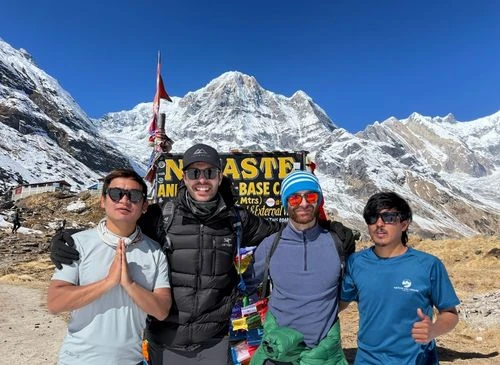
Annapurna Base Camp is one of the best viewpoints in the Annapurna region. Unlike hilltop viewpoints, where mountains are seen from a distance, ABC takes you into a natural mountain amphitheater surrounded by mountain peaks. From the ABC viewpoint, the mountain feels close and overwhelming in the best way possible.
From the base camp of Annapurna, you can clearly see Mount Annapurna I, Annapurna South, Annapurna III, Machhapuchhre, Hiunchuli, and Gangapurna. The view from the top is especially beautiful in the morning and evening when the sunlight changes the color of the mountains. The walk to Annapurna Base Camp is longer than the Poon Hill route, but it is safe and popular with travellers worldwide.

One of the most unique aspects of Annapurna Base Camp is its location inside the Annapurna Sanctuary, a protected bowl formed by mountains. Here, the wind is calmer than expected at high altitude. And the night sky appears extremely clear, with stars shining above white peaks.
Ghandruk
Ghandruk is one of the most beautiful and culturally rich viewpoints in the Annapurna region. Not at a high elevation, the village combines mountain scenery, village life, and easy accessibility. The village lies at elevations of 1,940 to 2,012 meters and is a traditional settlement with clear views of the Annapurna range. From the viewpoint perspective, Ghandruk proves that you don’t need high altitude to enjoy Himalayan beauty.
What makes Ghandruk special is that the viewpoint is not at a single spot. Instead, you enjoy mountain views from courtyards, stone steps, rooftops, and village paths. From Ghandruk, you can clearly see Annapurna South, Hiunchuli, and Machhapuchhre. Mornings in Ghandruk provide the clearest mountain visibility. As the sun rises, the mountain rays touch the peaks. Evenings are peaceful, although clouds may cover the peaks in the afternoon.

Ghandruk trek is suitable for short hikes and light treks. Thus, the trek is ideal for beginners and first-time trekkers, families, students, and travelers with limited time. The route to Ghandruk is well-maintained and passes through forests, terraced fields, and small settlements. Moreover, the Ghandruk viewpoint allows travelers to experience the Gurung culture, which makes it one of the most meaningful viewpoints in the Annapurna region.
Mardi Himal Viewpoint
The Mardi Himal Viewpoint is located at approximately 4,200 meters above the Mardi Himal trail. The viewpoint at Mardi Himal offers clear views of Mount Machhapuchhre, Annapurna South, and Hiunchuli. What makes these views unique is the angle and distance.
Not only known for stunning views, but the Mardi Himal Viewpoint is also well known for its peaceful route compared to famous routes like Poon Hill or Annapurna Circuit. Similarly, Mardi Himal is not on a major circular trekking route, so most people on the route come with a specific purpose rather than by accident. Thus, the destination attracts trekkers who value scenery over popularity.
Standing at the Mardi Himal viewpoint feels like standing on a natural balcony between sky and earth. The viewpoint is perfect for those who want surreal mountain sights without a big crowd, which makes it one of the underrated viewpoints in the Annapurna region.
Australian Camp
Australian Camp is one of the easiest and most accessible viewpoints in the Annapurna region. One of the unique aspects of this viewpoint is that it offers classic Annapurna mountain views with little effort. The Australian Camp proves that you don’t need a long trek to enjoy the mountain landscape. Anyone visiting Pokhara can easily get to the viewpoint in a short time. Moreover, the trek to the viewpoint is perfect for beginners and those who prefer short trips.
From the Australian Camp viewpoint, visitors can enjoy clear views of Mount Annapurna South, Machhapuchhre, Hiunchuli, and parts of the Annapurna range. The mountains seem clean, especially in the early morning.
The balanced setting of Australian Camp’s viewpoint, with a mix of simple lodges, mountain views, and open grassland, makes it unique. Unlike the high-altitude, longer-duration viewpoint, which feels remote, this viewpoint feels welcoming and friendly. Another special aspect of the viewpoint is learning opportunities. Australian Camp helps visitors understand the geography of the Annapurna region and introduces the Himalayan landscape in a day or a half-day.
Things to Know Before Visiting Annapurna Viewpoints
While studying the above content, you might have imagined that the viewpoints in the Annapurna region are all about peacefulness and somehow easy to achieve. However, they are locked in the mountains where altitude, weather, and trail conditions change quickly. So, before visiting the viewpoints in the Annapurna region, it is important to understand the following aspects:
Altitude
Viewpoints in the Annapurna region span a range of altitudes, from low-hill viewpoints near Pokhara to high-alpine areas above 4,000 meters. While trekking to low hills below 3,000 meters is easy and suitable for anyone, high-level viewpoints pose a risk of altitude sickness. Likewise, at higher viewpoints, the air becomes thinner, and your body gets less oxygen. So, it is crucial to walk slowly and take regular breaks during a high-altitude walk. Similarly, drink plenty of water, and do not rush to a higher elevation in one day.
Weather Condition
The weather in the Himalayas, including the Annapurna region, is unpredictable. Mornings in the region are generally clear, so the time is best for mountain views. Afternoons come with clouds, wind, or light rain (during the monsoon). Additionally, nights are cold even at lower elevations, but the sky is clear with stars.
The important weather tips include:
- Carry warm layers
- Check the weather forecast before starting the day hike
- Start the hike early in the morning for better visibility.
Trial Conditions
Trails leading to Annapurna viewpoints vary from well-maintained stone steps to narrow mountain paths. Some routes are easy while others may be steep. During monsoon or winter, the routes can become slippery due to rain, mud, snow, or ice. When trekking, remember to wear shoes with a good grip, use a trekking pole or walking stick, and be careful on downhill sections.
Basic Preparation Tips
- Carry enough water and light snacks.
- Protect yourself from the sun with a hat and sunscreen.
- Keep a small backpack with essentials only.
- Listen to your body and rest when needed.
Need an Annapurna Trek Plan That Fits You?
Want to visit the best viewpoints at your own pace? Get an Annapurna trek plan tailored to your travel dates, preferred route, available time, and trekking goals.
How to Choose the Right Viewpoint Trek
Now that you’ve observed everything about the best viewpoints in the Annapurna region, you may still be wondering how to choose the right one. Honestly, choosing the right viewpoint depends on how much time you have and how fit you are.
Short hikes such as Australian Camp and Poon Hill are ideal if you have limited time or are new to trekking. The hikes generally last a few hours to one day and do not reach very high elevations. The short hikes offer beautiful mountain views with minimal physical effort, and it’s best if you are staying in Pokhara. Similarly, if you have 1-2 days, choose viewpoints near Pokhara. Also, if your fitness level is low to moderate, choose short hikes with plenty of rest stops. In addition, short hikes let you enjoy the Himalayas while returning to comfort.
Multi-day treks are better suited for travelers seeking in-depth mountain experiences, such as the Annapurna Base Camp Trek and the Mardi Himal Trek. These treks take several days and take you to a higher location. The treks require more walking days, stamina, and planning. If you have 3-5 days, you can reach mid-level viewpoints. Furthermore, if you have a week or more to spend, higher viewpoint options are available that offer close-up views and a sense of achievement.
Here’s a clear comparison table that makes it easy for you to choose the right Annapurna viewpoint at a glance:
| Factors | Short Treks/ Easy viewpoints | Multi-day Treks/Moderate to challenging viewpoints |
| Time | 1-2 days | 3 to 10+ days |
| Fitness Level | Low to Moderate | Moderate to High |
| Altitude Range | Low to mid altitude | Mid to high altitude |
| Mountain Views | Distant but wide Himalayan views | Close-up mountain views |
| Crowd Level | Usually more visitors | Generally, fewer people as you go higher |
| Trek Difficulty | Gentle Trails | Steeper, longer, and rugged trails |
| Preparation Needed | Basic clothing and water | Requires more planning and preparation |
| Best For | Beginners, families, students, and short trips | Adventure seekers and experienced trekkers |
Explore the Annapurna Region
Ready to see the spectacular Himalayan views for yourself? Explore our Annapurna trekking options, routes, itineraries, and essential trip details before choosing your adventure.
Conclusion
Although there are numerous viewpoints in the Annapurna region, the best one is the one that aligns with your time, energy, and expectations. From easy hilltop viewpoints near Pokhara to high-mountain sanctuaries surrounded by snow-capped peaks, each viewpoint in the region offers a different perspective on the Himalaya. Some viewpoints give sweeping sunrise views, others bring you close to snowy peaks, and some combine mountain views with unique mountain culture.


.webp)
.webp)