The Gosaikunda Trek is one of the most popular short treks in Nepal. It takes you to a sacred alpine lake, Gosaikunda Lake, at 4,380 m in the Langtang region. The trail starts with green forests and Tamang villages. It later reaches open hills, rocky paths, prayer flags, and mountain lakes.
This trek suits travelers who want a Himalayan experience within a week. It also offers a mix of natural beauty, local culture, and religious history. It is also a popular pilgrimage route for Hindu and Buddhist visitors. The main route starts from Dhunche, and you can complete the main route in 6 to 8 days from Kathmandu. You can also take a longer route through Helambu or combine it with the Langtang Valley Trek.
This Gosaikunda Trek guide covers everything you need to plan your trip. You will learn about the route, daily walking hours, difficulty level, best time to visit, permits, estimated costs, accommodation, and safety tips.
Why Do the Gosaikunda Trek?
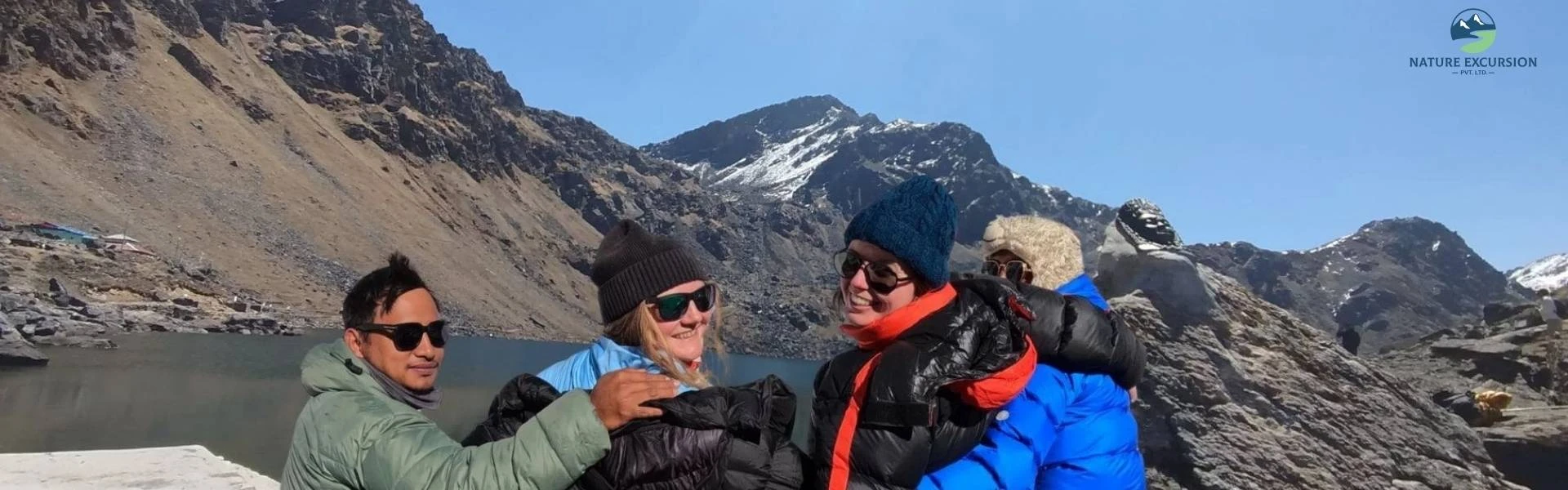
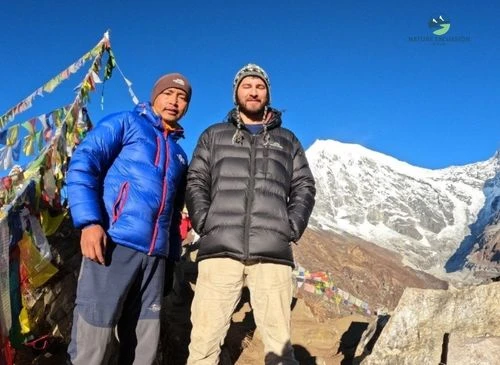
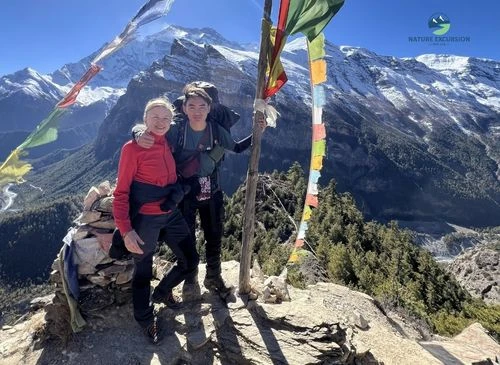
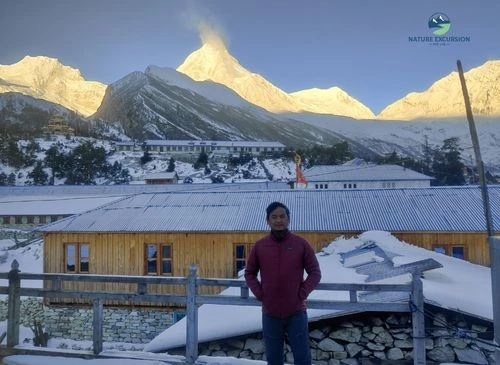
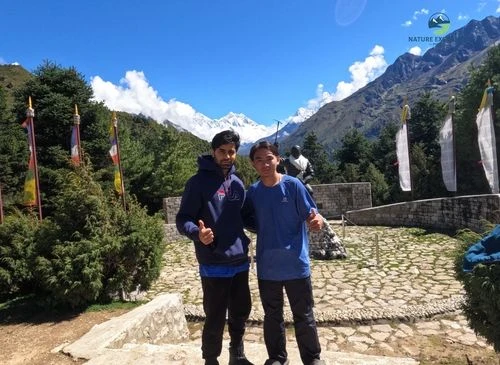
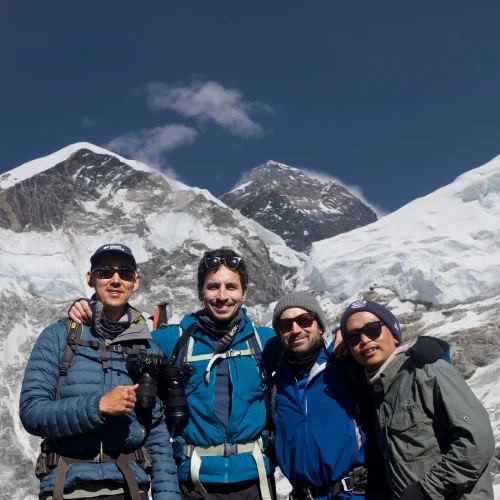
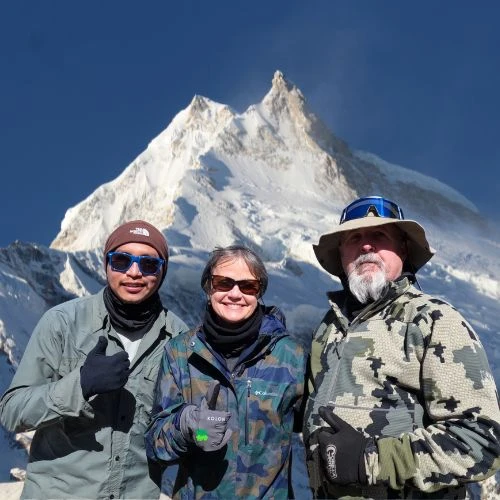
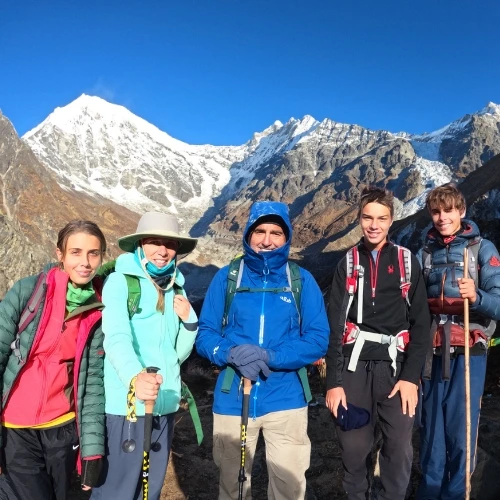
picture-taken-during-gosaikunda-trek
You can choose the Gosaikunda Lake Trek if you want to experience Nepal’s mountain scenery, local culture, and religious heritage in one trip. The trail leads to Gosaikunda Lake at 4,380 m and passes through peaceful forests, traditional mountain settlements, and high-altitude landscapes.
Here are the main reasons to choose Gosaikunda Trek:
Visit the sacred Gosaikunda Lake: The main highlight is Gosaikunda Lake, a sacred alpine lake surrounded by rocky hills and mountain scenery. According to Hindu belief, Lord Shiva created the lake with his trident. Its religious importance attracts pilgrims throughout the year, especially during the Janai Purnima festival in August.
Explore other beautiful alpine lakes:Gosaikunda is part of a group of high-altitude lakes. If the weather and trail conditions allow, you can explore nearby lakes such as Saraswati Kunda, Bhairab Kunda, and Surya Kunda. These quiet mountain lakes add more natural beauty to the trek.
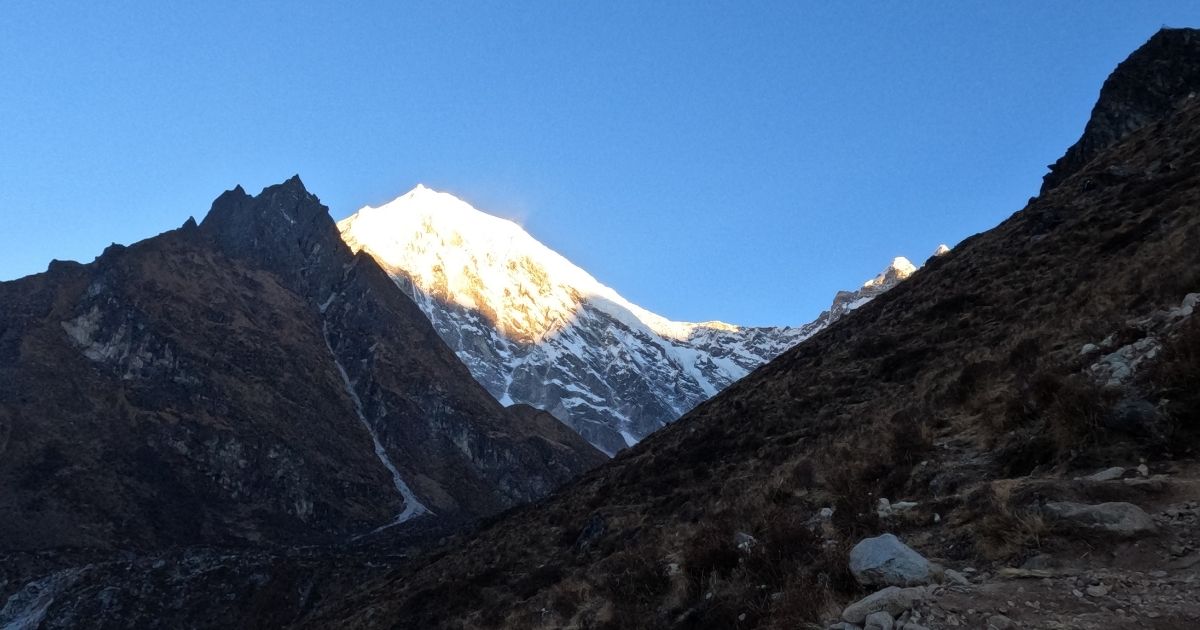
Enjoy views of the Langtang Lirung and Ganesh Himal: The trekking trail offers impressive views of the surrounding Himalayan peaks, including parts of the Langtang Range and Ganesh Himal. Clear mornings often provide the best visibility. The changing scenery makes the uphill walk more rewarding.
Walk through forests and mountain landscapes: The lower trail passes through pine, oak, and rhododendron forests. In spring, rhododendrons add color to the hillsides. As you gain altitude, the trees become sparse and open slopes, rocky paths, and alpine scenery take their place.
Visit Sing Gompa and discover local culture: Sing Gompa, also known as Chandanbari, is a small mountain settlement known for its Buddhist monastery and yak cheese production. It is a good place to rest, learn about local life, and enjoy the quiet surroundings before continuing towards the lake.
Experience traditional mountain villages: The Gosaikunda Trek passes through settlements where local communities maintain their traditions and mountain lifestyles. You can experience local hospitality, enjoy simple Nepali meals, and learn more about life in the Langtang region.
Stop at Lauribina for panoramic views: Lauribina is one of the scenic stops on the route to Gosaikunda. As the trail climbs above the forest line, the views open across the surrounding hills and mountains.
Witness the Janai Purnima pilgrimage: If you visit during Janai Purnima, you may see Hindu pilgrims travel to Gosaikunda for religious rituals and prayers. The festival gives the trek a special cultural atmosphere. However, the trail and lodges can become crowded during this period, so plan your trip in advance.
Discover the natural beauty of Langtang National Park:The trek takes you through part of Langtang National Park, an area known for its forests, alpine plants, and Himalayan wildlife. You may spot birds and other wildlife along the way, although sightings are never guaranteed.
Not Sure Which Gosaikunda Route to Choose?
Have questions about the 7 or 15-day itinerary, Helambu route, Langtang extension, difficulty, or acclimatization? Talk to our team for practical advice and help choosing the right route.
Gosaikunda is a holy lake for Hindus. According to Hindu belief, Lord Shiva created the lake with his trident after swallowing poison during Samudra Manthan to save the universe. He needed cold water to ease the burning in his throat, so he struck the mountain and formed the lake. The lake is linked to this story, which explains its importance to many devotees.
Many pilgrims visit Gosaikunda during Janai Purnima, a Hindu festival that usually falls in August. They believe that bathing in Gosaikunda Lake during Janai Purnima brings spiritual cleansing. The lake also holds spiritual importance for local communities and some Buddhist visitors. This way, Gosaikunda Lake is an important pilgrimage site for both Hindus and Buddhists.
Where Is Gosaikunda Lake?
Gosaikunda Lake lies in Rasuwa District in north-central Nepal in the Langtang region. It sits inside Langtang National Park at an altitude of around 4,380 m. The lake is about 110 to 120 km north of Kathmandu by road, although the exact distance depends on the starting point and travel method.
The lake is surrounded by rocky hills and high Himalayan landscapes. Several other lakes sit nearby. The area is known for its clear mountain views, quiet surroundings, and religious importance.
The Gosaikunda trek route you choose affects the trek duration, walking hours, and difficulty. The most direct option starts and ends at Dhunche. A longer option crosses Lauribina La and descends towards Helambu. You can also combine Gosaikunda with the Langtang Valley Trek.
Gosaikunda Trek via Dhunche
This is the most direct and popular route to Gosaikunda Lake. It suits trekkers who want to visit the lake without completing a longer circuit. The journey starts with a drive from Kathmandu to Dhunche. The walking trail then climbs through forest towards Deurali and Sing Gompa, also known as Chandanbari.
From there, the trail continues through Cholangpati and Lauribina and then finally reaches Gosaikunda Lake. After visiting the lake, you return along the same trail. You can spend an extra night near the lake or at a lower village if your schedule allows.
Typical route: Kathmandu → Dhunche → Deurali → Sing Gompa → Cholangpati → Lauribina → Gosaikunda Lake → return to Dhunche → Kathmandu
This route usually takes about 5 to 7 days, including road travel. The exact duration depends on your pace and overnight stops.
Gosaikunda Trek via Lauribina La and Helambu
Gosaikunda trek via Lauribina La and Helambu option is a longer and more demanding trek itinerary. After visiting Gosaikunda Lake, you continue towards Lauribina La, a high mountain pass at 4,610 m. The trail then descends towards Ghopte and continues through the Helambu region.
This route offers more varied landscapes and avoids returning along the same trail. However, it requires more time and careful planning. Snow, ice, and poor weather can make the pass difficult or unsafe.
Typical route: Kathmandu → Dhunche → Sing Gompa → Lauribina → Gosaikunda Lake → Lauribina La → Ghopte → Tharepati or Kutumsang → Chisapani or Sundarijal → Kathmandu
Allow around 7 to 9 days or more, depending on the route and walking pace. Some itineraries take longer.
Langtang Valley and Gosaikunda Trek
You can combine the Gosaikunda Trek with the Langtang Valley Trek for a longer Himalayan trip. This option adds more villages, forests, mountain views, and time in the Langtang region.
Way to Kyanjin Ri
The Langtang Gosaikunda trek route begins at Syabrubesi. From there, you trek towards Lama Hotel, Langtang Village, and Kyanjin Gompa. After exploring the valley, you retrace part of the trail and continue towards Thulo Syabru, Sing Gompa, and Gosaikunda. Depending on the route, you can return towards Dhunche or continue across Lauribina La into Helambu, forming the Langtang Gosaikunda Helambu Trek.
This combined trek usually needs around 10 to 15 days or more. It is a good choice for trekkers who have extra time and want to explore more of the region.
Ready to Explore Gosaikunda?
Choose the route that fits your adventure, from a short Gosaikunda trek to an extended Himalayan journey. Explore the itinerary, route, duration, altitude, and essential trip details.
The best time for the trek to Gosaikunda is spring and autumn. These seasons offer better walking conditions, pleasant daytime temperatures, and clearer mountain views. However, the weather in the Himalayas can change quickly. Conditions near the lake are colder than in Kathmandu, and snow can affect the higher trail even outside winter.
During Spring (March to May), weather usually warms, and the forests begin to bloom. You can see rhododendron flowers along parts of the lower trail. The days are often suitable for walking, and clear mornings may offer good mountain views. March can still bring snow and cold conditions at higher elevations. April and May are generally warmer, although the weather can change without warning.
Likewise, Autumn (September to November) is another excellent season for the Gosaikunda Trek. The monsoon rain usually clears the dust from the air and can leave the mountain views sharp and clear. September may still bring rain, especially early in the month. October and November often offer more stable weather and good visibility. Teahouses can become busy, so advance planning is useful during peak periods.
Further, Gosaikunda becomes an important pilgrimage destination during Janai Purnima, which usually falls in August. Many Hindu devotees visit the lake for religious reasons.
Gosaikunda Trek Difficulty
The Gosaikunda Trek is moderately difficult. One factor that makes it difficult is the steep uphill trails. The trail climbs from Dhunche through forest towards Sing Gompa and then continues to the lake. Some sections are steep and uneven. You need good stamina and comfortable hiking boots.
Another factor is high altitude. The lake sits above 4,000 m. You may feel tired more quickly than usual, even if you are physically fit. Altitude sickness can affect anyone, regardless of age or fitness. You also reach the lake on day 3, which means a rapid altitude gain from Kathmandu (1,400 m) to Gosaikunda Lake (4,380 m).
Similarly, many trek days involve around 5 to 7 hours of walking. You need enough energy to walk uphill, manage breaks, and reach your overnight stop before dark. The weather near the lake can be cold, even in spring and autumn. Strong winds can make it feel colder.
As for the accommodation, teahouses offer simple rooms and meals. Facilities become more limited at higher elevations. Hot showers, charging points, and Wi-Fi are not available, so trekkers who prefer comfort may find it overwhelming.
Can Beginners Do the Gosaikunda Trek?
Yes, beginners can complete the Gosaikunda Trek if they have good general fitness and prepare well. Previous trekking experience is helpful, but it is not always essential. You should be able to walk for several hours a day on uphill and downhill trails. Start training at least 4 to 6 weeks before the trip. Regular walking, stair climbing, cycling, and short hikes can help build stamina.
If this is your first high-altitude trek, choose an itinerary with enough time to rest and adjust to the altitude. Do not select a short itinerary only to save time. A licensed trekking guide can help you manage the route, recognize early signs of altitude sickness, and respond to changing trail conditions.
Altitude Sickness on the Gosaikunda Trek
Altitude sickness can affect anyone. Fitness does not fully protect you from it. The risk is there during this trek because the Gosaikunda route gains elevation quickly. Common early symptoms of altitude sickness include headache, loss of appetite, nausea, dizziness, tiredness, and trouble sleeping.
Do not ignore these symptoms. Tell your guide or trekking partner as soon as you feel unwell. If symptoms become worse, descend to a lower altitude. Going down is the safest treatment for serious altitude sickness.
Ways to reduce altitude risk:
Trek slowly.
Drink plenty of safe water.
Avoid alcohol at high altitude.
Eat regular meals.
Do not race ahead of your group.
Add an extra acclimatization night if needed.
Travel with a trained guide for better support.
Gosaikunda Lake Trek Permits
For the Gosaikunda Lake trek permit, you need a Langtang National Park Permit to enter Langtang National Park and trek in the region if you follow the standard route from Dhunche. The permit helps support the protection and management of the park. Keep your permit available at checkpoints and follow the instructions of park staff.
The Langtang National Park permit costs NPR 3,000 (plus 13% VAT) for foreign nationals and NPR 1,500 (plus VAT) for SAARC nationals. You can get this permit at the Nepal Tourism Board office in Pradarshani Marg or through a registered local trekking agency.
Likewise, if you continue from Gosaikunda toward Helambu via Sundarijal, you may also need a Shivapuri Nagarjun National Park entry permit.
Accommodation on the Gosaikunda Trek
Teahouses and small mountain lodges provide accommodation along the main route. These are lodges with basic rooms, shared dining spaces, and shared toilets. Lower villages usually have better facilities than higher stops. Teahouses have twin rooms with basic beds and blankets, shared toilets, dining rooms with stoves, phone charging for an extra cost, and Wi-Fi in some places.
tea house on the way to gosaikunda
You may find private rooms in Dhunche and Sing Gompa. At Laurebina Yak and Gosaikunda, rooms are more limited. During autumn, spring, and Janai Purnima, book early through your trekking agency. Note that teahouses at Gosaikunda are seasonal, and services may be limited outside the main trekking months.
Food During the Gosaikunda Trek
Teahouses serve simple meals that provide energy for long walking days. The menu varies by lodge and location. Common teahouse meals include dal bhat (rice and lentils), vegetables, pickles, noodles, fried rice, vegetable or noodle soup, eggs, bread, potatoes, simple vegetable dishes, and tea, coffee, and hot chocolate.
Dal bhat is a popular choice because it provides a filling meal with carbohydrates and protein. You can also choose lighter meals such as soup or eggs if they suit your appetite. Food options become more limited as you climb higher. Tell your guide about any dietary needs before the trek so they can help plan suitable meals.
Eat enough food even when your appetite drops at altitude. Avoid alcohol during the trek. It can make dehydration and altitude symptoms worse. Limit very heavy food when you feel unwell.
What to Pack for Gosaikunda Lake Trek
Pack light, but prepare for cold weather. Temperatures near Gosaikunda can drop below freezing at night, especially from late autumn to early spring.
Clothing:
Waterproof trekking jacket
Warm down jacket
Fleece or warm mid-layer
Thermal top and bottom
Trekking trousers
T-shirts and long-sleeve base layers
Warm hat
Sun hat or cap
Gloves
Warm trekking socks
Comfortable underwear
Footwear and gear:
Waterproof trekking boots with good grip
Sandals or camp shoes
Trekking poles
Daypack
Water bottle or hydration bladder
Headlamp with extra batteries
Sunglasses with UV protection
Sunscreen and lip balm
Rain cover for your backpack
Sleeping bag for cold nights
Power bank
Personal snacks
Health and personal items:
Personal medicines
Basic first-aid kit
Water purification tablets or filter
Blister plasters
Hand sanitizer
Toilet paper
Quick-dry towel
Passport copies
Travel insurance details
Cash in Nepali rupees
Gosaikunda Trek Travel Safety Tips
Train before the trek: Start regular walks 4 to 6 weeks before the trip. Include hills, stairs, or other uphill exercise if possible. The aim is to prepare for several hours of walking each day.
Carry enough cash: Do not expect reliable ATM services along the trail. Withdraw enough Nepalese rupees in Kathmandu before departure. Keep some cash for snacks, hot drinks, charging, showers, and other extra costs.
Start walking early: An early start gives you more time to complete the day's route. It also reduces the chance of reaching your lodge after dark.
Check the weather and trail conditions: Ask your guide or local operator for an update before each stage. Weather, snow, landslides, and road damage can affect the route.
Choose the right itinerary: Do not judge the trek only by its number of days. A longer itinerary can give you more time to adjust to altitude and enjoy the surroundings. If you want to cross Lauribina La, confirm the weather, trail conditions, and your guide's assessment before continuing.
Buy travel insurance: Choose a policy that covers trekking at the maximum altitude of your route. Check whether emergency evacuation and helicopter rescue are included. Standard travel insurance may exclude high-altitude trekking.
Confirm current transport and permit rules: Transport schedules, road access, and trekking regulations can change. Check the latest information before you travel, especially during the monsoon and after natural disasters.
Need the Right Gosaikunda Trek Itinerary?
Not sure which route or trek duration suits you? Get a Gosaikunda trek plan tailored to your travel dates, fitness level, preferred pace, and trekking goals.
We at Nature Excursion offer guided trekking trips in the Langtang region with experienced local guides. Our guided Gosaikunda Trek includes transport, permits, guide, porter, accommodation, meals, and support from Kathmandu to the end of the trip. We also support customized itineraries for solo travelers, couples, families, and small groups.
Thus, contact us to plan a Gosaikunda Trek that matches your available time, group size, and travel preferences. Ask about the route, transport, accommodation, guide services, and current costs before booking.
Written by
Karan GurungExecutive Director
Hello, I’m Karan Gurung, a passionate mountaineer from Nepal with over 15 years of experience exploring the majestic peaks of the Himalayas. I grew up surrounded by towering mountains; my love for adventure and the thrill of high-altitude trekking have shaped my life to the next level. For me, the mountains are more than just a place to trek, and I believe they are a source of inspiration, a connection to nature, and a way of relaxing your mind and soul with peace. I’m always here to share my experiences, travel tips, and stories from my adventures to help others appreciate the beauty of the Himalayas in Nepal through articles and blogs. Whether you're an experienced trekker or someone new to the mountains, I’m here to guide and inspire you for your first or next adventure in Nepal!
The main autumn treks in Nepal are Everest Base Camp, the Annapurna Circuit, Annapurna Base Camp, the Manaslu Circuit, Langtang Valley, and Mardi Hima...
To choose the best trekking company in Nepal, you must verify that the agency holds official registration with the Nepal Ministry of Culture, Tourism...
Sagarmatha National Park is one of Nepal’s most famous protected areas and the core of the Everest region. Located in the high Himalayas of Solukhumbu...