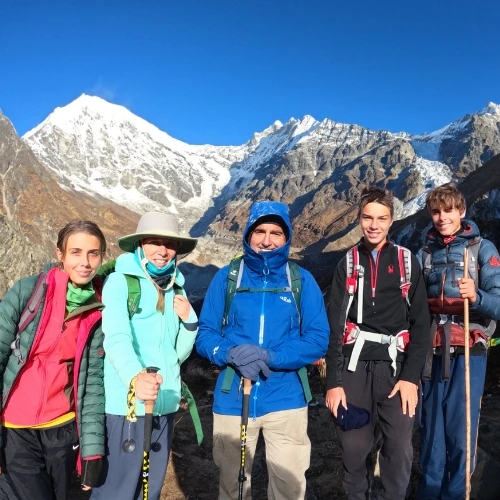
The Annapurna Base Camp Trek is one of Nepal's most popular trekking destinations. First, you will take a bus from Kathmandu to Pokhara, followed by a jeep to Nayapul. Nayapul is the starting point of the trek, from which you will head to several beautiful villages such as Birethanti, Tikhedhunga, and Ulleri, inhabited by the Gurung and Magar, all while surrounded by the majestic Annapurna mountain range. The Pokhara to Annapurna Base Camp Trek is a moderate-level trek, though it can vary depending on weather conditions and trekkers' physical fitness. It is ideal for those looking for a physically demanding trek, but it is not highly technical.
Over 7 to 14 days, trekkers will experience a diverse range of ecosystems, including subtropical forests, rhododendron woodlands, and alpine meadows as they ascend toward the base camp. From Annapurna Base Camp, you’ll enjoy breathtaking views of Hiunchuli, Machapuchare (Fishtail), and other surrounding peaks of the Annapurna massif. In summary, the Annapurna Base Camp Trek combines Himalayan vistas with firsthand insights into the customs of different communities.
What Makes the Pokhara to Annapurna Base Camp Route Special?
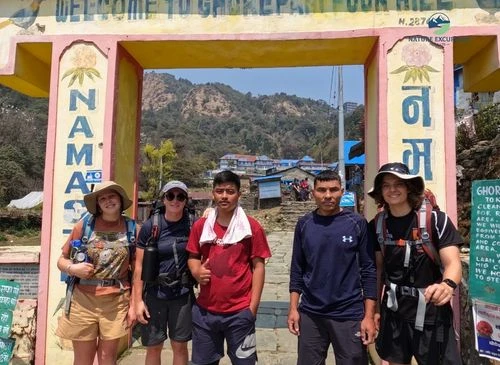
The Pokhara to Annapurna Base Camp route is renowned for its combination of natural beauty, diverse landscapes, and rich cultural experiences. The journey starts with either a drive or a flight to Pokhara. When you first reach Pokhara, you will check into the hotel and stroll around the lakeside. After staying at the hotel in Pokhara, you will drive to Nayapul and then begin your trek. You will pass through a few small villages, dense forests, and terraced fields, just below the Annapurna mountain range.
Annapurna Base Camp Route
The gradual change in the landscape from subtropical forests to alpine meadows is also notable to trekkers who haven’t experienced it before. Along the route, the trekkers pass through various villages, where they encounter Gurung and Magar communities. As you continue your trek, you will visit settlements such as Chomrong and Bamboo, steeped in tradition. They have stone houses, terraced fields, and locals who welcome their guests. You can engage with them and learn about their culture and traditions.
Due to the variety of landscapes, locations, cultures, traditions, and local experiences along the route, the ABC trek is very special. Another very special portion of this route is the teahouses. You will spend the night in one of the teahouses and begin your day by watching the beautiful mountain views of the Annapurna range.
How long does it take to Trek from Pokhara to ABC?
Trekking from Pokhara to Annapurna Base Camp usually takes about 7 to 8 days. However, if you include the time for your arrival in Kathmandu and your return, the total trip duration is 11 to 13 days. The trek begins with a scenic drive to Pokhara, then to the trek's starting point in Nayapul.
From there, you will trek through small, lovely villages like Ulleri, Ghorepani, Tikhedhunga, Tadapani, Chhomrong, and Himalaya to eventually reach the base camp. On most days, you will trek for about 5-6 hours, with some days being steeper and longer as you climb to higher altitudes. The 13-day itinerary from Nature Excursion, which typically has trekkers reaching ABC on the 8th day, offers more flexibility than the standard route.
The extra time will allow you to hike at a slower pace, giving you more time to acclimatize to the high altitude. Generally, in high-altitude treks like this, you need at least one day for acclimatization. The acclimatization day is essential to reach a higher viewpoint, get used to the altitude, and drop down to sleep at a lower altitude. This reduces the risk of altitude sickness and ensures your body adjusts to the altitude before trekking to Base Camp.
Although the journey to ABC is usually straightforward and trekkers typically arrive on time, factors can sometimes affect the number of days. Such factors can include the group's pace, the time needed to acclimatize and rest, trail conditions, and unpredictable weather. These conditions can generally extend or shorten your trek.
Sometimes, trekkers may prefer not to acclimatize and keep increasing their distance to shorten the trek, although this is not recommended. During off-seasons like monsoon and winter, the trek may be delayed by snow, rain, or a muddy trail. Overall, our 13-day itinerary offers a comfortable, enjoyable experience of the ABC trek at a natural pace and within a planned duration.
Plan Your Annapurna Base Camp Trek
Ready to follow the route from Pokhara to Annapurna Base Camp? Talk to our team for route advice, trek details, availability, and help planning your Himalayan adventure.
Transportation Options from Pokhara to Trek Starting Point
After arriving in Pokhara from Kathmandu, trekkers will drive to Nayapul, the trek's starting point. When traveling from Pokhara to Nayapul, trekkers can choose from several transportation options. These options vary in comfort, cost, and convenience.
The most common way of transportation is Jeep rides. They are extremely popular among travellers who want a more comfortable, quicker trip. You can either book the entire jeep if you have a team of about 10-12 people. However, you can also share a jeep with others if you have a small team. Jeeps are cheaper than private car rides but more expensive than tourist or public buses.
Private taxis are also another mode of transportation from Pokhara to Nayapul. They are highly convenient and private, and can accommodate up to 5 trekkers. Taxis provide door-to-door service from Pokhara to Nayapul, making it viable for anyone with a tight schedule or who wants to travel with their own team. They are also direct, with little to no extra stops; however, they are more costly than jeeps.
Major Attractions of Annapurna Base Camp Trek
Annapurna Base Camp (ABC) is a popular trekking spot in Nepal. It is famous for its beautiful landscapes and rich culture. During the trek, you will see many amazing sights that make this journey unforgettable. Let’s look at some key highlights.
Annapurna Sanctuary
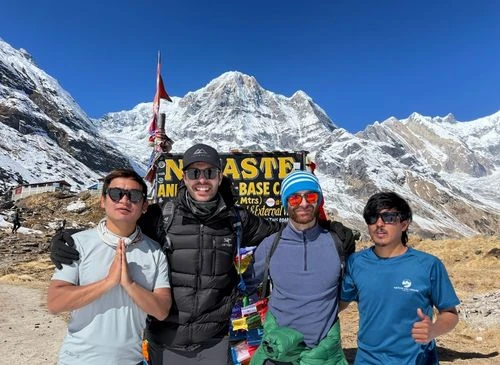
The Annapurna Sanctuary is an extremely special attraction of the ABC trek. Surrounded by majestic mountains of the Annapurna range, including Fishtail, Annapurna I, and Gangapurna, it feels like an ancient stage. In the Sanctuary, trekkers see a unique 360-degree view of Himalayan peaks. It is one of the few places in Nepal where you are completely surrounded by mountains that are over 7,000 meters high. At sunrise, sunlight shines on many of the surrounding mountain walls at once.
Machhapuchhre Base Camp
Machhapuchhre Base Camp is also a major attraction of the ABC trek. You will reach MBC before reaching ABC, and the stunning mountain views like Fishtail, Annapurna III, etc., from here, like the Annapurna South, will mesmerize you. Also known as Fishtail, Machhapuchhre Mountain has a unique shape that you can see from the base camp. Since MBC is so close to the mountains, the trekkers will feel its greatness and accomplishments.
Ghorepani Poon Hill
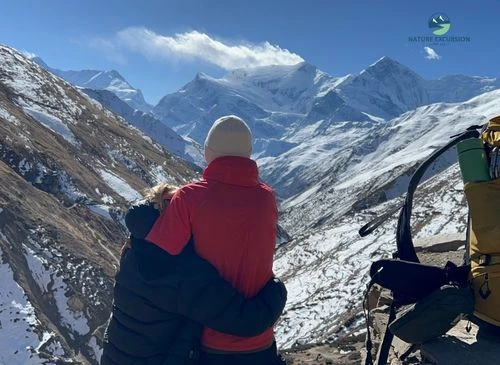
Another major attraction of the ABC trek is the rewarding ascent to Ghorepani Poon Hill. The 360° view of the Annapurna and Dhaulagiri mountains might be among the most beautiful in the Annapurna region. The major highlight for most visitors is the stunning sunrise. This is also the ideal place to take gorgeous photos of the Annapurna region.
Ghorepani Poon Hill
Hot Springs at Jhinu Danda
Another major attraction of the ABC trek is the natural hot springs of Jhinu Danda. After several days of hiking through rugged terrain, a visit to the natural hot springs is a perfect way to unwind and rejuvenate. According to locals, the hot water also works as a medicine, reducing stress and anxiety and calming your nerves.
Build your Own Trek That Fits You
Choose your preferred destination, itinerary, travel dates, and trip style to create a trek that fits your plans.
Local Culture and Traditions in the Annapurna Region
The Annapurna region is located in central Nepal. This region is very popular for trekking, including the Annapurna Base Camp Trek, the Annapurna Circuit Trek, and the Ghorepani Poon Hill Trek. Many trekkers experience ABC for its majestic views of the Annapurna range and rich cultural diversity. Several indigenous groups, including the Magar, Gurung, and Thakali, inhabit the area, each with its own language, rituals, and customs.
The region’s rich cultural diversity extends beyond its trekking trails, with local communities maintaining traditional agricultural practices. In the lower, hilly areas, such as Tikedhunga, Hille, and Ulleri, locals use methods such as terrace farming, which are central to their daily lives and help prevent damage from landslides and soil erosion. On the other hand, people in higher altitudes live a more semi-nomadic lifestyle. While many are settled in villages, moving livestock to different pastures depending on the season, sometimes using portable shelters.
The people of the Annapurna region celebrate different festivals. While Dashain and Tihar are nationwide festivals, they also celebrate unique local festivals. Tamu Lhosar, for example, is celebrated by the Gurung community as their New Year, typically in December. Yartung is an essential festival in Mustang. It features horse races, archery contests, and communal feasts. The festival takes place in August or September. It marks the end of summer and the harvest season.
Although Mani Rimdu is celebrated mainly in the Everest Region, the locals at Braga Monastery near Manang celebrate it in honor of Guru Rinpoche, a holy figure who helped introduce Buddhism to the Himalayas. During this festival, they wear masks, dance, and pray to keep the land and people safe. The air smells of incense, and people can hear drums, making it a special time for visitors hiking nearby.
Permits Required for Annapurna Base Camp Trek from Pokhara
To trek to Annapurna Base Camp from Pokhara, you need an Annapurna Conservation Area Permit (ACAP). The permit grants access to the Annapurna Conservation Area, which helps fund conservation efforts and regulates tourism. You can acquire an ACAP at the Nepal Tourism Board in Kathmandu or Pokhara.
The entry fee is NRs. 3,000 for trekkers from countries outside the SAARC region, while it’s NRs 1,000 for people from SAARC countries. If you pay online, there is an extra charge. If you get your permit at a checkpoint, you'll pay twice because of the fine. For Nepali people, the entry fee is just NRs 100.
Previously, trekkers were also required to obtain a TIMS (Trekkers’ Information Management System) card for registration and safety purposes. However, the TIMS card is no longer necessary for most treks in the Annapurna region, including the ABC trek.
Have Questions About the ABC Route?
Need help with the route, transportation from Pokhara, trekking days, accommodation, or trail conditions? Get practical advice from our trekking team.
Overall, the Pokhara to ABC trek is a majestic journey that offers a unique blend of cultural immersion, adventure, and stunning mountain views. This trek allows you to experience the diverse landscapes of the Annapurna region, from subtropical rhododendron forests in the lower areas to snowy meadows at higher altitudes. During the Annapurna Base Camp trek, we will ascend through beautiful forests and rugged trails. You will also be trekking through different villages, meeting communities such as the Magar and Gurung. The diverse ecosystems and the rich cultural heritage encountered along the way, including monasteries and traditional villages, make the trek truly special.
Our 13-day ABC trek is a moderate-to-challenging journey that requires a good level of fitness. While it's accessible to beginners, trekkers should be prepared for some physically demanding sections. To ensure you’re ready, a combination of cardio, strength, and endurance exercises like swimming, cycling, jogging, etc, will help you tackle the trail more comfortably. You must strengthen your upper body, legs, and cardio. All in all, the combination of beautiful landscapes, the chance to meet different people, the opportunity to encounter rare flora and fauna, and the feeling of achievement from the base camp makes the ABC trek worth it.
Written by
Karan GurungExecutive Director
Hello, I’m Karan Gurung, a passionate mountaineer from Nepal with over 15 years of experience exploring the majestic peaks of the Himalayas. I grew up surrounded by towering mountains; my love for adventure and the thrill of high-altitude trekking have shaped my life to the next level. For me, the mountains are more than just a place to trek, and I believe they are a source of inspiration, a connection to nature, and a way of relaxing your mind and soul with peace. I’m always here to share my experiences, travel tips, and stories from my adventures to help others appreciate the beauty of the Himalayas in Nepal through articles and blogs. Whether you're an experienced trekker or someone new to the mountains, I’m here to guide and inspire you for your first or next adventure in Nepal!
Mount Annapurna I is 8,091 m (26,545 ft) above sea level, the 10th-highest mountain in the world. Located in north-central Nepal within the Annapurna...
As of June 2026, exactly 572 climbers have successfully reached the summit of Annapurna I. This updated figure comes directly from Nepal's Department...
How far do you actually have to walk to complete the legendary Annapurna Circuit? The total Annapurna Circuit Trek distance usually spans between 160...


.webp)




.webp)
.webp)