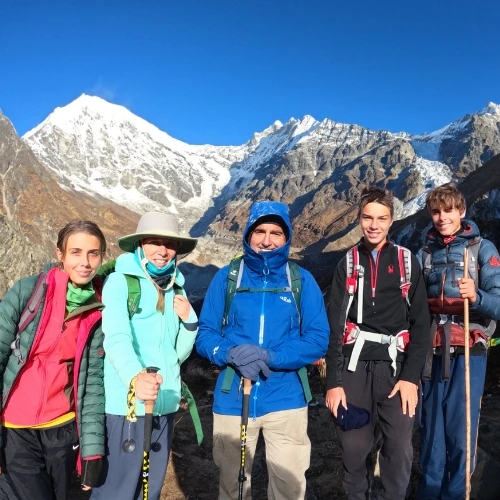
Tengboche Monastery sits at 3,867 m along the Everest Base Camp trek trail. This active Buddhist site serves as the spiritual center of the Khumbu region, where local Sherpas and trekkers stop to receive blessings for a safe journey. You can reach the monastery on day five of the classic route after a steep climb from Phunki Thenga. Behind this ancient sanctuary, the massive peaks of Mount Everest and Ama Dablam rise like giant stone guards. The crisp mountain air carries the smell of burning juniper incense and the deep, rhythmic hum of monks chanting. Here, the challenge of the trail melts into a profound sense of peace that connects every traveler to the spiritual heart of the mountains.
Tengboche Monastery is not just for elite mountaineers. The journey into this high-country spiritual world is entirely achievable for ordinary travelers. Whether you are a beginner taking your first steps or a veteran of trekking in Nepal, the trail welcomes you. This path provides a spiritual trekking experience for all travelers. It remains a definitive highlight of Everest trekking.. You do not need technical climbing skills to experience this sacred space. With steady pacing and proper acclimatization, any determined hiker can walk through the monastery gates and share in its timeless energy.
Why Tengboche Monastery is One of the Most Beautiful Places in Everest
Tengboche Monastery is famous for offering direct, clear views of Mount Everest, Lhotse, and Ama Dablam. As a premier Buddhist monastery in Nepal, this site is a vital stop. No other monastery in the Everest region commands such a central position on the trail.
Cultural and Spiritual Significance
The site is home to a prominent Tibetan Buddhist monastery, also known as Dawa Choling Gompa. Established in 1916 by Lama Gulu, it follows the Nyingma tradition of Tibetan Buddhism. It serves as the spiritual heart of the local Sherpa community. Mountaineers and locals regularly visit the main prayer hall to light butter lamps and receive blessings for safe journeys before heading higher into the mountains.
Scale and Architecture
Inside Monastery
Tengboche Gompa is the largest in the Everest region. The main building features traditional Himalayan stone masonry and intricate woodwork, topped with a distinctive golden roof. Inside, the spacious prayer hall contains detailed wall murals, ancient scriptures, and a multi-story statue of Sakyamuni Buddha. The courtyard hosts the annual Mani Rimdu festival, where monks perform sacred masked dances.
Prime Location
The Monastery lies directly on the main route to Everest Base Camp Trek. It serves as a critical acclimatization stop after the steep climb from Namche Bazaar. The surrounding landscape features an alpine ecosystem of pine, juniper, and rhododendron forests. This greenery provides a stark contrast to the barren rock and ice found further up the trail.
Experience one of the most important Buddhist monasteries in the Everest region while trekking through the heart of the Khumbu. Talk to our team about the best way to include Tengboche in your trek.
Tengboche Monastery is located on a high, narrow ridge in the Everest region of northeastern Nepal at an altitude of 3,867 m. You will find this famous Buddhist site inside the borders of UNESCOSagarmatha National Park. To help you picture the route, you start your trek by flying into Lukla and walking through the deep gorge of the Dudh Koshi River. After you climb the steep hill to the busy trading hub of Namche Bazaar, you follow a trail that cuts into the side of the mountain. The path then drops down to the river at Phunki Thenga before you face a tough, two-hour uphill climb through rhododendron forests to reach the top of the ridge where the Khumbu's largest monastery sits.
Tengboche Monastery Gate
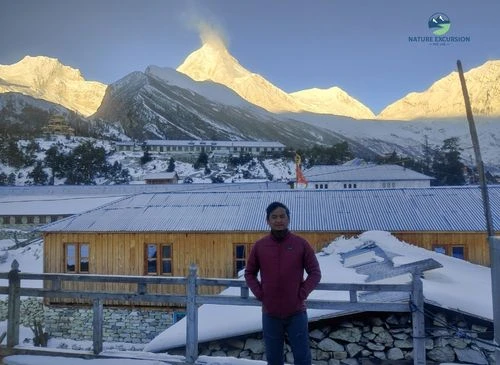
The location feels peaceful because it is completely surrounded by giant, snow-covered mountains. When you stand on the monastery grounds, you look directly across the valley at the massive rock walls of Mount Everest, Lhotse, and Nuptse. The sharp, pointed peak of Ama Dablam rises right behind the monastery buildings, making the site feel hidden away from the rest of the world. The sound of spinning prayer wheels, the smell of burning juniper, and the quiet chanting of the monks combine to make this windy ridge feel like a calm sanctuary after your long days of walking.
Tengboche Monastery was founded in 1916 by Lama Gulu. This grand structure serves as the spiritual heart of the Sherpa community. The architecture of the monastery follows classic Tibetan Buddhist design, built with sturdy stone masonry and featuring a wide central courtyard. This courtyard provides space for monks to perform sacred rituals and religious dances. But the structure you see today is not the original early 20th-century building. The complex blends ancient structural traditions with modern reconstruction efforts. Inside the monastery, visitors can see wall murals, vibrant Thangka paintings, and intricate wood carvings.
The Footprint of Lama Sangwa Dorje
Local belief states that Buddhism entered these high valleys 350 years ago through the arrival of Lama Sangwa Dorje. This highly revered high priest possessed divine psychic knowledge and clairvoyant vision. He spent long periods meditating on the cliffs and isolated ridges of Khumbu, flying between peaks, according to local lore. During one profound meditation session on this very plateau, the intensity of his spiritual realization left a physical mark on the earth. He stepped firmly onto a boulder, leaving the clear impression of his left foot embedded directly into the solid rock.
This sacred footprint served as a prophecy. Lama Sangwa Dorje declared that a great center of learning and devotion would eventually rise on this exact spot. Centuries later, his fifth incarnation, Ngawang Tenzin Norbu, recognized the sacred sign. He blessed Lama Gulu to begin construction, matching the exact location foretold by the stone mark. Pilgrims today still approach the entrance of the Dokhang prayer hall with deep reverence to view this relic. The fractured stone footprint connects the physical monastery directly to the ancient mystic who envisioned it.
How Tengboche Was Rebuilt
In January 1934, a massive earthquake shook the Himalayas, causing the main temple building to collapse entirely. The disaster claimed the life of the elderly founder, Lama Gulu, shortly after the event. But the local community refused to let their spiritual home vanish. Led by Umze Gelden and supported by a master carpenter from Lhasa, local villagers donated their labor and funds to reconstruct the entire monastery. They finished the work, making the new structure even larger than the first.
A second catastrophe struck on the cold night of January 19, 1989. An electrical short circuit sparked a devastating fire that swept through the wooden interiors. The intense heat reduced the main building to rubble, destroying priceless ancient scriptures, historic wood carvings, and centuries-old murals. The sacred stone footprint of Lama Sangwa Dorje even fractured under the extreme temperatures.
Meanwhile, the incarnate successor, Nawang Tenzing Jangpo, utilized his strong relationships with international mountaineers and trekkers to launch a global fundraising campaign. Local volunteers worked alongside international agencies to rebuild the monument from scratch. Stone by stone, the community restored the sanctuary, leading to its formal consecration in 1993. The meticulous restoration of the sacred Guru Rinpoche room concluded in September 2008, cementing the monastery's status as a symbol of cultural resilience.
Want to Include Tengboche Monastery in Your Trek?
Tell us your available days and trekking plans, and we'll help you customize an itinerary that includes Tengboche Monastery along with the highlights of the Everest region.
Mani Rimdu Festival, The Most Important Event at Tengboche Monastery
The Mani Rimdu festival is the most vital 19-day sacred celebration for the Sherpa people of the Khumbu region. The festival features three public days of rituals, prayers, and sacred masked dances performed by Buddhist monks. Hundreds of local Sherpa pilgrims dress in their finest traditional wool chuba clothing and intricate turquoise jewelry. They hike over high passes from distant villages to gather on this stone plateau, creating a bustling, festive alpine market atmosphere from where Mount Everest and Ama Dablam view is crisp and clear.
Day-by-Day Mani Rimdu Program (Wong, Cham, Jinsak)
The Mani Rimdu festival at Tengboche takes place during the full moon of the tenth Tibetan lunar month, which falls in October or November. In 2026, the three public days of the festival run from October 26 to October 28. During the Mani Rimdu mask dances, known as Cham, monks dress in elaborate silk robes and heavy, colorful masks to embody divine protective deities. They perform slow, synchronized movements and dramatic, spinning dances in the central courtyard to the sound of cymbals and long horns. Here is what you will experience on each public day:
Day 1: Wong (The Opening Blessing Ceremony):
The festival opens on the full moon day of the tenth Tibetan lunar month. The Tengboche Rinpoche, the high abbot, presides over this formal event to bestow spiritual empowerment upon the crowd. Pilgrims queue up across the stone courtyard to receive Mani Rilbu, sacred herbal pills blessed after weeks of continuous chanting. You also receive a protective red thread to tie around your neck, signifying personal health, safety, and a long life.
Day 2: Cham (The Sacred Masked Dances):
This is the most visually and energetically intense day of the festival. Monks embody divine beings through a series of choreographed, ritualistic dances. Each slow, rhythmic step and spinning movement dramatizes the historical triumph of Buddhism over the region's older, malevolent forces. The performance teaches core Buddhist values of compassion and wisdom while actively clearing negative energy from the valley.
Day 3: Jinsak (The Final Dance)
The third day of the public Mani Rimdu festival features the Jinsak ceremony, which is a powerful fire ritual performed in the central stone courtyard. Monks construct a sacred sacrificial hearth on the ground, where they burn specific ingredients such as butter, wood, and grain to appease the fire deity, Agni. This ritual acts as a symbolic offering to eliminate the negative energies and mistakes of the past year. As the flames grow, the monks chant complex prayers and play traditional instruments to invite peace, health, and spiritual purification for the entire Khumbu community. The ritual concludes when the ashes are gathered and buried according to strict monastic traditions, marking the successful end of the public festival.
Practical Tips for Attending Mani Rimdu
Book Your Lodging Early: Teahouses in Tengboche and nearby Deboche sell out completely for the festival dates. You must secure your room reservations several months in advance.
Pack for Extreme Cold: You will sit or stand in an open, windy stone courtyard for six to eight hours a day. Bring a thick down jacket, thermal layers, heavy gloves, and a sleeping bag rated to -15°C (5°F).
Respect Sacred Spaces: Dress modestly by keeping your shoulders and legs covered. Always walk clockwise around the monastery exterior, stupas, and mani stone walls.
Follow Photography Rules: No, cameras and flash photography are strictly forbidden inside the main prayer hall of Tengboche Monastery to respect the sacred space and daily rituals. However, you can freely take photographs in the open stone courtyard outside, including during the public Mani Rimdu masked dances. Always ask for permission before taking close-up portraits of monks or pilgrims.
Protect Your Batteries: Freezing high-altitude temperatures drain electronic devices quickly. Keep your camera and phone batteries inside your inner jacket pockets to warm them with your body heat.
Bring Extra Cash: ATMs are not available in Tengboche, and charging electronics or using Wi-Fi requires extra fees. Carry enough Nepalese Rupees from Namche Bazaar to cover these daily expenses.
The Dumje Festival (July)
The Dumje Festival is also held in the largest monastery in the Khumbu region. It offers a raw, authentic glimpse into Sherpa culture away from the massive autumn trekking crowds. Held annually in July, this vibrant eight-day celebration marks the birth anniversary of Guru Rinpoche, the lotus-born sage who introduced Buddhism to Tibet and the Himalayas. While Mani Rimdu draws global attention, Dumje remains a deeply local affair. It rotates leadership among local families, who take on the prestigious but expensive duty of hosting the entire village. This creates an atmosphere of immense warmth and traditional hospitality, where visitors are readily welcomed into local homes to share potent cups of homemade chyang (rice beer) and hearty Sherpa stews.
The heart of the festival unfolds in the high-altitude monasteries of Pangboche, Thame, and Namche Bazaar. Monks perform solemn exorcism rituals, chant ancient prayers, and dance in colorful costumes to expel evil spirits and invite prosperity for the agricultural season ahead. Meanwhile, the village square turns into a lively community hub where locals sing traditional folk songs, dance late into the night, and catch up on family news. Attending Dumje in July means navigating the muddy trails of the summer monsoon, but the reward is an intimate cultural experience that standard trekking seasons simply cannot replicate.
How to Reach Tengboche Monastery
To reach Tengboche Monastery, you have two options: trekking from Namche Bazaar, which is one of the toughest days in the Everest Base Camp trail. Another option is to take a helicopter directly to Tengboche.
The Trail from Namche Bazaar to Tengboche
Way to Tengboche Monastery
The hike from Namche to Tengboche is physically demanding and rated as a challenging, high-altitude trek. You cover 10 km in 5-6 hours of continuous walking. The real difficulty lies in a steep 612 m descent to the riverbed at Phunki Tenga, followed immediately by a grueling, relentless 617 m vertical climb over the final 2.5 km stretch. Phunki Tenga serves as the primary rest and lunch stop before the hardest part of the day begins. After crossing a large suspension bridge over the rushing river, you face a grueling 617 m vertical climb over the remaining 2.5 km of the trail. The path ascends continuously through a dense forest of pine, fir, and rhododendron trees. The thin air at this height makes the steep incline feel much more physically demanding than a standard low-altitude climb. You must maintain a slow, rhythmic pace to manage your breathing effectively. The relentless uphill push finally ends when you break through the tree line and top out onto the grassy ridge of Tengboche at 3,867 m.
Helicopter Option to Tengboche
The helicopter option to Tengboche Monastery offers a fast, luxurious alternative to days of strenuous uphill trekking. Operating primarily out of the domestic terminal at Kathmandu’s Tribhuvan International Airport, standard flights take roughly 55 minutes to 80 minutes to reach the ridge. Because of high-altitude weight restrictions, the Airbus H125 or Eurocopter AS350 B3 series helicopters strictly limit capacity to a maximum of 5 passengers or a total payload of 500 kg. Most flights follow a direct flight path over the ancient hills, pausing briefly at the Lukla airstrip (2,860 m) for mandatory refueling before climbing rapidly over the Dudh Koshi River gorge and Namche Bazaar to land directly at the Tengboche helipad at 3,867 m.
Ready to Explore Tengboche on the Everest Base Camp Trek?
Walk through the beautiful Tengboche valley, visit its historic monastery, and continue toward Everest Base Camp with experienced guides handling your trekking logistics.
The high-altitude ridge of Tengboche offers a unique combination of spiritual immersion and alpine exploration in the heart of the Khumbu region. Most travelers use this sacred sanctuary at 3,867 m as a peaceful stopover to engage with Sherpa culture, observe ancient Buddhist traditions, and photograph the iconic mountain peaks that frame the horizon.
Explore the Magnificent Monastery
Tengboche Monastery is important to Sherpas because it serves as the cultural, historical, and spiritual heart of their community in the Khumbu. You can explore the magnificent Tengboche Monastery by visiting its main prayer hall, which is open to respectful visitors outside of private monk sessions. Also known as Dawa Choling Gompa, this structure is the largest and most influential center of Tibetan Buddhism in Sagarmatha National Park.
As you step inside the heavily decorated hall, your eyes are immediately drawn to the massive 11 m statue of Sakyamuni Buddha, surrounded by detailed wall frescoes, intricate thangka paintings, and elaborate wood carvings. You can quietly walk clockwise around the courtyard, examine the ancient artifacts, and learn how the monastery was completely rebuilt after a devastating fire in 1989.
Participate in Daily Buddhist Rituals and Meditation
You can participate in the daily Buddhist rituals and meditation sessions by entering the main monastery. The daily puja ceremonies at Tengboche Monastery take place at 6:00 AM and 3:00 PM. As you sit quietly on the floor mats at the back of the room, you are enveloped by the powerful atmosphere of live Buddhist chanting. The resident monks couple this with the rhythmic beating of ceremonial drums and the deep resonance of long Tibetan horns. The aroma of burning juniper incense fills the air, providing a serene environment for your own silent reflection or meditation. Witnessing these authentic spiritual practices offers you an intimate look into the daily monastic life that has anchored the local Sherpa community for generations.
Photography at Sunrise and Sunset
You can capture spectacular photographs at sunrise and sunset by setting up your camera on the open, grassy plateau that surrounds the monastery complex. Because Tengboche sits on a high, exposed ridge, it serves as a natural amphitheater offering unobstructed 360-degree views of the surrounding giant peaks. Early in the morning, the first rays of light hit the summit of Mount Everest, turning the snow-covered peak a brilliant gold while the lower valleys remain cast in deep blue shadow. At dusk, the setting sun casts a warm, pink, and orange glow over the dramatic, jagged ridges of Ama Dablam, offering some of the most iconic and timeless landscape photography opportunities in the entire Himalayas.
How hard is it to get to Tengboche Monastery?
Getting to Tengboche Monastery is a physically demanding challenge that requires a high level of physical fitness and solid mental endurance. The most common route involves a 10 km trek from the hub of Namche Bazaar, which takes between 5 and 6 hours of continuous walking. The first half of the journey is misleadingly easy as it traces a relatively flat, open trail along the valley wall. But the route quickly changes into a punishing, knee-jarring descent that drops 612 m down to the riverbed of Phunki Tenga at 3,250 m. Once you cross the suspension bridge, you must immediately face a grueling, continuous 617 m vertical climb over a short 2.5 km stretch. This relentless uphill push through steep switchbacks heavily taxes your leg muscles and lungs.
Tengboche Monastery stands out as the premier high-altitude center of spiritual life in the Khumbu, but Nepal hosts several other vital Buddhist institutions that offer completely different settings. While some monasteries sit hidden on remote alpine ridges along the Everest trail, others operate as massive centers of monastic learning within the crowded urban landscape of the Kathmandu Valley.
Large monastic chanting halls, vibrant urban energy
Best for
Iconic festival gatherings and mountain views
Exploring the oldest monastery in Khumbu
Experiencing local Sherpa village spirituality
Philosophical study and classical temple art
Ready to Experience Tengboche Monastery?
Share your preferred dates, group size, and trekking goals with us, and we'll help you plan a memorable journey through Tengboche and the Everest region.
Visiting Tengboche Monastery requires careful coordination of your trail schedule, high-altitude health management, and seasonal festival dates. To experience the spiritual heart of the Khumbu region at its peak vitality, target the clear autumn trekking window when the weather stabilizes, and the vibrant Mani Rimdu festival takes over the stone courtyard. Ensure your physical fitness is up to the grueling 617 m vertical climb from the Dudh Koshi River, secure your teahouse bookings in nearby Deboche months in advance, and pack high-quality cold-weather gear to handle the sub-zero ridge temperatures.
Download our itinerary PDF for the best treks, like Everest Base Camp to visit Tengboche Monastery
Written by
Karan GurungExecutive Director
Hello, I’m Karan Gurung, a passionate mountaineer from Nepal with over 15 years of experience exploring the majestic peaks of the Himalayas. I grew up surrounded by towering mountains; my love for adventure and the thrill of high-altitude trekking have shaped my life to the next level. For me, the mountains are more than just a place to trek, and I believe they are a source of inspiration, a connection to nature, and a way of relaxing your mind and soul with peace. I’m always here to share my experiences, travel tips, and stories from my adventures to help others appreciate the beauty of the Himalayas in Nepal through articles and blogs. Whether you're an experienced trekker or someone new to the mountains, I’m here to guide and inspire you for your first or next adventure in Nepal!
The main autumn treks in Nepal are Everest Base Camp, the Annapurna Circuit, Annapurna Base Camp, the Manaslu Circuit, Langtang Valley, and Mardi Hima...
To choose the best trekking company in Nepal, you must verify that the agency holds official registration with the Nepal Ministry of Culture, Tourism...
Sagarmatha National Park is one of Nepal’s most famous protected areas and the core of the Everest region. Located in the high Himalayas of Solukhumbu...



.webp)

.webp)
.webp)