Quick Overview of Upper Mustang Trek and Cost
| Cost Category & Elevation | Information |
| Max Elevation | 3,840 m (Lo Manthang) |
| Restricted Area Permit (RAP) | USD 50 per person per day (Pay-as-you-go, no 10-day minimum) |
| Conservation Area Permit (ACAP) | NPR 3,000 (Approx. USD 30) per person |
| TIMS Card Requirement | Not required for the Upper Mustang alone, Requires if combined with the Annapurna region treks |
| Minimum Group Size | 1 person (Solo trekking permitted as of March 2026) |
| Guide Requirement | Mandatory government-licensed guide from an agency |
Planning Your Trek Budget?
Get a clear Upper Mustang Trek cost estimate based on your group size, travel dates, and preferred services.
Why is the Upper Mustang Trek More Expensive Than Other Treks in Nepal?
The high budget of the Mustang region reflects its isolation and strict government protection, which serve as deliberate barriers to preserve this ancient kingdom. The primary driver of the cost is the mandatory special permit required by the Department of Immigration. In 2026, the old flat-fee structure shifted to a daily tracking fee, where Upper Mustang trek permits cost USD 50 per person per day north of Kagbeni.
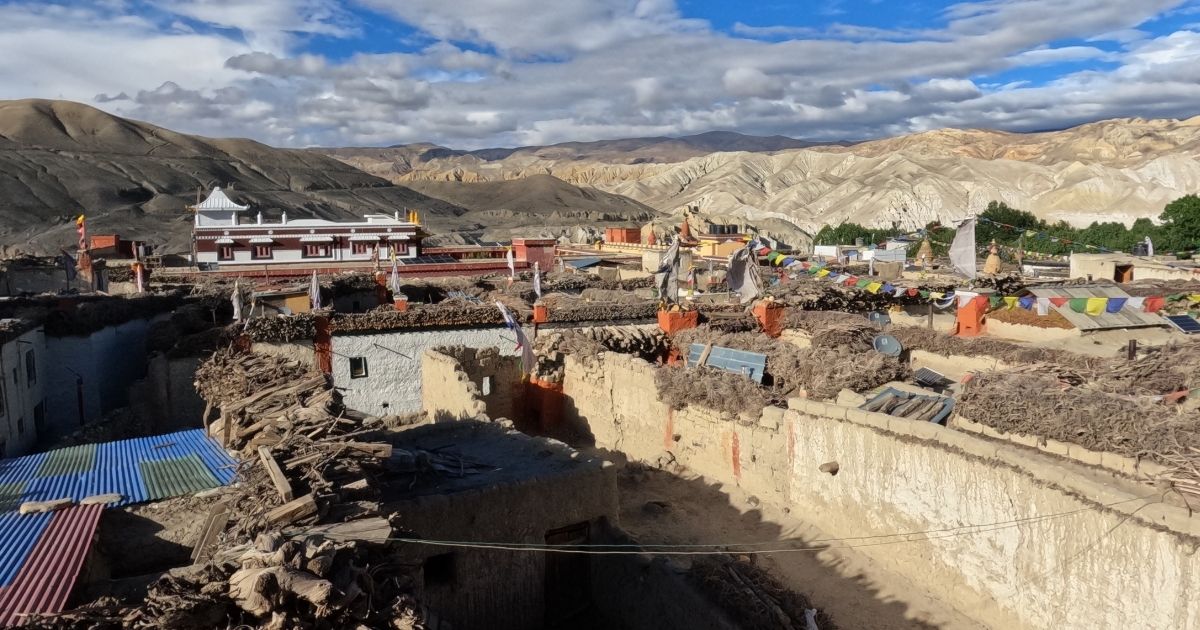
When you book your journey through registered trekking agencies, you also pay an additional USD 30 for the Annapurna Conservation Area Permit (ACAP). This premium pricing directly funds cultural preservation policies, keeping trail traffic exceptionally low. Because independent trekking is banned, you must hire a mandatory government-licensed guide. This setup guarantees that your money stays within the local economy while providing secure, exclusive access to a fragile world.
This higher financial entry barrier is exactly why Upper Mustang remains entirely authentic and uncrowded. The region sits in a remote location behind the Annapurna Himalaya range, where limited accessibility keeps modern commercialization at bay. The cost of food and fuel naturally rises along the trail because goods must travel over rough jeep tracks or mule caravans across high-altitude desert terrain. However, the value far outweighs the price tag. Your investment buys you a quiet journey through a preserved landscape of white-washed mud villages, caves, and centuries-old monasteries that cannot be found anywhere else. By strictly regulating tourism through these fees, Nepal ensures that the pure Tibetan Buddhist culture of the ancient Kingdom of Lo remains vibrant and protected for the future.
Upper Mustang Trek Cost Breakdown
Planning your budget for the Upper Mustang trek in Nepal requires a clear look at where your money actually goes. The remote nature of the desert landscape means everything from fuel to fresh vegetables must travel up the bumpy road from Pokhara. This drives up the cost of daily life on the trail. But knowing these numbers in advance helps you avoid surprises at high-altitude treks, and their checkpoints and teahouses. We break down every mandatory fee, guide salary, and hidden cost below so you can plan your finances accurately.
Upper Mustang Permits Cost
The Restricted Area Permit (RAP) for Upper Mustang costs USD 50 per person per day, following an official regulatory overhaul by the Government of Nepal. This modern, pay-as-you-go pricing structure completely abolishes the historic, rigid USD 500 flat fee for 10 days, allowing travelers to pay strictly for the exact number of days spent past the Kagbeni checkpoint. To legally fulfill the region's mandatory compliance requirements, you must also obtain a one-time Annapurna Conservation Area Permit (ACAP) costing NPR 3,000 (~USD 23–30). These permits cannot be obtained independently and must be processed by a licensed Nepal Trekking Agency on behalf of a traveler, who is also legally required to be accompanied by a certified guide.
Need Help With Your Permit?
Learn about Upper Mustang permit requirements, fees, rules, and how to arrange the permits before your trek.
Guide and Porter Expense
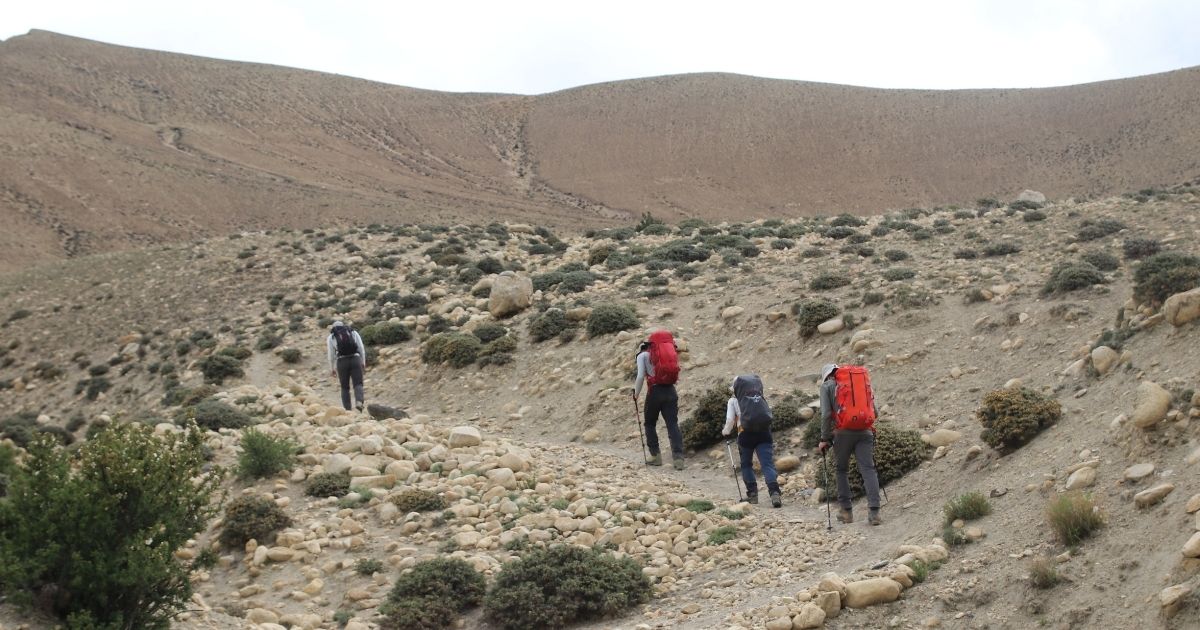
The average guide and porter expense range from USD 20 to USD 35 per day. You must hire a licensed guide to enter the restricted area, but you do not need a second trekker because solo travelers can now obtain the permit with a guide alone. A licensed guide costs USD 25 to USD 35 per day, which includes their daily food, lodging, and mandatory insurance. If you choose to hire a porter to carry your gear, expect to pay an additional USD 20-25 per day. These wages are paid directly to your trekking agency to cover local staff expenses before you head north of Kagbeni.
Transportation Costs to Upper Mustang
The average transportation cost to Upper Mustang ranges from USD 40 to USD 340. Your total transport bill depends entirely on whether you fly or drive the rough mountain tracks to Jomsom. A one-way domestic flight from Pokhara to Jomsom costs USD 160-189 per person, but high winds often cancel flights in the morning. If you prefer the road, a seat in a shared public jeep from Pokhara costs USD 40-70. Hiring a private jeep for your group gives you total flexibility, but it can cost up to USD 400 one-way for the vehicle.
Food and Accommodation Costs on the Trail
The average food and accommodation cost on the trail ranges from USD 35 to 55 per day. Teahouses in the dry landscape of Upper Mustang charge USD 10-20 per night for a basic twin-sharing room. Food prices rise as you walk higher because mules and jeeps must carry all supplies up from the lower valleys. Three daily meals cost USD 25-35 per person, with traditional dal bhat your most filling and affordable option. You should also budget USD 5 to USD 10 daily for trail extras, such as gas-heated showers, battery charging, and boiled drinking water.
Helicopter Evacuation & Travel Insurance Cost
You must buy a comprehensive travel insurance policy in your home country before you arrive in Kathmandu. A standard policy covering high-altitude trekking up to 4,000 m costs USD 100-200 for a two-week journey. Your policy must explicitly include emergency helicopter evacuation, because there are no hospitals in the forbidden kingdom. A single helicopter rescue from Lo Manthang typically costs USD 3,000-6,000, varying by altitude, weather, and operator.
Duration:15 DaysStart fromUSD 1950USD 1750based on 1 review
Upper Mustang Trek Cost by Group Size; Why Bigger Groups Pay Less
The high upfront cost of an Upper Mustang trek stems directly from its fixed logistics and remote geography. While the 2026 permit reforms introduced a flexible daily rate of USD 50 and abolished the two-trekker minimum rule, solo travelers still bear the entire financial burden of the mandatory licensed guide. A professional guide costs between USD 25 - 40 per day, a rate that remains constant whether you walk alone or in a group. When you travel solo, you must also pay the full price for shared regional transport like public buses or local jeeps, and you cannot split the cost of emergency communication setups. This baseline operational cost creates a high entry barrier for independent budget travelers who visit the rain-shadow desert.
Joining a group departure significantly reduces your individual expenses by spreading fixed overhead costs across multiple people. While a solo trekker pays the full guide salary and agency administrative fees, a larger group divides these costs evenly. This economic sharing lowers our package prices systematically as your group grows. For instance, traveling in pairs lowers your rate, but larger teams unlock the steepest discounts. These tier rates drop further as group sizes reach maximum capacity, allowing every individual to save hundreds of dollars on the exact same itinerary. We strongly encourage solo travelers to join our scheduled group departures to take advantage of these fixed-cost savings.
| Group Size | Package Price |
| 2 pax | USD 1,750 |
| 3 - 5 pax | USD 1,720 |
| 6 - 10 pax | USD 1,670 |
| 11 - 16 pax | USD 1,620 |
Cheapest Way to Trek Upper Mustang
To trek in Upper Mustang on a budget, you have to manage your daily logistics. Skip private jeep hires, as these vehicles run up massive bills on the rough mountain roads. You should ride the local public buses or shared jeeps that connect Jomsom, Kagbeni, and Lo Manthang, which keep transport costs under USD 30 per segment. Likewise, choose simple teahouses rather than luxury heritage lodges, and stick to local staples like dal bhat to save money. You also need to account for expenses that fall outside the trek package. Our package excludes accommodation in Kathmandu, so you must budget for your stay in the city separately. Carry ample cash in Nepali rupees from Pokhara or Kathmandu: no automated teller machines operate north of Jomsom, and cash remains the only way to pay for hot showers, device charging, and basic snacks.
You must also understand the updated reforms of the trek in 2026. The Government of Nepal officially removed the rigid flat fee of USD 500, and you now pay a flexible daily rate of USD 50 per person for the exact days spent inside the restricted zone north of Kagbeni. But you must also track another critical update from March 22, 2026. The Department of Immigration scrapped the two-trekker minimum rule, allowing a single traveler to legally hold an Upper Mustang Restricted Area Permit. Independent walking remains strictly forbidden, so you must hire a licensed guide through a registered agency to pass the checkposts. Choosing a shorter itinerary, such as a 5-day or 7-day loop within the zone using local transport, can slash your upfront permit costs by up to USD 250 compared to the old system.
Additional Costs and Budget Considerations for the Upper Mustang Trek
Trekking in the remote Upper Mustang requires financial planning beyond your upfront package. While your main expenses are covered, local infrastructure dictates daily out-of-pocket costs. These expenses scale with altitude as resource transport becomes difficult. Knowing these costs keeps your budget intact.
Extra Costs During the Tiji Festival
Prices rise significantly if your trek overlaps with the three-day Tiji Festival in Lo Manthang. Teahouses fill quickly: rooms command a premium. Guide fees and jeep transport costs also spike due to high demand. But the surge in price matches the reward. You witness ancient mask dances: you see the King of Mustang's palace open to the public.
Charging, Wi-Fi, and Hot Shower Fees
High altitude communities rely on solar power or micro-hydro generators. Teahouses charge extra to use these limited power sources. Expect to pay USD 2-5 to charge a power bank or camera battery. Wi-Fi access codes cost a similar flat fee: connection speeds remain slow. Hot showers require gas cylinders carried up by mules: a single shower costs USD 3-7.
Budgeting for Jomsom Flight Delays
High winds and sudden cloud cover frequently ground flights in the Kali Gandaki gorge. Jomsom airport closes early on most afternoons. You must budget for unexpected delays on your return leg. Keep a reserve of USD 100-200 for emergency accommodation and meals in Jomsom. This buffer also covers a shared jeep back to Pokhara if flights face cancellations for consecutive days.
Gifts and Monastery Donations in Lo Manthang
The walled city holds centuries of Tibetan Buddhist history. Monasteries like Thubchen and Chode Ch require entry donations to support maintenance. Local monks appreciate small offerings when they unlock private chapels for you. Expect to pay USD 5-10 per monastery visit. Likewise, local children or weavers sell handmade trinkets that make excellent local gifts.
Best Time to Trek Upper Mustang and How It Affects Cost
Upper Mustang sits in the rain shadow of the Annapurna and Dhaulagiri mountain ranges. This location creates a dry, desert-like landscape. Unlike most trails in Nepal, the summer months bring excellent trekking conditions here while the rest of the country experiences heavy monsoon downpours. The weather stays dry, roads remain passable, and the local cultural festivals take place during these months.
The timing of your journey directly impacts your expenses and your trail experience. Peak seasons bring high demand for flights, guides, and teahouses, which drives up your overall logistics costs. Traveling during the off-peak months reduces the crowd but introduces severe weather risks that can stop your travel entirely.
| Season | Cost Level | Crowds | Recommendation |
| Spring | High | High | Highly recommended for mild weather and Tiji Festival. |
| Summer/Monsoon | Medium | Moderate | Highly recommended as a rare dry monsoon trek. |
| Autumn | High | High | Highly recommended for clear skies and stable air. |
| Winter | Low | Very Low | Not recommended due to freezing cold and closed teahouses. |
Budget vs Standard vs Luxury Upper Mustang Trek
Navigating the walled city of Lo Manthang requires balancing your physical expectations against your budget. The baseline costs for this restricted region remain high due to government regulations, but your choice of package changes your daily comfort on the trail. A budget trek lowers your upfront package cost by cutting on logistics, but forces you to compromise on privacy and meal variety. Meanwhile, choosing a higher tier significantly alters your transport options and room comfort.
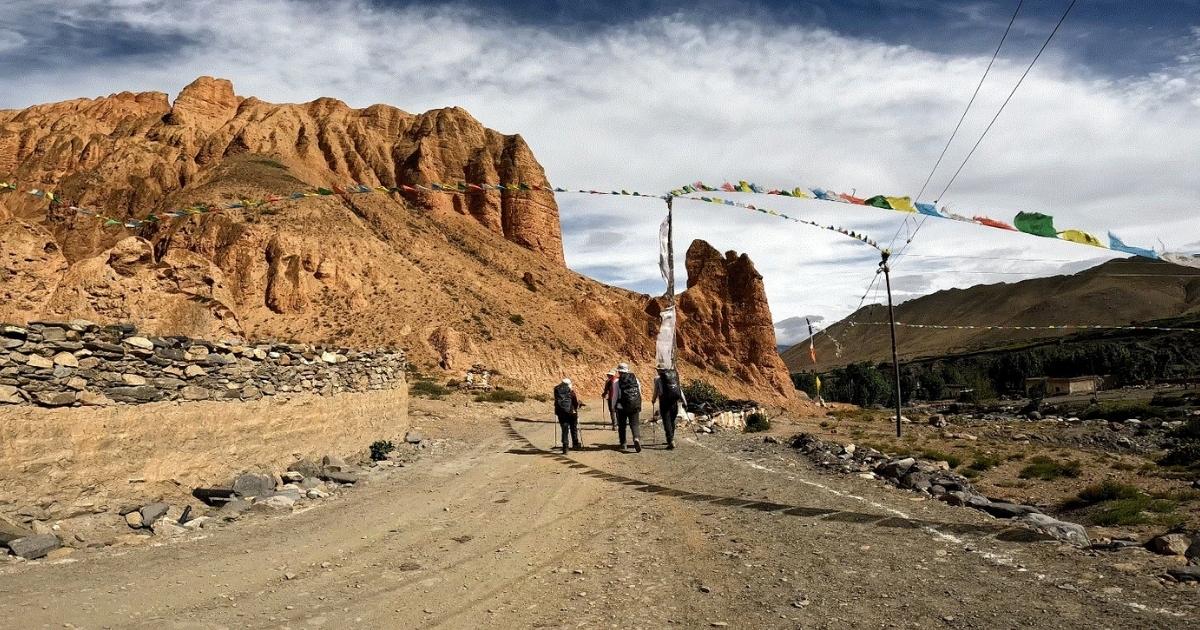
Your cost includes parameter shifts across these tiers based on transit and lodge styles. A budget package relies entirely on long, bumpy local jeep rides over dirt roads. The cost of accommodation in this tier covers basic, unheated teahouses with shared cold bathrooms. Upgrading to a standard package introduces private guide services and comfort lodges with attached bathrooms where available. Finally, a luxury package covers the cost of hiring a private Scorpio jeep or booking scheduled flights between Pokhara and Jomsom to bypass the rough road sections. It also secures the premium heritage lodges, which feature hot running water and heated electric blankets.
| Feature | Budget | Standard | Luxury |
| Package Cost | USD 1,300 to USD 1,500 | USD 1,800 to USD 2,400 | USD 2,800 to USD 3,500 |
| Accommodation | Basic teahouses, twin-sharing rooms, shared outdoor or corridor cold bathrooms. | Mid-range comfort lodges, private rooms, and attached indoor bathrooms are available. | Premium heritage boutique lodges, deluxe rooms, guaranteed attached hot showers, and electric blankets. |
| Meals | Standard local teahouse menu, fixed main dishes like Dal Bhat, no specialty items. | Full choice from the lodge menu, including continental options, eggs, and seasonal fresh fruits. | À la carte menu selection, unlimited hot beverages, organic local items, and specialized packed lunches like The Mustang Skillet. |
| Transportation | Shared public local jeep or public bus from Pokhara to Jomsom. | Private overland jeep (sharing with your small group) from Pokhara to Jomsom. | Scheduled return flights between Pokhara and Jomsom, or an exclusive private 4WD Scorpio jeep. |
| Guide & Porter | Shared group guide, no personal porter included in the base price. | Private licensed guide for your booking, shared porter (1 porter for 2 trekkers). | Private licensed guide, dedicated personal porter per trekker, and an assistant guide for large groups. |
| Permit Expenses | Includes RAP at USD 50 per day and ACAP at NPR 3,000. | Includes RAP at USD 50 per day and ACAP at NPR 3,000. | Includes RAP at USD 50 per day, ACAP at NPR 3,000, and helper permit clearances. |
Plan an Upper Mustang Trip That Fits You
Want more flexibility? Adjust your Upper Mustang itinerary, trekking days, stops, and activities to match your travel preferences.
What to Verify Before Paying a Trekking Agency in Nepal?
Before wire-transferring funds or making a credit card deposit to a trekking operator in Nepal for your Upper Mustang trek, you must demand a clear itemization of fixed government fees versus variable agency inclusions. A major cost parameter to verify is the precise breakdown of the Upper Mustang Restricted Area Permit (RAP). Do not accept a flat, outdated fee structure. The government of Nepal officially abolished the rigid $500 flat fee (which used to cover a fixed 10-day block) and transitioned to a flexible, pay-as-you-go daily rate of USD 50 per person, per day spent inside the restricted zone past the Kagbeni checkpoint. You must cross-reference your exact itinerary length with this daily rate to ensure the agency is not overcharging you.
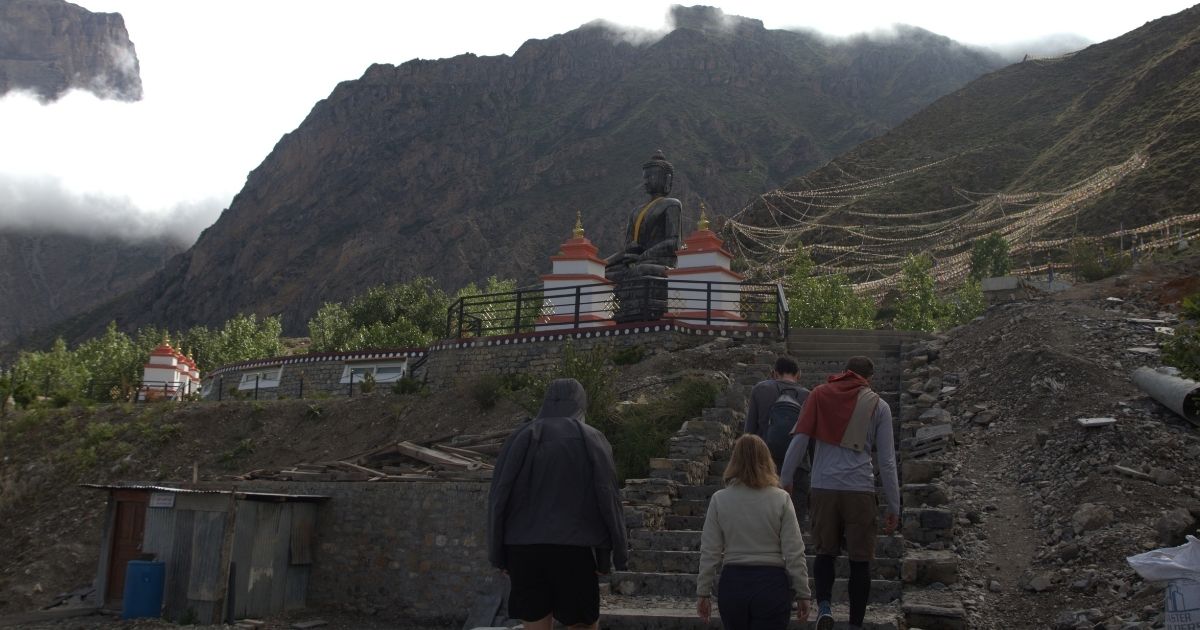
Also, confirm that the Annapurna Conservation Area Permit (ACAP) is included in the quote at its true face value of NPR 3,000 (approximately USD 25). Note that the Manaslu Conservation Area Permit (MCAP) is not required for this route. Regarding the Trekkers' Information Management System it is required in case of Annapurna region treks, but not for Upper Mustang trek only.
What Costs Does Our Agency Cover, and What Do You Need to Pay Yourself?
| Category | What Our Agency Covers (Includes) | What You Need to Pay Yourself (Excludes) |
| Permits & Regulations | Special Permit for Upper Mustang Trek (RAP at USD 50 per person per day), and all necessary paperwork. | Nepal visa fee for multiple entries on arrival at Tribhuvan International Airport. All costs due to itinerary modifications from weather or government policy changes. |
| Transit & Flights | Airport pick-up and drop-off services during arrival and departure times. Round-trip tourist bus from Kathmandu to Pokhara. Round-trip domestic flight cost: Pokhara-Jomsom-Pokhara for you and your guide. | International flight fare. Alternate hotel or transit in Pokhara due to early arrival, late departure, or early return outside the scheduled itinerary. |
| Staff & Support | English-speaking, government-licensed native guide. Strong porter to handle your luggage (weight limit is 10 kg per trekker). An assistant guide for any group of 8 or more trekkers. | Tips for your guide, porter, and driver (expected by trail staff at the end of the journey). Hiring charges for any extra porters beyond the allocation. |
| Food & Lodging | Full board meals on the trail (14 breakfasts, 12 lunches, and 12 dinners). Teahouse accommodations during the active trek days as per the itinerary. | All accommodations, lunches, and dinners in Kathmandu. Personal trail expenses: phone calls, laundry, hot showers, internet, battery recharging, and bar bills. |
| Gear & Safety | Down jacket and four-season sleeping bags (provided on loan to be returned after trek completion). Comprehensive first-aid kit, including an oximeter. | Personal clothing and specialized trekking gear. Mandatory travel insurance that specifically covers high-altitude emergency helicopter rescue operations. |
| Final Details | All government taxes, local municipal fees, and company service charges. Complimentary farewell dinner at a traditional Nepali cultural restaurant. | All standard beverages, boiled water, mineral water, snacks, souvenirs, and any expenses not explicitly listed in the inclusions. |
Upper Mustang Trek Cost vs Other Restricted-Area Treks
The cost of trekking in Nepal varies heavily when you enter restricted zones. For Upper Mustang, the average price from primary operators ranges from USD 1,500 to USD 3,500 per person for a standard 14- to 17-day itinerary. This specific cost remains higher than typical tea house treks because the government controls visitor numbers through expensive permits. But the recent policy update allows a single traveler to trek solo, provided they hire a licensed guide. This removes the old hurdle where solo trekkers had to purchase a fake second permit to meet the two-person quota. Also, remember that accommodation in Kathmandu is not included in our trek packages, so you must arrange your own lodging before and after the trek.
| Restricted Area | Average Cost | Why Different | Main Attraction |
| Upper Mustang Trek | USD 1,750 | It requires a steep Restricted Area Permit fee of USD 50 per day. Logistics involve long off-road jeep transfers or domestic flights to Jomsom. | The ancient walled city of Lo Manthang, the sky caves, and a distinct Tibetan Buddhist culture in a high-altitude desert. |
| Manaslu Circuit Trek | USD 1,100 | The Restricted Area Permit costs USD 100 per week during autumn and USD 75 during other months. It uses standard road transport. | Crossing the challenging Larkya La pass at 5,106 m and walking along the deep Budhi Gandaki river valley. |
| Nar Phu Valley Trek | USD 1,350 | The permit costs USD 100 per week in peak season. It splits from the mainstream Annapurna route, requiring specialized mountain logistics. | The remote, untouched stone villages of Nar and Phu, along with crossing the high Kang La pass. |
| Tsum Valley Trek | USD 950 | It shares the lower trail with Manaslu but has lower permit costs of USD 40 per week during the peak season. Accommodation remains basic. | The sacred, non-sacrificing valley of peace, ancient monasteries like Mu Gompa, and views of the Ganesh Himal range. |
| Kanchenjunga Base Camp Trek | USD 2,200 | The extremely remote eastern location requires multiple domestic flights and extensive travel days. Permit processing is complex. | Remote wilderness trekking to both the North and South base camps of the third-highest peak on Earth. |
Have Questions About Your Trek?
Get quick answers about routes, costs, permits, difficulty, or travel dates from our trekking team before you book.
Conclusion
While the Upper Mustang trek cost is significantly more expensive than standard Nepalese routes due to its mandatory USD 50 per day Restricted Area Permit, the total investment of $1,300 to $3,500 per person delivers an unparalleled, high-value travel experience. This premium pricing serves as a vital tool for sustainable tourism, successfully preserving the fragile desert environments, ancient cave systems, and centuries-old Tibetan Buddhist heritage of the "Upper Mustang region".
Download the Upper Mustang itinerary today to get a day-by-day budget breakdown and start planning your bucket-list adventure!