Quick Facts about Kala Patthar
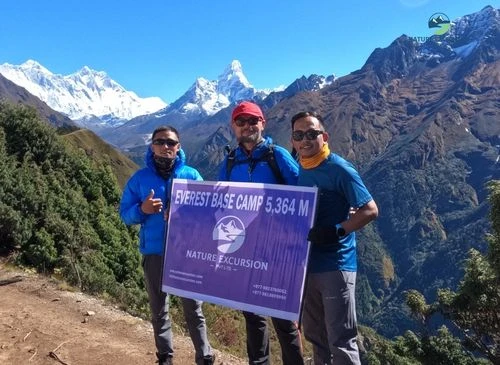
Kala Patthar is the ultimate Everest viewpoint in Nepal for travelers who want to see the world's highest peak with their own eyes. The name Kala Patthar means "Black Rock" in the local language, which describes its dark, rocky appearance against the snowy peaks. Kala Patthar is at 5,545 m, making it the highest point most people will ever reach on a classic Himalayan trek. Located just above Gorak Shep in the Khumbu region, this famous rocky ridge is a key highlight of the Everest Base Camp Trek route.

Many beginners do not know that you cannot see the summit of Mount Everest from Base Camp because Mount Nuptse blocks the view. But walking up Kala Patthar changes everything by giving you a clear, front-facing view of the entire mountain giant. You do not need any climbing experience or special permits to hike it. This makes it a highly popular and accessible goal for ordinary trekkers who possess a good standard of basic fitness.
| Feature | Details |
| Location | Khumbu Region, Sagarmatha National Park |
| Kala Patthar Altitude | 5,545 m |
| Primary Highlight | Unobstructed views of Mount Everest's summit |
| Starting Point | Gorak Shep village |
| Trek Difficulty | Non-technical but steep high-altitude walk |
| Best Time for Views | Early morning sunrise or late afternoon sunset |
| Visible Peaks | Everest, Lhotse, Nuptse, Pumori, and Ama Dablam |
Origin of the name “Kala Patthar”
The name Kala Patthar, meaning "Black Rock" in Nepali and Hindi, perfectly describes its striking appearance. When you look up from the small settlement of Gorak Shep, this giant ridge stands out immediately. It is a massive, dark mound of ancient metamorphic loose rock fragments that contrasts sharply with the bright white ice walls of Pumori right behind it. For centuries, local Sherpas used these dark ridges as natural landmarks while navigating the high-altitude terrain. The name holds a deep, grounded connection to the earth, reminding you that the Himalayas are built on ancient, powerful geology that existed long before human footsteps arrived.
For modern trekkers, this dark rock is the place where your personal Himalayan story changes forever. It became famous because it acts as the perfect natural viewing platform for the highest place on Earth. When you stand on its dark, exposed summit, you connect emotionally with the sheer scale of the mountains. The dark color of the ridge grounds your feet, while your eyes look up at the brilliant, sunlit face of Mount Everest. This contrast makes the vast landscape feel both intimidating and deeply welcoming, turning a difficult high-altitude hike into a moment of pure, unforgettable triumph.
Duration:14 DaysStart fromUSD 1700USD 1455based on 28 reviews
Why Kala Patthar is the Best Everest Viewpoint in Nepal?
Kala Patthar stands out as the ultimate Everest viewpoint in Nepal because it solves a major geographical frustration. When you hike all the way to Everest Base Camp, the massive shoulder of Mount Nuptse blocks your view of the actual summit. But climbing this dark ridge puts you directly in front of the world's highest peak without any obstructions. Other famous viewpoints, like Gokyo Ri (5,357 m), which you will reach during the Everest Three Pass Trek, offer a wider, more sweeping view of four 8,000-meter peaks. They are beautiful, but they keep you at a much greater distance from the main prize. Kala Patthar brings you face-to-face with the giant, making the mountain look close enough to touch.
The timing of your ascent creates the most iconic photography opportunities in the entire Khumbu region. Most trekkers make the steep climb in the cold, dark hours before dawn to catch the sunrise. As the sun rises behind the Himalayan wall, the first golden light hits the snowy summit of Everest while the valleys below remain in deep shadow. This angle makes it a legendary spot for photographers seeking to capture the true scale and texture of the mountain. Meanwhile, afternoon hikes offer equally spectacular views, as the setting sun paints the south face in deep shades of orange and pink.
You do not need to be an expert mountaineer to experience this view. The hike is entirely non-technical, meaning there are no ropes, ice axes, or dangerous vertical drops to worry about. It is a steep, slow walk over dirt, loose gravel, and large boulders. The true challenge comes from the thin air at the summit, which makes breathing heavy and slow. With steady pacing, warm layers, and proper acclimatization in the days prior, this summit is a realistic, highly achievable goal for ordinary hikers.
Experience Everest From Kala Patthar
Want to witness Mount Everest from one of the best viewpoints in the Khumbu? Follow the classic Everest Base Camp route and reach Kala Patthar for an unforgettable Himalayan panorama.
Mountains seen from Kala Patthar

Standing on top of Kala Patthar gives you a complete 360-degree view of the highest mountains on Earth. When you look down, you see the massive Khumbu Glacier and a giant bowl of rock and ice. The huge mountains feel incredibly close, allowing you to see the actual routes that climbers use to climb Everest. You can also look straight down onto the dangerous Khumbu Icefall. This famous spot takes the Himalayas' vast scale and turns it into a clear, unforgettable view of the world's most iconic peaks.
| Mountain | Visibility from Kala Patthar | Highlight Feature |
| Mount Everest | Full frontal view | Sunrise golden glow on the summit |
| Lhotse | Clear glimpses of the northern flank | Sharp, towering south wall silhouette |
| Nuptse | Dominant, massive presence right ahead | An enormous jagged ridge connecting to Everest |
| Pumori | Immediate, looming background giant | Perfect pyramid shape rising directly behind the ridge |
| Ama Dablam | Distinctive, elegant posture down the valley | A striking solitary peak standing out on the skyline |
How to Reach Kala Patthar via the Everest Base Camp Trek Route?
The Trekking Route
Trekking from Lukla to Everest Base Camp and then to Kala Patthar follows a famous geographical progression that tests your physical stamina while building your confidence. The classic trail takes you out of the lush green river valleys, moves through ancient pine forests, and slowly leads you into a harsh, high-altitude alpine desert. As you move higher, the active Sherpa trading villages like Namche Bazaar transition into remote, stone-walled outposts like Gorak Shep, which are completely surrounded by rock and shifting ice glaciers. Your body slowly learns to cope with the changing landscape, converting initial nerves into a calm, focused mindset.
The biggest challenge on this legendary trail is managing the drop in oxygen levels as you push deep into the Khumbu region. Successful trekking requires patience, slow pacing, and strategic rest days to let your heart and lungs adapt naturally to the thin mountain air. Standard routes include critical acclimatization stops at key elevations, such as 3,440 m and 4,410 m, to reduce the risk of altitude sickness. Choosing the right path depends entirely on your available vacation days, your current level of physical fitness, and your previous experience hiking on steep, rocky trails.
| Day / Stage | 14 Days EBC Trek Route | 12 Days EBC Trek Route | Short EBC Trek Route (with Helicopter Return) |
| Day 1 | Arrival in Kathmandu (1,400 m) | Flight to Lukla, trek to Phakding (2,610 m) | Flight to Lukla, trek to Phakding (2,610 m) |
| Day 2 | Flight to Lukla, trek to Phakding (2,610 m) | Trek to Namche Bazaar (3,440 m) | Trek to Namche Bazaar (3,440 m) |
| Day 3 | Trek to Namche Bazaar (3,440 m) | Acclimatization in Namche Bazaar (3,440 m) | Acclimatization in Namche Bazaar (3,440 m) |
| Day 4 | Acclimatization in Namche Bazaar (3,440 m) | Trek to Tengboche Monastery (3,860 m) | Trek to Tengboche Monastery (3,860 m) |
| Day 5 | Trek to Tengboche Monastery (3,860 m) | Trek to Dingboche (4,410 m) | Trek to Dingboche (4,410 m) |
| Day 6 | Trek to Dingboche (4,410 m) | Acclimatization in Dingboche (4,410 m) | Trek to Lobuche (4,940 m) |
| Day 7 | Acclimatization in Dingboche (4,410 m) | Trek to Lobuche (4,940 m) | Trek to EBC, sleep at Gorak Shep (5,164 m) |
| Day 8 | Trek to Lobuche (4,940 m) | Trek to EBC, sleep at Gorak Shep (5,164 m) | Hike Kala Patthar (5,545 m), helicopter to Lukla |
| Day 9 | Trek to EBC, sleep at Gorak Shep (5,164 m) | Hike Kala Patthar, trek to Pheriche (4,210 m ) | Fly Lukla to Kathmandu / Final Departure |
| Day 10 | Hike Kala Patthar, trek to Pangboche (3,930 m) | Trek to Namche Bazaar (3,440 m) | — |
| Day 11 | Trek to Namche Bazaar (3,440 m) | Trek to Lukla (2,845 m) | — |
| Day 12 | Trek to Lukla (2,845 m) | Flight back to Kathmandu | — |
| Day 13 | Flight back to Kathmandu | — | — |
| Day 14 | Final Departure from Kathmandu | — | — |
The Helicopter Tour
The Everest Base Camp helicopter tour offers a luxurious and time-efficient alternative for travelers who want to see the world's highest peak without the physical strain of a multi-day trek. This premium experience replaces weeks of demanding foot travel with a swift, comfortable flight that gets you to the mountains in just a few hours. You bypass the thin air and steep climbs entirely, relaxing in a modern, temperature-controlled cabin.
The true highlight of this luxury flight is the unmatched aerial viewpoint and exclusive photography opportunities. As the helicopter rises, you fly level with jagged 7,000-meter peaks and look directly down into deep river valleys and massive glacial icefalls. The aircraft makes a thrilling landing at a strategic high-altitude viewpoint, allowing you to step out onto the crisp mountain snow. With the giant south face of Mount Everest towering directly in front of you, you get a clear, unobstructed window for capturing professional-grade photographs.
| Phase | Start Point | Destination | Duration / Stop Time | Highlights |
| Phase 1 | Kathmandu (1,400 m) | Lukla Airport (2,845 m) | 45 minutes flight | Scenic flight over green hills and terraced farming villages |
| Phase 2 | Lukla Airport (2,845 m) | Kala Patthar / Everest Base Camp (5,435 m+ / 5,545 m) | 25-minute flight | Low-altitude flying over Namche Bazaar, Tengboche, and Khumbu Glacier |
| Phase 3 | Kala Patthar Viewpoint (5,545 m) | Ground Landing Stop | 10 to 15 minutes stop | Maximum time allowed for safety to step out, take photos, and view Everest |
| Phase 4 | Kala Patthar | Syangboche / Hotel Everest View (3,880 m) | 15 minutes flight | Short hop down the valley for a premium mountain breakfast |
| Phase 5 | Hotel Everest View (3,880 m) | Lukla to Kathmandu | 30 mins breakfast + 1 hour return flight | Refueling stop at Lukla before heading back to the capital city |
What to Expect on the Summit (conditions, crowd, timing)
Reaching the rocky summit of Kala Patthar drops you into an intense high-altitude environment where the physical conditions test your resolve. The air at 5,545 m is piercingly cold, and freezing winds regularly whip across the exposed ridge. Most trekkers begin their steep ascent around 3:30 AM or 4:00 AM in complete darkness to catch the dawn light. During peak spring and autumn seasons, this timing creates a bustling crowd as dozens of hikers slowly push up the narrow trail together. You will hear the heavy breathing of fellow travelers and see headlamps flickering against the dark rock, creating a shared sense of determination in the freezing pre-dawn air.
The atmosphere changes completely once the first light hits the surrounding peaks. If you time your climb correctly, you stand by the prayer flags just as the sun climbs behind the mountain wall, painting the summit of Everest in a brilliant golden glow. The space on the true summit is small and packed with boulders, so you must move carefully around other trekkers who are taking photographs. Most groups stay for only 10 to 15 minutes because the extreme cold and thin oxygen levels make lingering dangerous. Meanwhile, choosing a late afternoon hike offers a much smaller crowd and quieter conditions, but you must race the fading light and plunging temperatures on your descent back to Gorak Shep.
Plan Your Everest Base Camp Trek
Want to include Kala Patthar in your Everest adventure? Customize your trek around your available time, preferred pace, acclimatization needs, and Himalayan experience.
Everest Sunrise View from Kala Patthar: The Moment That Changes Everything
Standing on the frozen rocks of Kala Patthar in the dark, the biting cold and thin air disappear the exact second the sun breaks over the Himalayan horizon. The heavy silence of the high altitude dominates the ridge as the first beam of light cuts through the dark blue sky. Suddenly, the dead white snow on the summit of Mount Everest turns into a brilliant, glowing pyramid of pure gold. You watch the dark shadows slide down the massive face of Nuptse and Lhotse, revealing the immense scale of the mountain wall right in front of your eyes. It is a cinematic explosion of color that makes your racing heart and frozen fingers feel completely irrelevant.

This specific moment shifts your perspective entirely, turning a difficult physical challenge into a deep, permanent memory. Watching the highest point on Earth light up while the world below stays dark fills you with an overwhelming sense of triumph and calm. The exhaustion from the steep, pre-dawn climb washes away, replaced by the sheer awe of standing face-to-face with a global icon. You realize that you did not just look at a map or read a guide; you walked every single step to stand in the presence of giants. It is the definitive, unforgettable instant that makes every cold night, heavy breath, and blister on the trail worth the effort.
Best Time to Visit Kala Patthar for Clear Everest Views
The best times to visit Kala Patthar for clear Everest views are during the peak spring and autumn trekking seasons. Autumn, spanning from September to November, offers the absolute sharpest visibility of the entire year. The heavy monsoon rains have just washed the dust and pollution out of the atmosphere, leaving the mountain skies crisp, deep blue, and completely clear. Meanwhile, spring, from March to May, brings warmer temperatures and a livelier landscape as rhododendron forests bloom in the lower valleys. Morning skies during these months are remarkably stable, giving you a highly reliable window to view the Everest summit before afternoon clouds roll in.
Choosing to trek in winter or monsoon requires much more caution, but these seasons still hold unique appeal for the right traveler. Winter, from December to February, brings freezing temperatures down to -20°C (-4°F) on the ridge and heavy snow that can block high passes. But if you pack the right gear, the winter skies are often perfectly clear, and you will enjoy the iconic viewpoint completely devoid of peak-season crowds. On the flip side, the monsoon season from June to August introduces heavy daily rains, muddy trails, and frequent flight cancellations to Lukla. But the rain-washed valleys look incredibly green, and patient trekkers are occasionally rewarded with dramatic, sudden cloud clearings that reveal a spectacular, moody version of Everest.
Seasonal Guide for Kala Patthar
| Season | Visibility | Difficulty | Recommendation |
| Spring (March – May) | High clarity in the mornings with occasional afternoon cloud build-up | Moderate; standard trail conditions with comfortable walking temperatures | Highly recommended for warm weather and clear morning views |
| Autumn (Sept – Nov) | Maximum clarity; sharpest and most stable mountain views of the year | Moderate; crisp and dry trails but temperatures drop quickly at night | Best overall choice for dedicated trekkers and photographers |
| Winter (Dec – Feb) | Excellent sky clarity but days are short and snowstorms are possible | High; extreme freezing winds and icy patches on the steep upper ridge | Suitable only for experienced hikers with professional sub-zero winter gear |
| Monsoon (June – Aug) | Low; mountains are frequently hidden behind thick fog and rain clouds | High; slippery, wet trails with risk of leeches and flight delays | Not recommended unless you seek empty trails and lush, green landscapes |
Photography Guide for Everest from Kala Patthar
Capturing the perfect shot of Mount Everest from this famous vantage point requires a solid understanding of high-altitude light and extreme weather conditions. You must manage freezing temperatures that drain camera batteries in minutes while setting up your shots on a rocky, windswept ridge.
Best Times for Photography
The early morning sunrise offers the most reliable clear-sky conditions for photography, making it the preferred time for most travelers. During this prime golden hour, the crisp alpine air provides excellent clarity, allowing you to capture the fine textures of the snow and dark rock faces. But the light shifts quickly from soft pastel tones to intense, harsh glare, so you must prepare your camera settings and position your tripod well before the first rays break over the mountain wall.
| Time | Condition | Best Shot |
| Pre-sunrise | Deep blue twilight, freezing temperatures, and silhouette shapes | Glowing headlamp trails of hikers climbing the dark ridge against the dark blue mountain outlines |
| Sunrise | Soft golden hour light hits the highest tips of the peaks | The iconic golden pyramid effect on the very summit of Mount Everest |
| Morning | Bright, direct sunlight, clear blue skies, and high contrast | Sharp panoramic details of the Khumbu Glacier, Icefall, and surrounding 7,000-meter ridges |
| Evening | Warm orange and pink light, moving shadows, and potential cloud build-up | Dramatic alpenglow on the massive south face of Everest with fewer crowds in the frame |
Difficulty Level and Safety Tips for Kala Patthar
Hiking Kala Patthar is entirely non-technical, meaning you do not need climbing ropes, crampons, or previous mountaineering experience. But the trail is physically demanding because it is a steep, relentless uphill push over dirt, loose gravel, and large boulders. The true difficulty lies in the severe lack of oxygen at 5,545 m, where every step requires immense effort and causes rapid breathing. The freezing morning temperatures and biting winds can quickly exhaust your body if you are not properly prepared. Most hikers with average physical fitness can reach the top, provided they maintain a slow, steady pace and avoid rushing the ascent.
Altitude Sickness and Acclimatization Tips
Safety on this high-altitude ridge depends completely on how well your body has adapted to the thin air over the previous week. Altitude sickness is a very real danger, so you must monitor your body for warning signs like severe headaches, dizziness, or nausea. To stay safe, drink plenty of water, wear heavy layers to prevent hypothermia, and always hike with a buddy or an experienced guide. If your symptoms worsen on the trail, you must turn around and descend immediately, because losing elevation is the only effective cure. Staying humble, listening to your guide, and managing your energy will ensure a safe and memorable journey to the top.
Duration:9 DaysStart fromUSD 1450USD 1305based on 1 review
Permits Required For Everest Trek
Securing the necessary permits for your Everest trek is a straightforward process that requires no stressful planning on your part. To access the trail leading to Kala Patthar, you need two primary documents: the Khumbu Pasang Lhamu Rural Municipality Entrance Permit and the Sagarmatha National Park Entry Permit. The local municipality permit costs NPR 3,000 (approximately USD 23) per person and is collected directly at the trail counters in Lukla. Meanwhile, the National Park permit costs NPR 3,000 (approximately USD 23) plus a 13% government VAT, which rangers verify at the Monjo checkpoint.
These official fees completely replace the old TIMS card system, keeping paperwork to an absolute minimum. When you book your journey with us, we handle the entire logistics pipeline to ensure your entry is as stress-free as possible. Our team takes your passport copies before the trip, completes the required government forms, and pays all local taxes in advance. Your dedicated guide carries the physical vouchers and manages every single checkpoint along the trail while you focus on your walking pace. This professional management ensures you bypass the long queues at the park gates, keeping your mind free to absorb the massive mountain scenery around you.
Planning to See Everest From Kala Patthar?
Have questions about the Kala Patthar viewpoint, trekking route, altitude, or the best time for clear mountain views? Talk to our trekking experts on WhatsApp for practical guidance.
Plan Your Everest View Adventure from Kala Patthar
Standing on the windswept ridge of Kala Patthar and watching the first golden light hit the summit of Mount Everest is a defining moment that stays with you forever. This iconic journey bridges the gap between a challenging mountain trek and an achievable life goal, proving that you do not need to be a professional mountaineer to experience the true roof of the world. With proper physical preparation, a steady pace, and our experienced team guiding your steps, you can confidently turn this legendary Himalayan dream into reality. Let us handle the high-altitude logistics, permits, and safety details so you can focus entirely on the grand landscape ahead.
Ready to plan your journey to the ultimate Everest viewpoint? Explore our comprehensive routes, gear lists, and expert safety protocols by downloading our official Everest Base Camp itinerary today.