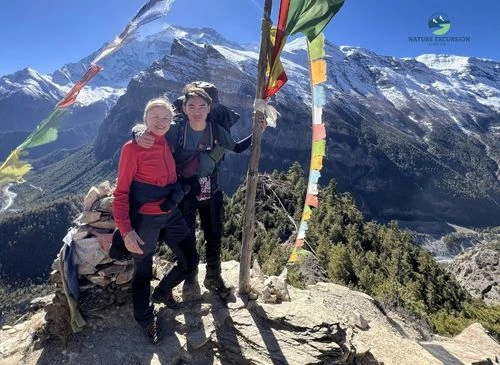
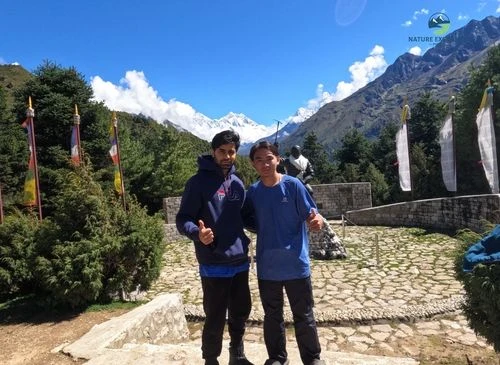
Trekking Vs Hiking: Quick Comparison
Feature | Trekking | Hiking |
Meaning | A longer journey on foot through mountains, villages, forests, or remote terrain | A shorter walk in nature for fitness, relaxation, or sightseeing |
Duration | Several days to several weeks | A few hours to one day in most cases |
Distance | Longer distance over multiple days | Short to medium distance |
Difficulty | Moderate to challenging, depending on distance, altitude, and terrain | Easy to moderate, depending on the route |
Terrain | Rugged mountain trails, remote valleys, high passes, villages, and wilderness areas | Marked trails, hills, forests, countryside paths, and accessible viewpoints |
Planning | Detailed planning for accommodation, permits, transport, weather, gear, and acclimatization | Basic route planning and day-hike essentials |
Gear | Trekking boots, larger backpack, layers, poles, water treatment, sleeping gear if needed, and first-aid supplies | Daypack, water, snacks, suitable shoes, and weather layers |
Accommodation | Teahouses, lodges, camps, or homestays are often part of the journey | Usually not needed |
Fitness level | Requires better endurance, preparation, and recovery ability | Suitable for most active travelers and beginners |
Cultural experience | Usually more immersive, with village stays and local cultural encounters | Often limited due to shorter duration |
Nepal examples | Everest Base Camp, Annapurna Circuit, Manaslu Circuit, Langtang Trek | Nagarkot, Shivapuri, Sarangkot, Dhulikhel |
What Is Trekking?
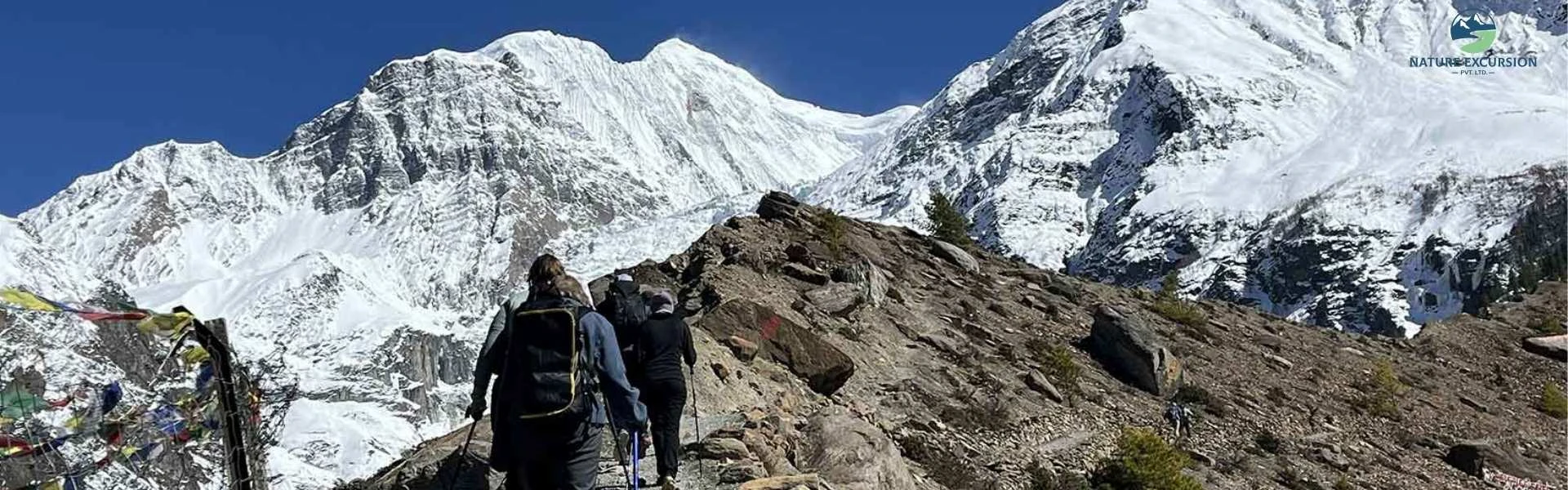
Trekking is a longer journey on foot that usually lasts several days or more. It often takes place in mountainous, rural, or remote environments and includes overnight stays in teahouses, lodges, camps, or homestays.

A trek is more than walking from one point to another. It is a complete travel experience that combines natural landscapes, physical activity, local culture, mountain villages, food, and personal achievement.
In Nepal, trekking can take you through subtropical forests, terraced farmland, suspension bridges, riverside trails, Buddhist monasteries, traditional settlements, alpine valleys, and high mountain passes. As you walk deeper into the Himalayas, the scenery, climate, and culture can change dramatically. Popular trekking routes in Nepal include the Annapurna Base Camp Trek, Annapurna Circuit Trek, Manaslu Circuit Trek, and Langtang Trek.
Key characteristics of trekking:
- Lasts several days, weeks, or longer
- Covers greater distances over consecutive walking days
- May involve rugged trails, high elevations, remote areas, and high-altitude terrain
- Often includes overnight stays in mountain lodges or villages
- Requires more planning, physical preparation, and suitable trekking equipment
- Need permits, guides, porters, domestic flights, or road transfers
- Offers greater exposure to local communities and mountain culture
- May require acclimatization on high-altitude routes
Plan Your Trek Your Way
Choose your preferred route, duration, travel dates, and trekking style to create trek experience that fits you.
What is Hiking?
Hiking is an outdoor walk on natural trails, hills, forests, countryside paths, or mountain viewpoints. People hike for exercise, fresh air, photography, relaxation, and a chance to spend time away from busy towns and cities. Most hikes last from a few hours to one full day. You normally begin in the morning, follow a hiking trail, stop for views or lunch, and return to your home by evening.
A hike can still be physically demanding. It’s because hiking routes may include steep uphill trails, downhill sections, hot weather, slippery ground, forest paths, uneven ground, stone steps, and a long walking distance. But still, it usually requires less equipment and fewer logistics than a multi-day trek. People who want Himalayan views, village scenery, forest trails, and cultural experiences without committing to a long mountain itinerary usually choose hiking over trekking.
Key characteristics of hiking:
- Usually completed within a few hours or one day
- Follows marked, maintained, or familiar trails
- Requires a light daypack rather than overnight luggage
- Focuses on exercise, scenery, nature, and relaxation
- Can be easy, moderate, or challenging depending on distance and elevation gain
- Suitable for beginners, families, and travelers with limited time
- Does not require overnight accommodation on the trail
Main Difference Between Trekking and Hiking
The main real difference between Trekking and Hiking is the length and depth of the journey.
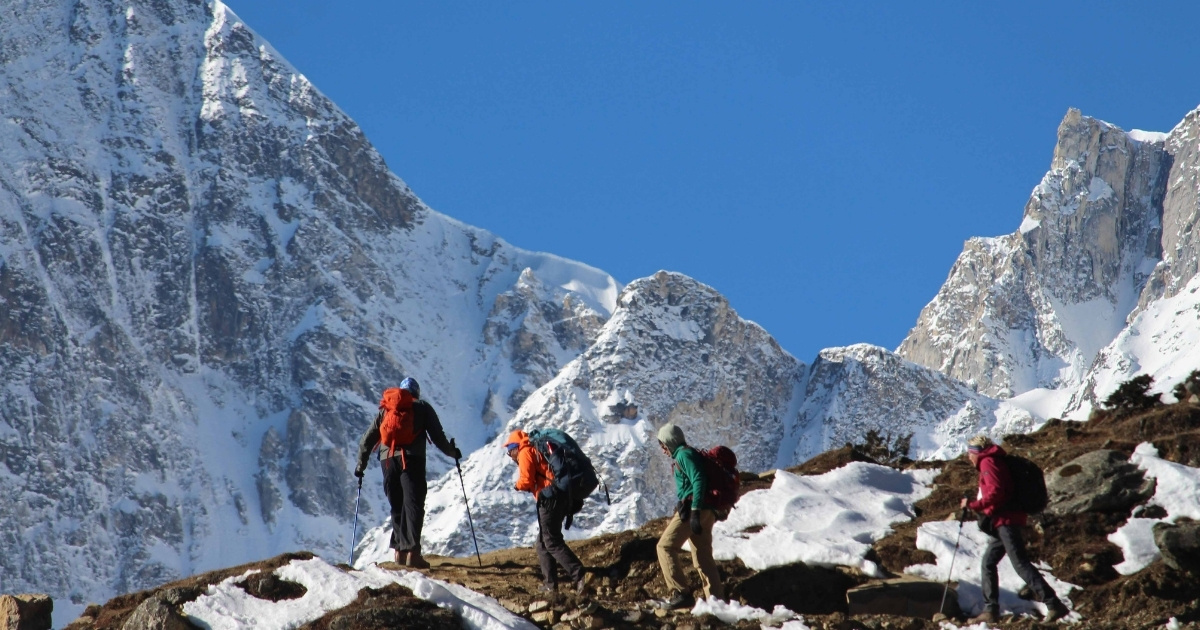
Trekking is a longer adventure with more variables to manage. You walk for several days through changing terrain, stay overnight in mountain teahouses, carry more gear, adapt to weather changes, and travel through areas far from roads and urban services. Trekking tests your stamina, patience, planning, and ability to adapt to mountain weather or remote environments.
In contrast, Hiking is often a short outdoor activity. It may be a half-day forest walk, a sunrise hike to a viewpoint, or a full-day route through villages and hills. The aim is usually to enjoy nature, improve fitness, and return on the same day. It is easier to fit into a short holiday or a free day.
For example, a walk from Nagarkot to Changunarayan is a rewarding day hike. It offers countryside views, local settlements, and a manageable outdoor experience near Kathmandu. The Everest Base Camp Trek, on the other hand, is a multi-day high-altitude journey. It involves multi-day walking, gradual ascent, rest days, appropriate cold-weather clothing, and careful attention to acclimatization.
Is Trekking Harder Than Hiking?
In most cases, yes. Trekking is harder than hiking because it involves more days of walking, longer distances, more elevation gain, variable weather, and greater physical and mental endurance.
However, difficulty depends on the individual route rather than the label alone. A steep, long day hike can feel difficult for someone who is not used to uphill walking. At the same time, a well-paced, lower-altitude trek with comfortable teahouse accommodation may be manageable for a first-time trekker who prepares properly.
The difficulty of a hike or trek depends on several factors like daily walking hours, total distance, elevation gain and loss, trail condition, weather and season, maximum altitude, weight of your backpack, availability of food, water, and accommodation, previous outdoor experience, and overall health and fitness level.
Trekking becomes more demanding when it includes high altitude, cold temperatures, snow, remote trails, or long consecutive walking days.
Trekking Vs Hiking for Beginners
For most first-time outdoor travelers, hiking is something that you begin with. It prepares you to walk on uneven terrain, use a daypack, choose suitable footwear, and manage your pace without the pressure of a multi-day itinerary. Gradually, it builds leg strength, balance, confidence, and endurance.
Once you feel comfortable with day hikes, you can move on to short treks and slowly build your endurance for longer Himalayan routes.
Choose trekking if you:
- Have several days available for an adventure
- Want to explore mountain villages and remote landscapes
- Enjoy physical challenges and long walking days
- Are interested in Himalayan culture and teahouse experiences
- Are prepared to train before your trip
- Want to visit higher mountain regions
- Are comfortable with basic accommodation and changing conditions
Choose hiking if you:
- Have only one day available
- Are new to outdoor walking
- Want a relaxed nature experience
- Prefer lighter gear and simple planning
- Are traveling with children or mixed-age groups
- Want a short activity near Kathmandu or Pokhara
- Enjoy viewpoints, forests, village trails, and photography
Types of Trekking
Not every trek looks the same. Some routes are short and comfortable, while others require serious preparation and mountain experience. Thus, trekking is not limited to one type of experience. It can be a day trek, a multi-day trek, or a high-altitude trek.
Day trek: A day trek is completed in one day but is a longer or more strenuous same-day mountain walk. The route can include steep climbs, rural trails, viewpoints, or a long walking distance before returning to the starting point. Day treks are ideal for travelers who want more adventure than a short walk but do not have time for overnight travel.
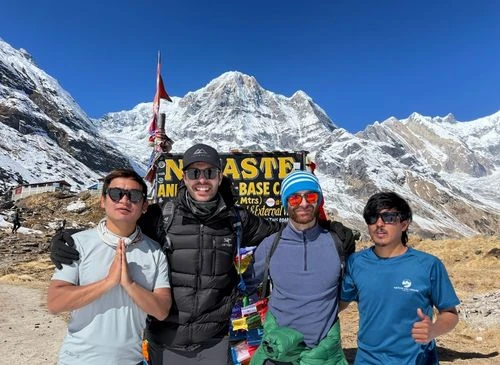
Multi-day trek: A multi-day trek lasts from several days to a few weeks. You walk between villages, teahouses, or camps and stay overnight along the route. This type of trekking is popular in Nepal because it allows travelers to experience changing landscapes and local communities. A route may begin in subtropical forests and rise gradually into alpine terrain surrounded by Himalayan peaks. Examples of multi-day treks include the Langtang Trek, Annapurna Base Camp Trek, Ghorepani Poon Hill Trek, Mardi Himal Trek, and Everest View Trek.
High-altitude trek:A high-altitude trek reaches high mountain areas where the air becomes thinner, and the body needs time to adjust. These trips require slower walking, proper rest, hydration, and an itinerary that allows enough time for acclimatization. High-altitude trekking should never be rushed. Being physically fit is required. Popular high-altitude trekking routes in Nepal include Annapurna Circuit Trek, Manaslu Circuit Trek, Upper Mustang Trek, Upper Dolpo Trek, Pikey Peak Trek, Tsum Valley Trek, Everest Base Camp Trek, etc.
Plan Your Own Adventure
Choose your destination, trip style, itinerary, dates, and pace to create an adventure that fits exactly what you want.
Gear Required for Trekking Vs Hiking
The gear you need depends on your route, season, elevation, weather forecast, and overnight arrangements. Both trekking and hiking require suitable footwear, water, weather protection, and basic safety awareness. The difference is that trekking normally requires more equipment because you spend longer away from towns, roads, and regular services.
Do not choose gear only because an activity is called a hike or trek. Instead, choose it based on the weather, altitude, trail conditions, duration, accommodation, and your own needs. For example, a sunny low-elevation day hike may only need trail shoes, water, and a light jacket. A high-altitude trek in the Himalayas may require insulated clothing, waterproof protection, warm gloves, reliable boots, and careful layering.
Essential Trekking Gear
For a multi-day trek, consider carrying:
- Sturdy, well-fitted trekking boots
- A backpack or duffel bag, depending on porter support
- A small daypack for water, valuables, layers, and personal essentials
- Moisture-wicking base layers
- Fleece jacket or warm mid-layer
- Insulated down or synthetic jacket
- Waterproof and windproof outer shell
- Trekking trousers and warm socks
- Gloves, warm hat, and neck gaiter
- Trekking poles
- Headlamp and spare batteries
- Reusable water bottle and water purification method
- Personal medication and a first aid kit
- Toiletries and quick-dry towel
- Sleeping bag, if needed for your route and season
Essential Hiking Gear
For a typical day hike in Nepal, pack:
- Comfortable hiking shoes, trail shoes, or light hiking boots
- A small daypack
- Drinking water or a hydration system
- Energy snacks or a packed lunch
- A lightweight rain jacket or windproof layer
- Sun hat, sunglasses, and sunscreen
- Phone and offline map or navigation app
- Personal first-aid items
- Trekking poles for steep uphill or downhill trails
- An extra warm layer during cooler months
Trekking and Hiking in Nepal

Nepal is one of the best destinations for both trekking and hiking because it offers a wide range of landscapes within relatively short distances. Travelers can choose from gentle hills near Kathmandu, lakeside trails around Pokhara, mid-hill village walks, and remote Himalayan routes.
Best Trekking Destinations in Nepal
Trekking destination | Highlights | Best for |
Everest Base Camp Trek | Around 12 days | Sherpa culture, mountain villages, Everest region scenery, and high-altitude adventure |
Annapurna Base Camp Trek | Around 7 to 12 days | Forests, villages, hot springs, and Himalayan views |
Annapurna Circuit Trek | Around 10 to 15 days | Diverse landscapes, mountain communities, and a classic long-distance route |
Manaslu Circuit Trek | Around 14 days | Remote trails, Tibetan-influenced culture, and spectacular Himalayan scenery |
Langtang Trek | Around 7 to 10 days | Tamang heritage, mountain valleys, forests, and accessible trekking from Kathmandu |
Ghorepani Poon Hill Trek | Around 4 to 6 days | Sunrise mountain views, Gurung villages, and a shorter trekking option |
Upper Mustang Trek | Around 12 to 17 days | Dry trans-Himalayan terrain, ancient settlements, and distinctive culture |
Tsum Valley Trek | Around 14 to 20 days | Remote villages, Buddhist heritage, monasteries, and peaceful trails |
Best Hiking Destinations in Nepal
Hiking destination | Highlights | Best for |
Nagarkot to Changunarayan | Himalayan views, countryside trails, villages, and heritage | First-time hikers and day-trip travellers |
Shivapuri | Forest paths, fresh air, wildlife, and Kathmandu Valley views | Nature lovers and hikers near Kathmandu |
Sarangkot | Sunrise and sunset views over Pokhara and Phewa Lake | Short scenic hikes and photographers |
Dhulikhel | Rural villages, peaceful trails, and mountain viewpoints | Culture and countryside walks |
Namobuddha | Buddhist heritage, farmland, and quiet hill trails | Spiritual and cultural day hikes |
Champadevi | Ridge walking and panoramic Kathmandu Valley views | Active hikers looking for a challenge |
Kakani | Cool weather, hill scenery, and Himalayan viewpoints | Short trips from Kathmandu |
Phulchoki | Forest trails, birdlife, and higher hill terrain | More experienced day hikers |
How to Choose Between Hiking and Trekking
The right choice depends on your available time, fitness level, comfort with mountain conditions, and the type of experience you want. Choose a hike if you want a short outdoor activity, a gentle physical challenge, a scenic viewpoint, or a break from city sightseeing. In contrast, choose a trek if you want a complete mountain journey with overnight stays, local cultural experiences, high mountain views, and a stronger sense of adventure.
Use this quick guide to decide which option suits you best:
Question | Choose Hiking If… | Choose Trekking If… |
How many days can I spend walking? | You have a few hours or one day available. | You can spend three days or more on the trail. |
What is my fitness level? | You are a beginner, prefer a gentle challenge, or want a manageable walk. | You have good stamina or are willing to train for several weeks before your trip. |
Have I walked uphill or on uneven trails before? | You have little or no trail experience and want to start gradually. | You are comfortable walking uphill, downhill, and on uneven mountain paths for several days. |
What type of trip do I want? | You want a short nature escape, exercise, photography, or a scenic viewpoint. | You want a multi-day mountain adventure with a greater physical challenge. |
Where do I want to stay? | You prefer returning to your home or accommodation the same day. | You are comfortable staying in teahouses, lodges, camps, or mountain villages. |
Do I want cultural experiences? | You want a brief introduction to local villages, temples, or countryside life. | You want more time to experience remote communities, local food, monasteries, and mountain culture. |
Am I ready for high altitude? | You prefer low- to moderate-elevation trails with no acclimatization days. | You are prepared to follow a gradual itinerary, acclimatize properly, and take altitude seriously. |
What scenery do I want? | You prefer hills, forests, lakes, valley views, sunrise points, and countryside trails. | You want high Himalayan peaks, glaciers, alpine valleys, high passes, and remote mountain landscapes. |
How much planning do I want? | You prefer simple arrangements with light gear and minimal logistics. | You are ready for permits, transport planning, trekking gear, accommodation arrangements, and weather changes. |
Safety Tips for Hiking and Trekking

Good preparation makes both hiking and trekking safer, more comfortable, and more enjoyable. Here are some safety tips to follow for both hiking and trekking:
- Check the weather forecast before leaving.
- Wear shoes or boots that are already broken in.
- Carry enough drinking water regularly.
- Start early, especially on longer routes to avoid walking in darkness or unstable afternoon weather.
- Pack extra layers, even when the weather looks warm at the start.
- Protect yourself from sun, wind, and sudden rain.
- Keep your daily pace steady rather than trying to walk too fast.
- Tell someone your route and estimated return time.
- Do not continue if you have serious pain, exhaustion, dizziness, or symptoms of illness.
- Choose a guide or organized trek when you are unfamiliar with the area, conditions, or altitude risk.
- Follow a gradual acclimatization plan on high-altitude trekking routes.
- For high-altitude treks, never rush the itinerary. A slower, well-planned schedule is safer and often more enjoyable because it gives you time to appreciate the landscape and local culture.
Still Not Sure?
Not sure whether trekking or hiking is right for you? Talk with our team for practical advice based on your time, fitness, and interests.
Plan Your Hiking or Trekking Adventure in Nepal
Nepal offers an incredible range of outdoor experiences, from peaceful day hikes near Kathmandu and Pokhara to world-famous Himalayan trekking routes.
If you have limited time, a hike to Nagarkot, Shivapuri, Sarangkot, Dhulikhel, or Namobuddha can offer beautiful scenery, fresh air, and a rewarding outdoor experience.
If you are looking for a deeper adventure, trekking routes such as Everest Base Camp, Annapurna Base Camp, Annapurna Circuit, Manaslu Circuit, Langtang, and Upper Mustang provide unforgettable mountain landscapes, village life, and meaningful cultural encounters.
At Nature Excursion, we can help you choose a hiking or trekking itinerary based on your fitness level, available time, preferred region, and travel goals. Our experienced team can assist with route planning, permits, guides, accommodation, transport, gear advice, and safety preparation.
Contact us today to plan a hiking or trekking journey in Nepal that matches your pace, interests, and sense of adventure.
FAQs
Can beginners do trekking in Nepal?
Yes. Beginners can enjoy trekking in Nepal by selecting an appropriate route and preparing properly. It is best to start with day hikes or shorter treks, build your endurance, and choose an itinerary with manageable walking hours.
Is trekking the same as hiking?
Hiking and trekking are closely related, but they are not always the same. Hiking usually refers to shorter walks, while trekking often describes longer and more demanding journeys. The terms can overlap depending on the country and local outdoor culture.
How long does a hike last compared with a trek?
A hike often lasts from a few hours to one day. A trek commonly lasts several days to several weeks, depending on the route, walking pace, altitude, rest days, and travel arrangements.
Do I need special gear for trekking?
Yes, multi-day trekking usually requires stronger footwear, layered clothing, rain protection, a backpack, trekking poles, water treatment, a headlamp, and personal medical items. For cold or high-altitude routes, you may also need insulated clothing and a sleeping bag.
Is hiking good for fitness?
Definitely, hiking is good for fitness. Hiking can improve cardiovascular fitness, leg strength, balance, and endurance. It is also a practical way to prepare for trekking because it helps your body adapt to walking uphill and downhill on natural terrain.
Is it safe to trek at high altitude?
High-altitude trekking can be safe when you follow a gradual ascent plan, allow enough acclimatization time, stay hydrated, monitor your health, and avoid rushing. A trained guide can provide valuable support on remote or high-altitude routes.
Should I hire a guide for trekking in Nepal?
A guide is highly recommended for first-time trekkers, remote routes, high-altitude journeys, and travelers unfamiliar with Nepal’s trail systems and logistics. Guides can help with navigation, pacing, safety awareness, permits, accommodation, communication, and cultural understanding.
Which is better for beginners: trekking or hiking?
Hiking is usually better for beginners because it is shorter, easier to plan, and does not normally require overnight stays or extensive gear. That said, a beginner can still go trekking, but it is best to choose an easy route with manageable daily walking hours, comfortable teahouse accommodation, and a gradual itinerary.
What is the difference between hiking, trekking, and backpacking?
Hiking is generally a shorter walk in nature, often completed in a few hours or one day. Trekking is a longer, multi-day journey through mountains, villages, forests, or remote terrain. Likewise, backpacking means traveling on foot while carrying most or all of your personal equipment, including clothing, food, shelter, and sleeping gear. In some countries, backpacking also refers more broadly to budget travel across multiple destinations or countries.
What is the difference between trekking and mountaineering?
Trekking involves walking on established or natural trails through hills, forests, valleys, villages, and mountain landscapes. It may reach high altitude, but it does not usually require technical climbing skills. Mountaineering involves climbing mountains where technical equipment and specialized skills are necessary. Depending on the mountain and route, mountaineering can involve ropes, harnesses, crampons, ice axes, helmets, glacier travel, snow climbing, and mountaineering training.
For example, walking to Everest Base Camp is trekking. Climbing an expedition peak or attempting the summit of Mount Everest is mountaineering.
What is the difference between walking, hiking, and trekking?
Walking is the broadest term. It can mean any movement on foot, including walking around a city, park, village, or neighborhood. Hiking is a more purposeful outdoor walk on natural terrain, such as forest trails, hills, countryside routes, or viewpoints. It is often completed within one day. Trekking is a longer and more challenging form of outdoor walking. It usually lasts several days and involves mountain trails, remote areas, overnight stays, and more detailed planning.
What is the difference between trekking and camping?
Trekking refers to the activity of traveling on foot through natural landscapes over one or more days. Camping refers to sleeping outdoors, usually in a tent or temporary shelter (camping gear). A trek can include camping, but it does not always do so. Many popular trekking routes in Nepal use teahouses or lodges, where trekkers sleep indoors and buy meals along the route. Camping treks are more common in remote regions where there are few or no permanent lodges.
Do you need trekking poles for hiking too?
Trekking poles are not essential for every hike. For a short, flat walk, you may not need poles. For steep hikes, long descents, or mountain trails in Nepal, poles are useful. They provide extra balance on steep, slippery, rocky, or uneven trails and can reduce pressure on your knees during long downhill sections.
What shoes are best for trekking vs hiking?
For short and easy hikes, comfortable hiking shoes or trail-running shoes with good grip may be enough. Choose footwear that fits well, has reliable traction, and is already broken in. For multi-day trekking, especially on rocky, wet, cold, or high-altitude trails, sturdy trekking boots are usually the better choice. Look for ankle support, a durable sole, water resistance, and enough room for warm trekking socks.
How much does trekking cost compared to hiking?
Hiking is less expensive because it usually lasts one day and requires fewer services. Your main costs may include transportation, food, guide fees if needed, entry fees, and personal gear. Trekking costs more because it involves several days of accommodation, meals, permits, transportation, guides, porters, insurance, and additional equipment.
Is the Everest Base Camp trip a trek or a hike?
The Everest Base Camp journey is a trek. It is a multi-day, high-altitude route through the Everest region that includes overnight stays in teahouses, changing weather conditions, long walking days, and acclimatization requirements.
Which burns more calories: trekking or hiking?
Both hiking and trekking can burn significant calories because they involve walking, elevation gain, uneven ground, and carrying a backpack. Trekking may burn more calories overall because it involves longer distances, more consecutive days of activity, higher elevation gain, and sometimes a heavier load.



.webp)